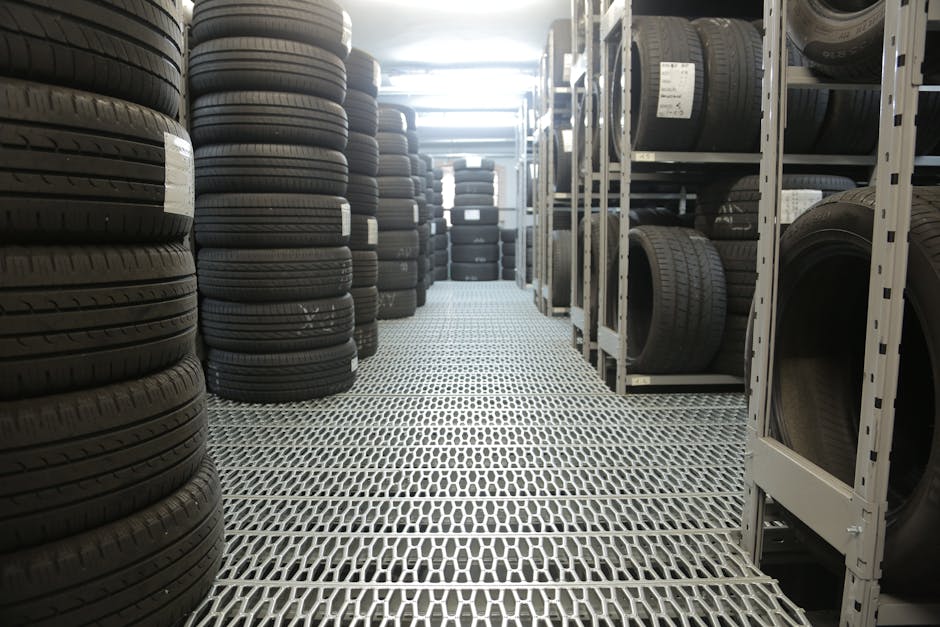
Have you ever wondered how long your motorcycle tires will really last? Knowing the answer can save you money, keep you safe, and help you plan your rides better.
Tires wear down over time, but the exact number of miles they’re good for depends on several factors. If you want to avoid unexpected tire problems and get the most out of every mile, this guide is made just for you.
Keep reading to discover how to tell when your motorcycle tires need replacing and how to make them last longer.

Credit: www.reddit.com
Tire Lifespan Factors
Motorcycle tires do not last forever. Their lifespan depends on many factors. Knowing these helps riders get the best use from their tires.
Some tires last longer because of how they are made. Others wear out faster due to riding habits or road types. Proper care can extend tire life.
Tire Types And Compounds
Tires come in different types and rubber compounds. Each type affects how long the tire lasts. Harder compounds usually last longer but offer less grip.
- Sport tires use soft compounds for better grip but wear quickly.
- Touring tires have harder compounds for long life and comfort.
- Dual-sport tires balance off-road traction and on-road durability.
- Racing tires are very soft and last only a few hundred miles.
Riding Style Impact
How you ride changes tire life a lot. Fast acceleration, hard braking, and sharp turns wear tires faster. Smooth riding can double tire mileage.
- Aggressive riding heats tires and causes quick wear.
- Frequent cornering at high speed wears edges faster.
- Heavy loads put more pressure on tires, reducing lifespan.
- Gentle acceleration and braking help tires last longer.
Road Conditions
Road surfaces affect how fast tires wear. Rough or gravel roads cause more damage. Smooth asphalt helps tires last longer.
| Road Type | Effect on Tire Life |
| Smooth Asphalt | Longest tire life |
| Gravel Roads | Increased wear and cuts |
| Wet Roads | Possible faster wear if tires slip |
| Potholes and Debris | Risk of tire damage |
Maintenance Habits
Good maintenance keeps tires safe and extends life. Check tire pressure and tread often. Replace tires before they become unsafe.
- Check tire pressure weekly with a reliable gauge.
- Inspect tread depth and look for uneven wear.
- Balance and align wheels to avoid fast wear.
- Avoid riding on underinflated or overinflated tires.
Average Mileage Expectations
Motorcycle tires wear out depending on the type and use. Knowing how many miles you can get helps with safety and budgeting.
Different tires last different distances. Let’s look at common types and their average mileage.
Sportbike Tires
Sportbike tires are built for speed and grip. They use soft rubber for better handling but wear out faster.
- Average mileage: 3,000 to 5,000 miles
- Soft tires wear quickly on rough roads
- Harder tires last longer but reduce grip
Cruiser Tires
Cruiser tires focus on comfort and stability. They use a tougher rubber compound to last longer on the road.
| Type | Average Mileage |
| Front Tire | 10,000 to 15,000 miles |
| Rear Tire | 8,000 to 12,000 miles |
Touring Tires
Touring tires are designed for long distances. They offer good durability and comfort for long rides.
- Can last 12,000 to 20,000 miles
- Made with harder rubber compounds
- Often have deeper tread for wet conditions
Off-road Tires
Off-road tires face rough terrain. They wear based on how much hard surface riding is done.
| Surface Type | Average Mileage |
|---|---|
| Mostly Dirt Trails | 5,000 to 7,000 miles |
| Mixed Dirt and Pavement | 3,000 to 5,000 miles |
| Mostly Pavement | 2,000 to 4,000 miles |
Signs Of Tire Wear
Motorcycle tires wear down with use. Knowing the signs helps keep you safe.
Check your tires often. Look for clear signs that show when they need replacing.
Tread Depth Indicators
Tread depth tells how much grip your tires still have. Tires have small bars inside grooves.
- These bars become visible when tread is low.
- If the tread touches these bars, it means the tire is worn out.
- Low tread reduces traction on wet or slippery roads.
- Check tread depth with a gauge or a coin test.
Sidewall Damage
The sidewall is the tire’s outer edge. Cracks, cuts, or bulges here are bad signs.
Sidewall damage can cause air leaks or sudden tire failure. Always inspect this area closely.
Uneven Wear Patterns
Uneven wear means some parts of the tire wear faster than others. This can cause handling problems.
| Wear Pattern | Possible Cause |
| Center wear | Overinflated tire pressure |
| Edge wear | Underinflated tire pressure |
| One side wear | Misaligned wheels or suspension issues |
| Patchy wear | Worn suspension parts or imbalance |
Performance Changes
You may feel your motorcycle behaves differently when tires wear out. Pay attention to changes.
- Longer stopping distances
- Less grip on wet roads
- Vibrations or wobbling at speed
- Difficulty in cornering smoothly
Extending Tire Life
Motorcycle tires wear out over time. Taking care of them helps you get more miles. Good tire care keeps you safe on the road.
Simple steps can make your tires last longer. This guide covers key ways to extend tire life.
Proper Inflation
Keeping tires at the right pressure is very important. Underinflated or overinflated tires wear unevenly. Check your tire pressure before every ride. Use a reliable gauge to get accurate readings.
| Tire Condition | Pressure Effect |
| Underinflated | Wears out edges faster |
| Overinflated | Wears out center faster |
| Properly Inflated | Even wear, longer life |
Regular Inspections
Look at your tires often for damage or wear. Check for cuts, cracks, or objects stuck in the tread. Early fixes prevent bigger problems. Regular inspections help you spot uneven wear too.
- Look for punctures or nails
- Check tread depth regularly
- Watch for sidewall cracks
- Clean tires to remove dirt and debris
Balanced Loading
Load your motorcycle evenly to avoid extra stress on tires. Too much weight on one side causes uneven wear. Follow your bike’s weight limit. Distribute cargo and passenger weight well.
| Load Type | Effect on Tires |
|---|---|
| Even Load | Balanced tire wear |
| Uneven Load | Faster wear on one tire |
| Overloading | Risk of blowouts and damage |
Storage Tips
Proper storage keeps tires from aging too fast. Store your motorcycle indoors if possible. Avoid direct sunlight and heat. Keep tires off the ground to stop flat spots.
- Clean tires before storage
- Store in a cool, dry place
- Use stands or blocks under wheels
- Cover tires to protect from sunlight
When To Replace Tires
Motorcycle tires wear out over time and lose their grip. Knowing when to replace them keeps you safe on the road.
Many factors affect tire life, including riding style and road conditions. Check your tires often for signs of wear.
Manufacturer Recommendations
Tire makers usually suggest replacing tires after a certain number of miles. This varies by brand and tire type.
Most motorcycle tires last between 3,000 and 15,000 miles. Always check the owner’s manual for exact guidance.
- Sport tires may last 3,000 to 5,000 miles
- Touring tires can last 10,000 to 15,000 miles
- Check the tire sidewall for date and wear info
Legal Requirements
Most places have laws about minimum tire tread depth. Riding with worn tires can lead to fines or accidents.
The legal tread depth for motorcycle tires is usually 1/32 to 2/32 of an inch. Check your local laws to be sure.
- Use a tread depth gauge to measure tire tread
- Replace tires before tread reaches legal limit
- Check for cracks, bulges, or other damage
Safety Considerations
Even if tires look okay, age can reduce their safety. Old tires may crack and lose grip, causing accidents.
Replace tires if you notice poor handling, vibrations, or damage. Regular checks keep your ride safe.
- Replace tires after 5 to 6 years, regardless of use
- Look for uneven wear or bald spots
- Check tire pressure monthly
- Change tires if you feel slipping or wobbling

Credit: www.motorcyclistonline.com
Credit: www.protyre.co.uk
Frequently Asked Questions
How Many Miles Do Motorcycle Tires Typically Last?
Motorcycle tires usually last between 3,000 to 15,000 miles. Factors like riding style, tire type, and road conditions impact tire lifespan significantly.
What Signs Indicate Motorcycle Tires Need Replacement?
Look for worn tread, cracks, uneven wear, or flat spots. If tires show any damage or age over five years, replace them promptly.
How Does Riding Style Affect Tire Mileage?
Aggressive riding, frequent cornering, and hard braking wear tires faster. Smooth and cautious riding helps extend tire life and improve performance.
Can Tire Maintenance Increase Motorcycle Tire Lifespan?
Yes, regular tire pressure checks, balancing, and proper storage improve tire durability. Maintaining tires prevents uneven wear and enhances safety on the road.
Conclusion
Motorcycle tires usually last between 3,000 to 15,000 miles. The lifespan depends on various factors. Riding style, road conditions, and tire type play a role. Regular checks extend tire life. Inspect for wear and tear often. Proper maintenance ensures safety and performance.
Always consult your tire’s manual. Replace tires when tread is low. Stay aware of unusual vibrations. They signal potential issues. Better upkeep means longer tire life. Keep an eye on tire pressure too. Safety always comes first on the road.
Make informed choices for a smooth ride. Enjoy your journey with well-maintained tires.