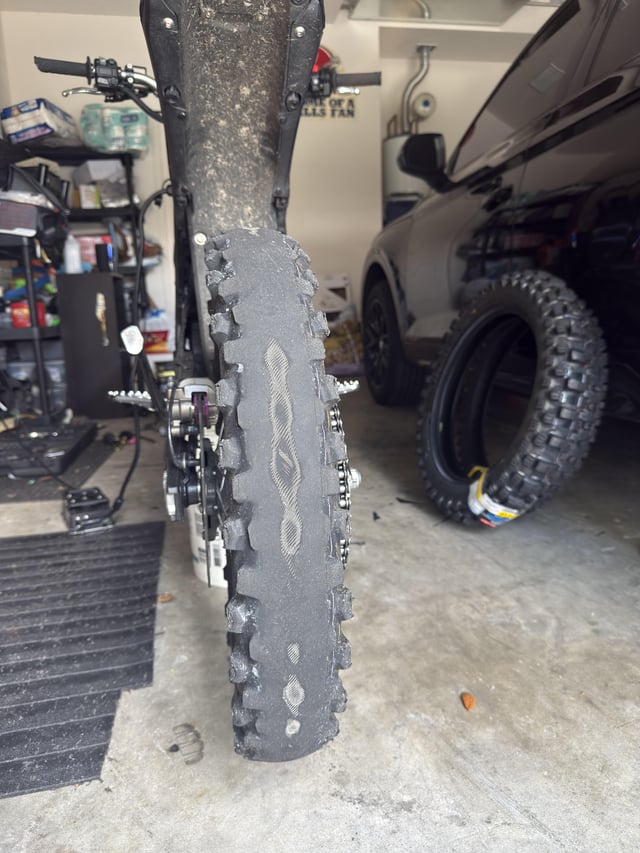
Have you ever wondered how many miles you can get out of your motorcycle tires? Knowing this can save you money and keep you safe on the road.
Your tires are the only part of your bike that touches the ground, so understanding their lifespan is key. You’ll discover what affects tire wear, signs it’s time for a change, and tips to get the most miles from your tires.
Keep reading to make sure you’re riding smart and staying protected every mile of the way.
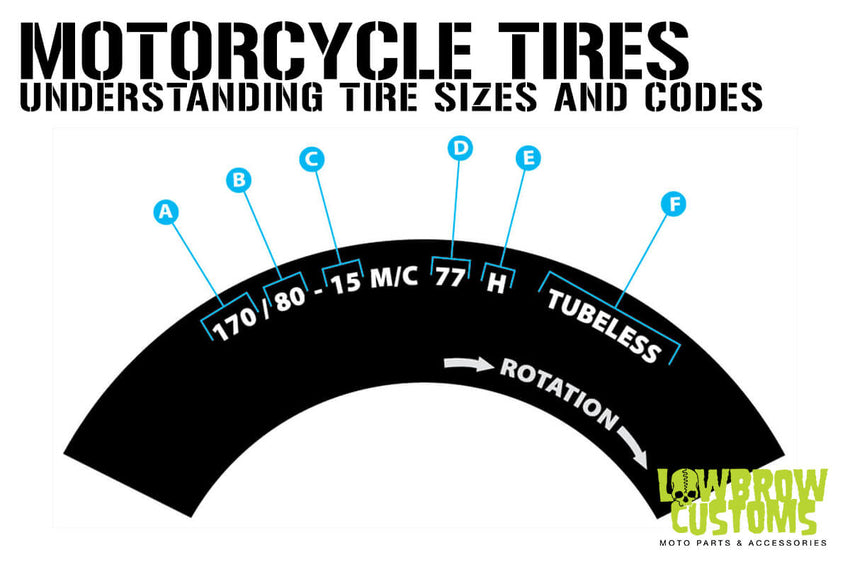
Credit: www.lowbrowcustoms.com
Motorcycle Tire Lifespan Basics
Motorcycle tires wear down with use. Knowing how long they last helps riders stay safe.
Tire lifespan depends on many factors. These include how you ride and the type of tire you use.
Factors Influencing Tire Wear
Tire wear changes by road type, weather, and riding style. Hard braking and fast acceleration cause faster wear.
- Road surface: rough roads wear tires faster
- Riding speed: higher speeds increase heat and wear
- Load weight: carrying heavy loads strains tires
- Weather: hot weather softens tires, cold makes them stiff
- Maintenance: proper tire pressure extends tire life
Types Of Motorcycle Tires
Tires come in many kinds for different uses. Each type lasts a different time.
| Type | Use | Expected Mileage |
| Sport Tires | High performance, racing | 3,000 to 7,000 miles |
| Touring Tires | Long distance riding | 10,000 to 20,000 miles |
| Dual Sport Tires | On and off-road | 5,000 to 10,000 miles |
| Cruiser Tires | Casual and city riding | 8,000 to 15,000 miles |
Average Mileage Expectations
Most motorcycle tires last between 5,000 and 15,000 miles. This depends on the tire type and use.
- Check tires regularly for wear and damage
- Keep tires inflated to the correct pressure
- Avoid hard braking and fast starts
- Store motorcycle in a cool, dry place
- Replace tires when tread depth is low
Signs Your Tire Needs Replacement
Motorcycle tires wear out over time. Knowing when to replace them is key for safety.
Watch for clear signs that your tire is no longer safe to use on the road.
Tread Depth Indicators
Tires have tread depth indicators built into the grooves. These small bars show the tire’s remaining tread.
If the tread is worn down to the indicator level, it means the tire needs replacement.
- Check if the tread grooves are flush with the indicator bars.
- Low tread depth reduces grip on wet roads.
- Replace tires before they reach 2/32 inch tread depth.
Visual Damage And Cracks
Look closely for cracks, cuts, or bulges on the tire surface. These signs show damage.
Damage can cause tire failure and lead to accidents. Replace tires with visible damage immediately.
- Cracks on sidewalls or tread indicate aging or dry rot.
- Cuts or punctures can cause slow leaks or blowouts.
- Bulges or bubbles mean internal damage to the tire structure.
Handling And Performance Changes
Notice if your motorcycle feels less stable or harder to control. This may mean tire wear.
Changes in handling or braking performance can signal that the tires no longer grip well.
- Slipping or sliding on turns or wet roads.
- Longer stopping distances than before.
- Vibration or wobbling at certain speeds.
Tips To Extend Tire Life
Motorcycle tires wear out over time and use. Knowing how to care for them helps you get more miles safely. Proper tire care saves money and keeps your ride smooth.
This guide shares easy tips to make your tires last longer. Follow these steps to protect your tires and improve riding comfort.
Proper Tire Inflation
Keeping tires at the right pressure helps them wear evenly. Check tire pressure before every ride with a good gauge. Inflate tires to the pressure recommended by your motorcycle’s manual.
Too low pressure causes more friction and heat. Too high pressure reduces grip and causes uneven wear. Proper inflation improves safety and tire life.
- Check pressure when tires are cold
- Use a quality tire pressure gauge
- Adjust pressure to the manufacturer’s specs
- Check pressure at least once a week
Regular Tire Maintenance
Inspect tires often for damage and wear signs. Look for cracks, cuts, or objects stuck in the tread. Replace tires if tread depth is too low or if damage is serious.
Keep your tires clean by washing with water and mild soap. Avoid harsh chemicals that can damage rubber. Rotate tires if your motorcycle allows it to ensure even wear.
- Check tread depth regularly
- Look for uneven wear patterns
- Remove stones or debris from tread
- Clean tires with mild soap and water
- Rotate tires if possible
Riding Habits That Preserve Tires
How you ride affects your tire life. Avoid hard acceleration and quick stops to reduce tire wear. Smooth riding helps tires last longer and improves safety.
Take turns gently to prevent tire edges from wearing out fast. Avoid riding on rough or sharp surfaces when possible. Proper riding habits save your tires from early damage.
- Accelerate and brake smoothly
- Take corners with care
- Avoid sharp turns at high speed
- Minimize riding on rough roads
- Keep steady speed on highways
Choosing The Right Tire For Longevity
Motorcycle tires wear down with use. Choosing the right tire helps you get more miles.
Many factors affect how long a tire lasts. Picking the right one means better safety and savings.
Material And Construction Differences
Tires use different rubber compounds and designs. These affect grip, durability, and mileage.
Harder compounds last longer but may grip less. Softer compounds grip better but wear faster.
- Bias-ply tires are flexible and good for rough roads.
- Radial tires offer better stability and last longer on highways.
- Dual-compound tires combine soft edges for grip and hard centers for wear.
Tire Brands Known For Durability
Some brands focus on making tires that last many miles. They use tough materials and good designs.
Choosing a known durable brand can save money and reduce tire changes over time.
- Brand A offers tires with long-lasting rubber compounds.
- Brand B uses advanced construction for even wear.
- Brand C focuses on high mileage for touring motorcycles.
Matching Tires To Riding Style
Your riding style affects tire wear. Choose tires that fit how and where you ride.
Sport riders need tires with better grip but shorter life. Cruisers need tougher tires that last.
- City riders benefit from durable tires for stop-and-go traffic.
- Touring riders should pick tires made for long distances.
- Off-road riders need tires built to resist cuts and punctures.
Impact Of Storage And Environment
Motorcycle tires wear out with use, but storage and environment also matter. Proper care helps tires last longer.
Storing tires in the right place keeps them safe from damage. Bad weather can harm tire quality too.
Effects Of Weather Conditions
Weather changes can affect motorcycle tires in many ways. Heat, cold, and sunlight can cause damage over time.
Sunlight makes tires dry and brittle. Cold temperatures can cause tires to harden and crack.
- Heat speeds up tire aging
- UV rays break down rubber
- Cold causes rubber to stiffen
- Moisture can lead to mold or corrosion
Proper Tire Storage Techniques
Store tires in a cool, dry place away from sunlight. Keep them off the ground to avoid moisture.
Use tire bags or covers to protect from dust and UV rays. Avoid storing near chemicals or oils.
- Keep tires in a dark, temperature-controlled room
- Store tires standing up or on racks
- Cover tires with breathable plastic bags
- Check tires regularly for signs of damage

Credit: www.reddit.com
When To Replace Motorcycle Tires
Motorcycle tires wear out over time and need replacement. Knowing when to change them is key for safety.
Factors like mileage, age, and condition affect tire life. This guide helps you decide the right time.
Manufacturer Recommendations
Tire makers suggest replacing tires after certain miles. Most say between 3,000 and 15,000 miles.
Always check the tire manual for specific advice. It tells you about tread depth and tire age limits.
- Check tread depth regularly
- Follow mileage limits in the manual
- Replace tires older than 5-6 years
Legal Requirements
Most places have laws on minimum tire tread depth. This helps keep riders safe on the road.
In many areas, the minimum tread depth is 1/32 to 2/32 of an inch. Riding below this is illegal.
- Check local laws on tire tread depth
- Replace tires before tread goes below legal limit
- Keep tires free from cracks and damage
Safety Considerations
Worn tires reduce grip and increase crash risk. Replace tires if they show uneven wear or damage.
Also replace tires if you notice vibration or poor handling. Old tires harden and lose traction.
- Replace tires with worn or uneven tread
- Check for cracks, cuts, or bulges
- Replace tires if riding feels unstable

Credit: www.reddit.com
Frequently Asked Questions
How Many Miles Do Motorcycle Tires Last?
Motorcycle tires typically last between 3,000 to 15,000 miles. The lifespan depends on factors like tire type, riding style, and maintenance. Sport tires wear out faster, while touring tires last longer. Regular checks and proper inflation can extend tire life.
What Affects Motorcycle Tire Mileage?
Several factors affect tire mileage, including riding style, road conditions, and tire maintenance. Aggressive riding and rough roads can reduce tire life. Regular maintenance, such as correct inflation and alignment, helps maximize mileage.
How Can I Extend My Motorcycle Tire Life?
To extend tire life, maintain proper tire pressure and align your wheels regularly. Avoid aggressive riding and inspect tires for wear and damage. Routine maintenance and cautious riding habits can significantly increase tire longevity.
When Should I Replace Motorcycle Tires?
Replace motorcycle tires when tread depth is below 2/32 inches or if there’s visible damage. Regular inspections help identify wear, ensuring safety. It’s also advisable to replace them every five years, regardless of wear.
Conclusion
Motorcycle tire life varies by type and riding style. Most tires last between 3,000 and 15,000 miles. Check your tires often for wear and damage. Riding carefully can help extend tire mileage. Replace tires when tread gets low or cracks appear.
Proper tire care keeps you safe on the road. Remember, good tires improve your bike’s performance. Stay alert and maintain your tires well. Safe riding depends on good tire condition. Keep these tips in mind for a smooth ride.