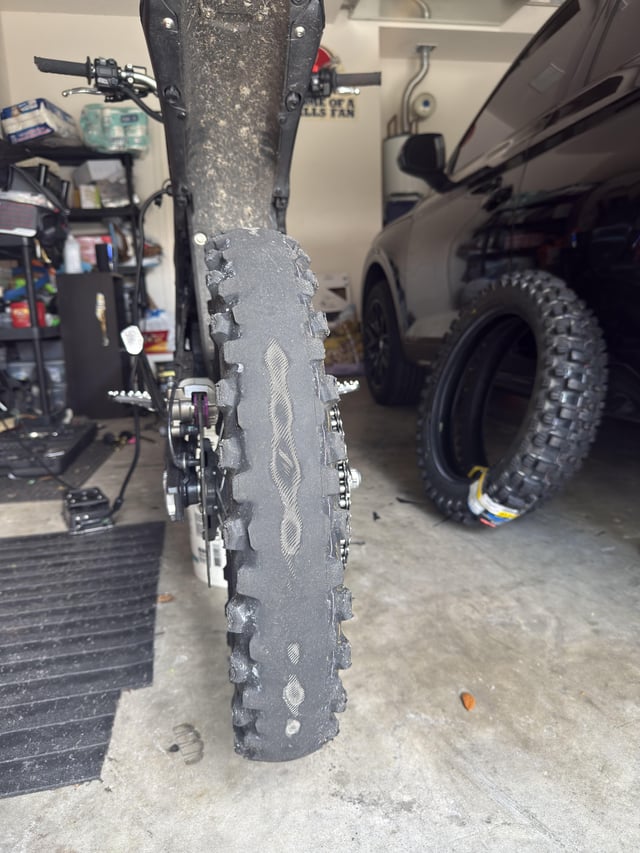
Have you ever wondered how many miles your motorcycle tires can really handle? You’re not alone.
Whether you’re a seasoned rider or new to the two-wheeled world, understanding tire lifespan is crucial for both safety and performance. Your tires are the only connection between you and the road, making them one of the most essential components of your bike.
But how do you know when it’s time for a change? We’ll uncover the secrets behind tire longevity, helping you get the most out of your ride while ensuring a smooth, safe journey. Keep reading to discover the factors affecting your tire’s mileage and learn tips to extend their life, saving you time and money in the long run. Your next adventure awaits, and it starts with the right tires.
Factors Affecting Tire Lifespan
Motorcycle tire lifespan depends on many things. Knowing these factors helps you get the best use.
Wear varies based on tire type, how you ride, road types, and how well you care for tires.
Tire Type And Quality
Tires come in different types like sport, touring, or off-road. Each lasts a different time.
Higher quality tires often use better rubber. They can last longer than cheaper ones.
- Sport tires wear faster due to soft rubber
- Touring tires last longer with harder rubber
- Off-road tires wear fast on pavement
Riding Style
Aggressive riding causes more tire wear. Hard braking and fast cornering reduce tire life.
Smooth riding with gentle acceleration helps tires last longer. Constant speed is better.
- Fast turns wear edges quickly
- Hard braking creates flat spots
- Slow, steady riding saves tread
Road Conditions
Rough roads with gravel or potholes wear tires faster. Smooth roads cause less damage.
Wet or oily roads make tires slip, causing uneven wear. Clean, dry roads help tires last.
- Gravel roads cut into tire tread
- Potholes can cause sidewall damage
- Wet roads may lead to uneven wear
- Clean asphalt is best for tire life
Maintenance Habits
Regular tire checks extend tire life. Check pressure, alignment, and tread depth often.
Proper inflation prevents uneven wear. Fix problems early to avoid tire damage.
- Check tire pressure monthly
- Inspect for cuts or cracks
- Keep wheels aligned
- Replace tires when tread is low
Credit: www.gl1800riders.com
Average Mileage For Motorcycle Tires
Motorcycle tires wear out over time. The mileage you get depends on the tire type.
Knowing the average mileage helps you plan for replacements and stay safe.
Sportbike Tires
Sportbike tires are made for speed and grip. They use soft rubber to hold corners well.
These tires usually last between 3,000 and 7,000 miles. Aggressive riding can shorten this.
Cruiser Tires
Cruiser tires are built for comfort and stability. They have harder rubber for longer life.
- Front tires last around 10,000 miles
- Rear tires last about 8,000 miles
- Heavy loads can reduce tire life
Touring Tires
Touring tires focus on durability and wet grip. They have deeper tread for long trips.
| Type | Average Mileage |
| Front Tire | 12,000 – 15,000 miles |
| Rear Tire | 10,000 – 12,000 miles |
Off-road Tires
Off-road tires have deep, knobby tread. They handle rough surfaces but wear faster on pavement.
Off-road tire mileage depends on terrain and use. Here are typical ranges:
- Soft dirt and mud: 1,000 – 3,000 miles
- Hard-packed dirt: 3,000 – 5,000 miles
- Mixed terrain: 2,000 – 4,000 miles
Signs Of Tire Wear
Motorcycle tires wear down over time and need regular checks. Worn tires can affect safety and bike handling.
Knowing the signs of tire wear helps you decide when to replace them. Look closely at tread, cracks, bulges, and wear patterns.
Tread Depth Indicators
Tread depth shows how much life is left in your tires. Most tires have small bars inside grooves to help measure this.
- When tread wears down to the bars, the tire needs replacing.
- Less tread means less grip on wet roads.
- Check tread depth using a gauge or the built-in indicators.
Cracks And Bulges
Cracks on the tire sidewall or tread show aging or damage. Bulges mean the tire’s internal structure is weak.
Both cracks and bulges can cause tire failure. Replace tires immediately if you see these signs.
Uneven Wear Patterns
| Wear Pattern | Possible Cause | Effect |
| Center Wear | Overinflation | Less grip on edges |
| Edge Wear | Underinflation or hard cornering | Reduced stability |
| Patchy Wear | Wheel misalignment | Uneven handling |
Check your tire for uneven wear to spot problems early. Fix tire pressure and alignment to extend tire life.
Extending Tire Lifespan
Motorcycle tires wear down with use. Taking care of them helps them last longer. This saves money and keeps you safe on the road.
Use simple habits to protect your tires. Good care improves tire life and riding comfort.
Proper Inflation
Check tire pressure often. Too low or too high pressure can cause uneven wear. Use the pressure recommended in your bike’s manual.
- Check pressure when tires are cold
- Use a reliable pressure gauge
- Adjust pressure before long rides
- Inspect valve caps and replace if missing
Regular Inspections
Look at your tires often for damage. Small cracks, cuts, or embedded objects can cause bigger problems later.
| Issue | What to do |
| Cracks in sidewall | Replace tire immediately |
| Embedded nails or glass | Remove carefully or visit a shop |
| Uneven tread wear | Check alignment and balance |
| Low tread depth | Replace tire before riding |
Balancing And Alignment
Balanced tires spin evenly. Proper alignment keeps the bike straight. Both reduce tire wear and improve handling.
- Have tires balanced at every new installation
- Check wheel alignment every few months
- Fix any wobbling or pulling immediately
- Visit a professional mechanic for adjustments
When To Replace Motorcycle Tires
Motorcycle tires wear out over time and need replacement for safety. Knowing when to change them helps avoid accidents.
Several factors affect tire life. These include mileage, damage, age, and manufacturer advice.
Mileage Milestones
Most motorcycle tires last between 3,000 and 15,000 miles. The exact mileage depends on tire type and riding style.
- Sport tires usually last 3,000 to 5,000 miles.
- Touring tires can go 8,000 to 15,000 miles.
- Dual-sport tires vary widely depending on terrain.
Damage And Aging
Physical damage and age can reduce tire life before mileage limits. Look for cracks, cuts, or bulges on tires.
| Type of Damage | Effect on Tire |
|---|---|
| Cracks | Weakens tire structure |
| Cuts | Can cause air leaks |
| Bulges | May lead to blowouts |
| Flat spots | Reduce grip and balance |
Even unused tires should be replaced after 5 years. Rubber hardens and loses grip with age.
Manufacturer Recommendations
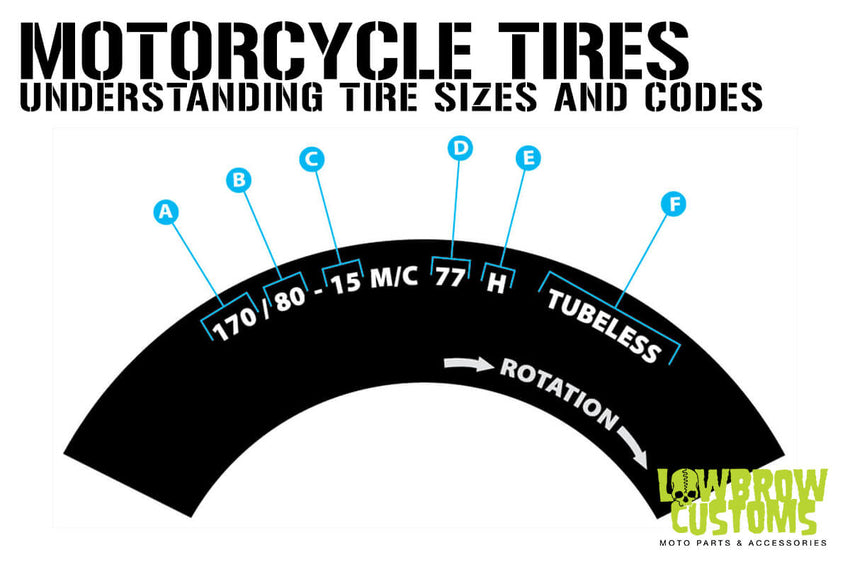
Tire makers provide guidelines on when to replace tires. Check the owner’s manual or tire sidewall for details.
- Follow the recommended mileage limits.
- Replace tires if tread depth is below the safe limit.
- Inspect tires regularly for wear and damage.
- Do not ignore warning signs like vibration or pulling.
Credit: www.lowbrowcustoms.com
Choosing The Right Tires
Choosing the right tires for your motorcycle affects safety and comfort. Tires wear out over time, so picking the right ones matters.
Different tires suit different riding styles and conditions. Understanding your needs helps you get the best tire life and performance.
Matching Tires To Riding Needs
Consider how and where you ride before picking tires. Street riding, off-road, or touring all need different tire types. Choose tires designed for your usual road conditions.
- Sport tires offer better grip on smooth roads
- Touring tires last longer and handle various surfaces
- Off-road tires have deep tread for dirt and mud
- Dual-sport tires balance on-road and off-road use
Budget Vs. Quality
Cheap tires may save money at first but wear out faster. Quality tires cost more but last longer and improve safety. Balance your budget with your riding needs.
| Price Range | Durability | Performance |
| Low | Short | Basic grip |
| Medium | Moderate | Good grip and handling |
| High | Long | Excellent grip and control |
Brand Comparisons
Top brands offer reliable quality and wide tire options. Some brands focus on sport tires, others on touring. Research user reviews and warranties to choose a trusted brand.
| Brand | Best For | Price Range | Warranty |
|---|---|---|---|
| Brand A | Sport riding | Medium to High | 5 years |
| Brand B | Touring and commuting | Low to Medium | 3 years |
| Brand C | Off-road and dual-sport | Medium | 4 years |

Credit: www.reddit.com
Frequently Asked Questions
How Many Miles Do Motorcycle Tires Usually Last?
Motorcycle tires typically last between 3,000 and 15,000 miles. The range depends on tire type, riding style, and road conditions. Sport tires wear faster, while touring tires last longer. Regular checks help ensure safety and timely replacements.
What Factors Affect Motorcycle Tire Mileage?
Tire mileage depends on riding habits, tire type, road quality, and bike weight. Aggressive riding and rough roads reduce tire life. Proper tire maintenance, including pressure and alignment, extends mileage. Choose tires suitable for your riding style for best results.
How Can I Extend My Motorcycle Tire Lifespan?
To extend tire life, maintain proper tire pressure and avoid aggressive acceleration. Regularly inspect tires for damage and wear patterns. Rotate tires if recommended and avoid riding on rough surfaces. Proper storage also prevents tire degradation over time.
When Should I Replace Motorcycle Tires For Safety?
Replace tires when tread depth is below 2/32 inch or visible damage exists. Cracks, bulges, or uneven wear indicate replacement time. Old tires over five years may harden and lose grip. Always prioritize safety over mileage to prevent accidents.
Conclusion
Motorcycle tires usually last between 3,000 and 15,000 miles. This depends on tire type, road conditions, and riding style. Regular checks help spot wear early and keep you safe. Replace tires if tread wears thin or damage shows. Proper tire care improves performance and extends life.
Remember, safe tires make your rides better and smoother. Keep an eye on tire health for worry-free journeys.