
Have you ever wondered how many miles your car tires should really last? Knowing this can save you money and keep you safe on the road.
Your tires are the only part of your car touching the ground, so understanding their lifespan is key. You’ll discover clear answers and simple tips to help you get the most out of your tires. Keep reading, because the life of your tires affects your driving experience more than you might think.

Credit: carfromjapan.com
Average Tire Lifespan
Car tires wear out over time and need replacement. Knowing how many miles tires last helps plan maintenance.
On average, most tires last between 25,000 and 50,000 miles. This depends on many factors.
Factors Affecting Tire Mileage
Tire mileage changes based on how you drive and care for your tires. Road conditions and weather also matter.
- Driving habits like speed and braking affect tire wear
- Proper tire inflation helps tires last longer
- Road surfaces cause different levels of tire damage
- Weather conditions like heat or cold impact tire life
- Vehicle weight and alignment affect tire mileage
- Regular tire rotation improves even wear
Typical Mileage Range For Tires
Tires come with different mileage ratings. Economy tires wear out faster than premium tires.
| Tire Type | Expected Mileage |
|---|---|
| Economy Tires | 25,000 – 40,000 miles |
| All-Season Tires | 40,000 – 60,000 miles |
| Performance Tires | 20,000 – 40,000 miles |
| Touring Tires | 50,000 – 70,000 miles |
Checking the tire warranty and tread depth helps track when to replace tires.
Types Of Tires And Their Durability
Car tires come in different types based on driving needs and conditions. Each tire type has a different lifespan and durability.
Knowing how long tires last helps you plan for replacements and stay safe on the road.
All-season Tires
All-season tires are made for use in many weather conditions. They work well on dry, wet, and light snowy roads.
These tires usually last between 50,000 and 70,000 miles. Proper care can help them reach the higher end of that range.
Performance Tires
Performance tires give better grip and handling at higher speeds. They are made for sporty and fast driving.
These tires wear out faster and usually last about 30,000 to 40,000 miles. Driving style affects their durability.
Winter Tires
Winter tires are designed for cold weather and snowy or icy roads. They stay soft to keep good traction.
Winter tires last around 20,000 to 40,000 miles. Using them only in winter helps them last longer.
Off-road Tires
Off-road tires have thick tread for rough and rocky surfaces. They protect tires from cuts and punctures.
These tires last about 40,000 to 60,000 miles. Their lifespan depends on how rough the terrain is.
Signs Tires Need Replacement
Car tires usually last between 25,000 and 50,000 miles. The exact life depends on driving habits and road conditions. It is important to know when tires need replacing for safety reasons.
Look for clear signs that your tires are worn out or damaged. This will help you avoid accidents and improve your car’s performance.
Tread Wear Indicators
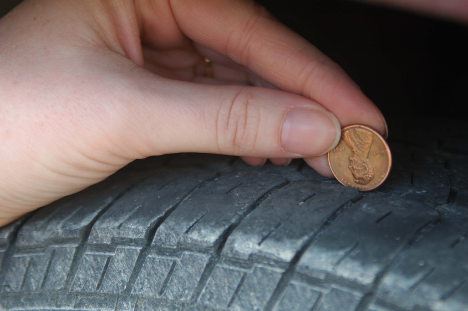
Tread wear indicators are small bars inside the tire grooves. They show how much tread is left. When the tread touches these bars, it means the tire is too worn.
Tires with low tread have less grip. This can cause slipping, especially on wet roads. Check the tread depth regularly to stay safe.
Cracks And Bulges
Cracks appear on the tire sidewalls or tread surface. They happen because of age, sun damage, or hard impacts. Bulges are raised areas on the tire.
Both cracks and bulges weaken the tire structure. They increase the risk of tire failure. Replace tires immediately if you see these problems.
Uneven Wear Patterns
Uneven wear means some parts of the tire wear faster than others. This can happen from bad alignment, unbalanced tires, or wrong tire pressure.
Uneven wear reduces tire life and affects car handling. Look for wear on one edge or in patches. Fix the cause and replace the tires if needed.
- Wear on inner or outer edges may mean alignment issues
- Center wear can show over-inflation
- Edge wear might indicate under-inflation
- Patches or cupping show suspension problems
Credit: www.formulahonda.com
Maximizing Tire Lifespan
Car tires wear out over time and use. Knowing how to care for them helps you get the most miles.
Proper maintenance keeps tires safe and lasting longer. This guide covers key ways to extend tire life.
Proper Inflation
Keeping tires at the right air pressure is very important. Too low or too high pressure causes uneven wear.
- Check tire pressure monthly
- Use a reliable pressure gauge
- Follow the car maker’s recommended pressure
- Adjust pressure when carrying heavy loads
- Check pressure before long trips
Regular Rotation
Rotating tires moves them to different positions. This spreads out wear and extends their life.
Most cars need tire rotation every 5,000 to 7,000 miles. Follow your vehicle’s guide for best results.
Wheel Alignment
Wheel alignment means adjusting the angles of tires to the car’s frame. Poor alignment causes quick tire wear.
| Signs of Bad Alignment | Effect on Tires |
| Car pulls to one side | Uneven tread wear |
| Steering wheel off-center | Faster tire damage |
| Vibration while driving | Reduced tire life |
Driving Habits
How you drive affects tire wear. Gentle driving helps tires last longer.
- Avoid fast starts and stops
- Slow down on sharp turns
- Drive carefully on rough roads
- Do not overload your vehicle
Impact Of Road Conditions
Tires wear out based on many factors. Road conditions play a big role in how long tires last. Different surfaces and environments affect tire life in different ways.
Understanding road conditions helps drivers take better care of their tires. It also sets the right expectation for tire replacement timing.
Urban Vs. Rural Driving
Urban driving usually involves stop-and-go traffic. This causes more tire wear from frequent braking and acceleration. Rural roads may have less traffic but different challenges.
- Urban roads often have potholes and rough patches.
- Rural roads can be gravel or dirt, which can cause cuts and punctures.
- Urban driving often means more turns, increasing tire wear on edges.
- Rural driving tends to have longer stretches of steady speed, which is easier on tires.
Climate Influence
Climate affects tire materials and pressure. Hot weather can cause tires to wear faster. Cold weather may make tires hard and brittle.
| Climate Condition | Effect on Tires |
| Hot Weather | Increases tread wear and risk of blowouts |
| Cold Weather | Makes tires stiff and prone to cracking |
| Wet Conditions | Can cause hydroplaning and uneven wear |
| Dry Conditions | Leads to faster wear on dry pavement |
Road Surface Quality
Road surfaces vary widely. Smooth asphalt is gentle on tires. Rough or damaged surfaces increase wear and tear.
Common road surfaces and their impact on tires:
- Asphalt:Smooth, extends tire life.
- Concrete:Rougher, may wear tires faster.
- Gravel:Causes cuts and chips.
- Dirt Roads:Leads to uneven wear and dust buildup.
When To Replace Tires
Car tires wear out over time and with use. Knowing when to replace them keeps you safe.
Replacing tires at the right time helps avoid accidents and costly repairs.
Mileage Thresholds
Tires usually last between 25,000 and 50,000 miles. This depends on tire type and driving habits.
- Check tire tread depth regularly.
- Replace tires when tread is 2/32 inch or less.
- Consider replacing earlier if tires show uneven wear.
Age Limits
Tires degrade even if not driven much. Most manufacturers recommend replacing tires after six years.
| Age of Tire | Recommended Action |
|---|---|
| 0 – 3 years | Inspect tires regularly. |
| 4 – 6 years | Check more often for cracks and wear. |
| Over 6 years | Replace tires regardless of tread depth. |
Safety Considerations
Safety is the top reason to replace tires. Worn tires reduce traction and increase accident risk.
- Replace tires if you see cracks or bulges on the sidewall.
- Change tires if you feel vibration while driving.
- Use winter tires in cold months for better grip.
- Keep tires properly inflated to avoid uneven wear.
Cost Vs. Longevity Of Tires
Car tires wear out over time and need replacement. The distance tires last depends on their quality and use.
Choosing tires means balancing cost and how long they last. This helps you get the best value for your money.
Budget Vs. Premium Tires
Budget tires cost less but may wear out faster. They suit drivers who do less driving or need quick replacements.
Premium tires cost more but last longer. They offer better grip, safety, and comfort for daily or long trips.
- Budget tires last about 25,000 to 40,000 miles
- Premium tires can last 50,000 to 70,000 miles or more
- Budget tires save money upfront
- Premium tires save money over time due to longer use
Long-term Investment
Buying tires is a long-term choice. Spending more now may reduce how often you replace tires.
Longer-lasting tires lower maintenance and replacement costs over years. They also improve safety on the road.
- Check tire warranty for mileage coverage
- Consider fuel efficiency of premium tires
- Regular tire care extends tire life
- Think about total cost, not just price

Credit: www.reddit.com
Frequently Asked Questions
How Many Miles Do Car Tires Usually Last?
Car tires typically last between 25,000 and 50,000 miles. Factors like driving habits, tire type, and maintenance affect lifespan. Regular tire rotation and proper inflation can extend their durability. Always check the tire tread for wear to ensure safety.
What Affects The Mileage Lifespan Of Car Tires?
Tire lifespan depends on driving style, road conditions, and maintenance. Aggressive driving and rough roads reduce mileage. Proper tire care, including inflation and rotation, improves longevity. Choosing quality tires also impacts how long they last on your vehicle.
When Should I Replace Car Tires For Safety?
Replace tires when tread depth reaches 2/32 inch or less. Uneven wear, cracks, or bulges also signal replacement needs. Regularly inspect tires, especially before long trips. Timely replacement ensures optimal grip and prevents accidents.
Can Tire Maintenance Increase Mileage Lifespan?
Yes, regular tire maintenance significantly increases tire lifespan. Proper inflation prevents uneven wear and improves fuel efficiency. Rotating tires every 5,000-7,000 miles promotes even wear. Balancing and alignment also enhance tire performance and durability.
Conclusion
Tire mileage depends on many factors like road type and driving habits. Most tires last between 25,000 and 50,000 miles. Checking tire pressure and alignment helps extend tire life. Regular tire rotation also keeps wear even and predictable. Watch for signs of wear to stay safe on the road.
Proper care saves money and improves driving comfort. Remember, good tires protect you and your passengers every mile. Keep your tires in good shape for a smooth, safe ride.