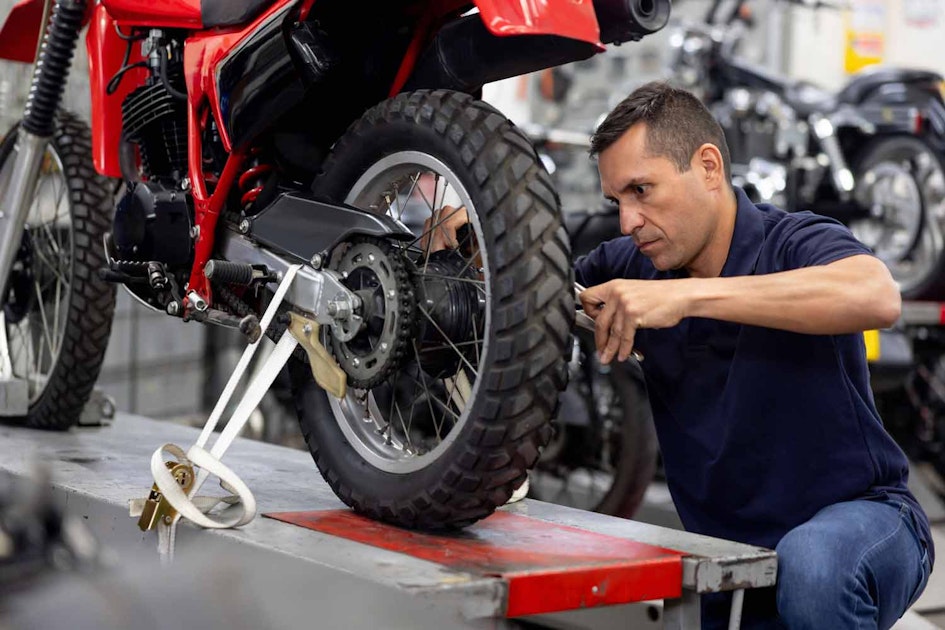
Have you ever wondered how long your motorcycle tires should really last? Knowing when to replace them can save you from unexpected problems on the road and keep you riding safely.
Tires wear down over time, but the exact mileage you can get depends on several factors. You’ll discover the key signs to watch for and how many miles you can expect before it’s time for new tires. Keep reading to make sure your next ride is smooth and safe every mile of the way.
Tire Lifespan Factors
Motorcycle tires do not all last the same length of time. Many things affect how many miles they can go. Understanding these factors helps you know when to replace your tires.
Some tires wear out faster, and some last longer. The way you ride and the road you use also change tire life. Weather plays a role too. Let’s look at these factors.
Tire Type And Compound
Different types of tires last different amounts of time. Tires made for racing wear out quickly. Touring tires are built to last many miles.
The rubber compound also matters. Softer rubber grips better but wears faster. Harder rubber lasts longer but has less grip.
- Sport tires use soft compounds for better grip
- Touring tires have harder compounds for longer life
- Dual-sport tires balance grip and durability
Riding Style Impact
How you ride changes tire life a lot. Fast acceleration and hard braking wear tires faster. Smooth, steady riding helps tires last longer.
Cornering hard also causes more tire wear. Gentle turns reduce stress on the tire tread.
- Aggressive riding shortens tire life
- Calm riding extends tire mileage
- Frequent stops and starts increase wear
Road Conditions
Road surfaces affect tire lifespan. Smooth asphalt causes less wear. Rough roads with gravel or potholes wear tires faster.
Dirty or oily roads reduce tire grip and can cause uneven wear patterns.
- Smooth roads help tires last longer
- Gravel and potholes increase tire damage
- Wet or oily roads can cause uneven wear
Weather Effects
Weather changes tire life too. Hot weather can make tires wear faster. Cold weather can make rubber hard and brittle.
Rain and snow reduce tire traction and can cause faster tread wear if you ride often in these conditions.
- High heat speeds up tire wear
- Cold can cause tire cracking
- Wet weather may increase tread wear
Credit: www.gl1800riders.com
Average Mileage Expectations
Motorcycle tires come in many types. Each type lasts for a different number of miles. Knowing how long your tires should last helps you plan replacements.
Many factors affect tire life, such as riding style and road conditions. Still, average mileage gives a good baseline for each tire type.
Sport Tires
Sport tires offer great grip and fast handling. These tires wear faster due to their softer rubber compound. Most sport tires last between 3,000 and 5,000 miles.
Riders who push their bikes hard might see shorter tire life. Regular checks are important to avoid sudden wear.
Touring Tires
Touring tires are built for long rides and comfort. They use harder rubber to last longer. On average, touring tires last from 10,000 to 15,000 miles.
| Type | Average Mileage |
| Sport Tires | 3,000 – 5,000 miles |
| Touring Tires | 10,000 – 15,000 miles |
| Cruiser Tires | 8,000 – 12,000 miles |
| Off-Road Tires | 2,000 – 4,000 miles |
Cruiser Tires
Cruiser tires balance durability and comfort. Their mileage range is usually 8,000 to 12,000 miles. These tires are tougher than sport tires but softer than touring ones.
Off-road Tires
Off-road tires face rough terrain. They wear faster due to mud, rocks, and uneven ground. Expect 2,000 to 4,000 miles from these tires.
- Soft rubber compound wears quickly
- Knobby tread design reduces mileage
- Frequent cleaning helps extend life
Signs Of Tire Wear
Motorcycle tires wear down over time. Recognizing wear signs helps keep you safe. You can avoid accidents by checking your tires often.
Look for specific signs that show your tires need replacing. These signs include tread depth, sidewall damage, and uneven wear patterns.
Tread Depth Indicators
Tread depth shows how much rubber is left on your tire. Low tread reduces grip and increases risk. Most tires have tread wear indicators built in.
- Tread wear bars appear when tread is low.
- Use a tread depth gauge to measure precisely.
- Replace tires if tread depth is below 2/32 inch.
- Check tread evenly across the tire surface.
Sidewall Damage
Sidewalls are the tire edges that protect the inner layers. Damage here can cause tire failure. Look for cracks, cuts, or bulges on the sidewall.
| Type of Sidewall Damage | What to Do |
| Cracks | Replace tire if cracks are deep or spreading |
| Cuts | Replace tire if cut reaches inner layers |
| Bulges or bubbles | Replace tire immediately; unsafe to ride |
Uneven Wear Patterns
Uneven wear means parts of the tire wear faster than others. This can cause handling problems and shorten tire life.
- Check for wear on one side more than the other.
- Look for flat spots or cupping on the tread.
- Uneven wear may signal alignment or suspension issues.
- Fix mechanical problems and replace worn tires.

Credit: www.reddit.com
Maintenance Tips To Extend Tire Life
Motorcycle tires last longer when you care for them properly. Simple maintenance steps can help you get more miles from your tires.
Follow these tips to keep your tires safe and in good condition for a longer time.
Proper Inflation
Check your tire pressure often. Use a reliable gauge to keep tires at the recommended level. Too much or too little air can cause uneven wear.
- Check pressure when tires are cold
- Use the pressure recommended by the motorcycle maker
- Adjust pressure for load and riding conditions
Regular Inspections
Look at your tires for damage and wear every time you ride. Small problems can get worse if not fixed early.
- Check tread depth and look for cracks
- Look for nails, cuts, or objects stuck in the tire
- Watch for uneven wear on the edges or center
Wheel Alignment
Proper wheel alignment keeps tires from wearing out quickly. Misaligned wheels make your bike pull to one side and cause uneven tread wear.
| Signs of Misalignment | What to Do |
| Bike pulls left or right | Get a professional wheel alignment check |
| Uneven tire wear | Adjust alignment immediately |
| Vibration at speed | Inspect and fix wheel balance and alignment |
Balancing Tires
Balanced tires provide smooth rides and prevent uneven wear. Unbalanced tires can cause vibration and damage to suspension parts.
Balance your tires by:
- Visiting a shop for professional balancing
- Checking balance after installing new tires
- Rebalancing if you feel vibration during riding
When To Replace Motorcycle Tires
Motorcycle tires wear out over time and affect your bike’s safety. Knowing when to replace them is important.
Tires that are old, damaged, or worn can cause accidents. Check your tires regularly to keep riding safe.
Mileage Thresholds
Most motorcycle tires last between 3,000 and 15,000 miles. This depends on the type of tire and your riding style.
| Tire Type | Average Mileage |
| Sport Tires | 3,000 – 7,000 miles |
| Touring Tires | 7,000 – 15,000 miles |
| Off-Road Tires | 4,000 – 6,000 miles |
Visible Damage
Look for cracks, cuts, or bulges on your tires. These signs mean the tire is unsafe to use.
- Cracks in the sidewall or tread
- Bulges or bubbles on the tire surface
- Deep cuts or punctures
- Excessive tread wear or bald spots
Performance Decline
Tires that lose grip or feel unstable need replacement. Pay attention to changes in how your bike handles.
Signs of performance decline include:
- Longer stopping distances
- Less traction on wet roads
- Vibrations at high speeds
- Difficulty cornering smoothly
Expert Recommendations
Motorcycle tires do not last forever. Their lifespan depends on many factors. Experts suggest regular checks and good care.
Knowing how many miles your tires can last helps you stay safe. It also saves money by avoiding early replacements.
Choosing The Right Tire
Select tires that fit your bike and riding style. Different tires last different distances. Sport tires wear faster than touring tires.
Check the tire label for mileage ratings. Look for tires made for your usual road types. Quality tires last longer and work better.
- Use tires recommended by your motorcycle maker
- Choose tires based on your riding speed and style
- Check tire size and type before buying
Riding Habits To Preserve Tires
How you ride affects tire life. Smooth braking and steady speeds help tires last longer. Avoid quick stops and sharp turns.
Keep your tires properly inflated. Low pressure causes faster wear. High pressure can reduce grip and increase risks.
- Ride gently on rough roads
- Avoid heavy loads on your motorcycle
- Check tire pressure before each ride
- Balance your tires regularly
Seasonal Tire Changes
Some riders change tires by season. Cold weather can harden tires and reduce grip. Warm weather tires may wear fast in cold.
Use tires suited for the season to improve safety and tire life. Store off-season tires in a cool, dry place away from sunlight.
- Use winter tires in cold climates
- Switch to summer tires for warm weather
- Store tires properly when not in use
- Check tires before seasonal changes

Credit: www.reddit.com
Frequently Asked Questions
How Many Miles Do Motorcycle Tires Typically Last?
Motorcycle tires usually last between 3,000 and 15,000 miles. The lifespan depends on tire type, riding style, and road conditions. Sport tires wear faster, while touring tires last longer. Regular maintenance can also extend tire life.
What Factors Affect Motorcycle Tire Lifespan?
Tire lifespan depends on riding habits, tire quality, road surfaces, and weather conditions. Aggressive riding and rough roads cause faster wear. Proper tire pressure and regular inspections help maintain tire health and improve mileage.
When Should I Replace My Motorcycle Tires?
Replace tires if tread depth is below 1/32 inch or if you see cracks, bulges, or punctures. Also, replace tires after five years, regardless of mileage, due to rubber degradation affecting safety and performance.
Can Tire Pressure Impact Motorcycle Tire Longevity?
Yes, maintaining correct tire pressure improves tire wear and fuel efficiency. Under-inflated tires wear unevenly and reduce tire life. Regularly check and adjust tire pressure according to the manufacturer’s recommendations for better tire longevity.
Conclusion
Motorcycle tires usually last between 3,000 and 15,000 miles. Many factors affect tire life, like riding style and road conditions. Check your tires often for wear and damage. Replace tires when tread gets low or cracks appear. Proper tire care keeps you safe and improves bike handling.
Remember, good tires mean better rides and fewer risks. Stay alert and maintain your tires for longer use. Safe riding starts with good tire health.