Have you ever wondered how many mirrors your car really needs? You might think one or two are enough, but the truth could surprise you.
The right number of mirrors isn’t just about convenience—it’s about your safety every time you hit the road. You’ll discover exactly how many mirrors your car requires and why each one matters. Keep reading to learn how to improve your driving experience and stay safer behind the wheel.

Credit: www.danielstark.com
Mirror Types On Cars
Mirrors help drivers see around their cars. They improve safety by showing blind spots and traffic behind.
Different types of mirrors serve unique purposes. Knowing each mirror helps you understand how many are needed.
Side Mirrors
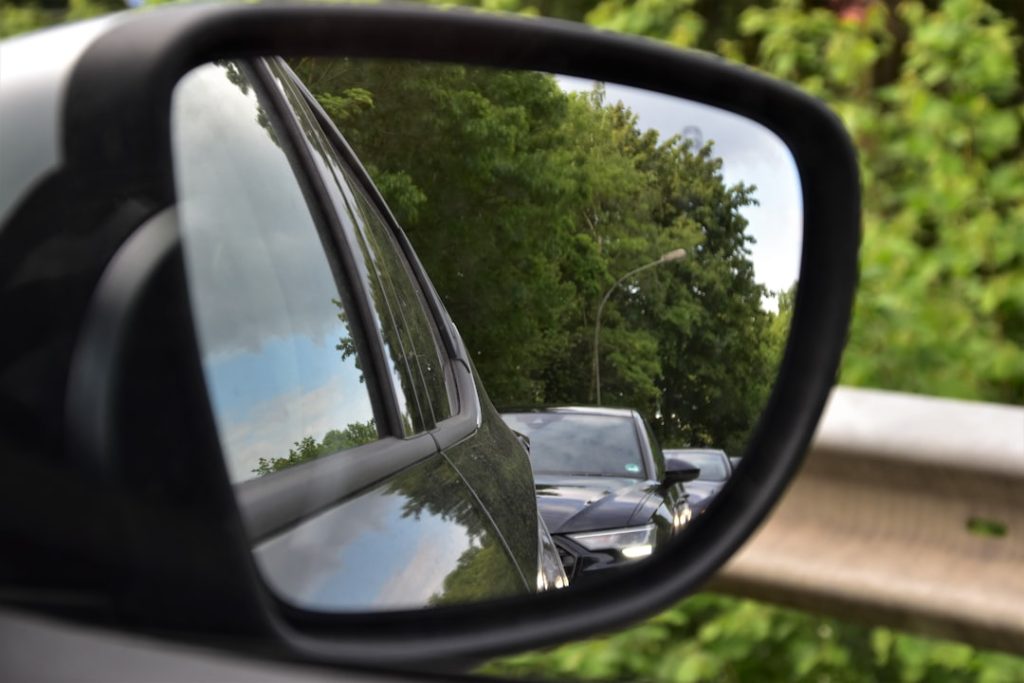
Side mirrors are on the left and right doors. They show the areas beside and behind the car.
They help drivers change lanes safely. Most cars have two side mirrors, one on each side.
Rearview Mirror
The rearview mirror is inside the car, usually at the top center of the windshield. It shows the road behind the car.
This mirror helps drivers see cars coming from the rear. Almost all cars have one rearview mirror.
Additional Mirrors
Some cars have extra mirrors to cover blind spots. These include convex mirrors and towing mirrors.
Convex mirrors are small and round. They show a wider view to reduce blind spots.
- Convex mirrors attach to side mirrors
- Towing mirrors extend outward for trailers
- Spot mirrors improve safety on large vehicles

Credit: www.reddit.com
Legal Mirror Requirements
Mirrors on cars help drivers see areas around the vehicle. Laws require certain mirrors for safety. These rules vary by country or region.
This guide covers legal mirror requirements, including regional regulations, minimum mirror standards, and exceptions.
Regulations By Region
Different regions have their own rules about how many mirrors a car must have. Commonly, at least two mirrors are required.
- United States:Cars must have one rearview mirror and one outside mirror on the driver’s side.
- European Union:Two side mirrors and a rearview mirror inside the car are standard requirements.
- United Kingdom:Drivers need at least two mirrors, with one on each side and one inside.
- Australia:Regulations require a rearview mirror and two side mirrors on most vehicles.
Minimum Mirror Standards
Minimum mirror standards focus on mirror size, position, and type. These standards ensure safe visibility for drivers.
| Mirror Type | Minimum Size | Position |
| Rearview Mirror | 120mm x 40mm | Inside center of windshield |
| Side Mirrors | 150mm x 100mm | Left and right sides outside doors |
Exceptions And Special Cases
Some vehicles and situations have exceptions to the mirror rules. This can depend on vehicle type or local laws.
- Motorcycles often use only two mirrors, one on each handlebar.
- Some older cars may be exempt from having side mirrors on both sides.
- Special vehicles like tractors or construction machines may have different mirror needs.
- Temporary permits can allow fewer mirrors in some cases.
Safety Benefits Of Multiple Mirrors
Cars use mirrors to help drivers see areas around the vehicle. Multiple mirrors make driving safer. They reduce risks by showing different views.
Drivers can avoid accidents with better vision. Knowing how many mirrors are needed helps improve safety on the road.
Blind Spot Reduction
Blind spots are areas not visible in regular mirrors. Using more mirrors helps cover these spots. This stops drivers from missing other vehicles nearby.
Side mirrors and sometimes extra blind spot mirrors work together. They show parts of the road a driver cannot see otherwise.
- Side mirrors cover most side views
- Blind spot mirrors cover hidden areas
- More mirrors mean fewer blind spots
Enhanced Visibility
More mirrors give a wider view around the car. Drivers can see cars, pedestrians, and obstacles more clearly. This helps in busy traffic.
Rearview mirrors show what is behind. Side mirrors show the sides. Together, they create a full picture of the car’s environment.
- Rearview mirror shows the back
- Side mirrors show left and right sides
- Extra mirrors improve the view further
Parking Assistance
Multiple mirrors help drivers park safely. They show spaces and objects near the car. This stops scratches and bumps.
Side mirrors help judge distance from other cars. Rearview mirrors assist in backing up. Extra mirrors give a better angle during tight parking.
- Side mirrors show side clearance
- Rearview mirror helps reverse
- Additional mirrors reduce parking errors
Mirror Placement Tips
Mirrors help drivers see around the car and avoid accidents. Proper mirror placement improves safety on the road.
Knowing how to adjust each mirror lets you cover blind spots and see other vehicles better.
Optimal Side Mirror Angles
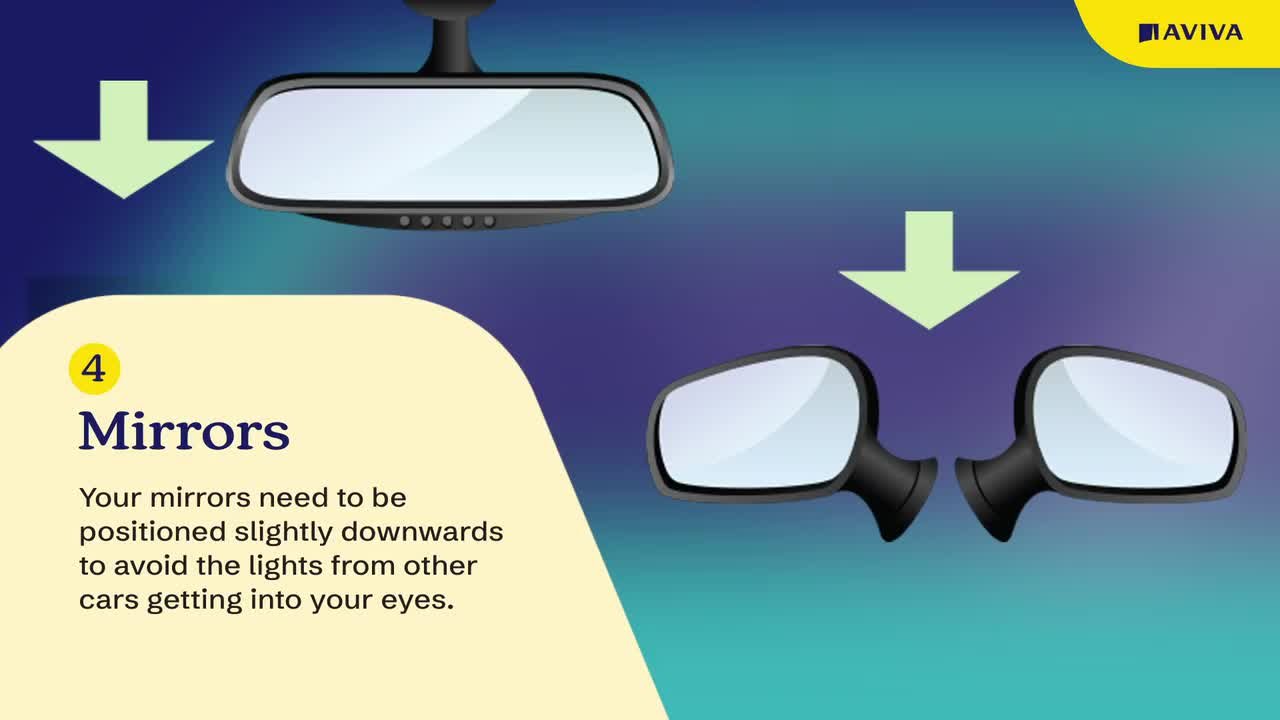
Side mirrors must show the lanes beside your car and reduce blind spots. Adjust them outward enough to see the road but not too far to lose sight of your own car.
- Lean your head to the left and adjust the left mirror so you see the side of your car.
- Lean your head to the right and adjust the right mirror the same way.
- When sitting normally, you should see a small part of your car in each mirror.
- Make small adjustments while driving to reduce blind spots.
Rearview Mirror Positioning
The rearview mirror shows the area behind your car through the back window. It should be centered to give a full view of the rear windshield.
| Mirror Position | Purpose | Adjustment Tip |
| Centered on windshield | Clear rear view | Adjust to see full rear window |
| Night setting (if available) | Reduce glare | Flip the mirror to the night mode |
Using Convex Mirrors
Convex mirrors curve outward and show a wider view. Many side mirrors have a convex section to cover blind spots.
Tips for using convex mirrors:
- Check the mirror’s curved side for wider road coverage.
- Remember objects in convex mirrors look smaller and farther.
- Use them to spot vehicles in your blind spots quickly.
- Adjust the flat mirror area for close-range views.
Aftermarket Mirrors And Upgrades
Car mirrors are important for safety and better driving views. Many drivers choose aftermarket mirrors to improve their vision. These upgrades help cover blind spots and increase the field of view.
Aftermarket mirrors come in different types. Each type serves a specific purpose to make driving easier and safer. Below are some popular mirror upgrades you can consider.
Wide-angle Mirrors
Wide-angle mirrors increase the visible area behind and beside your car. They help drivers see more than standard mirrors allow. These mirrors are often convex, showing a larger view.
- Reduce blind spots
- Make lane changes safer
- Improve parking accuracy
- Easy to install on existing mirrors
Blind Spot Mirrors
Blind spot mirrors are small, additional mirrors fixed on the main side mirrors. They give a quick view of areas not visible in regular mirrors. This helps prevent accidents during lane changes.
| Feature | Benefit |
|---|---|
| Convex shape | Wider field of view |
| Small size | Easy to mount and adjust |
| Cost-effective | Affordable safety upgrade |
| Universal fit | Works on most vehicles |
Smart Mirror Technology
Smart mirrors use cameras and screens to replace or enhance traditional mirrors. They offer clearer views in different lighting and weather conditions. Some models connect to sensors for alerts.
| Smart Mirror Feature | Function |
|---|---|
| Rear-view camera | Shows live video behind the car |
| Blind spot detection | Alerts for vehicles in blind spots |
| Auto-dimming | Reduces glare from headlights |
| Touchscreen controls | Adjusts mirror settings easily |
Impact On Driving Experience
The number of mirrors on a car affects how well a driver sees around them. Mirrors help drivers notice cars, pedestrians, and obstacles. This makes driving safer and easier.
Having the right mirrors improves the driver’s ability to react to changes on the road. It also helps in tight spots like parking or changing lanes.
Improved Awareness
Mirrors give drivers a wider view of their surroundings. Side mirrors show what is beside and behind the car. The rearview mirror shows what is directly behind.
More mirrors mean fewer blind spots. Drivers can see other vehicles and pedestrians faster. This helps avoid surprises on the road.
- Side mirrors cover side lanes
- Rearview mirror shows the back
- Extra mirrors reduce blind spots
Reduced Accidents
Mirrors help drivers spot dangers early. This leads to fewer accidents. Drivers can stop or change direction safely.
Cars with more mirrors reduce the risk of collisions during lane changes and parking. Drivers see obstacles and avoid crashes.
- Early detection of other vehicles
- Better view when backing up
- Clear view when changing lanes
Driver Confidence
Mirrors give drivers confidence on the road. Seeing more around the car makes drivers feel in control. This lowers stress while driving.
When drivers trust their mirrors, they drive more smoothly. Confidence helps with safe decisions and better focus.
Credit: www.aviva.ie
Frequently Asked Questions
How Many Mirrors Are Legally Required On A Car?
Most countries require at least two mirrors: a rearview mirror inside and one side mirror. Some regions mandate both side mirrors for safety. Always check your local laws to ensure compliance with mirror requirements.
Why Are Side Mirrors Important On A Car?
Side mirrors help drivers see blind spots and traffic behind. They improve safety during lane changes and parking. Properly adjusted side mirrors reduce accidents and enhance overall driving awareness.
Can A Car Legally Have Only One Mirror?
In some places, a car can have just one side mirror, usually on the driver’s side. However, many laws require two side mirrors for full visibility. Always verify your local regulations to avoid fines.
What Is The Purpose Of A Rearview Mirror In Cars?
A rearview mirror gives a direct view of the road behind the vehicle. It helps drivers monitor traffic and make safe decisions. This mirror is essential for reversing and lane changes.
Conclusion
Cars need mirrors for safety and better vision. Most cars require at least three mirrors: one inside and two outside. These mirrors help drivers see traffic behind and on the sides. More mirrors can improve visibility but are not always needed.
Always check your local laws about mirror requirements. Proper mirror use reduces accidents and makes driving easier. Keep your mirrors clean and adjusted for best results. Safe driving starts with good vision around your car.