Are you dealing with refrigerant and wondering just how many ounces are in a pound? You’re not alone!
Understanding the conversion between ounces and pounds is crucial, especially when handling refrigerants. Whether you’re a seasoned professional or a curious homeowner, knowing this simple measurement can make a big difference in your tasks. Imagine the confidence and precision you’ll gain once you have this information at your fingertips.
Stick around, as we unravel this mystery and empower you with knowledge that can streamline your work and eliminate any guesswork.
Credit: royalrefrigerants.com
Pound To Ounce Conversion
Understanding how to convert pounds to ounces is essential when handling refrigerants. You might think it’s straightforward, but precision matters a lot in refrigeration work. Knowing the exact amount can prevent costly errors and ensure your system runs efficiently.
Basic Conversion Units
One pound equals 16 ounces. This is a fixed measurement, so no matter what substance you’re dealing with, the conversion stays the same.
| Unit | Equivalent |
|---|---|
| 1 Pound (lb) | 16 Ounces (oz) |
| 0.5 Pound | 8 Ounces |
| 0.25 Pound | 4 Ounces |
Keep a small chart or calculator handy if you often measure refrigerants. It saves time and reduces the chance of mistakes, especially when refilling or diagnosing leaks.
Why It Matters In Refrigeration
Refrigerants must be measured accurately by weight, not volume. Using the pound to ounce conversion helps you track exact amounts during charging or recovery.
Imagine adding too much refrigerant because you didn’t convert units correctly. That can lead to system inefficiency or damage. Have you ever faced issues because of incorrect refrigerant levels? This simple conversion could be the solution you need.
By understanding pounds and ounces clearly, you maintain better control over your refrigeration system’s health. It’s a small step that can make a big difference in performance and safety.

Credit: refrigerants.com
Common Refrigerants And Their Weights
Understanding the weight of common refrigerants is crucial for anyone working with HVAC systems. Each refrigerant has a specific weight per pound, usually measured in ounces, which affects how you handle and charge your system. Knowing these details helps you avoid overcharging or undercharging, ensuring efficiency and safety.
R-22 And Its Measurement
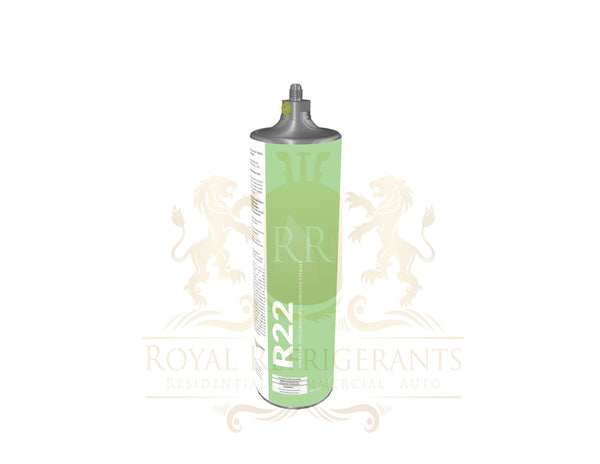
R-22, once the most popular refrigerant for residential air conditioning, weighs exactly 16 ounces per pound. This standard measurement makes it straightforward to calculate how much refrigerant you need. However, with R-22 being phased out due to environmental concerns, handling it requires extra care and precision.
Have you ever wondered why technicians emphasize exact measurements when working with R-22? It’s because even a small deviation can affect system performance and longevity.
R-410a Weight Details
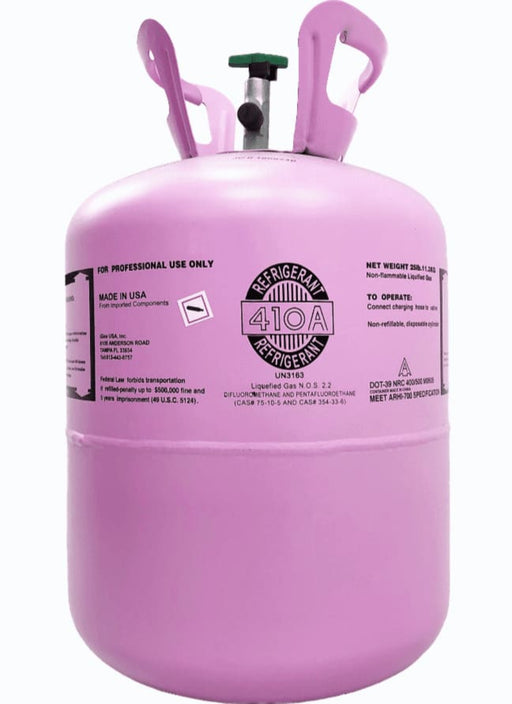
R-410A is a widely used replacement for R-22 and is known for its efficiency and environmental benefits. Like R-22, one pound of R-410A equals 16 ounces. However, its higher operating pressure means you must handle it differently during charging and recovery.
Charging your system with R-410A calls for careful attention to weight and pressure specifications. Do you double-check your scale readings when working with R-410A to avoid costly mistakes?
Other Popular Refrigerants
Besides R-22 and R-410A, several refrigerants are common in various applications, each with its unique weight characteristics:
- R-134a:Used mainly in automotive air conditioning, it also weighs 16 ounces per pound.
- R-407C:A blend used in residential and commercial systems, also measured as 16 ounces per pound.
- R-32:A newer, low-GWP refrigerant gaining popularity, with the same weight measurement standard.
Knowing these weights helps you charge systems accurately, no matter the refrigerant. Have you checked if your tools and scales are calibrated for these specific refrigerants?
Measuring Refrigerant Accurately
Measuring refrigerant accurately is vital for efficient cooling systems. Incorrect amounts can damage equipment or reduce performance. Precise measurement ensures safety and proper system function.
Understanding the right tools and following best practices helps avoid mistakes. This section explains what you need and how to measure refrigerant correctly.
Tools Needed
- Digital refrigerant scale for exact weight measurement
- Manifold gauge set to monitor pressure levels
- Thermometer to check temperature changes
- Refrigerant cylinder with clear markings
- Protective gloves and safety glasses
Best Practices For Measurement
- Always zero the scale before starting
- Use the scale on a flat, stable surface
- Check refrigerant cylinder labels for type and weight
- Weigh refrigerant in a well-ventilated area
- Record the exact ounces added or removed
- Monitor system pressure to avoid overcharging
Importance Of Correct Refrigerant Amount
Using the right amount of refrigerant in your system is crucial. Too much or too little refrigerant can cause serious problems that affect performance and safety. Understanding why the correct refrigerant amount matters will help you maintain your system better and avoid costly repairs.
System Efficiency
Your cooling or heating system depends on precise refrigerant levels to work efficiently. If you add too little refrigerant, the system won’t cool or heat as well, causing it to run longer and waste energy. On the other hand, too much refrigerant can raise pressure inside the system, leading to damage and poor performance.
I once saw a unit running with too little refrigerant that struggled to reach the set temperature. The owner’s energy bills soared because the system kept running nonstop. Ensuring the correct amount can save you money and keep your system running smoothly.
Safety Concerns
Incorrect refrigerant levels don’t just affect efficiency—they can also be dangerous. Overcharging the system increases pressure, which might cause leaks or even bursts. Leaked refrigerant can be harmful to your health and the environment.
Think about this: would you risk a gas leak in your home just because you didn’t check refrigerant levels? Proper charging helps prevent accidents and keeps your family safe. Always follow manufacturer guidelines or consult a professional to handle refrigerants carefully.
Tips For Handling Refrigerants
Handling refrigerants requires care and attention. Proper practices prevent accidents and protect the environment. Following safety tips ensures you manage refrigerants correctly.
Storage Guidelines
Store refrigerants in a cool, dry place. Avoid direct sunlight and heat sources. Keep containers upright and sealed tightly. Use labeled cylinders to identify contents easily. Store away from flammable materials. Ensure good ventilation in storage areas. Check containers regularly for leaks or damage. Follow local laws for refrigerant storage.
Environmental Considerations
Refrigerants can harm the environment if released. Avoid venting refrigerants into the air. Use recovery machines to capture refrigerants safely. Dispose of old refrigerants through certified programs. Follow regulations for recycling and disposal. Reduce refrigerant leaks by maintaining equipment well. Protect the ozone layer and reduce greenhouse gases. Be aware of the global impact of refrigerants.

Credit: www.amazon.com
Frequently Asked Questions
How Many Ounces Are In One Pound Of Refrigerant?
There are 16 ounces in one pound of refrigerant. This is a standard measurement used for refrigerants and other substances in the US customary system. Knowing this helps in accurate refrigerant charging and system maintenance.
Why Is Knowing Refrigerant Ounces Important?
Knowing refrigerant ounces ensures precise system charging and optimal performance. It helps prevent overcharging or undercharging, which can damage the system or reduce efficiency.
Can Refrigerant Weight Differ By Type?
No, the weight conversion of ounces to pounds is constant. However, refrigerants differ in properties and volume, not in weight measurements.
How To Measure Refrigerant Weight Accurately?
Use a calibrated refrigerant scale for precise measurement. This ensures the correct amount is added or removed during servicing.
Conclusion
A pound of refrigerant contains 16 ounces. This simple fact helps in measuring and handling refrigerants correctly. Knowing the amount in ounces avoids mistakes during repairs or refills. Always check labels carefully to ensure the right quantity. Understanding this basic conversion saves time and prevents damage.
Keep this information handy for easy reference in your HVAC work. Clear measurements lead to better results and safer handling.