Have you ever wondered how much refrigerant is needed for your air conditioning system? Understanding this can be crucial for maintaining efficiency and keeping your home comfortable.
When it comes to refrigerants, the common measurement used is pounds per ton. But what does that really mean for you? You’re not alone in your curiosity. Many homeowners and business operators are asking the same question: “How many pounds of refrigerant per ton does my system require?
” Knowing the answer can save you money, extend the life of your equipment, and ensure you’re getting the best performance possible. Keep reading to uncover the simple formula that can help you make informed decisions about your cooling needs.
Refrigerant Basics
Understanding refrigerant basics is key if you want to grasp how HVAC systems cool your space efficiently. Refrigerants are the lifeblood of air conditioners and heat pumps. Without the right type and amount, your system won’t perform at its best, and you could face costly repairs.
Types Of Refrigerants
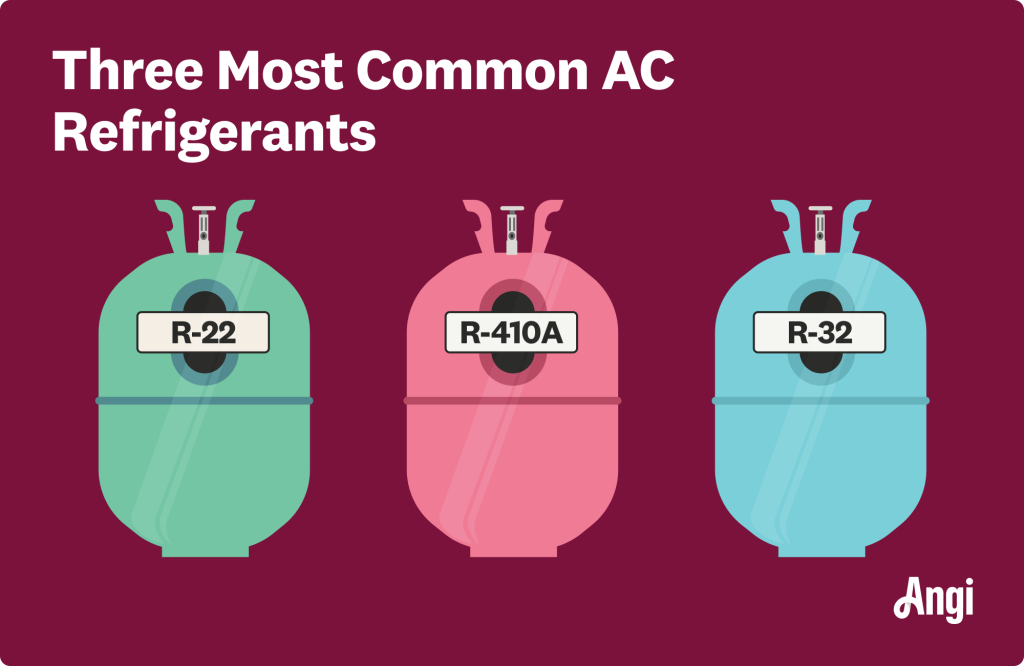
Refrigerants come in various types, each with its own properties and environmental impact. Here are some common ones you might encounter:
- R-22:Once popular but now being phased out due to ozone depletion concerns.
- R-410A:A widely used, more environmentally friendly alternative to R-22.
- R-134a:Common in automotive and small appliance cooling.
- R-32:Gaining popularity for its efficiency and lower global warming potential.
Choosing the correct refrigerant is crucial, as different types require different handling and charging methods.
Role In Hvac Systems
Refrigerants absorb heat from your indoor air and release it outside, enabling your space to cool down. They cycle through the system in a loop, changing from liquid to gas and back again.
Have you ever wondered why your air conditioner needs a specific amount of refrigerant per ton? It’s because the refrigerant’s weight determines how efficiently it can transfer heat.
Too little refrigerant and your system struggles to cool; too much and you risk damaging components. Getting the correct pounds of refrigerant per ton ensures your HVAC system runs smoothly and saves energy.

Credit: atlasacrepair.com
Tonnage In Hvac
Tonnage is a key term in HVAC that often confuses homeowners and even some technicians. It refers to the cooling capacity of an air conditioning system, not its weight. Understanding tonnage helps you grasp how much refrigerant your system might need and how efficiently it will cool your space.
What Is A Ton Of Cooling?
A ton of cooling equals the amount of heat needed to melt one ton (2,000 pounds) of ice in 24 hours.
This translates to 12,000 BTUs (British Thermal Units) per hour, which measures the system’s ability to remove heat.
So, when you hear a 3-ton AC, it means the unit can remove 36,000 BTUs of heat every hour.
Calculating Cooling Capacity
To find the cooling capacity, multiply the tonnage by 12,000 BTUs.
- 1 ton = 12,000 BTUs
- 2 tons = 24,000 BTUs
- 3 tons = 36,000 BTUs
Knowing this helps you estimate how much refrigerant your system requires because refrigerant charge depends on the system’s size and cooling load.
Have you ever wondered why an oversized AC doesn’t cool better? It’s because it cools too fast and cycles off, leading to inefficiency.
Refrigerant Amount Per Ton
The refrigerant amount per ton is a key factor in HVAC systems. It determines the system’s cooling efficiency. Knowing the right amount helps avoid overcharging or undercharging.
Proper refrigerant charge improves system performance and saves energy. It also extends the equipment’s life by reducing wear and tear.
Standard Pounds Of Refrigerant
Typically, one ton of cooling requires about 2 to 3 pounds of refrigerant. This range varies depending on the system type and design.
Most residential air conditioners use approximately 2 pounds per ton. Larger commercial systems might need up to 3 pounds per ton.
- 1 ton = 12,000 BTU/hour cooling capacity
- Standard refrigerant charge ranges from 2 to 3 pounds per ton
- Exact amount depends on system size and type
Factors Affecting Refrigerant Charge
Several factors influence how much refrigerant a system needs. These include pipe length, system design, and operating conditions.
- Longer refrigerant lines require extra refrigerant
- System leaks reduce refrigerant amount over time
- Ambient temperature affects system pressure and charge
- Equipment age and maintenance impact refrigerant levels
Technicians use gauges and measurements to adjust refrigerant precisely. This ensures optimal cooling and system efficiency.

Credit: www.achrnews.com
Measuring Refrigerant Charge
Measuring refrigerant charge is vital for HVAC systems to work efficiently. The right amount of refrigerant keeps the system cool and prevents damage. Too much or too little refrigerant causes problems and wastes energy. Accurate measurement helps maintain system health and comfort.
Tools And Techniques
Technicians use specific tools to measure refrigerant charge accurately. Common tools include:
- Manifold gauges to check pressure levels
- Thermometers to measure temperature differences
- Electronic leak detectors for spotting leaks
- Weighing scales to add or remove refrigerant precisely
Techniques vary but often involve comparing pressure and temperature readings. This helps determine if the refrigerant level matches the tonnage requirements. Proper training ensures correct use of these tools and methods.
Signs Of Incorrect Charge
Incorrect refrigerant charge shows clear signs. Watch for these issues:
- Poor cooling performance or uneven temperatures
- High energy bills due to system strain
- Ice buildup on coils or refrigerant lines
- Frequent cycling on and off of the system
- Unusual noises or compressor overheating
Spotting these signs early avoids costly repairs. Regular checks keep systems running smoothly and efficiently.
Impact Of Improper Refrigerant Levels
Improper refrigerant levels can create a ripple effect on your HVAC system. Too much or too little refrigerant doesn’t just affect cooling—it impacts your entire system’s health. Understanding these effects can help you avoid costly repairs and high energy bills.
Energy Efficiency
When your system has the wrong amount of refrigerant, it struggles to maintain the right temperature. This forces the compressor to work harder and longer, increasing energy consumption. Have you noticed your electricity bill rising without a clear reason? Incorrect refrigerant levels might be the culprit.
Too little refrigerant causes your system to run inefficiently, wasting energy and money. On the other hand, overcharging can lead to higher pressure and mechanical strain, which also reduces efficiency. Regularly checking refrigerant levels can save you significant energy costs.
System Performance And Lifespan
Your HVAC system depends on balanced refrigerant levels to operate smoothly. Low refrigerant can cause the evaporator coil to freeze, leading to poor cooling and potential damage. Over time, this strain shortens the lifespan of critical components like the compressor.
I once saw a system fail after months of running with low refrigerant. The owner ignored early warning signs, resulting in a costly compressor replacement. Taking action early can prevent such breakdowns and extend your system’s life.
Are you monitoring your system’s performance closely? Small adjustments in refrigerant levels can keep your HVAC running longer and more reliably.
Environmental Considerations
Understanding environmental considerations is vital when discussing refrigerant pounds per ton. Refrigerants impact the atmosphere and climate. Choosing the right refrigerant and following rules helps reduce harm. Efficient use and proper disposal protect the environment.
Refrigerant Regulations
Governments set rules to control refrigerant use and emissions. These regulations aim to lower greenhouse gases. Many countries phase out harmful refrigerants with high ozone depletion potential. Rules often require safe handling, recycling, and leak repairs. Compliance avoids fines and supports a cleaner environment.
Eco-friendly Alternatives
Eco-friendly refrigerants offer lower global warming potential (GWP). Common alternatives include hydrofluoroolefins (HFOs) and natural refrigerants like propane and CO2. These options reduce environmental damage. They also help meet strict regulations worldwide. Switching to eco-friendly refrigerants is a step toward sustainability.
Tips For Hvac Professionals
HVAC professionals must handle refrigerant charging with care. Proper refrigerant amounts affect system efficiency and lifespan. Small errors can cause big problems in cooling and energy use.
Understanding how many pounds of refrigerant per ton is key. Accurate charging improves performance and avoids costly repairs. Following best practices helps technicians deliver reliable service every time.
Best Practices For Charging
- Always check the manufacturer’s specifications for refrigerant amount.
- Use precise scales to measure refrigerant during charging.
- Charge the system in controlled steps to avoid overcharging.
- Monitor system pressures and temperatures during the process.
- Use the correct type of refrigerant recommended for the unit.
- Ensure all connections are tight to prevent leaks.
- Document the refrigerant charge for future reference.
Troubleshooting Common Issues
- Check for refrigerant leaks if cooling is weak.
- Verify correct refrigerant weight if pressure readings are off.
- Inspect expansion valves and filters for blockages.
- Clean coils to improve heat exchange efficiency.
- Use gauges to compare actual pressures to ideal ranges.
- Replace faulty sensors that give wrong temperature readings.
- Perform regular maintenance to catch issues early.

Credit: www.frioflor.com
Frequently Asked Questions
How Many Pounds Of Refrigerant Per Ton Is Standard?
Typically, one ton of cooling requires about 2 to 4 pounds of refrigerant. The exact amount depends on the system type and design. Proper refrigerant charge ensures efficient cooling and system longevity.
Why Is Refrigerant Charge Important For Hvac Systems?
Correct refrigerant charge prevents system inefficiency and damage. Overcharging or undercharging can cause poor cooling, higher energy costs, and compressor failure. Proper charge extends system life and improves performance.
Can Refrigerant Amounts Vary By System Type?
Yes, refrigerant needs vary based on system size and type. Split systems, packaged units, and heat pumps all have different refrigerant requirements per ton. Always consult manufacturer specs for accurate charging.
What Happens If Refrigerant Is Undercharged?
Undercharging leads to reduced cooling capacity and increased energy use. It may cause the compressor to overheat and fail prematurely. Maintaining correct refrigerant levels ensures optimal system operation.
Conclusion
Knowing the pounds of refrigerant per ton helps maintain HVAC systems well. Proper refrigerant levels keep cooling efficient and save energy. Too much or too little can cause problems. Checking amounts regularly prevents costly repairs. Always follow manufacturer guidelines for best results.
This simple step improves system life and comfort. Keep your cooling system running smoothly with the right refrigerant charge. Simple care makes a big difference.