Are you wondering how many SEER air conditioners you really need to keep your home cool and comfortable? Choosing the right number can save you money, boost energy efficiency, and make your space just right.
But it’s not always easy to figure out what works best for your unique needs. You’ll discover simple tips and clear answers to help you make the smartest choice. Keep reading, and you’ll know exactly how to pick the perfect SEER air conditioner setup for your home.
What Seer Means
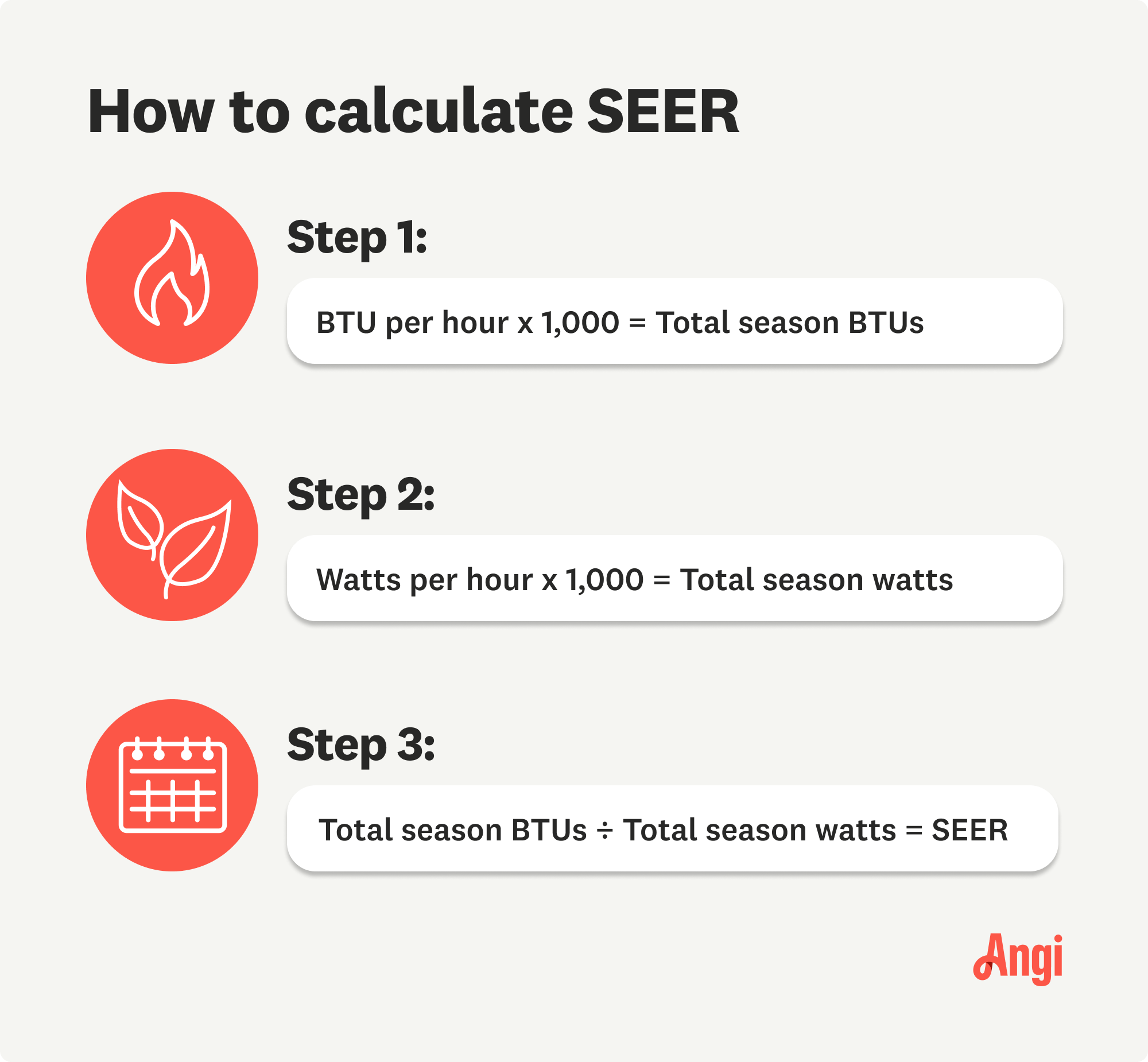
SEER stands for Seasonal Energy Efficiency Ratio. It measures how well an air conditioner cools your home. A higher SEER means better efficiency.
This rating helps you understand energy use and costs for your cooling system. Choosing the right SEER can save money on electricity.
Seer And Energy Efficiency
SEER shows how much cooling you get for each unit of energy used. The higher the SEER number, the less energy the unit uses. This means lower utility bills and less environmental impact.
- SEER ratings usually range from 13 to 21.
- Higher SEER units cost more upfront but save money over time.
- Energy-efficient ACs help reduce greenhouse gas emissions.
- Local climate can affect the best SEER rating for your home.
How Seer Affects Cooling Performance
SEER impacts how well your air conditioner cools your space and how much power it uses. Higher SEER units often have advanced features like variable speed fans.
| SEER Rating | Energy Use | Cooling Comfort |
| 13-15 | Standard energy use | Basic cooling |
| 16-18 | Lower energy use | Improved cooling control |
| 19-21 | Lowest energy use | Best cooling comfort and quiet operation |

Credit: thefurnaceoutlet.com
Factors Influencing Ac Size
Choosing the right SEER air conditioner size is important for comfort and efficiency. Several factors affect how big your AC should be.
Understanding these factors helps you avoid buying a unit that is too small or too large.
Room Size And Layout
The size of the room is the main factor for AC size. Bigger rooms need more cooling power to stay comfortable.
The shape and layout also matter. Open spaces cool differently than rooms with many walls or corners.
- Measure the room’s square footage to estimate cooling needs
- Large open areas may need more capacity than small closed rooms
- High ceilings increase the volume of air to cool
Climate And Weather Considerations
Your local climate impacts the AC size you need. Hotter places require bigger units to handle heat well.
Areas with high humidity also demand more cooling power to remove moisture from the air.
- Hot climates need higher capacity AC units
- Humid areas require ACs with good dehumidifying ability
- Mild climates may allow smaller or less powerful units
Insulation And Window Quality
Good insulation keeps your home cooler and lowers AC size needs. Poor insulation lets heat in.
Windows affect cooling too. Double-pane or tinted windows reduce heat gain inside rooms.
- Well-insulated walls reduce cooling load
- High-quality windows block heat better
- Older homes with poor insulation may need larger AC units
Calculating Your Cooling Needs
Choosing the right air conditioner depends on understanding your cooling needs. You must know how much cooling power your space requires.
This guide explains how to calculate the size of the air conditioner you need based on BTU and SEER ratings, cooling capacity, and online tools.
Btu And Seer Relationship
BTU stands for British Thermal Unit and measures cooling power. SEER means Seasonal Energy Efficiency Ratio and shows energy efficiency.
A higher BTU means more cooling. A higher SEER means less energy used. Both numbers help you pick the right air conditioner size.
Estimating Required Cooling Capacity
Estimate the cooling capacity based on your room size and other factors. This ensures your air conditioner cools well without wasting energy.
- Measure the room’s square footage (length × width).
- Consider ceiling height and insulation quality.
- Account for sunlight exposure during the day.
- Include the number of people usually in the room.
- Factor in heat from appliances and electronics.
Using Online Calculators
Online calculators help you quickly find the right cooling size. Enter your room details to get instant results.
| Input | Example |
| Room Length | 15 feet |
| Room Width | 12 feet |
| Ceiling Height | 8 feet |
| Sunlight Exposure | Moderate |
| Number of Occupants | 3 |
| Electronics | 1 TV, 1 computer |
Choosing The Right Seer Rating
Choosing the right SEER rating for your air conditioner helps save energy and money. SEER stands for Seasonal Energy Efficiency Ratio.
A higher SEER means the unit cools more efficiently. It uses less power to keep your home comfortable.
Balancing Cost And Efficiency
Higher SEER units cost more at first. But they lower energy bills over time. Finding the right balance depends on your budget and usage.
- Lower SEER units have a smaller upfront cost.
- Higher SEER units save more on electricity bills.
- Your climate affects how much you save.
- Consider how long you plan to keep the air conditioner.
High Seer Vs. Standard Models
Standard air conditioners have SEER ratings around 13 to 14. High SEER models start at 16 and can go above 20.
| Type | Typical SEER Range | Initial Cost | Energy Savings |
| Standard Model | 13–14 | Lower | Moderate |
| High SEER Model | 16–22+ | Higher | Greater |
Long-term Energy Savings
Higher SEER air conditioners save more energy over their lifetime. This reduces your monthly electricity bills.
Consider these factors for long-term savings:
- How many hours per day you use the AC
- Your local electricity rates
- The climate where you live
- Proper maintenance of the unit
Common Mistakes When Selecting Ac
Choosing the right SEER air conditioner is important for comfort and energy savings. Many people make mistakes that cause problems later.
Understanding common errors can help you pick the right unit. This saves money and keeps your home cool.
Oversizing And Undersizing Issues
Picking an AC that is too big or too small can cause trouble. An oversized unit cools fast but wastes energy and makes the room damp.
An undersized AC runs all the time and cannot cool the space properly. This wears out the system faster.
- Oversized AC uses more electricity and costs more to run
- Undersized AC does not keep rooms comfortable
- Both sizes reduce the lifespan of the unit
Ignoring Climate Factors
The local climate affects the SEER rating and AC size you need. Hot, dry places need different cooling than humid areas.
Ignoring climate can lead to poor performance and higher bills. Choose a unit that fits the weather in your area.
- Hot climates may need higher SEER for efficiency
- Humid climates need good dehumidification features
- Consider seasonal temperature changes when choosing AC
Neglecting Maintenance Needs
Many forget to think about how easy it is to maintain the AC. Proper maintenance keeps the system running well and lasts longer.
Choosing a unit that is hard to clean or service can cause more problems. Look for models with accessible filters and parts.
- Regular filter changes improve air quality
- Easy access to parts reduces service time
- Maintenance affects energy use and cooling power
Credit: thefurnaceoutlet.com
Tips For Optimal Cooling
Choosing the right SEER air conditioner size helps you stay cool efficiently. Using the correct unit saves energy and money.
Here are tips to keep your air conditioner working well and cool your home better.
Regular Maintenance Practices
Check and clean your AC filters every month. Dirty filters reduce airflow and cooling power.
Schedule yearly professional tune-ups. Technicians can spot problems early and fix them.
- Clean or replace air filters regularly
- Keep outdoor unit free from leaves and dirt
- Check refrigerant levels and recharge if needed
- Inspect and clean evaporator and condenser coils
Using Smart Thermostats
Smart thermostats control your air conditioner with accuracy. They adjust temperatures based on your schedule.
This helps save energy by cooling only when needed. You can also control them remotely from your phone.
- Set temperature schedules for different times
- Use remote control via smartphone apps
- Monitor energy use and adjust settings
- Receive alerts for filter changes or maintenance
Enhancing Airflow And Ventilation
Good airflow helps your air conditioner cool rooms faster. Keep vents and registers open and clear.
Use fans to move cool air through your home. Proper ventilation removes hot air and brings in fresh air.
- Keep furniture away from vents
- Use ceiling or portable fans
- Open windows during cooler parts of the day
- Seal leaks around doors and windows to keep cool air in
Credit: www.angi.com
Frequently Asked Questions
What Does Seer Rating Mean In Air Conditioners?
SEER stands for Seasonal Energy Efficiency Ratio. It measures an AC unit’s cooling efficiency over a season. Higher SEER means better energy savings and lower electricity bills. Choosing the right SEER rating depends on climate and usage patterns.
How To Calculate Seer Air Conditioner Size Needed?
Calculate needed BTUs based on room size and climate. Then select an AC with a SEER rating that balances efficiency and capacity. Proper sizing ensures effective cooling and energy savings without overspending.
Why Is Seer Important For Air Conditioner Efficiency?
SEER reflects the energy efficiency of an air conditioner. Higher SEER units use less electricity to cool the same space. This reduces your energy bills and environmental impact. Always choose the highest SEER within your budget.
Can I Use Multiple Seer Ac Units For One Room?
Using multiple AC units can help cool large spaces evenly. However, it may increase installation and maintenance costs. It’s best to consult a professional for optimal SEER unit combinations and placement.
Conclusion
Choosing the right SEER rating saves energy and money. A higher SEER means more efficiency. Check your home’s size and climate. This helps decide the best SEER. Consult a professional for accurate advice. They can assess your needs. With the right choice, enjoy comfort all year.
Don’t overlook maintenance. It keeps the unit running efficiently. Also, consider future energy needs. A well-chosen air conditioner offers long-term benefits. Stay cool and comfortable with the right SEER.