Are you wondering if a 12,000 BTU air conditioner can keep your space cool and comfortable? Knowing how many square feet this unit can effectively cool is key to making the right choice for your home or office.
Choosing the wrong size can leave you sweating or wasting energy—and money. You’ll discover exactly how much space a 12,000 BTU air conditioner can handle, so you can stay cool without overspending. Keep reading to find the perfect fit for your cooling needs!

Credit: www.aosom.ca
Btu And Cooling Capacity
BTU stands for British Thermal Unit. It measures how much heat an air conditioner can remove from a room.
Knowing the right BTU helps pick an air conditioner that cools your space well.
What Btu Means
BTU shows the cooling power of an air conditioner. One BTU cools one pound of water by one degree Fahrenheit.
The higher the BTU number, the bigger the space the AC can cool.
Btu And Room Size
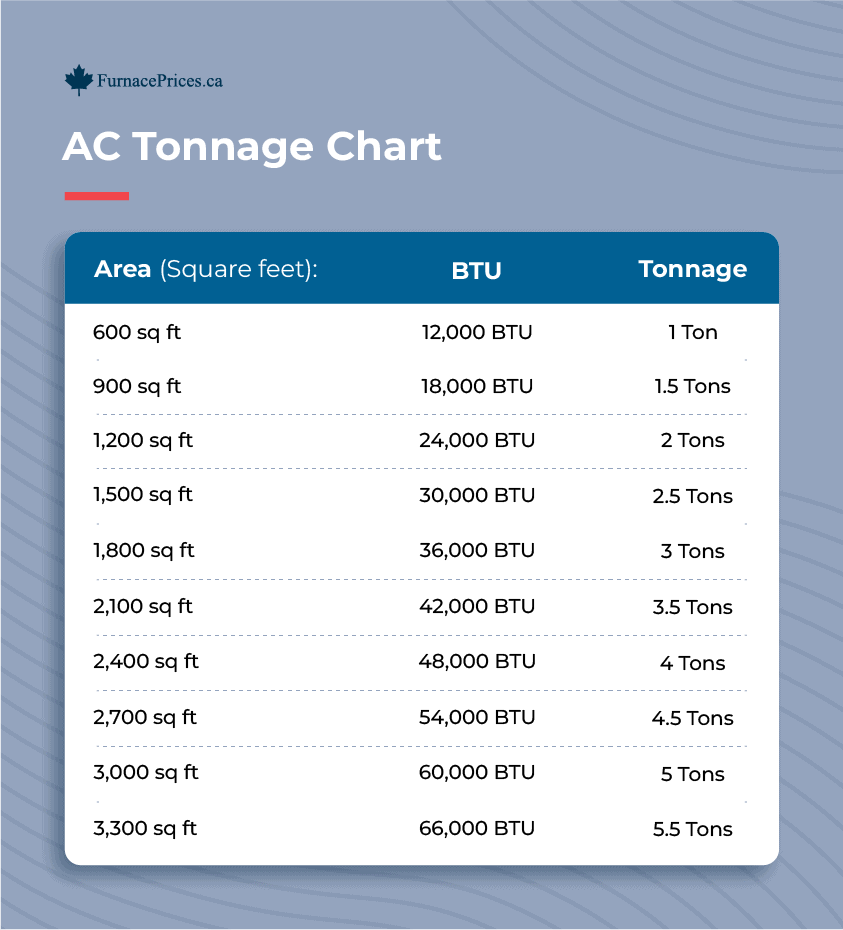
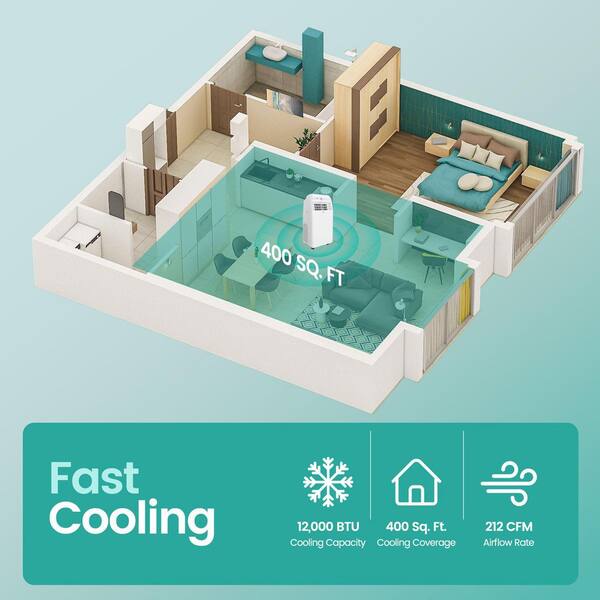
A 12,000 BTU air conditioner usually cools rooms from 450 to 550 square feet.
Room size is key to picking the right BTU. Too low BTU means poor cooling. Too high wastes energy.
- Small rooms (up to 300 sq ft): 6,000 to 8,000 BTU
- Medium rooms (300-550 sq ft): 10,000 to 12,000 BTU
- Large rooms (550-800 sq ft): 14,000 to 18,000 BTU
Factors Affecting Cooling
Several things change how well a 12,000 BTU AC cools a room. These include room height, sunlight, and insulation.
- High ceilings need more cooling power
- Rooms with many windows get hotter
- Poor insulation lets cool air escape
- Many people or electronics add heat
Square Footage For 12000 Btu
A 12000 BTU air conditioner cools a certain area well. Knowing the right square footage helps you pick the best unit.
This guide explains how much space a 12000 BTU AC can cool. It also covers room size, ceiling height, and insulation effects.
Ideal Room Size
A 12000 BTU air conditioner works best in rooms about 450 to 550 square feet. This size gives the unit enough space to cool efficiently.
- Small living rooms
- Bedrooms
- Offices
- Studios
Adjusting For Ceiling Height
Taller ceilings need more cooling power. Higher ceilings mean more air volume in the room.
| Ceiling Height | Adjust Cooling Area |
|---|---|
| 8 feet | Standard coverage (450-550 sq ft) |
| 9-10 feet | Reduce coverage by 10-15% |
| Above 10 feet | Reduce coverage by 20% or more |
Impact Of Insulation
Good insulation keeps cool air inside and heat outside. Poor insulation makes the AC work harder.
- Well-insulated rooms: AC covers full 450-550 sq ft
- Average insulation: AC covers about 400-500 sq ft
- Poor insulation: AC covers less than 400 sq ft
Room Conditions And Cooling Efficiency
A 12000 BTU air conditioner can cool a certain number of square feet. The exact size depends on room conditions and how well the unit works.
Understanding factors like sunlight, people, and appliances helps find the right cooling area. These affect how much cooling power is needed.
Sunlight Exposure
Rooms that get a lot of sunlight need more cooling. Sunlight heats the room, making the air conditioner work harder.
Shaded rooms or those with curtains stay cooler. They allow the air conditioner to cool a larger area effectively.
- Rooms facing south or west get more sun
- Windows without shades increase heat
- Using curtains lowers cooling needs
Number Of Occupants
More people in a room raise the temperature. Each person gives off body heat, adding to the cooling load.
Rooms with many occupants need a stronger air conditioner or smaller space to cool well.
- One person adds about 100 BTUs of heat
- More people increase cooling demands
- Consider occupant count when sizing the AC
Heat-generating Appliances
Appliances like computers and ovens produce heat. This heat makes the room warmer and harder to cool.
Rooms with many appliances need more cooling power or smaller areas for 12000 BTU units.
- Kitchen appliances add high heat levels
- Electronics like TVs and computers add moderate heat
- Turn off unused appliances to reduce heat
Credit: www.furnaceprices.ca
Choosing The Right Air Conditioner
Choosing the right air conditioner is important for your comfort and energy bills. A 12,000 BTU air conditioner can cool a specific area efficiently.
Understanding different types, energy ratings, and features helps you pick the best unit for your space.
Types Of Ac Units
There are several types of air conditioners. Each type works best in different spaces and conditions.
- Window AC: Fits in a window and cools one room.
- Split AC: Has two parts, one inside and one outside the house.
- Portable AC: Can be moved from room to room.
- Central AC: Cools the whole house through ducts.
Energy Efficiency Ratings
Energy efficiency is key to saving money and reducing power use. Look for ratings like SEER and EER.
| Rating | Meaning | Why It Matters |
| SEER | Seasonal Energy Efficiency Ratio | Measures cooling over a season |
| EER | Energy Efficiency Ratio | Measures cooling at peak conditions |
| Energy Star | Certification | Shows high efficiency and savings |
Additional Features
Extra features can add comfort and ease of use to your AC unit.
- Remote control for easy operation
- Timer settings to save energy
- Air filters for cleaner air
- Sleep mode for quieter cooling
Maintenance Tips For Optimal Cooling
Keeping your 12000 BTU air conditioner well-maintained helps it cool your space effectively. Proper care extends the unit’s life and saves energy.
Follow simple maintenance steps to keep your air conditioner running smoothly. These steps include cleaning, servicing, and correct installation.
Cleaning Filters
Dirty filters block airflow and reduce cooling power. Clean your air filter every month during heavy use.
- Turn off the unit before cleaning
- Remove the filter carefully
- Wash with warm water and mild soap
- Let the filter dry completely before reinstalling
- Replace the filter if it is damaged or very dirty
Regular Servicing
Regular servicing keeps your air conditioner efficient and prevents breakdowns. Schedule professional checks every year.
| Service Task | Frequency |
| Check refrigerant levels | Annually |
| Clean coils and fins | Annually |
| Inspect electrical connections | Annually |
| Test thermostat accuracy | Annually |
Proper Installation
Correct installation ensures your air conditioner cools the right area. Improper setup lowers performance and wastes energy.
- Install the unit in a shaded spot away from direct sunlight
- Ensure the indoor unit is positioned high on the wall for better air flow
- Keep space around the outdoor unit clear for ventilation
- Use proper insulation on pipes to avoid energy loss
- Hire a qualified technician for installation
Credit: www.homedepot.com
Frequently Asked Questions
How Many Square Feet Does A 12000 Btu Ac Cool?
A 12000 BTU air conditioner typically cools an area of 450 to 550 square feet. This depends on factors like room insulation, ceiling height, and sunlight exposure. It’s ideal for medium-sized rooms such as living rooms or large bedrooms.
Can A 12000 Btu Ac Cool A 600 Sq Ft Room?
A 12000 BTU AC might struggle to cool a 600 sq ft room efficiently. It could work if the room has excellent insulation and minimal sunlight, but for optimal cooling, a higher BTU unit is recommended for spaces larger than 550 sq ft.
What Factors Affect Cooling Area Of 12000 Btu Ac?
Cooling area depends on insulation quality, room height, windows, and sunlight. Poor insulation or high ceilings reduce efficiency. Proper shading and airflow improve cooling. These factors can make the 12000 BTU unit suitable for slightly larger or smaller spaces.
Is 12000 Btu Ac Energy Efficient For 500 Sq Ft?
Yes, a 12000 BTU AC is energy efficient for around 500 sq ft. It cools the area without overworking, which saves energy. Choosing the right size prevents high electricity bills and ensures consistent comfort in medium-sized rooms.
Conclusion
Choosing the right air conditioner size is crucial for comfort. A 12000 BTU unit typically cools 400-600 square feet. Consider room size and layout. Insulation affects cooling efficiency too. Windows, doors, and sun exposure matter. Always check product specifications. Proper installation ensures optimal performance.
Regular maintenance extends unit life. Clean filters regularly. This helps efficiency. Happy cooling!