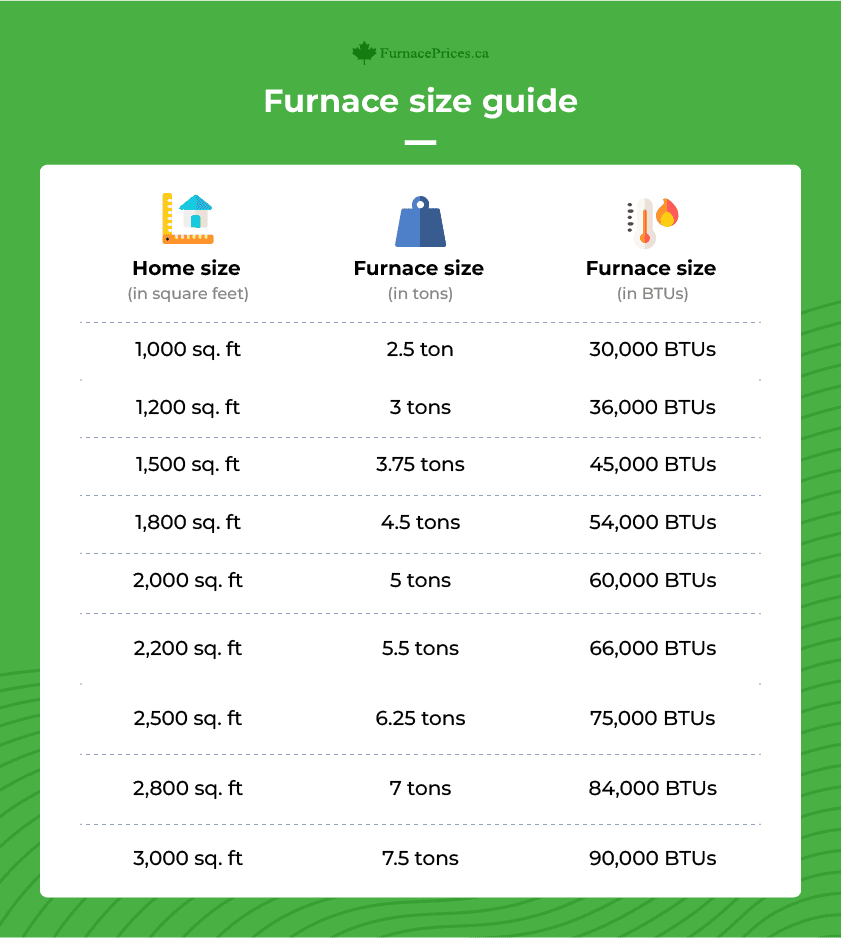
Choosing the right air conditioner for your 2000 square feet space can feel confusing. You want to stay cool without wasting energy or money.
But how many tons of cooling power do you really need? Picking the wrong size can make your home uncomfortable or spike your electricity bills. You’ll discover exactly what size air conditioner fits your space perfectly. By the end, you’ll feel confident making the best choice for your comfort and budget.
Keep reading to find out how to get it just right.
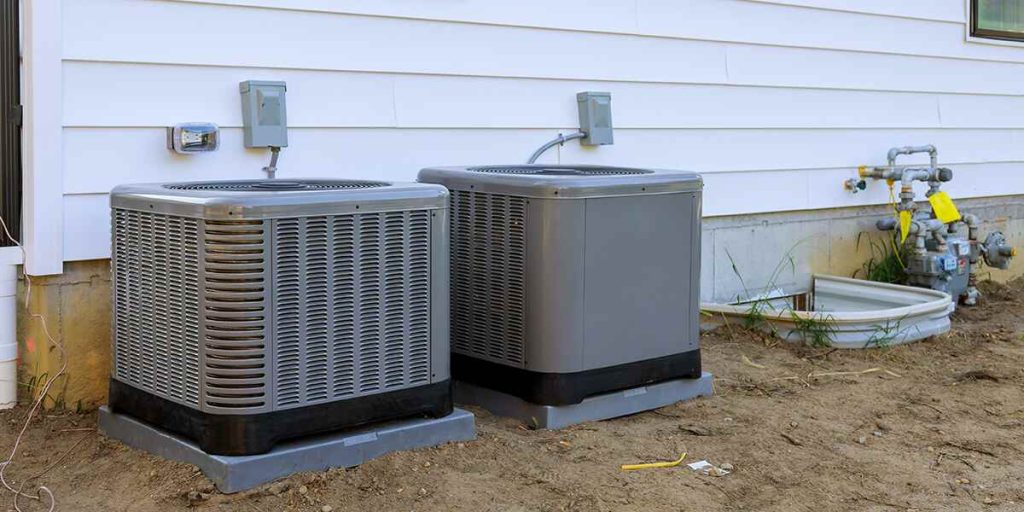
Credit: coolbydesignfl.com
Factors Affecting Ac Size
Choosing the right size air conditioner for a 2000 square feet space is important. Many factors affect the size needed to cool your home well.
Understanding these factors helps you pick an AC that works efficiently without wasting energy.
Room Insulation
Good insulation keeps the cold air inside and heat outside. Poor insulation makes your AC work harder.
If your walls, windows, and doors are well insulated, you may need a smaller AC unit.
Sunlight Exposure
Rooms with many windows or direct sunlight get hotter during the day. This increases cooling needs.
Shaded rooms or those with fewer windows usually need less cooling power.
- South and west-facing rooms get more sun
- Window size affects heat gain
- Using curtains can reduce sunlight impact
Ceiling Height
Taller ceilings mean more air volume to cool. This raises the size of AC needed.
Standard ceiling height is 8 feet. Higher ceilings may require a bigger AC unit.
Occupancy And Heat Sources
More people in a room add body heat. Appliances and lights also produce heat.
This extra heat means you need a larger AC to keep the space cool.
- Each person adds heat load
- Kitchen and electronics increase cooling needs
- Lights add small but noticeable heat

Credit: northnjhvac.com
Calculating Cooling Load
Choosing the right air conditioner size is important for comfort. Cooling load means how much cooling your home needs.
Several factors affect the cooling load. These include your home’s size, the climate, and heat from appliances.
Square Footage And Btu Requirements
The size of your home helps find the needed cooling power. BTU stands for British Thermal Unit. It measures cooling capacity.
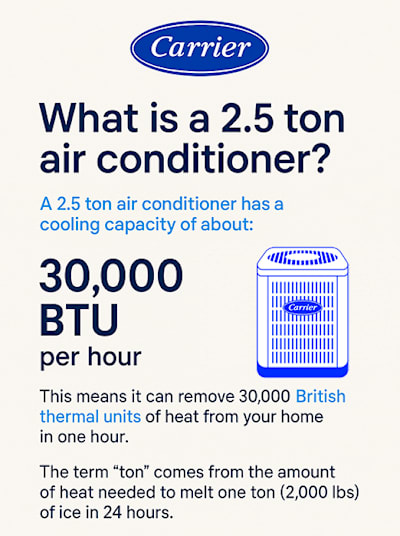
- One ton of air conditioner equals 12,000 BTUs.
- On average, you need about 20 BTUs per square foot.
- For 2000 square feet, multiply 2000 by 20 BTUs.
- This gives 40,000 BTUs or about 3.3 tons.
Adjusting For Climate
The local climate changes the cooling needs. Hotter places require more cooling power than cooler ones.
| Climate Type | BTU Adjustment |
| Cool | -10% |
| Moderate | 0% |
| Hot | +10% to +20% |
Considering Appliance Heat Output
Appliances add heat to your home. This heat makes the air conditioner work harder.
- Refrigerator: 600 BTUs per hour
- Oven: 3000 BTUs per hour
- Lighting: 1000 BTUs per hour
Add the heat output from these appliances to the total BTU needed.
Tonnage Requirements For 2000 Sq Ft
Choosing the right air conditioner size is important for 2000 square feet. A proper tonnage keeps your home cool without wasting energy.
This guide explains how many tons you need and what to consider when selecting an air conditioner.
Standard Recommendations
For a 2000 sq ft home, the general rule is to have 1 ton of cooling for every 400 to 600 square feet. This means you need about 3.5 to 5 tons of air conditioning.
- 3.5 tons for a well-insulated home
- 4 tons for average insulation
- 5 tons for poor insulation or hot climates
Energy Efficiency Considerations
Energy efficiency affects your electricity bills and comfort. Look for air conditioners with a high SEER rating. SEER means Seasonal Energy Efficiency Ratio.
| SEER Rating | Energy Use |
| 13-14 | Standard efficiency |
| 15-17 | Better efficiency |
| 18 and above | High efficiency |
Types Of Air Conditioners
There are several types of air conditioners. Your choice depends on budget, space, and cooling needs.
- Central air conditioners cool the whole house evenly.
- Split systems offer cooling for specific rooms.
- Window units are affordable for single rooms.
- Portable units provide flexible cooling options.
Choosing The Right Ac Unit
Choosing the correct air conditioner size is important for a 2000 square feet space. The right unit cools well and saves energy.
This guide covers types of AC systems, energy ratings, and installation tips to help you decide.
Central Vs. Ductless Systems
Central air conditioners use ducts to cool the whole house evenly. Ductless systems cool specific rooms without ducts.
- Central systems fit larger homes with existing ducts.
- Ductless units work well for rooms without ductwork.
- Central AC usually costs more to install.
- Ductless systems allow individual room control.
- Both types come in sizes rated by tons of cooling power.
Seer Ratings And Energy Savings
SEER means Seasonal Energy Efficiency Ratio. It shows how well an AC unit uses electricity.
| SEER Rating | Energy Use | Cost Impact |
|---|---|---|
| 13-14 | Standard | Lower upfront cost |
| 15-16 | Better | Moderate cost, saves more |
| 17+ | Best | Higher cost, saves most energy |
Higher SEER units cost more but reduce electricity bills. For 2000 square feet, aim for at least 14 SEER.
Installation And Maintenance
Proper installation keeps the AC efficient and lasts longer. Poor setup lowers performance and wastes energy.
- Choose a licensed professional for installation.
- Ensure ducts are sealed and insulated.
- Schedule yearly maintenance checks.
- Clean or replace filters regularly.
- Check refrigerant levels for leaks.
Common Mistakes To Avoid
Choosing the right air conditioner size for 2000 square feet is important. Many people make errors that cause high bills or poor cooling.
Learn about common mistakes to avoid. This helps you pick the best air conditioner for your home.
Oversizing The Unit
Buying an air conditioner that is too large wastes money. It cools the room too fast and then turns off.
This causes the unit to run on and off many times. It uses more electricity and wears out faster.
- Short cooling cycles reduce comfort
- Higher energy bills happen
- Humidity may stay high inside
Ignoring Ventilation
Good ventilation helps the air conditioner work well. Without it, hot air stays inside and reduces cooling.
Make sure your home has proper airflow. Open vents and fans help move air and keep temperatures even.
- Check for blocked vents or ducts
- Use exhaust fans in kitchens and bathrooms
- Seal leaks to stop hot air from entering
Neglecting Professional Assessment
Many people skip getting expert advice. A professional can measure your home and suggest the right size unit.
They also check your insulation, windows, and sunlight. This helps find the best air conditioner for your needs.
- Proper sizing prevents energy waste
- Experts identify home cooling challenges
- Professionals ensure correct installation
Credit: www.carrier.com
Frequently Asked Questions
How Many Tons Ac For 2000 Sq Ft Home?
A 2000 square feet home typically needs a 3 to 4-ton air conditioner. This depends on factors like ceiling height and insulation quality. Proper sizing ensures efficient cooling and energy savings.
What Factors Affect Ac Tonnage For 2000 Sq Ft?
Room insulation, ceiling height, sun exposure, and local climate impact AC tonnage. These factors influence cooling load, so they must be considered for accurate tonnage calculation.
Can I Use A 2.5-ton Ac For 2000 Sq Ft?
A 2. 5-ton AC is usually undersized for 2000 sq ft. It may struggle to cool efficiently, leading to higher energy costs and discomfort.
Is A 4-ton Ac Too Large For 2000 Sq Ft?
A 4-ton AC can be suitable if the home has poor insulation or high ceilings. Oversized units may cause short cycling, but are sometimes necessary for certain conditions.
Conclusion
Choosing the right air conditioner is vital for comfort. For a 2000 square feet space, a 3. 5 to 5-ton unit usually works best. This size cools efficiently, keeping energy bills lower. But remember, factors like insulation and climate affect the choice.
Consult a professional for precise advice. Proper installation and maintenance ensure long-lasting performance. Enjoy a cool home with the correct AC size. It’s a decision that enhances your living space. Stay cool and comfortable all year round.