
Have you ever wondered, “How many tons is my air conditioner?” Knowing this simple number can make a huge difference in how comfortable your home feels and how much you spend on energy bills. If your AC is too small, your space won’t cool properly.
If it’s too big, you might waste money and face other problems. You’ll learn exactly what “tons” means when it comes to air conditioners and how to find the right size for your home. By the end, you’ll feel confident about your AC’s power and ready to keep your space perfectly cool.
Keep reading to find out more!
What Air Conditioner Ton Means
An air conditioner’s ton is a measure of its cooling power. It tells you how much heat the unit can remove from a room.
Knowing the tonnage helps you pick the right size air conditioner for your space. Too small and it won’t cool well. Too big and it wastes energy.
Tons And Cooling Capacity
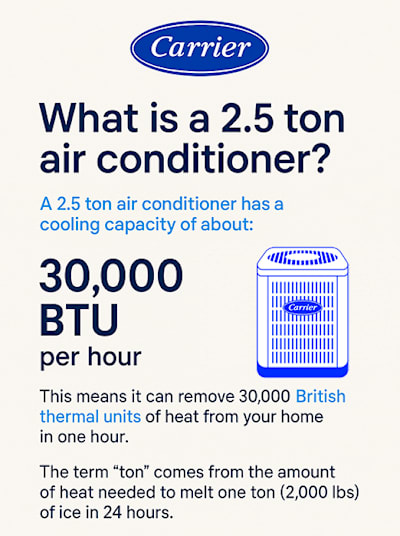
One ton of air conditioning can cool about 12,000 British Thermal Units (BTUs) per hour. This means it removes 12,000 units of heat energy every hour.
- 1 Ton = 12,000 BTUs per hour
- 2 Tons = 24,000 BTUs per hour
- 3 Tons = 36,000 BTUs per hour
- 4 Tons = 48,000 BTUs per hour
Btus And Their Role
BTU stands for British Thermal Unit. It measures how much heat energy an air conditioner can remove. The higher the BTU, the more cooling power the unit has.
| Air Conditioner Size | Cooling Capacity (BTUs per hour) |
| 1 Ton | 12,000 |
| 1.5 Tons | 18,000 |
| 2 Tons | 24,000 |
| 2.5 Tons | 30,000 |
| 3 Tons | 36,000 |

Credit: www.reddit.com
Ways To Identify Ac Ton Size
Knowing the ton size of your air conditioner helps you understand its cooling power. The ton size shows how much heat the AC can remove in one hour.
There are simple ways to find the ton size. You can check the unit label, look at the model number, or use the manual or documentation.
Check The Unit Label
Most air conditioners have a label on the outside unit. This label shows important details like the ton size, model number, and serial number.
The ton size might be written as “2 Ton” or shown in BTU (British Thermal Units). One ton equals 12,000 BTU.
- Look for terms like “Cooling Capacity” or “Capacity”
- The number followed by “Ton” or “T” indicates the size
- If it shows BTU, divide by 12,000 to find tons
Look At The Model Number
Model numbers often include clues about the AC’s ton size. Manufacturers use codes to show size within the model number.
For example, a model number might have “024” which means 24,000 BTU or 2 tons.
- Find the number related to cooling capacity
- Divide that number by 1,000 to get BTU in thousands
- Divide BTU by 12,000 to convert to tons
Use The Manual Or Documentation
The user manual or installation guide often lists the ton size. These documents give clear and exact information.
If you lost the manual, try searching online with your model number. Many manufacturers post manuals on their websites.
- Check the specifications section in the manual
- Look for cooling capacity or ton size details
- Use the model number to find online manuals
Calculating Ac Ton At Home
Knowing the size of your air conditioner helps cool your home efficiently. The size is measured in tons, which tells how much heat the AC can remove.
You can find your AC ton by measuring your room and using a simple calculation. This guide will help you understand how to do it at home.
Measure Room Size
First, measure the length and width of the room in feet. Multiply these numbers to get the area in square feet.
For example, if your room is 15 feet long and 12 feet wide, the size is 180 square feet.
Estimate Based On Btus
Air conditioners are rated by BTUs, which means British Thermal Units. BTUs show how much heat the AC can remove in one hour.
To estimate the needed BTUs, use about 20 BTUs per square foot of room size.
- Small room (100 sq ft): 2,000 BTUs
- Medium room (300 sq ft): 6,000 BTUs
- Large room (600 sq ft): 12,000 BTUs
One ton of AC equals 12,000 BTUs. Divide the total BTUs by 12,000 to find the tonnage.
Consider Other Factors
Other things affect the AC size you need. These include ceiling height, sunlight, and number of people in the room.
- High ceilings need more cooling power
- Rooms with many windows or sun exposure get hotter
- More people generate more heat
- Kitchen or appliances add extra heat
Adjust your calculation if these factors apply. This ensures your AC cools your room well and uses energy wisely.
Why Knowing Ac Ton Matters
Knowing the tonnage of your air conditioner helps you pick the right size. An AC that is too big or too small can cause problems.
Getting the right AC ton improves how well your home cools. It also saves energy and money.
Energy Efficiency
The correct AC ton keeps your energy use low. Too big an AC cools too fast and wastes power.
Too small an AC runs all the time and uses more electricity. Right size means less energy and lower bills.
- Right size uses less electricity
- Reduces wear on the AC unit
- Helps the environment by saving energy
Comfort Levels
An AC with the right ton keeps your home cool and comfy. Too big causes cold spots and humidity issues.
Too small AC can’t cool well. It runs too long and makes the room feel sticky or warm.
- Right ton cools rooms evenly
- Controls humidity properly
- Keeps temperature steady and comfortable
Cost Implications
AC size affects how much you pay for buying and running it. A bigger AC costs more upfront.
Running costs go up if the AC is too big or too small. Proper size saves money on bills and repairs.
- Right size lowers initial cost
- Saves money on energy bills
- Reduces repair and maintenance expenses
Common Ac Ton Sizes And Uses
Air conditioners come in different sizes measured in tons. The ton size shows how much cooling power the unit has. Choosing the right size helps keep your space comfortable and saves energy.
This guide explains common AC ton sizes and their typical uses in homes and businesses. Understanding these sizes helps you pick the right system for your needs.
Small Residential Units
Small residential air conditioners usually range from 1 to 2 tons. These units work well for apartments, small rooms, or studios. They provide enough cooling without using too much electricity.
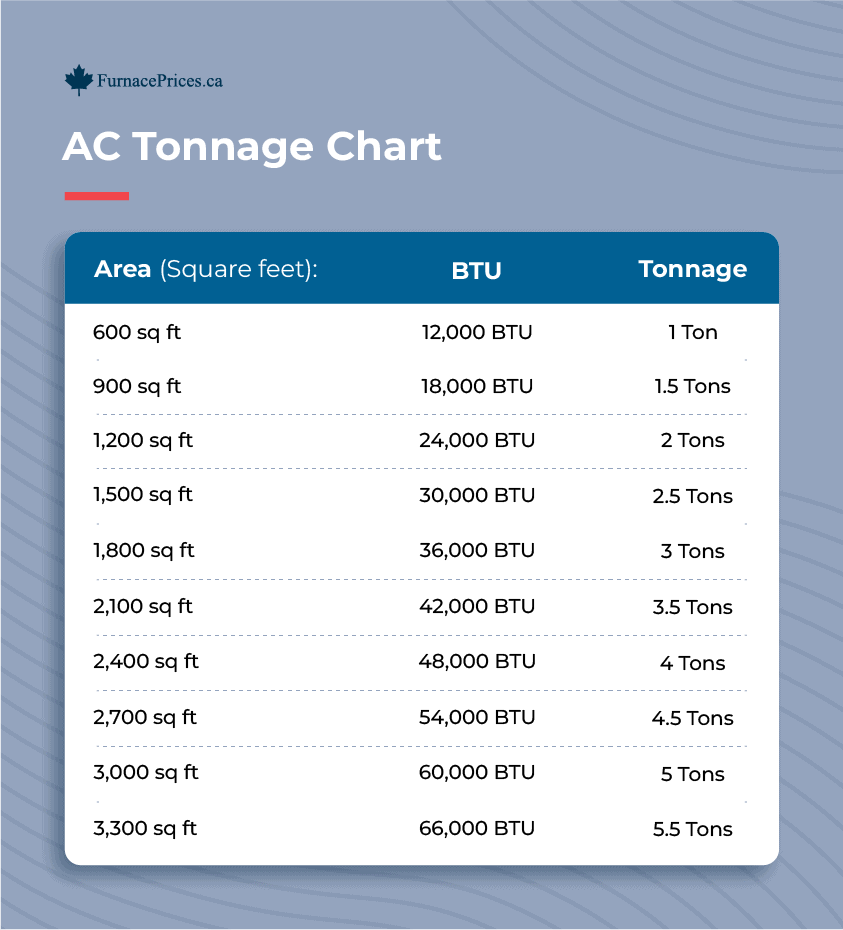
- 1 Ton: Suitable for rooms up to 600 square feet
- 1.5 Tons: Good for spaces between 600 to 900 square feet
- 2 Tons: Ideal for small homes up to 1,200 square feet
Medium Home Systems
Medium home systems usually range from 2.5 to 4 tons. These units cool larger homes and multiple rooms. They balance power and efficiency for everyday family use.
| AC Ton Size | Approximate Area Covered | Common Use |
|---|---|---|
| 2.5 Tons | 1,200 to 1,500 sq ft | Small to medium houses |
| 3 Tons | 1,500 to 1,800 sq ft | Medium family homes |
| 4 Tons | 1,800 to 2,400 sq ft | Larger homes with more rooms |
Large Commercial Systems
Large commercial air conditioners start at 5 tons and go up to 20 tons or more. These units cool big buildings, offices, and stores. They need strong compressors and fans to handle large spaces.
- 5 to 7.5 Tons: Small commercial spaces or large homes
- 10 to 15 Tons: Medium commercial buildings like shops
- 20+ Tons: Large commercial buildings and warehouses
Credit: www.furnaceprices.ca
Tips For Choosing The Right Ac Ton
Choosing the right size for your air conditioner is important. A unit that is too big or too small can cause problems.
This guide gives tips to help you pick the best AC tonnage for your needs.
Avoid Oversizing
An oversized air conditioner cools the room too fast. It turns off before removing enough humidity. This can make the room feel damp and uncomfortable.
- Measure your room size accurately.
- Check insulation and window sizes.
- Choose a unit that matches your cooling needs.
Account For Climate
The climate where you live affects the AC size you need. Hotter areas need bigger units to keep cool. Cooler areas can use smaller units.
| Climate Type | Recommended AC Ton |
|---|---|
| Hot and Humid | 1 ton per 400-450 sq. ft. |
| Hot and Dry | 1 ton per 450-500 sq. ft. |
| Moderate | 1 ton per 500-600 sq. ft. |
Consult Professionals
Experts can help you find the right AC size. They use tools to calculate cooling needs based on your home.
Reasons to consult a professional:
- Accurate load calculation
- Advice on energy efficiency
- Proper installation tips
- Help with maintenance plans
Credit: www.carrier.com
Frequently Asked Questions
What Does “ton” Mean In Air Conditioning?
A “ton” measures an air conditioner’s cooling capacity. One ton equals 12,000 BTUs per hour. It shows how much heat the AC can remove from a room.
How To Find My Air Conditioner’s Tonnage?
Check the AC unit’s model number or label. It usually lists cooling capacity in BTUs or tons. Divide BTUs by 12,000 to get tons.
Why Is Knowing Ac Tonnage Important?
Correct tonnage ensures efficient cooling and energy use. Too large or small units waste energy and reduce comfort. Proper sizing saves money and extends unit life.
Can I Estimate Tons By Room Size?
Yes, roughly 20 BTUs per square foot is a common guide. Divide total BTUs by 12,000 for tons. This estimate helps but professional sizing is best.
Conclusion
Knowing your air conditioner’s tonnage helps you choose the right size. A properly sized unit cools better and saves energy. Too big or too small causes discomfort and higher bills. Check your AC label or manual for ton information. Understanding tons makes buying or servicing easier.
Keep your home cool and comfortable all year. Simple steps lead to smarter choices and better results.