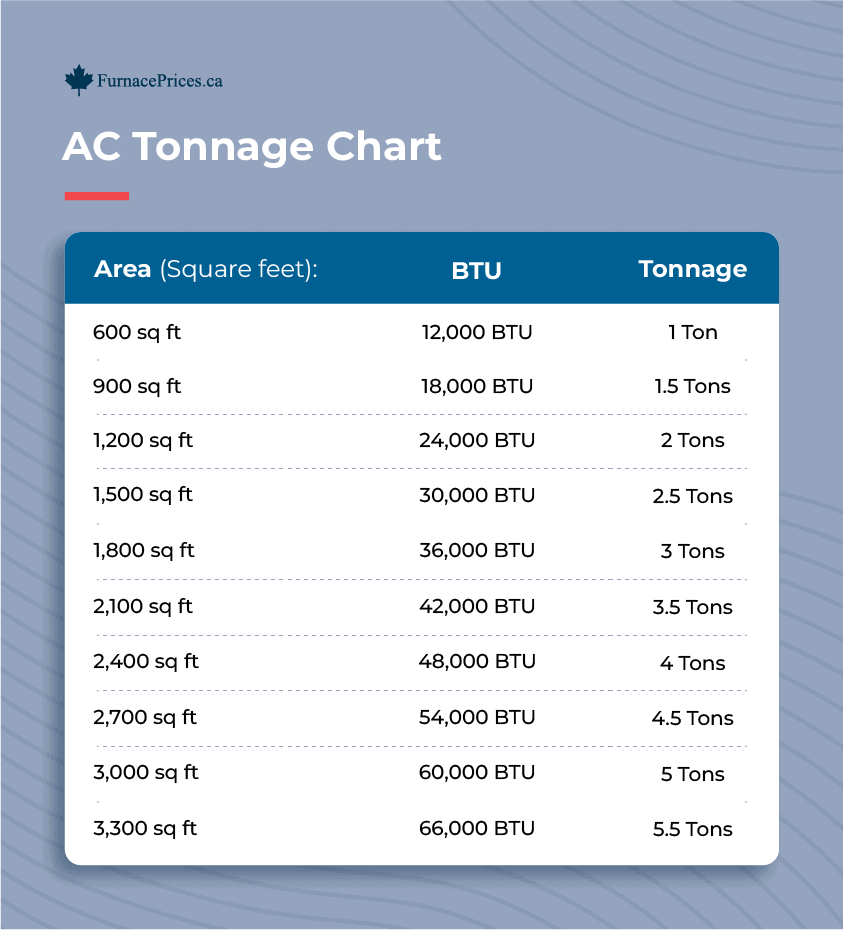
Have you ever wondered, “How many tons is my air conditioner?” Knowing this simple fact can make a big difference in how comfortable your home feels and how much you spend on energy bills. If your AC is too small, it won’t cool your space properly.
If it’s too big, you’ll waste money and energy. You’ll discover exactly what “tons” means when it comes to air conditioners and learn how to find the right size for your home. Stick with me, and you’ll never have to guess about your AC’s power again.

Credit: www.reddit.com
What Air Conditioner Tons Mean
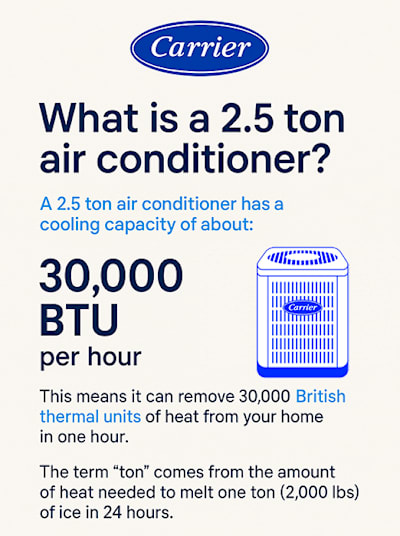
A tonin air conditioning means how much heat the unit can remove. One ton equals the ability to remove 12,000 British Thermal Units (BTUs)per hour. This helps measure the cooling power of an air conditioner.
Tons are important because they show the size and strengthof the AC unit. A bigger room needs a unit with more tons to cool it well. Too small a unit will struggle, while too big will waste energy and money.
- 1 ton = 12,000 BTUs per hour
- More tons = more cooling power
- Choose tons based on room size
- Right size saves energy and money
Factors Influencing Ac Size
The size of your air conditionerdepends a lot on room size and layout. Bigger rooms need more cooling power. Open spaces or rooms with high ceilings may need larger units. Small rooms can use smaller air conditioners.
Climate and weather conditionsalso affect the AC size. Hotter places require more cooling capacity. Cooler areas can use smaller systems. Consider how hot your location gets in summer.
Insulation and window typesplay a big role too. Well-insulated rooms keep cool air longer. Poor insulation causes the AC to work harder. Windows that let in a lot of sun increase the cooling need.
Simple Methods To Calculate Ac Tons
To find the tons of your air conditioner, measure the room’s square footage. Usually, 1 ton cools about 400 to 600 square feet. Divide the room size by 500 to get a quick estimate.
BTU (British Thermal Unit) measures cooling power. 1 ton equals 12,000 BTUs. So, divide the BTU rating by 12,000 to find the tonnage. For example, 24,000 BTUs means 2 tons.
- Many websites offer online calculatorsto help.
- Enter your room size or BTU, and get the tonnage.
- These tools are quick and easy to use.
Credit: www.carrier.com
Checking Your Ac Unit Label
Check the label on your air conditioner unit. It holds important detailslike the model number and specifications. The model number helps identify your AC’s size and capacity.
Look for a sticker or plate on the side or back of the unit. The model number often starts with letters followed by numbers. This code is key to finding your AC tonnage.
Read the specifications carefully. The label usually shows cooling capacity in BTUs or tons. One ton equals 12,000 BTUs. This tells you how much heat your AC can remove.
| Label Info | Meaning |
|---|---|
| Model Number | Identifies AC size and type |
| BTU Rating | Cooling power in BTUs per hour |
| Tonnage | Cooling capacity (1 ton = 12,000 BTUs) |
When To Consult A Professional
Complex room shapes or many windows can change cooling needs. Rooms with high ceilings or poor insulation need special care. Uneven sunlight or extra heat from appliances affects air conditioner size. A professional can check these details for the best fit.
Custom cooling needs require expert advice. Some homes need different temperatures in different rooms. Others may want a system that uses less energy or cools quickly. Professionals can suggest the right air conditioner size and type for your needs.
Tips For Choosing The Right Ac Size
Avoiding oversizing and undersizingis key to a comfortable home. An air conditioner too large will cool quickly but cause frequent on-off cycling. This wastes energy and creates uneven cooling. A unit too small struggles to cool, running constantly and raising energy bills.
Choosing the right size depends on room size, insulation, and sun exposure. A properly sized ACkeeps temperature steady and uses less power.
- Measure room square footage
- Check insulation quality
- Consider windows and sunlight
- Look at local climate
Energy efficiencysaves money and reduces environmental impact. Look for units with a high SEER (Seasonal Energy Efficiency Ratio) rating. Higher SEER means better performance and lower electricity use.

Credit: www.reddit.com
Frequently Asked Questions
How Do I Find My Ac’s Tonnage?
To find your AC’s tonnage, check the unit’s model number. The number typically includes a two-digit number divisible by 12, indicating BTUs. Divide this number by 12 to get the tonnage. For example, a “36” indicates a 3-ton unit. If unsure, consult your AC’s manual or a professional.
Why Is Ac Tonnage Important?
AC tonnage measures cooling capacity, affecting comfort and efficiency. A properly sized unit ensures energy efficiency and optimal cooling. An undersized AC struggles to cool the space, while an oversized one wastes energy. Understanding tonnage helps you choose the right unit, ensuring comfort and lower energy bills.
Can I Determine Tonnage From The Serial Number?
The serial number usually doesn’t indicate tonnage. Instead, look at the model number for clues about the tonnage. The model number often includes a code representing BTUs, which can help determine tonnage. If you’re uncertain, consult your AC’s manual or contact the manufacturer for assistance.
What If My Ac Tonnage Is Incorrect?
Incorrect AC tonnage impacts comfort and efficiency. An undersized unit won’t cool effectively, while an oversized one cycles frequently, wasting energy. Addressing this issue involves consulting a professional to assess your space’s cooling needs. They can recommend a properly sized unit for optimal performance and energy savings.
Conclusion
Knowing the tonnage of your air conditioner helps you keep your home cool. It also saves energy and cuts costs. A properly sized unit works better and lasts longer. Always check the label or manual for the ton rating. Understanding this number makes choosing or replacing AC easier.
Keep your space comfortable without wasting power. Simple steps bring big benefits. Stay cool and save money.