Are you curious about how many watts your air conditioner uses? Understanding this can help you save money on your electricity bill and choose the right unit for your home.
Knowing the wattage also tells you how much power your AC needs to cool your space efficiently. You’ll discover clear answers to these questions and learn practical tips to manage your energy use better. Keep reading to find out exactly how many watts an air conditioner uses and why it matters for your comfort and budget.
Air Conditioner Wattage Basics
The wattageof an air conditioner shows how much powerit uses. Typical units range from 500 wattsfor small window models to over 2000 wattsfor large central systems.
Power use depends on many factors. Room size is important. Bigger rooms need more watts. The temperature settingalso matters. Lower temperatures use more power. The air conditioner’s efficiencyrating affects energy use too. Newer models often use less power.
| Factor | Effect on Power Use |
|---|---|
| Room Size | Larger rooms need more watts |
| Temperature Setting | Lower settings use more energy |
| Model Efficiency | Higher efficiency means less power |
| Usage Time | Longer use increases total power |
Credit: aurorasolar.com
Types Of Air Conditioners
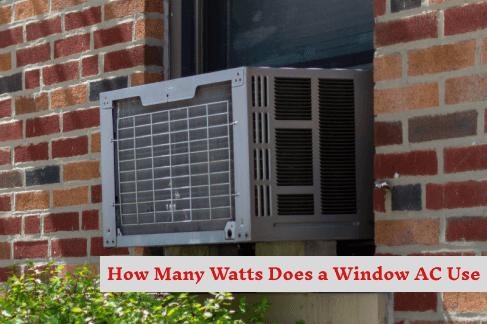
Window unitsfit in a window and cool small rooms. They use less power, usually between 500 to 1500 watts. Easy to install and move.
Split systemshave two parts: one inside and one outside. They cool bigger spaces quietly. Their power use ranges from 1000 to 3000 watts.
Portable modelscan be moved from room to room. They are good for temporary cooling. Power use is about 800 to 1500 watts, but they can be noisy.
Central air conditionerscool whole houses. They use a lot of power, often 3000 to 5000 wattsor more. Best for large homes.
Calculating Energy Consumption
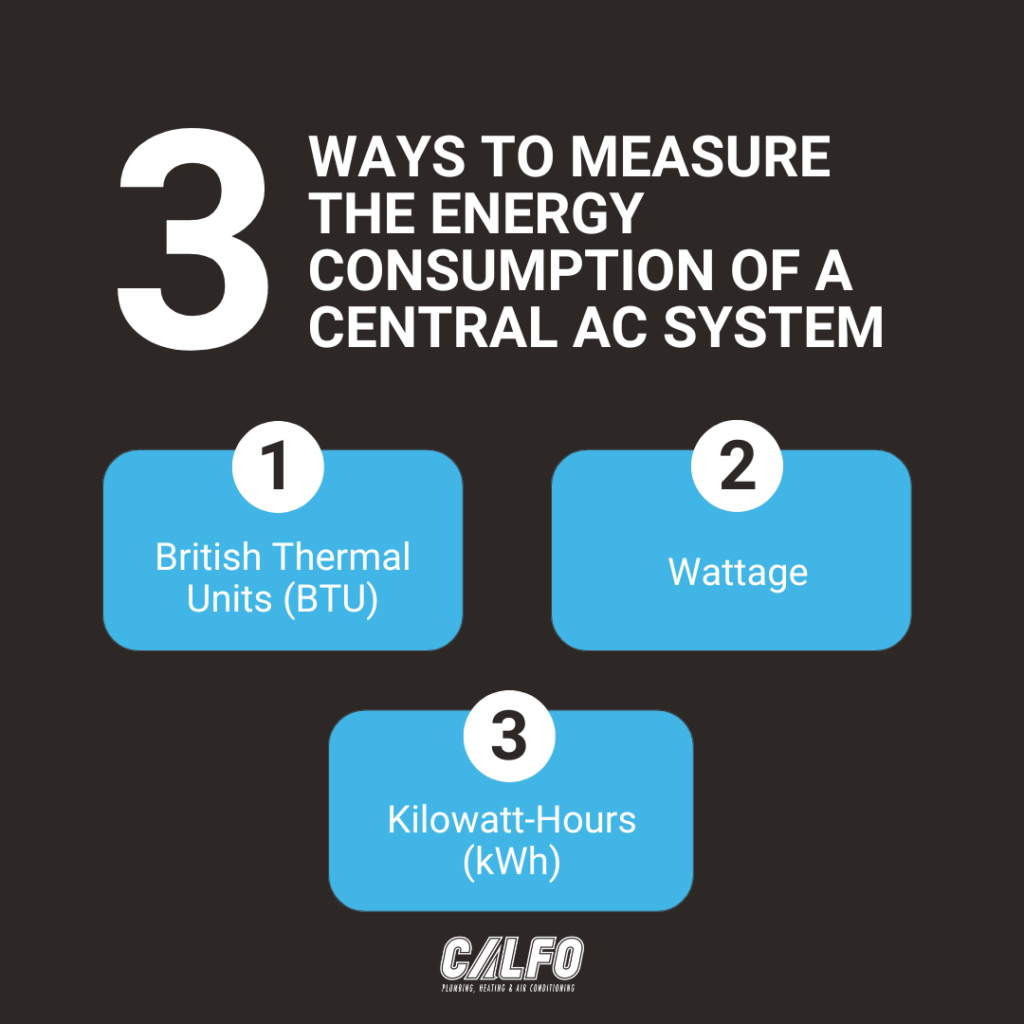
Wattageshows how much power the air conditioner uses. BTUmeasures the cooling power. More BTUs mean more cooling but also more watts used. A small room may need 5,000 to 8,000 BTUs, while a big room needs 12,000 or more.
Running time affects energy use. The longer the AC runs, the higher the electric bill. Turning the AC off when not needed saves energy and money.
| Energy Efficiency Rating | What It Means |
|---|---|
| SEER (Seasonal Energy Efficiency Ratio) | Higher SEER means better efficiency and lower energy use. |
| EER (Energy Efficiency Ratio) | Measures efficiency at peak cooling times. |
| Energy Star | Certified units save energy and cost less to run. |
Estimating Electricity Costs
To calculate the cost of running an air conditioner, multiply its wattage by the hours used. Then, multiply that by your electricity rate (usually in kWh). For example, a 1500-watt AC running for 5 hours at $0.12 per kWh costs:
| Wattage (W) | Hours Used | Electricity Rate ($/kWh) | Cost ($) |
|---|---|---|---|
| 1500 | 5 | 0.12 | 0.90 |
Seasonal changes affect electricity costs. ACs run more in summer, raising bills. Cooler months lower usage and costs.
- Use a programmable thermostat to limit AC runtime.
- Keep filters clean for better efficiency.
- Close windows and doors to keep cool air inside.
- Use fans to help circulate air and reduce AC load.
Choosing The Right Size
Choosing the right air conditioner size depends mainly on room sizeand wattage. A small room needs less wattage, while a larger room needs more power. Too much wattage can waste energy and raise bills. Too little wattage means the room will not cool well.
Oversized units can cause the air conditioner to turn on and off often. This wears out the machine faster and uses more electricity. It also may not remove humidity properly, making the room feel sticky.
Match the wattage to your cooling needs. For example:
- Small rooms (up to 150 sq ft) need about 5,000 to 6,000 watts.
- Medium rooms (150-300 sq ft) need around 7,000 to 9,000 watts.
- Large rooms (300+ sq ft) require 10,000 watts or more.
Credit: www.renogy.com
Energy-saving Features
Inverter technologyhelps air conditioners use less power by adjusting compressor speed. This means the unit runs efficiently and saves energy. It keeps the room cool without wasting electricity.
Programmable thermostatsallow setting the desired temperature for different times. This feature avoids cooling an empty room and reduces power use. It helps maintain comfort and cuts energy bills.
Sleep modesadjust the temperature slowly during the night. This saves energy while keeping you comfortable. It prevents the air conditioner from running too hard when you do not need much cooling.
Maintenance For Efficiency
Cleaning filtershelps the air conditioner run smoothly. Dust and dirt block airflow and reduce cooling power. Clean filters every month or as needed. It saves energy and keeps air fresh. Dirty filters make the system work harder and use more power.
Regular servicingkeeps the air conditioner efficient. Check refrigerant levels and clean coils. Inspect electrical connections and fan motors. Servicing every year prevents big problems. It helps the unit cool better and saves electricity.
Check the seal and insulationaround doors and windows. Good sealing stops cool air from escaping. Use weatherstrips or caulk to close gaps. Proper insulation keeps the room cooler longer. This reduces the load on the air conditioner.

Credit: aurorasolar.com
Frequently Asked Questions
What Is The Average Wattage Of An Air Conditioner?
Most home air conditioners range from 1,000 to 5,000 watts. The specific wattage depends on the size and model. Smaller units might use around 1,000 watts, while larger ones can reach 5,000 watts. Understanding wattage helps in estimating energy consumption and efficiency.
How To Calculate Air Conditioner Wattage?
To calculate wattage, multiply voltage by current (in amps). Most air conditioners have a label with this information. For example, a unit with 220 volts and 5 amps uses 1,100 watts. Always check the manufacturer’s specifications for accurate details.
Do Energy-efficient Ac Units Use Fewer Watts?
Yes, energy-efficient air conditioners use fewer watts to cool the same space. They are designed to optimize performance while reducing energy consumption. Look for units with an ENERGY STAR rating to ensure efficiency and lower electricity bills.
Does Air Conditioner Wattage Affect Energy Bills?
Higher wattage air conditioners typically result in higher energy bills. The more watts a unit uses, the more electricity it consumes. To save on costs, consider energy-efficient models and proper maintenance to ensure optimal performance.
Conclusion
Knowing how many watts an air conditioner uses helps you save energy. It also guides you in choosing the right size for your room. Smaller units use fewer watts but cool less space. Bigger units use more watts but cool faster.
Checking the wattage can lower your electric bills. It keeps your home comfortable without wasting power. Always match the air conditioner’s wattage to your needs. This simple step makes a big difference in comfort and cost. Choose wisely, save energy, and enjoy a cool home.