Are you curious about how much electricity your 5 ton air conditioner uses? Understanding the power consumption of your AC can help you save on energy bills and make smarter choices for your home.
You’ll discover exactly how many watts a 5 ton air conditioner uses, what factors affect its energy use, and simple tips to keep your cooling costs low. Keep reading to get clear answers and take control of your energy expenses today!
What Is A 5 Ton Air Conditioner
A 5 ton air conditioneris a large unit made to cool big spaces. The “ton” means how much heat the AC can remove. One ton equals 12,000 BTUs per hour. So, 5 tons mean 60,000 BTUs per hour.
This size suits big homes or offices, about 2,500 to 3,000 square feet. It works fast to cool rooms and keep the temperature steady. The power use depends on the unit’s efficiency and settings.
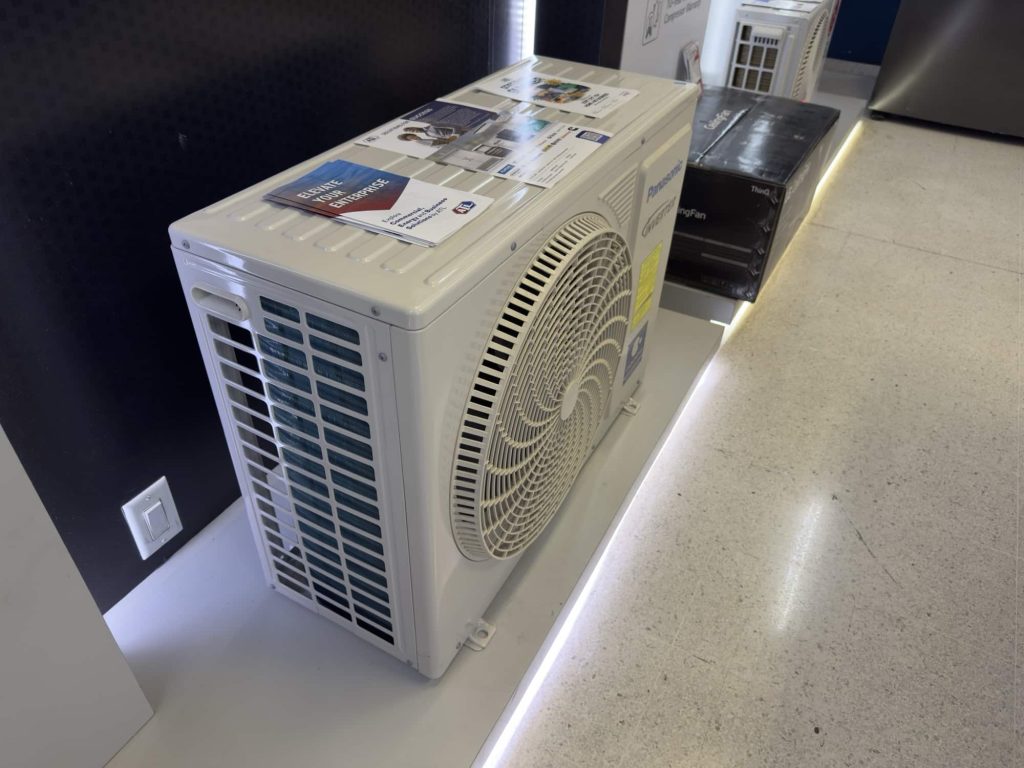
Credit: www.kompulsa.com
Factors Affecting Power Consumption
The compressor typeaffects how much power an air conditioner uses. Some compressors are more efficient and use less energy.
Energy Efficiency Ratio (EER)shows how well the AC uses power. Higher EER means less electricity is needed for cooling.
Usage patternsplay a big role. Running the AC all day uses more power than using it only a few hours.
Climate and temperatureimpact power use too. Hotter places make the AC work harder, which raises electricity use.
Average Wattage Of 5 Ton Ac Units
A 5 ton air conditioneruses a lot of power. The wattage depends on the type of model. Standard models usually draw more electricity than inverter types.
| Type | Power Usage (Watts) | Notes |
|---|---|---|
| Standard Models | 4500 – 5500 Watts | Runs at full power constantly |
| Inverter Models | 2000 – 3500 Watts | Adjusts power based on cooling needs |
Inverter ACs save energy by lowering power use after cooling starts. Standard ACs keep using full power all the time.

Credit: greenleafair.com
Calculating Energy Usage And Cost
A 5 ton air conditioner usually uses about 5000 to 6000 wattsper hour. This depends on the model and efficiency. To find daily use, multiply the watts by hours of operation. For example, running 8 hours uses around 40,000 to 48,000 watt-hoursor 40-48 kWh daily.
Monthly consumption is daily use times 30 days. This means about 1200 to 1440 kWhper month. Actual use can vary by climate and how often the AC runs.
| Usage | Wattage (Watts) | Energy (kWh) |
|---|---|---|
| Hourly | 5000 – 6000 | 5 – 6 kWh |
| Daily (8 hours) | 5000 – 6000 | 40 – 48 kWh |
| Monthly (30 days) | 5000 – 6000 | 1200 – 1440 kWh |
To estimate cost, multiply monthly kWh by your electricity rate. For example, at $0.12 per kWh, monthly cost is $144 to $172.80. Rates vary by location and provider.
Ways To Reduce Power Consumption
Keeping your air conditioner clean is essential for saving energy. Regularly change or clean the filters to help air flow better.
Check the coils and fins for dirt and dust. This keeps the unit running efficientlyand uses less power.
Set your thermostat to a comfortable but not too low temperature, like 78°F (25°C). This can cut down electricity use.
Avoid setting the temperature too cold, as it makes the AC work harder and uses more watts.
- Use the energy saver mode if your AC has one.
- Turn on the timer to run the AC only when needed.
- Close curtains or blinds to reduce heat entering your room.
- Use fans to help air circulate, so the AC uses less power.
Comparing 5 Ton Ac With Other Sizes
A 5 ton air conditioner uses around 5000 to 6000 wattsof power. Smaller AC units, like 1 or 2 tons, consume less energy. For example, a 1 ton AC uses about 1200 watts.
Cooling capacity grows with AC size, but so does energy use. A 5 ton unit cools a larger area but needs more power. This means it costs more to run than smaller models.
| AC Size | Cooling Capacity (BTU/hr) | Power Use (Watts) |
|---|---|---|
| 1 Ton | 12,000 | 1200 |
| 2 Ton | 24,000 | 2200 |
| 3 Ton | 36,000 | 3500 |
| 5 Ton | 60,000 | 5500 |
The table shows how power use rises with cooling capacity. Bigger ACs cool more but use more electricity. Choosing the right size helps save energy and money.
Common Myths About Ac Power Use
Many people think a 5 ton AC uses the same power all day. Actually, power use changes with temperature and settings. A 5 ton AC usually uses about 4,000 to 5,000 wattswhen running at full capacity. But it cycles on and off, so it does not use that much all the time.
Some believe bigger AC always means much higher bills. This is not true. Efficiency and usage time affect the electric bill too. A well-maintained AC can save energy even if it is big.
- AC wattage depends on model and efficiency.
- Running time impacts total electricity use.
- Using a thermostat wisely saves power.
- Regular cleaning keeps AC efficient.

Credit: minisplitsystemsdirect.com
Frequently Asked Questions
How Many Watts Does A 5 Ton Ac Use?
A 5-ton air conditioner typically uses around 6,000 watts per hour. This can vary based on the unit’s efficiency. Factors like the SEER rating and operating conditions can influence power consumption. Always check the manufacturer’s specifications for precise details.
What Affects A 5 Ton Ac’s Watt Usage?
Several factors influence watt usage for a 5-ton AC. These include the unit’s SEER rating, age, and maintenance status. External factors like room insulation and ambient temperature also play a role. Regular maintenance ensures optimal efficiency and energy consumption.
Is A 5 Ton Ac Energy Efficient?
A 5-ton AC can be energy efficient if it has a high SEER rating. Modern units often feature energy-saving technology. Proper installation and regular maintenance further boost efficiency. Choose units with higher SEER ratings for better energy savings.
How To Reduce A 5 Ton Ac’s Energy Use?
To reduce energy use, ensure regular maintenance and clean filters. Use a programmable thermostat to optimize cooling schedules. Seal any leaks in your home to prevent air loss. Consider upgrading to a higher SEER-rated unit for long-term savings.
Conclusion
A 5-ton air conditioner uses around 4,000 to 6,000 watts. This depends on the model and efficiency. Knowing the power use helps control electricity bills. Choosing the right size saves energy and money. Regular maintenance keeps the unit working well.
Small changes can make a big difference. Understanding watts helps you plan better for cooling needs. Keep these points in mind for smart energy use.