
Are you wondering how much electricity your 5000 BTU air conditioner uses? Knowing the exact wattage can help you save money and manage your energy bills better.
You might be surprised at how much power a small air conditioner consumes and what that means for your home. You’ll discover the simple facts about the watts used by a 5000 BTU unit and learn tips to keep your cooling costs low.
Keep reading—you’ll find the answers you need to make smart choices for your comfort and your budget.
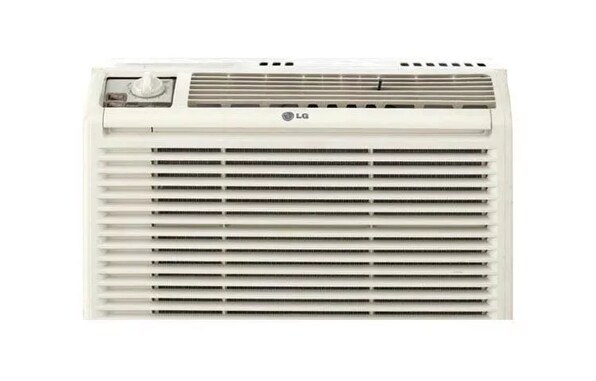
Credit: www.lg.com
Btu And Watt Relationship
BTUstands for British Thermal Unit. It measures how much heat an air conditioner can remove from a room per hour. A 5000 BTU unit can cool a small room effectively. Understanding BTU helps to know the power needed to run the AC.
To convert BTU to watts, use this simple formula:
| Unit | Value | Explanation |
|---|---|---|
| 1 BTU/hr | 0.293 watts | Basic conversion rate |
| 5000 BTU/hr | 1465 watts | Power needed to run 5000 BTU AC |
This means a 5000 BTU air conditioner uses about 1465 wattsof power. This number helps to estimate electricity use and cost.
Power Consumption Of A 5000 Btu Ac
A 5000 BTU air conditioner usually uses 400 to 600 watts. The exact power depends on the model and its efficiency. These units are great for small rooms or personal cooling.
Several factors can change the power use:
- Room size:Bigger rooms need more power.
- Temperature setting:Lower temps use more watts.
- Unit efficiency:Newer models save energy.
- Usage time:Running longer means more electricity.
- External temperature:Hotter days increase power draw.
| Factor | Effect on Power Use |
|---|---|
| Room Size | Larger rooms require more watts |
| Temperature Setting | Lower settings consume more energy |
| Unit Efficiency | High efficiency models use less power |
| Usage Time | Longer use leads to higher consumption |
| External Temperature | Hot days increase wattage needed |
Energy Efficiency Ratings
EERmeans Energy Efficiency Ratio. It shows how well an air conditioner uses electricity to cool a room.
SEERstands for Seasonal Energy Efficiency Ratio. It measures energy use over a whole cooling season.
Higher EER or SEER numbers mean the unit uses less electricity for the same cooling power.
For a 5000 BTU air conditioner, the wattage depends on the EER rating. For example, with an EER of 10, it uses about 500 watts (5000 ÷ 10).
Better ratings lower your electricity bills. They also help the environment by saving energy.
| Rating | What It Means | Effect on Electricity Use |
|---|---|---|
| EER | Instant efficiency | Higher EER = lower watts used |
| SEER | Seasonal efficiency | Higher SEER = less power over time |
Comparing 5000 Btu Units
A 5000 BTU air conditioner usually uses about 400 to 600 watts. Portable models often consume slightly more power than window units. This is because portable units have to cool the air and vent hot air outside through a hose.
Window models are more energy-efficientsince they vent heat directly outside. They also tend to cool a room faster with less energy use.
| Model Type | Average Power Use (Watts) | Energy Efficiency |
|---|---|---|
| Portable | 450 – 600 | Moderate |
| Window | 400 – 550 | Higher |
- Energy-saving featuresinclude programmable timers and sleep modes.
- Look for units with Energy Star ratingsto save power.
- Adjusting thermostat by a few degrees can reduce power use a lot.
Estimating Electricity Costs
A 5000 BTU air conditioner usually uses about 400 to 600 wattsper hour. To estimate monthly electricity costs, multiply watts by hours used daily and days in a month. Then convert to kilowatt-hours (kWh) by dividing by 1000.
| Usage | Calculation | Result |
|---|---|---|
| Watts per hour | 500 watts (average) | 500 W |
| Daily usage | 500 W × 8 hours | 4000 Wh or 4 kWh |
| Monthly usage | 4 kWh × 30 days | 120 kWh |
To lower bills:
- Use the AC only when needed.
- Keep doors and windows closed.
- Clean filters regularly.
- Set temperature to a comfortable but not too low level.
- Use fans to help cool rooms faster.

Credit: www.newegg.ca
Environmental Impact
A 5000 BTU air conditioner uses around 400 to 600 wattsof power. This amount varies based on model and efficiency. Using electricity creates carbon emissions. These emissions add to climate change. The more watts used, the higher the carbon footprint.
Choosing energy-efficientunits helps reduce this impact. Look for models with Energy Star ratings. These use less power and are better for the environment.
- Fansuse very little electricity and cool people directly.
- Evaporative coolersuse water to cool air, saving energy.
- Natural ventilationuses open windows for fresh air.
- Shade plantsand curtains can keep rooms cooler.

Credit: www.homedepot.com
Frequently Asked Questions
What Is The Power Consumption Of A 5000 Btu Ac?
A 5000 BTU air conditioner typically uses between 500 to 600 watts. The exact wattage can vary based on the model and efficiency. It’s essential to check the unit’s specifications for precise wattage. Using an energy-efficient model can help reduce electricity costs.
How To Calculate Energy Cost Of 5000 Btu Ac?
To calculate energy cost, multiply the AC’s wattage by usage hours and electricity rate. For example, a 500-watt AC running for 5 hours at $0. 12 per kWh costs about $0. 30. This calculation helps in budgeting and managing energy expenses effectively.
Is A 5000 Btu Ac Energy Efficient?
A 5000 BTU AC can be energy efficient if it has a high EER rating. Look for units with an Energy Efficiency Ratio (EER) of 10 or higher. These models consume less electricity, reducing energy bills while effectively cooling small spaces.
Can I Run A 5000 Btu Ac On Solar Power?
Yes, you can run a 5000 BTU AC on solar power with sufficient solar panel capacity. Ensure you have adequate solar panels and battery storage to meet the AC’s wattage requirements. This setup helps in reducing reliance on grid electricity, offering an eco-friendly cooling solution.
Conclusion
A 5000 BTU air conditioner usually uses about 400 to 500 watts. This depends on the model and its efficiency. Knowing the wattage helps control electricity bills. Small units like this are good for cooling small rooms. They save energy compared to larger air conditioners.
Remember to choose one that fits your space well. This keeps your room cool without wasting power. Simple care and proper use also improve efficiency. Now, you can make better choices about your cooling needs.