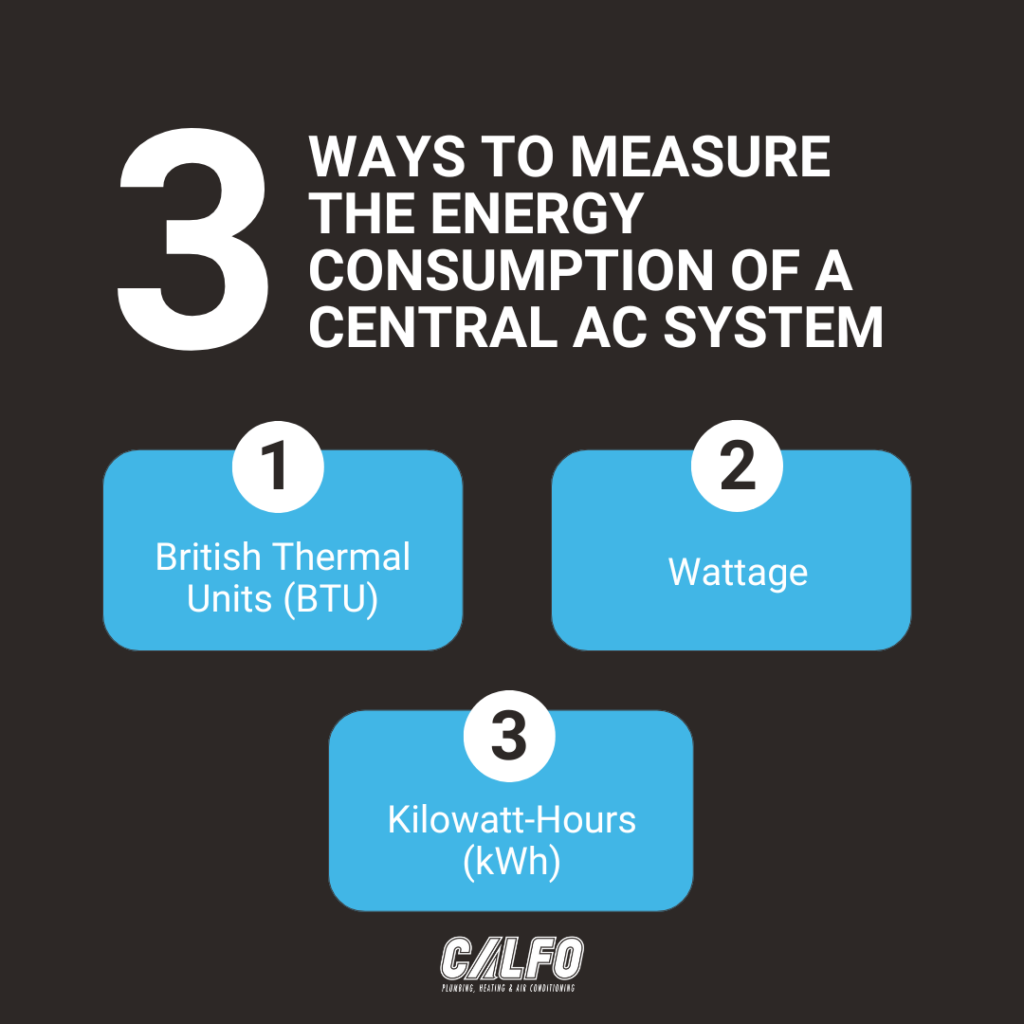
Are you curious about how much electricity your central air conditioner really uses? Understanding how many watts your unit consumes can help you save money and avoid surprise energy bills.
Whether you’re thinking about upgrading your system or just want to be smarter about your energy use, knowing this key information puts you in control. Keep reading to discover simple facts and tips that will make your cooling costs easier to manage and your home more comfortable.

Credit: www.wilsonoilandpropane.com
Central Air Conditioner Basics
A central air conditioner has key componentsthat work together to cool your home. The compressorpumps refrigerant through the system. The condenser coilreleases heat outside. The evaporator coilinside absorbs heat from the air. A blower fanmoves cool air through ducts into rooms.
There are several typesof central air conditioners. The most common are:
- Split systems:Have separate indoor and outdoor units.
- Packaged systems:Contain all parts in one outdoor unit.
- Ductless mini-splits:Good for homes without ducts.
Each type uses power differently, affecting the total watts used.
Understanding Wattage
Wattsmeasure the power an appliance uses to run. It shows how much energy flows each second. This helps understand the electricity demand of devices like central air conditioners.
The higher the watts, the more electricity the device needs. Watts connect to energy use, but they are not the full story. Energy consumption depends on how long the device runs.
For example, a central air conditioner with 3500 wattsmeans it uses 3500 watts every hour it runs. If it runs for 3 hours, total energy is 3500 watts × 3 hours = 10,500 watt-hours or 10.5 kilowatt-hours (kWh).
| Term | Meaning |
|---|---|
| Watts (W) | Power used at one moment |
| Energy Consumption (kWh) | Power used over time |
| Running Time | How long device runs |
Factors Affecting Wattage
The size and capacityof a central air conditioner greatly affect its wattage use. Larger units cool bigger spaces but use more electricity. Smaller units use less power but might not cool well enough.
Efficiency ratingslike SEER (Seasonal Energy Efficiency Ratio) show how well a unit uses energy. Higher SEER means lower wattage for the same cooling power. Choosing units with good ratings saves energy and money.
Environmental conditionsalso play a role. Hotter and more humid places make the air conditioner work harder. This increases the watts used. Cooler climates reduce the load and energy consumption.
Credit: northnjhvac.com
Calculating Energy Usage
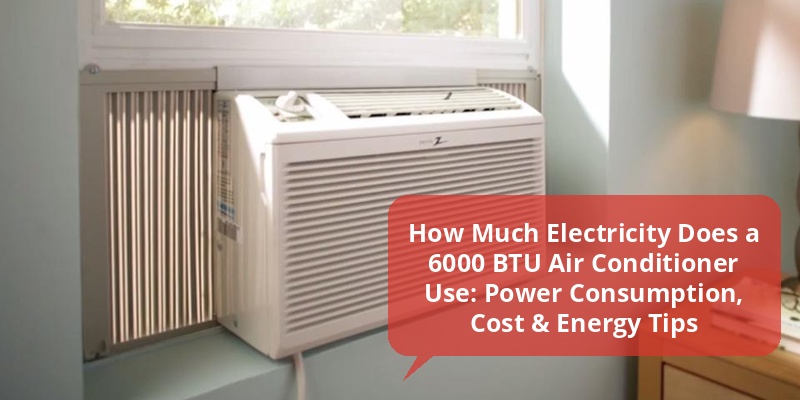
BTUs measure the cooling power of an air conditioner. To find watts, use this formula:
| BTUs | Watts |
|---|---|
| 1,000 BTUs | 293 Watts |
| 5,000 BTUs | 1,465 Watts |
| 10,000 BTUs | 2,930 Watts |
To estimate monthly use, check the unit’s wattage. Multiply watts by hours used daily. Then multiply by days used per month. Divide by 1,000 to get kilowatt-hours (kWh). This shows energy use on your electric bill.
- Example: 2,000 watts × 8 hours × 30 days = 480,000 watt-hours
- Convert to kWh: 480,000 ÷ 1,000 = 480 kWh
Knowing this helps control energy costs and plan budgets.
Tips For Reducing Energy Consumption
Regular maintenancehelps your air conditioner run smoothly and use less energy. Cleaning or replacing filters keeps air flowing well. Checking for leaks in ducts stops cool air from escaping. Regularly clearing debris around the unit also improves efficiency.
Smart thermostat usagelets you control your home’s temperature easily. Setting the thermostat to a higher temperature when you are away saves energy. Programmable thermostats adjust cooling automatically, reducing unnecessary power use. This small change can lower your electricity bills.
Home insulation improvementskeep cool air inside and hot air outside. Adding insulation to walls and attics helps maintain a steady temperature. Sealing windows and doors stops air leaks. These steps reduce the work your air conditioner must do, saving energy.
Comparing Different Models
Energy efficiency ratings show how much power a unit uses for cooling. Higher ratings mean lower electricity bills. Look for SEER (Seasonal Energy Efficiency Ratio) numbers. Models with SEER over 14 use less energy.
Cost and power use do not always match. A cheaper unit may use more wattsand cost more over time. Expensive models often save money by using less energy. Think about long-term savingswhen choosing.
| Model | SEER Rating | Average Watts Used | Cost Range |
|---|---|---|---|
| Basic | 13 | 3500 W | $1000 – $1500 |
| Mid-range | 16 | 2800 W | $1500 – $2000 |
| High Efficiency | 20+ | 2200 W | $2000 – $3000 |
Common Myths About Air Conditioner Wattage
Bigger air conditionersdo not always mean better cooling or energy savings. Large units use more wattsand can lead to higher electricity bills. An oversized unit cools the room too fast, causing it to turn on and off often. This wastes energy and can damage the system.
Turning off the air conditioner completely may not always save the most energy. Setting the thermostat a few degrees higher uses less powerthan turning it off and on again. The unit works harder to cool the space if it gets too hot after being off for a while.
- Bigger units use more watts, not less.
- Too large units cycle on and off often.
- Turning off saves less energy than raising the temperature.
- Keep thermostat steady for best energy use.

Credit: www.dhontario.com
Frequently Asked Questions
How Many Watts Does A Central Air Conditioner Use?
A typical central air conditioner uses between 2,000 and 5,000 watts. Usage depends on the unit’s size and efficiency. Larger units consume more power. Energy-efficient models use fewer watts, saving electricity and reducing bills.
What Factors Affect Central Ac Wattage Consumption?
Central AC wattage depends on unit size, age, and SEER rating. Outdoor temperature and insulation quality also impact energy use. Frequent cycling increases consumption. Proper maintenance helps optimize wattage efficiency.
How Can I Reduce My Central Ac’s Wattage Usage?
To reduce wattage, use a programmable thermostat and seal leaks. Clean filters regularly and schedule yearly maintenance. Consider upgrading to a high-SEER model. These steps improve efficiency and lower electricity costs.
Is Wattage The Same As Energy Consumption For Ac?
No, wattage is power used at a moment, while energy consumption measures usage over time. Energy consumption is calculated in kilowatt-hours (kWh), reflecting total electricity used during AC operation.
Conclusion
Central air conditioners use different watts based on size and efficiency. Knowing watt usage helps manage electricity bills better. Smaller units use fewer watts, while bigger ones need more power. Running your AC wisely saves energy and money. Regular maintenance keeps the system working well and uses less electricity.
Understanding watt consumption makes cooling your home easier and cheaper. Use this knowledge to choose the right AC for your needs. Stay cool without wasting power or cash.