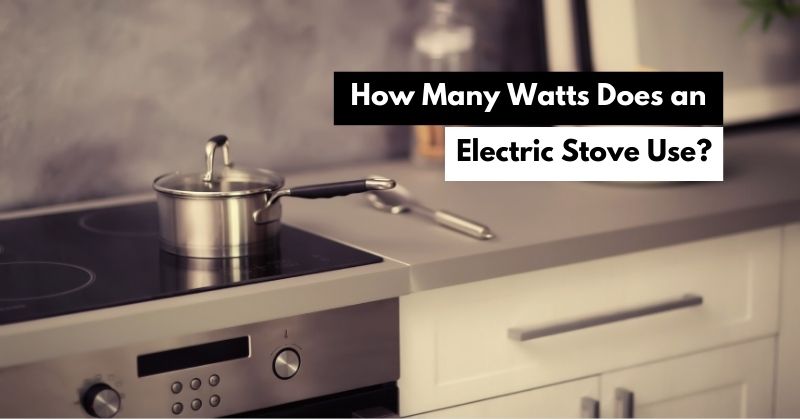
Are you curious about how much energy your cooktop consumes? Understanding the wattage of your kitchen appliances can help you manage your electricity bill and make more informed choices.
Whether you’re considering a new purchase or simply want to ensure you’re using your current cooktop efficiently, knowing its wattage is key. Imagine being able to cook your favorite meals without worrying about energy waste or unexpected costs. You’ll discover just how many watts different types of cooktops use, and how this knowledge can empower you to optimize your kitchen’s energy efficiency.
Keep reading to find out how you can cook smarter and save more.

Credit: www.amazon.ca
Cooktop Power Basics
Understanding the power consumption of your cooktop is key to managing your energy bills and choosing the right appliance for your kitchen. Cooktops vary widely in how much electricity they use, depending on design and usage. Let’s take a closer look at the basic wattage figures and what factors influence these numbers.
Typical Wattage Range
Most cooktops operate within a wattage range of about 1,200 to 3,700 watts per burner. Electric coil cooktops tend to be on the lower end, usually between 1,200 and 1,500 watts. Induction cooktops, known for quick heating, often use between 1,400 and 3,700 watts per burner.
Gas cooktops don’t use electricity to generate heat but do require a small amount of power for ignition and controls, typically under 100 watts. Knowing these ranges helps you estimate how much energy your cooking might consume on average.
Factors Affecting Power Use
The wattage listed on a cooktop is the maximum power it can draw, but actual energy use depends on several factors. The size of the burner or heating element directly impacts power use—a larger burner consumes more watts to heat effectively.
How you cook also matters. Simmering at low heat uses less power than boiling water quickly. Even the type of cookware affects efficiency; flat-bottomed pans on smooth-top cooktops transfer heat better and may lower energy use.
Have you noticed your energy bill spike after trying a new cooking method or recipe? Small changes in how you use your cooktop can add up to big differences in power consumption.
Credit: www.popsci.com
Types Of Cooktops
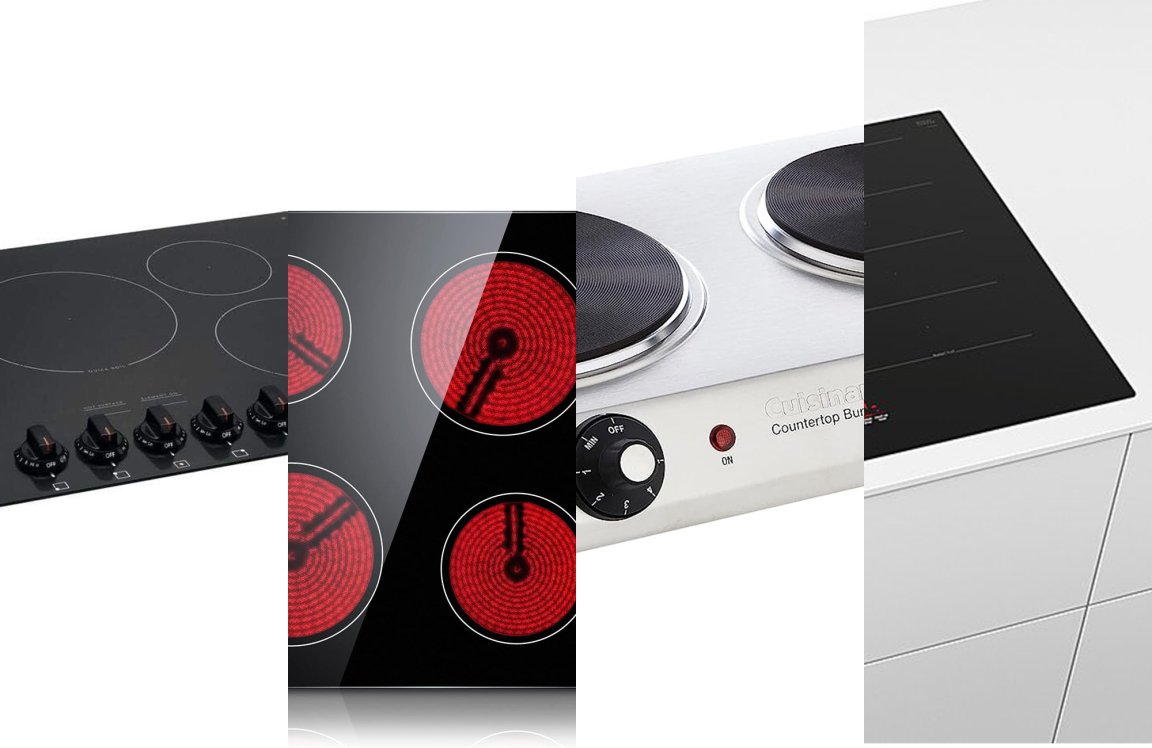
Cooktops come in various types, each using different amounts of power. Understanding these types helps you choose the best one for your kitchen and energy needs. Some cooktops use electricity, while others use gas, or a mix of both.
Electric Coil Cooktops
Electric coil cooktops have metal coils that heat up when electricity passes through. They are common and usually cost less. These cooktops use between 1,200 and 3,000 watts per burner. The power depends on the coil size and heat setting.
Ceramic And Glass Cooktops
Ceramic and glass cooktops have smooth surfaces with heating elements underneath. They look modern and are easy to clean. These cooktops often use about 1,200 to 2,200 watts per burner. They heat evenly but take some time to cool down.
Induction Cooktops
Induction cooktops use magnetic fields to heat pots and pans directly. They heat faster and save energy. Induction burners typically use 1,400 to 3,700 watts. They only work with certain metal cookware, like cast iron or stainless steel.
Gas Cooktops And Electrical Components
Gas cooktops use flames fueled by natural gas or propane. The flames provide instant heat and precise control. The electrical parts, like igniters and lights, use very little power, usually under 100 watts. Gas cooktops mainly depend on gas, not electricity, for cooking.
Wattage By Cooktop Size
Understanding the wattage of a cooktop helps in managing electricity use. Different cooktop sizes use varying amounts of power. Knowing this can help plan energy costs and appliance choices.
Single Burner Wattage
A single burner cooktop usually uses between 1,200 and 3,000 watts. The exact wattage depends on burner size and power setting. Smaller burners use less power. Larger burners reach higher wattage for faster cooking.
Multiple Burner Wattage
Cooktops with multiple burners combine wattage for total power use. A typical 4-burner cooktop can use 7,200 to 10,000 watts at full power. Running all burners at once consumes the most electricity. Using fewer burners lowers power use.
Compact Vs Standard Sizes
Compact cooktops usually have fewer burners and lower wattage. They use about 4,000 to 7,000 watts total. Standard cooktops have more burners and higher power needs. They often consume 7,000 to 12,000 watts.
Choosing between compact and standard depends on kitchen space and cooking needs. Compact models save energy but limit cooking capacity. Standard sizes offer more power for larger meals.
Energy Consumption Patterns
Understanding energy consumption patterns helps manage cooktop electricity use. Different cooking styles and settings affect how much power the cooktop draws. Awareness of these patterns supports smarter energy choices and lowers bills.
Cooking Habits Impact
Cooking habits shape the total energy use of a cooktop. Long cooking times increase electricity consumption. Using multiple burners simultaneously raises power demand. Quick meals with high heat use more watts than slow, low-heat cooking. Efficient habits save energy and reduce costs.
Power Usage During Heating And Simmering
Heating phases consume the most power on a cooktop. High heat settings can draw between 1,200 to 3,000 watts. Simmering uses less power, often under 500 watts. Adjusting heat levels to match cooking needs lowers overall energy use.
Standby Power Considerations
Cooktops may use some power even when off but plugged in. This standby power is usually low, around 1 to 5 watts. Unplugging the cooktop or using power strips can eliminate standby consumption. Small savings add up over time.
Calculating Energy Costs
Understanding how much energy your cooktop uses is key to managing your electricity bills. Calculating energy costs lets you see where your money goes and how small changes can add up to big savings. Let’s break down how to figure out these costs clearly and simply.
Estimating Kilowatt-hours
Your cooktop’s power rating is usually listed in watts. To find out how many kilowatt-hours (kWh) it uses, divide the wattage by 1,000. Then, multiply that by the hours you use it each day.
For example, a 2,000-watt cooktop used for 1.5 hours daily consumes:
- 2,000 watts ÷ 1,000 = 2 kW
- 2 kW × 1.5 hours = 3 kWh per day
Tracking your daily use over a month gives a clear estimate of your total energy consumption.
Comparing Costs Across Cooktop Types
Not all cooktops are created equal in energy use. Electric coil cooktops usually consume more power than induction cooktops, which heat faster and waste less energy.
| Cooktop Type | Average Power Use (Watts) | Energy Efficiency |
|---|---|---|
| Electric Coil | 1,200 – 2,500 | Moderate |
| Electric Smooth Top | 1,200 – 2,400 | Moderate to High |
| Induction | 1,400 – 2,100 | High |
Which cooktop type fits your budget and cooking style? Knowing this helps you choose or adjust usage to save money.
Saving Money With Efficient Use
Simple habits can lower your cooktop’s energy cost. Using lids while cooking traps heat, reducing cooking time and energy use.
Try matching pot sizes to burner sizes to avoid wasted heat. Also, turning off the cooktop a few minutes before the food is fully cooked allows residual heat to finish the job.
Have you ever timed how long your meals actually take to cook? You might find you’re using more energy than needed. Small adjustments in your cooking routine can lead to noticeable savings on your electric bill.

Credit: www.jackery.com
Energy-saving Tips
Reducing the energy your cooktop uses not only lowers your utility bills but also helps the environment. Simple changes in how you select, use, and maintain your cooktop can make a big difference in power consumption. Think about your cooking habits—are you making the most of your cooktop’s efficiency?
Choosing The Right Cooktop
Your choice of cooktop affects energy use more than you might expect. Induction cooktops, for example, use up to 90% of their energy to heat food, compared to about 70% for electric coil models.
Consider your cooking style before buying. If you often cook quick meals, induction could save energy and time. If you prefer slow cooking, a gas cooktop might be more efficient for your needs.
Using Cookware Efficiently
The size and material of your pots and pans impact how much energy your cooktop uses. Using cookware that matches the burner size avoids wasting heat.
- Flat-bottomed pans provide better contact and heat transfer.
- Materials like cast iron and stainless steel hold heat well and can reduce cooking time.
- Cover pots with lids to trap heat and cook faster.
Have you noticed how a smaller pan on a large burner wastes energy? Adjusting your cookware can be a quick win in saving watts.
Maintenance For Optimal Performance
Keeping your cooktop clean and in good shape ensures it uses energy efficiently. Burners clogged with food residue take longer to heat and consume more power.
Regularly check connections and replace any damaged parts promptly. Even small issues can increase your cooktop’s wattage use over time.
How often do you clean your cooktop? A quick wipe after cooking prevents buildup and keeps your appliance running smoothly.
Frequently Asked Questions
How Many Watts Does A Standard Cooktop Use?
A standard electric cooktop typically uses between 1,200 and 3,000 watts per burner. Total wattage depends on the number of burners and their power levels.
Does Wattage Vary Between Gas And Electric Cooktops?
Yes, electric cooktops use more watts, usually 1,200-3,000 per burner. Gas cooktops use BTUs, not watts, so their energy use is measured differently.
How Can I Reduce Cooktop Energy Consumption?
Use lower heat settings and cover pots to cook faster. Turn off burners early and use energy-efficient cookware to save electricity.
What Wattage Is Needed For An Induction Cooktop?
Induction cooktops generally use 1,400 to 3,700 watts per burner. They heat faster and are more energy-efficient than traditional electric cooktops.
Conclusion
Knowing how many watts a cooktop uses helps manage electricity bills. Different cooktops need different power levels to work well. Electric cooktops usually use between 1,200 and 3,000 watts. Gas cooktops use less electricity but more gas. Choosing the right cooktop depends on your kitchen and budget.
Saving energy means checking wattage and using the cooktop wisely. Small changes can lead to big savings over time. Understanding wattage makes cooking easier and more efficient.