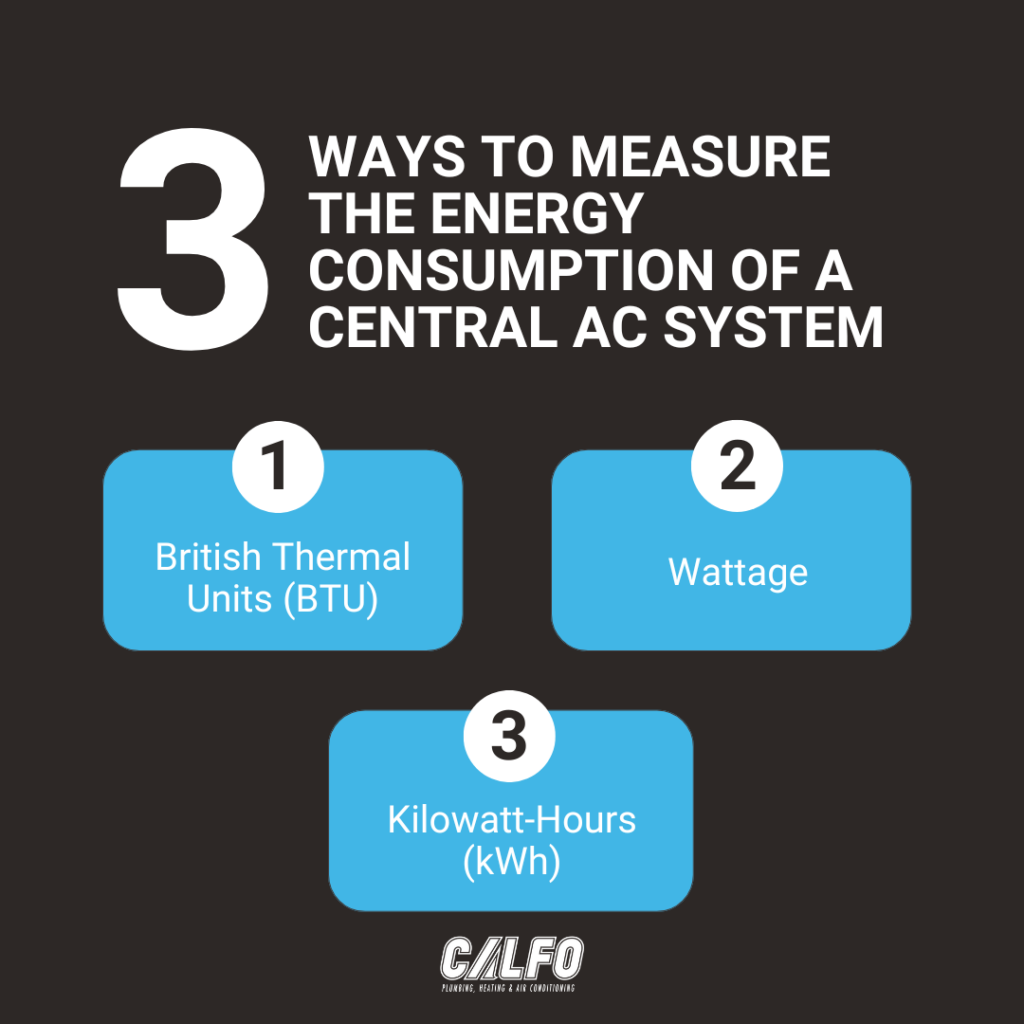
Have you ever wondered how much electricity your house air conditioner uses? Knowing how many watts your AC consumes can help you save money and avoid surprise energy bills.
Whether you want to cut costs or just understand your energy use better, this information is key. You’ll discover exactly how to figure out your air conditioner’s wattage and what that means for your home. Keep reading to learn simple tips that can make a big difference in your energy savings.
Credit: northnjhvac.com
Ac Power Consumption Basics
Air conditioners use electricity to cool your home. Knowing how many watts they use helps manage energy costs.
Watts measure the power the AC consumes while running. This number can vary based on several factors.
What Watts Measure
Watts show how much electrical power an AC uses at a given time. It tells you the energy needed to run the unit.
The higher the watt number, the more electricity the air conditioner uses. This affects your energy bills directly.
- Power draw when the AC compressor is on
- Electricity used by the fan and controls
- Overall energy consumption per hour
Factors Affecting Ac Energy Use
Several things change how many watts your AC uses. These factors affect energy efficiency and cost.
Understanding these helps you choose and operate your air conditioner better.
- AC size and cooling capacity
- Outside temperature and humidity
- Thermostat setting and usage time
- Home insulation and window quality
- Age and condition of the AC unit
Typical Wattage Of Home Air Conditioners
Air conditioners use different amounts of electricity based on their type and size.
Knowing the wattage helps you estimate energy use and costs.
Window Units
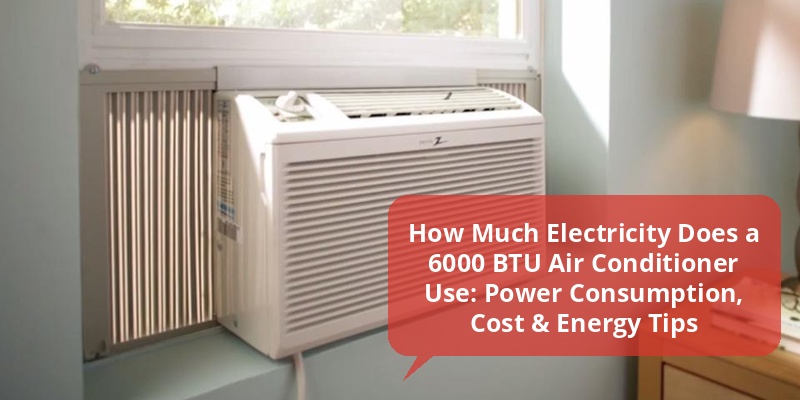
Window air conditioners are common for cooling single rooms. They usually use less power than whole-house systems.
- Small window units use about 500 to 1,000 watts.
- Larger units can use 1,200 to 1,500 watts.
- Energy efficiency varies by model and age.
Split Systems
Split systems have an indoor and outdoor unit. They cool one or more rooms and are more efficient than window units.
| System Size | Typical Wattage |
| 1 Ton (12,000 BTU) | 900 – 1,400 watts |
| 1.5 Ton (18,000 BTU) | 1,300 – 1,800 watts |
| 2 Ton (24,000 BTU) | 1,800 – 2,500 watts |
Central Air Conditioners
Central air conditioners cool the entire house through ductwork. They use more power but offer consistent cooling.
- Small central units start around 2,000 watts.
- Medium units use about 3,500 to 5,000 watts.
- Large systems can consume 5,000 to 7,000 watts or more.
Calculating Energy Usage
Knowing how much energy your air conditioner uses helps manage your bills. You can find this by reading the AC labels and estimating monthly use.
This guide shows how to read these labels and calculate the power your air conditioner needs.
How To Read Ac Labels
AC labels provide key details like power consumption and cooling capacity. Understanding these helps you estimate energy use correctly.
- Wattage:Shows how many watts the AC uses when running.
- BTU (British Thermal Unit):Measures the cooling power of the AC.
- Energy Efficiency Ratio (EER):Indicates the efficiency of the unit by dividing BTU by watts.
- Voltage and Amps:Tell you the electrical requirements for safe operation.
Estimating Monthly Consumption
To find monthly energy use, multiply the AC’s power by the number of hours it runs each day. Then multiply by the days in the month.
| Formula | Description |
|---|---|
| Watts × Hours per Day × Days per Month ÷ 1000 | Calculates kilowatt-hours (kWh) used per month |
| kWh × Cost per kWh | Estimates monthly cost of running the AC |

Credit: www.reddit.com
Impact Of Ac Size And Efficiency
Understanding how many watts a house air conditioner uses depends on its size and efficiency. These two factors affect energy consumption and electricity bills.
Choosing the right size and checking energy ratings help save power. This reduces waste and keeps your home comfortable.
Choosing The Right Size
Air conditioners come in different sizes, measured in tons or BTUs. Picking the wrong size can lead to high power use.
- Too large AC cools quickly but uses more energy.
- Too small AC runs longer and strains the system.
- Proper size matches room size and insulation.
- Consult a professional for accurate sizing.
Energy Efficiency Ratings
Energy efficiency ratings show how well an AC uses electricity. Higher ratings mean less power consumption for the same cooling.
| Rating | What It Means | Effect on Power Use |
|---|---|---|
| SEER (Seasonal Energy Efficiency Ratio) | Measures cooling output per watt | Higher SEER = lower energy use |
| EER (Energy Efficiency Ratio) | Efficiency at a specific temperature | Higher EER = better performance |
| Energy Star Certified | Meets strict energy guidelines | Uses less electricity than standard AC |
Ways To Reduce Ac Energy Use
Air conditioners use a lot of electricity in homes. Reducing energy use helps save money and protect the environment.
Simple changes in how you use and maintain your AC can lower its power consumption. Here are some easy ways to do that.
Smart Thermostat Settings
Using a smart thermostat can control your AC more efficiently. It adjusts the temperature based on your schedule and weather.
- Set the temperature higher when you are away from home.
- Use programmable timers to avoid running AC all day.
- Lower the temperature only when you are home and awake.
- Use energy-saving modes if your thermostat has them.
Regular Maintenance Tips
Keeping your AC clean and well-maintained helps it run efficiently. Dirty parts can make it use more power.
| Maintenance Task | Frequency | Benefit |
| Clean or replace air filters | Every 1-3 months | Improves airflow and efficiency |
| Check refrigerant levels | Once a year | Ensures proper cooling |
| Clear debris around outdoor unit | Monthly | Prevents blockages and overheating |
| Inspect ducts for leaks | Every 2 years | Reduces energy loss |
Using Fans And Ventilation
Fans and ventilation help cool your home without using much energy. They work well with your air conditioner.
Use ceiling fans to circulate air. Open windows at cooler times to let fresh air in.
- Run fans only when people are in the room.
- Use exhaust fans in kitchens and bathrooms to remove hot air.
- Keep windows open early morning or late evening for natural cooling.
- Close windows and curtains during hot daytime hours to block heat.
Comparing Ac To Other Cooling Options
Choosing the right cooling method for your home depends on many factors. One key point is how much power it uses. This affects your electricity bill and the environment.
This article looks at how much energy house air conditioners use compared to other cooling options. We focus on evaporative coolers and portable AC units.
Evaporative Coolers
Evaporative coolers use water to cool the air. They use less electricity than traditional air conditioners. These coolers work best in dry climates.
- Use about 100 to 300 watts depending on size
- Cool by adding moisture to the air
- Cost less to run than AC units
- Less effective in humid places
Portable Ac Units
Portable air conditioners are small, movable units. They cool a single room and use more electricity than evaporative coolers.
| Type | Average Power Use (Watts) | Cooling Method | Best Use |
| Central Air Conditioner | 2000 – 5000 | Refrigeration | Whole house |
| Evaporative Cooler | 100 – 300 | Evaporation | Dry climates |
| Portable AC Unit | 800 – 1500 | Refrigeration | Single rooms |
Credit: aurorasolar.com
Frequently Asked Questions
How Many Watts Does A Typical House Ac Use?
A typical house air conditioner uses between 1,000 and 4,000 watts. The exact amount depends on its size, efficiency, and model. Central AC units usually consume more power than window units. Energy-efficient models use fewer watts while cooling effectively.
What Affects The Wattage Of A Home Air Conditioner?
The wattage depends on the AC’s size, cooling capacity, and energy efficiency rating. Larger units with higher BTU ratings use more watts. Additionally, older or less efficient models consume more power compared to newer, energy-efficient units. Usage duration also impacts total energy consumption.
How Can I Reduce My Air Conditioner’s Watt Usage?
You can reduce watt usage by using a programmable thermostat, sealing leaks, and maintaining your AC. Regular filter cleaning and shading the unit also help. Upgrading to an energy-efficient model lowers watt consumption while keeping your home cool.
Conclusion
Knowing how many watts a house air conditioner uses helps control energy costs. Smaller units use less power but may cool less space. Larger units need more watts but cool bigger rooms fast. Choosing the right size saves money and keeps your home comfortable.
Regular maintenance keeps the air conditioner running well. Simple changes like using a fan can lower electricity use. Understanding energy use helps you make smart choices for your home. Keep track of your AC’s wattage to manage bills better. Stay cool and save energy at the same time.