Have you ever wondered how much power your microwave oven actually uses? Knowing the answer can help you save on your electricity bill and make smarter choices in your kitchen.
Whether you use your microwave daily or just occasionally, understanding its energy consumption is key. You’ll discover exactly how many watts a microwave oven uses and what that means for your home. Keep reading to learn simple tips that can help you cut energy costs without giving up convenience.

Credit: www.allelcoelec.com
Microwave Wattage Basics
Microwave ovens usually use between 600 and 1200 watts to cook food. Higher wattage means faster cooking and more power. Checking your microwave’s wattage helps you understand its efficiency and cooking time.
Microwave ovens have become a staple in our kitchens, revolutionizing the way we cook and heat food. However, have you ever stopped to consider how much power your microwave actually uses? Understanding microwave wattage is essential not just for energy efficiency but also for cooking effectiveness. Let’s break down the basics of microwave wattage to help you make informed choices.What Does Wattage Mean?
Wattage in microwaves refers to the power consumption and cooking efficiency of the appliance. A higher wattage means faster cooking times, allowing you to heat your leftovers or pop your popcorn in record time. Think of wattage as the microwave’s horsepower; the more watts, the more cooking power it has. When shopping for a microwave, wattage is a key specification to consider. A higher wattage might cost more upfront but can save time and potentially reduce energy bills. But is a higher wattage always better for your needs?Common Microwave Wattage Ranges
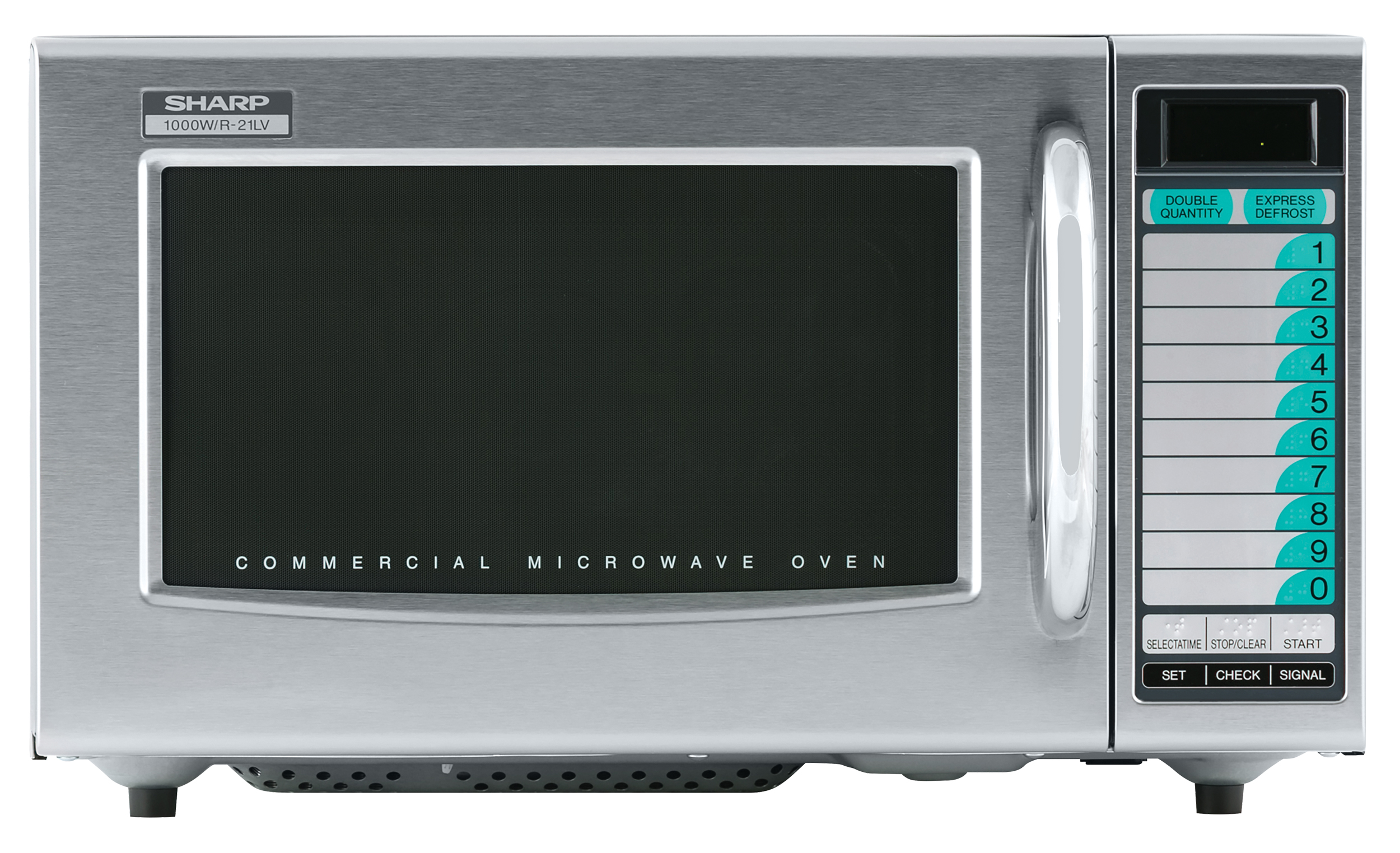
Microwave ovens come in a variety of wattage options, typically ranging from 600 to 1,200 watts. – 600 to 800 watts: These are usually compact microwaves, ideal for small kitchens or dorm rooms. They’re perfect for basic heating tasks but might struggle with more demanding cooking tasks. – 800 to 1,000 watts: This range is common in mid-sized microwaves, providing a balance of power and efficiency. They’re versatile enough for most cooking needs, from reheating leftovers to baking potatoes. – 1,000 to 1,200 watts: High-power microwaves fall into this category, offering quick and even cooking. They’re great for families who rely on their microwave for more than just reheating. Choosing the right wattage depends on your cooking habits and household needs. Do you often find yourself impatiently waiting for your microwave to finish? A higher wattage might be worth the investment. But if you mainly use it for occasional reheating, a lower wattage could suffice. Understanding these wattage basics can help you make a smarter decision next time you’re in the market for a microwave. What wattage does your microwave have, and does it meet your cooking needs?How Wattage Affects Cooking
Wattage plays a key role in how a microwave cooks food. It affects the speed and power the appliance uses. Higher wattage means more energy, which changes cooking results. Understanding this helps pick the right microwave for your needs.
Cooking Speed And Efficiency
Microwaves with higher wattage cook food faster. They use more energy to generate stronger heat. This reduces cooking time significantly. Lower wattage models take longer to heat or cook meals. Cooking efficiency improves with higher wattage, saving time in the kitchen.
Impact On Food Quality
High wattage microwaves cook food evenly and thoroughly. This prevents cold spots and undercooked areas. Food texture stays better, avoiding sogginess or dryness. Low wattage microwaves may leave parts uncooked or overcooked. Wattage influences both taste and safety of your meals.
Power Consumption And Energy Use
Understanding the power consumption and energy use of a microwave oven helps manage electricity bills better. Microwaves use watts to measure power, but energy use depends on how long the appliance runs. Knowing these details allows you to make smarter choices and save energy.
Difference Between Wattage And Energy Consumption
Wattage shows the microwave’s power level. It tells how much electricity the microwave uses at one moment. For example, a 1000-watt microwave uses 1000 watts of power while operating.
Energy consumption depends on wattage and usage time. It is measured in kilowatt-hours (kWh). Running a 1000-watt microwave for one hour uses 1 kWh of energy. Most microwaves run only a few minutes, so actual energy use is lower.
Estimating Electricity Costs
To find electricity costs, multiply energy use by your electricity rate. For instance:
- Microwave power: 1000 watts (1 kW)
- Usage time: 10 minutes (1/6 hour)
- Energy used: 1 kW × 1/6 hour = 0.167 kWh
- Electricity rate: $0.12 per kWh
- Cost: 0.167 kWh × $0.12 = $0.02
This means running the microwave for 10 minutes costs about 2 cents. Small changes in use time can affect your bill. Tracking usage helps control energy costs.
Microwave Power Settings Explained
Understanding microwave power settings can change the way you cook and save energy. Each power level uses a different number of watts, affecting both how fast and how evenly your food heats. Knowing what each setting does helps you make smarter choices in the kitchen.
Low, Medium, And High Power Levels
Microwaves typically offer multiple power levels, with Low, Medium, and High being the most common. Low powerusually uses around 20-30% of the microwave’s total wattage, ideal for gentle heating like defrosting or softening butter.
Medium poweroften runs at about 50-70% wattage, perfect for cooking foods more evenly without overcooking the edges.
High poweruses close to 100% of the microwave’s wattage, great for quickly heating leftovers or boiling water.
How Power Levels Influence Cooking Time
The power setting you choose directly affects how long your food takes to cook. Lower power means longer cooking time, but less risk of burning or drying out your meal.
Have you ever noticed your microwave’s medium setting takes almost twice as long as high power but results in better texture? That’s because the energy cycles on and off, letting heat distribute more evenly.
Choosing the right power level can help you avoid overcooked edges and cold centers. Experiment with your microwave’s settings—you might find that medium power saves you energy and improves your meal’s taste.
Choosing The Right Microwave Wattage
Choosing the right microwave wattage matters more than you might think. It directly impacts how quickly and evenly your food cooks. Picking a wattage that fits your cooking habits can save you time and improve meal quality.
Matching Wattage To Your Cooking Needs
Think about what you cook most often. If you mostly reheat leftovers or warm drinks, a microwave with 600 to 800 watts should work well. It uses less power but might take a bit longer to heat food.
If you prepare full meals or cook frozen dinners, aim for 900 to 1200 watts. Higher wattage means faster cooking and better browning, which can improve taste and texture. I once switched from a 700-watt to a 1000-watt microwave, and my frozen meals were ready in almost half the time.
Are you someone who values speed and efficiency in the kitchen? Then a higher wattage microwave will likely suit your needs best.
Space And Budget Considerations
Higher wattage microwaves tend to be larger and cost more. If your kitchen space is tight, you might need to balance wattage with size. Compact microwaves often have lower wattage but fit better on smaller counters.
Budget also plays a role. You can find affordable microwaves in the 700 to 900-watt range that handle everyday tasks well. But if you want something that cooks faster and handles more complex meals, expect to invest a bit more.
Ask yourself: Is convenience or cost more important for your cooking routine? This will help you decide the right wattage without overspending or compromising on space.
Credit: shop.sharpusa.com
Energy-saving Tips For Microwaves
Microwaves are common in many kitchens. They save time but also use electricity. Saving energy with your microwave helps lower your bills. Simple changes in how you use and care for your microwave make a big difference. Here are tips to use your microwave efficiently and keep it in good shape.
Using Microwave Efficiently
- Choose the right power level for your food.
- Heat only the amount of food you need.
- Cover food to trap steam and cook faster.
- Use microwave-safe containers that heat quickly.
- Avoid opening the door while cooking to keep heat inside.
- Defrost food in the microwave instead of letting it sit out.
- Use the microwave for small meals instead of the oven.
Maintenance For Optimal Performance
- Clean the interior regularly to remove food spills.
- Check the door seal to ensure it closes tightly.
- Replace the microwave if it shows signs of wear or damage.
- Keep the vents clear to prevent overheating.
- Test the turntable to make sure it rotates properly.
- Use a microwave power meter to check energy use.
Comparing Microwaves With Other Appliances
Understanding how much power your microwave uses compared to other kitchen appliances helps you make smarter energy choices. Different devices consume energy in unique ways, affecting your utility bill and environmental footprint. Let’s look closely at how microwaves stack up against ovens and toaster ovens in terms of wattage and efficiency.
Microwave Vs. Oven Power Use
Microwaves usually consume between 600 to 1200 watts, depending on their size and model. Conventional ovens, however, often use much more power, typically ranging from 2000 to 5000 watts. That’s a significant difference when you consider cooking times.
For instance, reheating a meal in your microwave might take just a few minutes, while the oven might need 15 to 30 minutes to reach the right temperature. This means the oven’s higher wattage can lead to more energy used overall, despite the shorter cooking time in the microwave.
Have you ever noticed how your oven gets hot even when it’s not cooking food? That standby energy use can add up, unlike microwaves that heat food directly and cool down quickly.
Microwave Vs. Toaster Oven Energy
Toaster ovens generally consume between 1200 and 1800 watts, placing them closer to microwaves but still often higher in power use. They heat food more like a traditional oven, using heating elements that take time to warm up and cool down.
Microwaves heat food by agitating water molecules directly, which makes them faster and usually more energy-efficient for simple tasks like reheating or defrosting. However, toaster ovens might be better for crisping or baking small portions.
Think about what you use most: quick reheats or more complex cooking? Choosing the right appliance for your needs can save both time and energy every day.

Credit: www.americastestkitchen.com
Frequently Asked Questions
How Many Watts Does A Standard Microwave Oven Use?
A standard microwave oven typically uses between 600 to 1200 watts. The wattage affects cooking speed and energy consumption. Higher wattage means faster cooking but increased electricity use. Check your microwave’s label for exact wattage to estimate energy costs accurately.
Does Microwave Wattage Affect Cooking Time?
Yes, microwave wattage directly impacts cooking time. Higher wattage microwaves cook food faster and more evenly. Lower wattage models require longer cooking times and may heat food unevenly. Always adjust cooking time based on your microwave’s wattage for best results.
How To Find Microwave Wattage On The Appliance?
Microwave wattage is usually listed on a label inside the door or back of the unit. It can also be found in the user manual or product specifications. Knowing the wattage helps you understand energy usage and adjust cooking times properly.
Can A Microwave’s Wattage Impact Electricity Bills?
Yes, microwave wattage affects electricity consumption and your bills. Higher wattage microwaves use more power but cook food faster, possibly saving energy overall. Using a microwave efficiently and avoiding overuse can help keep electricity costs down.
Conclusion
Microwave ovens usually use between 600 and 1200 watts. This power level affects cooking speed and energy use. Knowing your microwave’s wattage helps plan cooking times well. It also helps save electricity and avoid overcooking food. Choose a microwave wattage that fits your kitchen needs.
Simple facts like these make cooking easier and more efficient. Keep this in mind next time you heat your food. Understanding wattage is useful for every kitchen user.