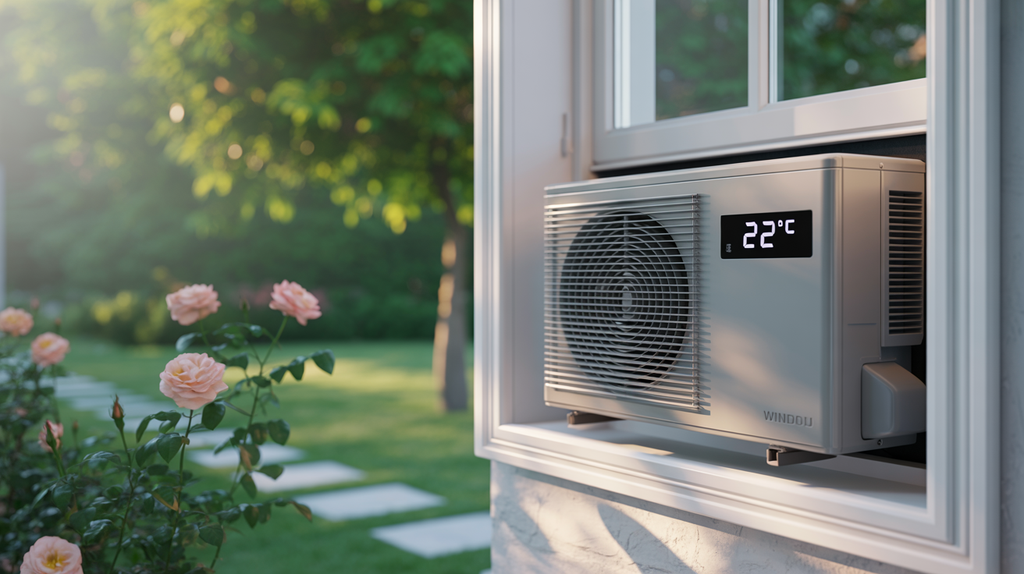
Are you curious about how much electricity your window air conditioner actually uses? Knowing the watts your unit consumes can help you save money and avoid surprise energy bills.
Whether you want to keep your home cool without breaking the bank or just understand your appliance better, this guide will give you clear, simple answers. Keep reading to discover how to calculate the power usage of your window air conditioner and learn smart tips to use it efficiently.
Your wallet—and your comfort—will thank you.
Air Conditioner Wattage Basics
Window air conditioners use electricity to cool a room. Knowing their power use helps manage energy bills. Wattage shows how much electricity the unit needs.
This guide explains what affects power use and typical watt ranges for these units.
What Determines Power Usage
Several factors affect how many watts a window air conditioner uses. These include the size, efficiency, and features of the unit.
- Unit Size:Larger units use more power to cool bigger spaces.
- Energy Efficiency:Models with better ratings use fewer watts for the same cooling.
- Temperature Setting:Lower temperatures increase power consumption.
- Additional Features:Features like fans or heaters add to power use.
Typical Wattage Range
Window air conditioners vary widely in wattage depending on their size and type. Below is a table showing typical wattage ranges.
| Unit Size (BTU) | Estimated Wattage (Watts) |
| 5,000 BTU | 400 – 600 Watts |
| 8,000 BTU | 700 – 900 Watts |
| 10,000 BTU | 900 – 1,200 Watts |
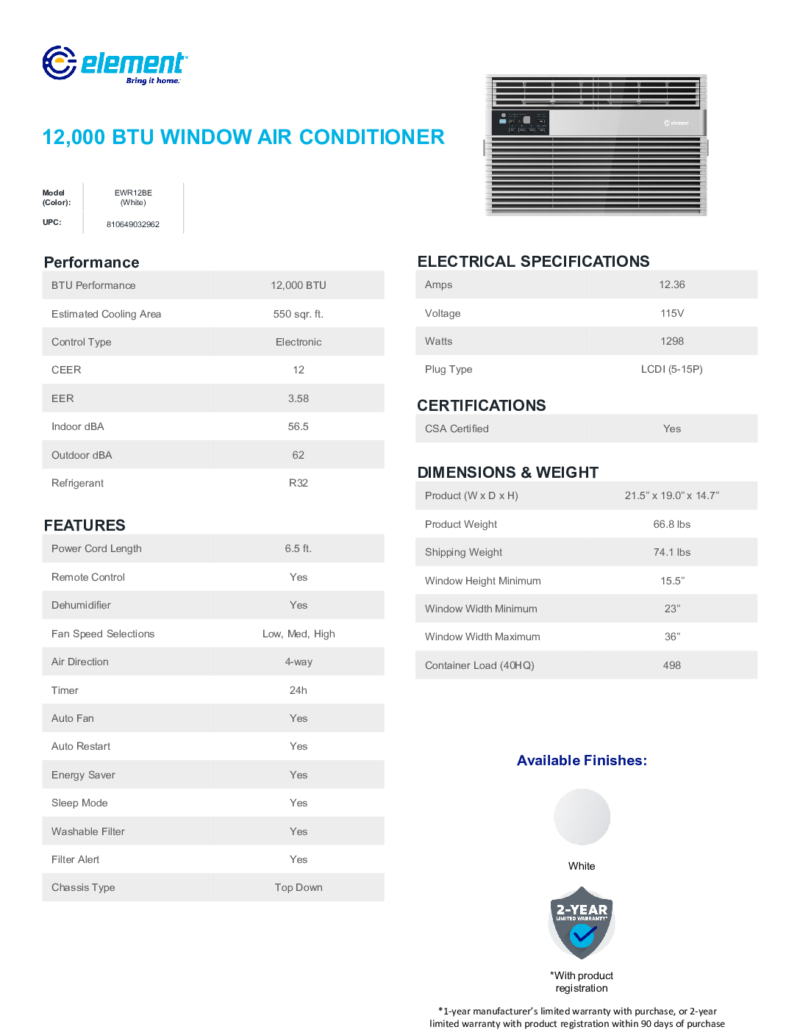
| 12,000 BTU | 1,000 – 1,400 Watts |
Factors Affecting Energy Consumption
Window air conditioners use different amounts of electricity. Many things change how much power they need.
Understanding these factors helps you save energy and reduce costs.
Unit Size And Cooling Capacity
The size of the air conditioner affects how many watts it uses. Bigger units cool larger rooms but use more energy.
| Unit Size (BTU) | Room Size (sq. ft.) | Approximate Power Use (Watts) |
|---|---|---|
| 5,000 | 100-150 | 500-600 |
| 8,000 | 200-300 | 700-900 |
| 12,000 | 400-550 | 1,000-1,300 |
Energy Efficiency Ratings
Energy efficiency ratings show how well a unit uses electricity. Higher ratings mean lower power use for the same cooling.
- SEER (Seasonal Energy Efficiency Ratio) measures cooling over a season.
- EER (Energy Efficiency Ratio) measures cooling at a specific temperature.
- Units with ENERGY STAR labels meet high efficiency standards.
Usage Patterns And Settings
How you use the air conditioner changes energy use. Settings like temperature and fan speed affect power consumption.
- Lower temperature settings make the unit work harder and use more watts.
- Running the fan only uses less power than cooling mode.
- Using a timer or energy saver mode can reduce electricity use.
- Frequent on and off cycles may increase energy consumption.
Calculating Energy Costs
Understanding how many watts a window air conditioner uses helps in estimating energy costs. This knowledge can aid in budgeting for your electricity bill.
Let’s explore the energy consumption of window air conditioners by estimating daily, monthly, and seasonal costs.
Estimating Daily Consumption
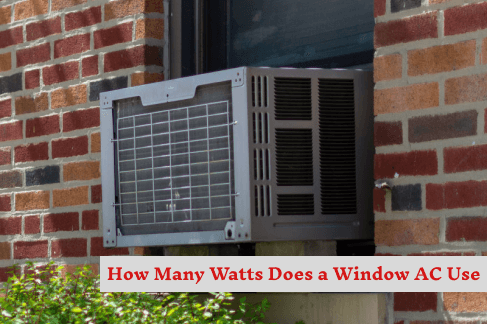
To estimate daily energy use, check the wattage on your air conditioner’s label. Most window units range from 500 to 1500 watts.
- Find the wattage: Look for the label on your unit.
- Determine hours of use: How long do you run it daily?
- Calculate daily use: Multiply watts by hours used.
- Convert to kilowatt-hours (kWh): Divide the result by 1000.
Monthly And Seasonal Costs
Once you have daily kWh, you can find monthly and seasonal costs. This requires knowing your local electricity rate.
| Period | Days | kWh | Cost ($) |
| Daily | 1 | kWh/day | Rate × kWh |
| Monthly | 30 | kWh × 30 | Rate × kWh × 30 |
| Seasonal (3 months) | 90 | kWh × 90 | Rate × kWh × 90 |
Credit: www.renogy.com
Comparing Window Ac To Other Cooling Options
Window air conditioners are a popular choice for cooling small spaces. They fit into a window and cool a single room. Other cooling options include split systems and portable AC units. Each type uses a different amount of electricity.
Understanding the energy use of each option helps you pick the best one for your needs. This guide compares window ACs with split systems and portable units.
Split Systems Vs. Window Units
Split systems have two parts: one inside and one outside your home. Window units are all in one box that sits in your window. Split systems often cool larger spaces and use energy more efficiently.
| Cooling Type | Average Power Use (Watts) | Cooling Capacity (BTU) | Best For |
|---|---|---|---|
| Window AC | 500 – 1500 | 5,000 – 12,000 | Single rooms, small spaces |
| Split System | 1000 – 3500 | 9,000 – 36,000 | Whole house, multiple rooms |
Split systems use more watts but can cool bigger areas. Window units use less power but only cool one room. Split systems also tend to be quieter and offer better air flow.
Portable Ac Energy Use
Portable air conditioners can be moved from room to room. They use electricity differently than window or split units. Portable ACs are often less efficient because they need a vent hose for hot air.
- Portable ACs use about 800 to 1500 watts.
- They cool one room but may lose some cooled air through the vent.
- They are easy to move but can be noisy.
- Window units are usually more energy efficient than portable ACs.
Tips To Reduce Power Usage
Window air conditioners can use a lot of electricity. Reducing power use saves money and helps the environment. Small changes can make your unit work better and use less energy.
Try these tips to keep your air conditioner efficient and cut down on power bills. Proper settings, regular care, and smart controls help a lot.
Optimal Temperature Settings
Setting the right temperature helps your air conditioner run less. Avoid very low temperatures because they use more power. Keep it comfortable but not too cold.
- Set the thermostat between 24°C and 26°C (75°F to 78°F).
- Avoid lowering the temperature quickly after turning it on.
- Use fans to help spread cool air and feel cooler.
- Close doors and windows to keep cool air inside.
Maintenance For Efficiency
Clean and check your air conditioner often. A clean unit uses less energy and cools better. Replace or clean filters every month during heavy use.
| Maintenance Task | Frequency | Effect on Power Usage |
| Clean or replace air filters | Monthly | Improves airflow, reduces energy use |
| Clear debris from outside unit | Seasonally | Helps heat exchange, saves power |
| Check for leaks and seal windows | Annually | Prevents cold air loss, lowers running time |
Using Timers And Smart Controls
Timers and smart controls help run your air conditioner only when needed. This stops wasting power when no one is home or during cooler times.
- Set timers to turn off the unit after you leave.
- Use smart thermostats to adjust temperature automatically.
- Program the air conditioner to run less at night.
- Control your unit remotely to avoid running it empty.
Credit: www.premium-electric.ca
Choosing The Right Window Ac
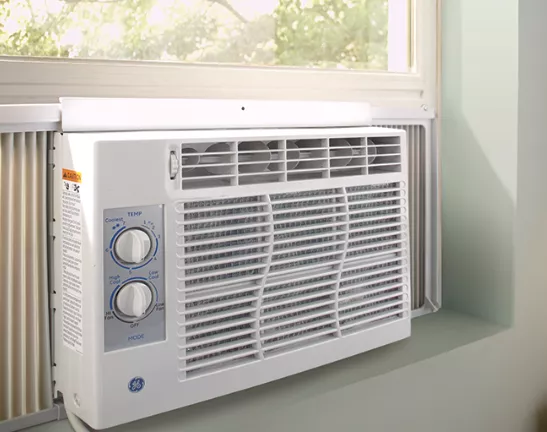
Window air conditioners use different watts based on their size. Choosing the right one saves energy and money.
Picking the right window AC means matching it to your room and checking its energy rating.
Matching Size To Room
Window ACs come in many sizes. Choose one that fits your room size to use power well.
A small AC in a big room uses more power trying to cool it. A large AC in a small room wastes energy.
- Small rooms (up to 150 sq ft): 5,000 to 6,000 BTU
- Medium rooms (150 to 300 sq ft): 7,000 to 8,200 BTU
- Large rooms (300 to 450 sq ft): 9,000 to 12,000 BTU
Checking Energy Star Ratings
Energy Star ratings show which window ACs use less electricity. Look for this label to save watts.
ACs with Energy Star use about 10-15% less energy than standard models. This reduces electric bills.
- Energy Star ACs meet strict energy efficiency guidelines
- They help reduce power use without losing cooling power
- Choosing them supports environmental protection
Credit: elementelectronics.com
Frequently Asked Questions
How Many Watts Does A Typical Window Ac Use?
A typical window air conditioner uses between 500 to 1500 watts. The exact wattage depends on the unit’s size and cooling capacity. Smaller units consume less power, while larger ones require more energy to cool effectively.
Does Wattage Affect Window Ac Energy Bills?
Yes, higher wattage means higher electricity consumption and increased energy bills. Choosing an energy-efficient window AC with lower wattage can reduce monthly costs. Proper usage and maintenance also help minimize power consumption.
How To Calculate Window Ac Power Usage In Kilowatt-hours?
Multiply the AC’s wattage by the hours of use, then divide by 1000. This gives you the kilowatt-hours (kWh) consumed. Tracking kWh helps estimate electricity costs and manage energy consumption better.
Are Energy-efficient Window Acs Lower In Wattage?
Energy-efficient window air conditioners typically use less wattage for the same cooling output. They have advanced compressors and better insulation. Look for models with Energy Star ratings to save on power and reduce costs.
Conclusion
A window air conditioner uses different watts based on size and model. Smaller units use less power, saving energy and costs. Larger units cool bigger rooms but need more electricity. Knowing watts helps you pick the right AC for your needs.
It also helps manage your electricity bills better. Choose wisely for comfort and savings. Keep these points in mind when shopping for a window air conditioner.