Have you ever wondered how much electricity your air conditioner uses every hour? Knowing the answer can help you save money on your energy bills and make smarter choices for your home.
You’ll discover exactly how many watts an air conditioner consumes, what affects its power use, and simple tips to keep your cooling costs down. Keep reading to take control of your energy use and stay cool without the shock of a high bill.
Air Conditioner Basics
An air conditioner uses electrical power to cool spaces. The power it uses is measured in watts. Different types of air conditioners use different amounts of power.
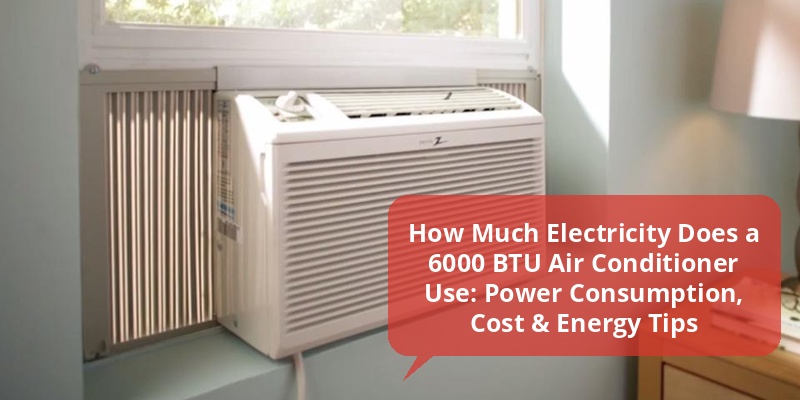
- Window unitsare small and cool one room. They use between 500 and 1500 watts per hour.
- Split systemshave two parts: an indoor and an outdoor unit. They use about 1000 to 3000 watts per hour.
- Central air conditionerscool whole buildings. They use between 2000 and 5000 watts per hour.
Key components of an air conditioner include the compressor, condenser, evaporator, and fan. The compressor moves refrigerant through the system. The condenser releases heat outside. The evaporator cools the air inside. The fan moves air over the evaporator and into the room.
Credit: northnjhvac.com
Factors Influencing Power Consumption
Size and capacityaffect how many watts an air conditioner uses. Bigger units need more power to cool large rooms. Small units use less energy but are best for small spaces.
Energy efficiency ratingshows how well the air conditioner uses power. Higher ratings mean less electricity use. Look for units with good ratings to save energy and money.
- Usage patternsimpact power consumption. Running the AC all day uses more watts than running it for a few hours.
- Setting the temperature lower makes the unit work harder and use more electricity.
Environmental factorslike outside temperature and humidity change how much power is needed. Hotter days make the AC run longer. Proper insulation helps reduce power use.
Calculating Power Usage
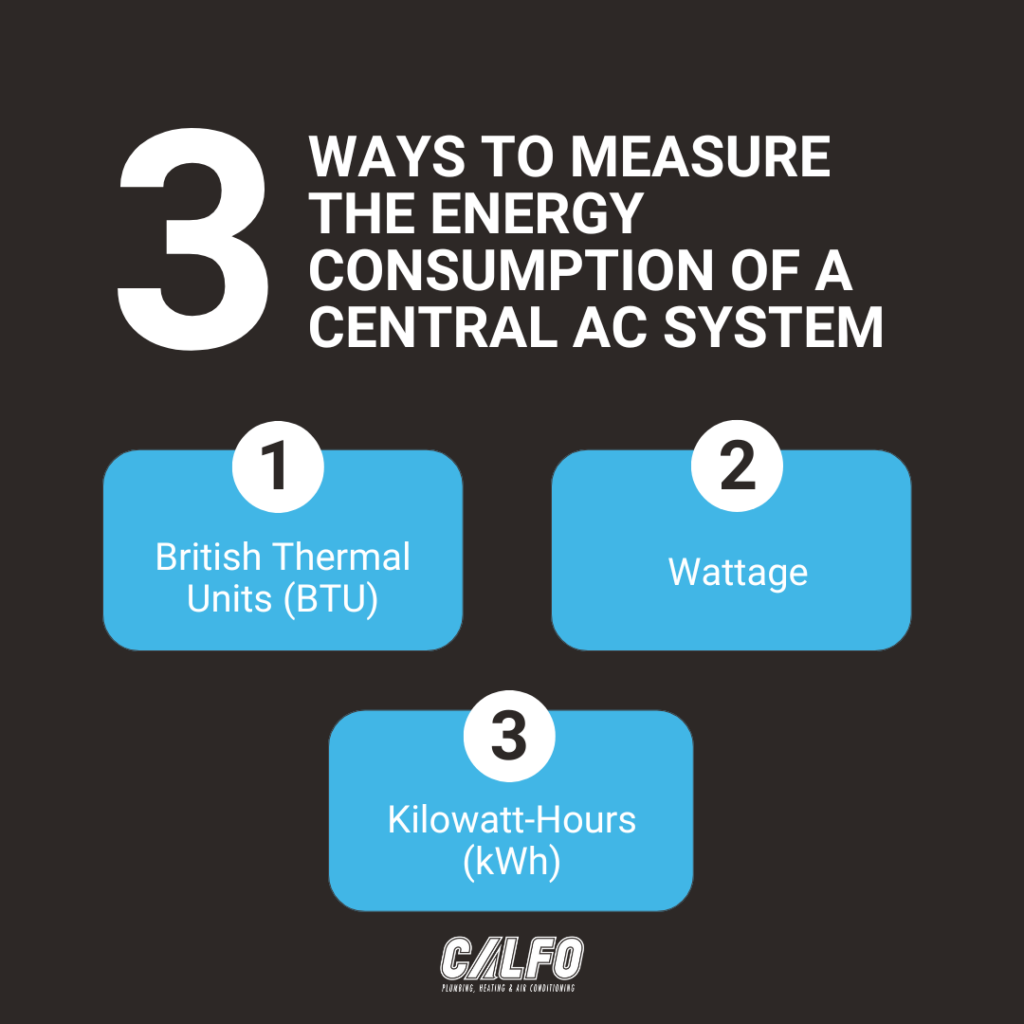
Wattageis the measure of power an air conditioner uses every hour. It shows how much electricity the unit needs to run. Most air conditioners have a label showing their wattage. This number helps estimate power use and cost.
To calculate power use, find the wattage on the AC label. Then, multiply the wattage by the number of hours the AC runs. For example, an AC using 1500 watts running for 3 hours uses 4500 watt-hours or 4.5 kilowatt-hours (kWh).
| AC Wattage (W) | Hours Used | Energy Used (Wh) | Energy Used (kWh) |
|---|---|---|---|
| 1000 | 4 | 4000 | 4 |
| 1500 | 3 | 4500 | 4.5 |
| 2000 | 2 | 4000 | 4 |

Credit: www.reddit.com
Energy Saving Tips
Setting your thermostatto a higher temperature in summer saves energy. Each degree higher can cut cooling costs by 3-5%. Use a programmable thermostat to adjust settings when you are away or asleep. This keeps your home comfortable and reduces power use.
Regularly cleaning or replacing air filters helps your AC run efficiently. Dust and dirt block airflow, making the system work harder and use more power. Check coils and ducts for dirt buildup and clean them yearly. Scheduling professional maintenance ensures your AC stays in good shape.
Replacing old units with energy-efficient modelscan lower electricity use. Look for units with a high SEER rating (Seasonal Energy Efficiency Ratio). These use less power while cooling the same space. Energy Star certified models meet strict efficiency guidelines.
Improving home insulation and sealing leakskeeps cool air inside. Seal windows, doors, and vents to stop air leaks. Adding insulation in walls and attics helps maintain temperature. This reduces how hard your AC must work, saving electricity and money.
Impact On Electricity Bills
Estimating monthly electricity costsdepends on the air conditioner’s wattage and usage hours. For example, a 1500-watt unit running 8 hours daily uses 12 kWh per day. Multiply that by your electricity rate to find daily cost. Multiply by 30 days for monthly cost. This simple math helps predict your bills.
Comparing with other home appliances shows how much energy ACs use. Here is a quick comparison:
| Appliance | Power (Watts) | Average Daily Use (Hours) | Daily Energy Use (kWh) |
|---|---|---|---|
| Air Conditioner | 1500 | 8 | 12 |
| Refrigerator | 150 | 24 | 3.6 |
| LED TV | 100 | 5 | 0.5 |
| Microwave | 1000 | 0.5 | 0.5 |
Long-term costs depend on usage, efficiency, and electricity price changes. Using energy-efficient models saves money. Regular maintenance keeps units running well and lowers costs. Watching usage times helps control bills.

Credit: www.greenwashingindex.com
Future Of Air Conditioner Technology
Air conditioners are becoming more energy efficient. New designs use less power to cool rooms. This helps save electricityand money.
Many air conditioners now connect with smart home systems. You can control them with phones or voice commands. This makes cooling more convenientand customizable.
- Some units learn your schedule and adjust automatically.
- Others can turn off when no one is home.
- Smart sensors detect room temperature and humidity for comfort.
Eco-friendly models use new refrigerants that harm the environment less. Many use parts that can be recycled. These changes support sustainabilityand reduce carbon footprint.
Frequently Asked Questions
How Many Watts Does A Typical Air Conditioner Use?
A typical air conditioner uses between 500 to 1500 watts per hour. The exact usage depends on its size, model, and efficiency. Larger units consume more power, while energy-efficient models use less. Checking the unit’s specifications helps estimate its hourly wattage accurately.
What Factors Affect An Air Conditioner’s Power Consumption?
Power consumption varies based on unit size, cooling capacity, age, and thermostat settings. Outdoor temperature and room insulation also impact usage. Newer models with inverter technology consume less energy. Regular maintenance ensures optimal performance and reduces unnecessary power use.
Can Using An Air Conditioner Increase My Electricity Bill?
Yes, running an air conditioner significantly raises your electricity bill. The cost depends on the unit’s wattage and usage duration. Using energy-efficient models and setting higher temperatures can reduce electricity costs. Regularly cleaning filters also improves efficiency and lowers power consumption.
How To Calculate Air Conditioner Wattage Per Hour?
Check the AC’s energy label or manual for wattage details. Multiply the wattage by hours of use to find total energy consumption. For example, a 1000-watt AC running for 3 hours uses 3000 watt-hours or 3 kWh. This helps estimate electricity costs accurately.
Conclusion
Knowing how many watts an air conditioner uses helps save energy. Smaller units use less power, while bigger ones need more. Running your AC efficiently can lower your electricity bill. Setting the right temperature also reduces power use. Regular maintenance keeps your air conditioner working well.
Understanding energy use helps you make smart choices. Keep these tips in mind for cooler, cost-effective days.