Are you wondering how many watts your air conditioner uses? Knowing this can help you save money and avoid surprise high electricity bills.
Whether you’re picking a new AC or trying to understand your current one, understanding watts is key. You’ll discover exactly how to figure out the power your air conditioner needs and how it affects your energy costs. Keep reading to make smarter choices for your comfort and your wallet.
Credit: northnjhvac.com
Air Conditioner Power Basics
Air conditioners use power to cool your space. This power is measured in watts and BTUs. Knowing these helps you pick the right AC unit.
Choosing the correct power size saves energy and keeps your room comfortable. Let’s explore what watts and BTUs mean.
Watts Vs Btus
Watts show how much electricity an air conditioner uses. BTUs measure how much heat it can remove from a room.
Higher BTUs mean the AC can cool bigger rooms. Watts tell you the energy needed to run the AC.
- Watts = power consumption
- BTUs = cooling capacity
- More BTUs cool larger spaces
- More watts mean higher energy use
How Ac Power Affects Performance
The power of an air conditioner affects how well it cools and how much energy it uses. A unit with too low power won’t cool well.
A unit with too much power wastes electricity and costs more to run. Matching the power to your room size is key.
- Correct power size cools efficiently
- Too little power cools slowly
- Too much power wastes electricity
- Energy efficiency saves money

Credit: truegear.com.au
Calculating Your Cooling Needs
Choosing the right air conditioner size is important for comfort and efficiency. Several factors determine how many watts you need to cool your space.
This guide will help you calculate the cooling needs based on room size, climate, and usage. You’ll learn what to consider before buying an air conditioner.
Room Size And Insulation
The size of your room and its insulation affect the cooling power needed. Larger rooms require more watts to maintain a comfortable temperature.
| Room Size (sq ft) | BTUs Required |
| 100-150 | 5,000 |
| 150-250 | 6,000 |
| 250-300 | 7,000 |
| 300-350 | 8,000 |
Climate And Temperature Factors
In hotter climates, air conditioners work harder. This means more watts are required for effective cooling.
Number Of Occupants And Appliances
More people and devices generate heat, increasing the need for cooling power. Each person adds to the total heat load.
- Each person adds roughly 600 BTUs
- Heat-generating appliances like ovens and computers increase cooling needs
- Assess the total number of devices used regularly
Types Of Air Conditioners And Their Power Usage
Air conditioners come in different types. Each type uses a different amount of power. Knowing this helps you pick the right one for your home or office.
The power of an air conditioner is measured in watts. This shows how much electricity it needs to run. Let’s look at common types and their power use.
Window Units
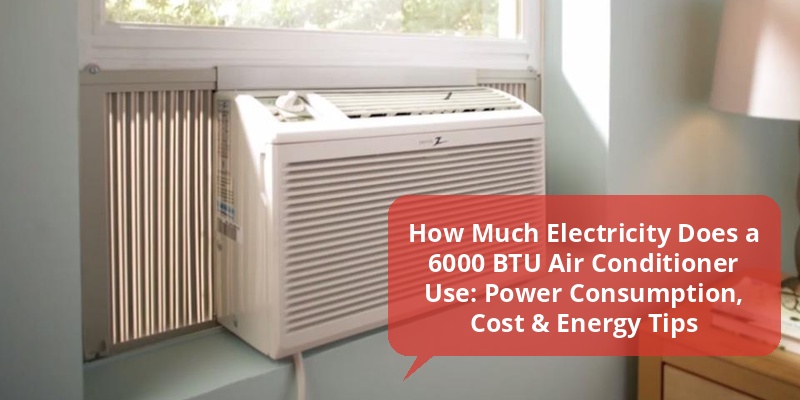
Window air conditioners are small units that fit in a window. They cool one room at a time. These units use less power than bigger systems.
Window ACs usually use between 500 and 1500 watts. The exact power depends on the size and cooling capacity of the unit.
- Small window units: around 500 to 800 watts
- Medium units: about 800 to 1200 watts
- Larger units: up to 1500 watts
Split Systems
Split systems have two parts: one inside and one outside. They cool one or more rooms. These systems use more power than window units.
Power use ranges from 1000 to 3500 watts. This depends on the size of the system and the area it cools.
- Small split systems: about 1000 to 2000 watts
- Medium systems: 2000 to 3000 watts
- Large systems: up to 3500 watts or more
Portable Acs
Portable air conditioners can move from room to room. They are easy to install but usually less efficient. These units use similar power to window units.
Most portable ACs use between 800 and 1500 watts. Power depends on the cooling strength and model.
- Smaller portable units: 800 to 1000 watts
- Larger portable units: up to 1500 watts
Central Air Conditioning
Central air conditioning cools an entire building. It uses ducts to spread cool air. These systems use the most power among all types.
Central AC units often use between 3000 and 5000 watts. Larger homes or buildings need more powerful systems.
- Small central AC: about 3000 watts
- Medium systems: 3500 to 4500 watts
- Large systems: 4500 watts and up
Energy Efficiency And Power Consumption
Air conditioners use power to cool your home. Knowing how many watts they need helps manage energy use.
Energy efficiency shows how well the air conditioner uses electricity. A more efficient unit saves money and power.
Seer Ratings Explained
SEER means Seasonal Energy Efficiency Ratio. It measures cooling output divided by energy used over a season.
A higher SEER rating means the air conditioner uses less power for the same cooling. This lowers electric bills.
- SEER 13 is the minimum standard in many places.
- SEER 16 or higher is very efficient.
- Older units may have SEER ratings below 10.
Choosing Energy-efficient Models
Pick air conditioners with high SEER ratings to save power. Check labels before buying.
Energy-efficient models use less watts to cool the same space. This helps reduce your energy bills.
- Look for ENERGY STAR certified models.
- Consider inverter technology for better efficiency.
- Match unit size to room size to avoid wasted energy.
Estimating Electricity Costs
Air conditioners use different amounts of power depending on their size. Knowing how many watts your AC uses helps estimate your electricity costs. This guide shows how to calculate daily and monthly usage.
By understanding your air conditioner’s energy use, you can plan your budget better. You will also find tips to lower your power bills.
Calculating Daily And Monthly Usage
First, find the wattage of your air conditioner. It is usually on the label or in the manual. Then, multiply watts by hours used each day to get daily watt-hours.
To get monthly use, multiply daily watt-hours by the number of days you use the AC in a month. Divide by 1,000 to convert to kilowatt-hours (kWh), the unit electric companies use.
- Find AC wattage (e.g., 1,200 watts)
- Multiply by hours used daily (e.g., 1,200 x 8 = 9,600 watt-hours)
- Convert to kWh (9,600 ÷ 1,000 = 9.6 kWh per day)
- Multiply by days used in month (9.6 x 30 = 288 kWh)
Tips To Lower Power Bills
Using your air conditioner smartly can save money. Set a higher temperature when no one is home. Use fans to help cool the room faster.
- Close windows and doors while AC runs
- Use energy-efficient AC models
- Maintain your AC with regular filter cleaning
- Use a programmable thermostat to control cooling times
- Keep blinds or curtains closed during hot days
Power Requirements For Installation
Air conditioners need the right amount of power to work well. Knowing how many watts your unit uses helps you install it safely.
The power requirement depends on the size and type of the air conditioner. This affects the electrical setup needed for installation.
Circuit And Outlet Specifications
Air conditioners often require a dedicated circuit to avoid overload. The circuit must match the unit’s wattage and amperage needs.
The outlet type depends on the air conditioner’s power rating. Most small units use standard 120V outlets, while larger ones need 240V outlets.
- Check the air conditioner’s wattage on the label
- Use a circuit breaker that fits the amperage rating
- Install the correct outlet voltage (120V or 240V)
- Ensure wiring can handle the electrical load
Safety Considerations
Proper installation prevents electrical hazards. Follow safety rules to protect your home and the air conditioner.
Use a licensed electrician if unsure about wiring or circuit setup. Avoid using extension cords with air conditioners.
- Turn off power before starting installation
- Use a dedicated circuit for the air conditioner
- Check for proper grounding and circuit breaker size
- Keep wiring neat and secure to prevent damage
- Test the unit after installation for safe operation
Common Mistakes In Selecting Ac Power
Selecting the right air conditioner power matters. Choosing wrong wattage can waste energy and money.
Many people make simple mistakes when picking an AC unit. These errors can cause poor cooling or high bills.
Overestimating Power Needs
People often pick air conditioners with too much power. They think bigger is always better for cooling fast.
- Buying an AC with more watts than needed raises electricity costs.
- Too much cooling can make the room feel cold and uncomfortable.
- Large units cycle on and off more, causing wear and tear.
- Oversized ACs waste energy and reduce unit lifespan.
It is best to measure room size and heat load before buying an AC. Use a unit that fits the space.
Ignoring Energy Efficiency
Many buyers choose ACs based on wattage alone. They forget to check energy efficiency ratings.
| Factor | Impact |
| High Energy Efficiency Ratio (EER) | Lower power use for same cooling |
| Low Seasonal Energy Efficiency Ratio (SEER) | Higher electricity bills |
| Energy Star Certified | Meets strict efficiency standards |
| Poor Efficiency | Wastes power and costs more long term |
Check efficiency labels before purchase. Efficient AC units save power and reduce costs over time.
Future Trends In Ac Power Consumption
Air conditioners use a lot of power. New technology aims to reduce this. This helps save energy and cut costs.
Future trends focus on smart controls and clean energy. These changes make cooling more efficient and eco-friendly.
Smart Acs And Power Management
Smart air conditioners adjust power use based on needs. They connect to phones and sensors for better control.
- Use sensors to detect room occupancy
- Adjust temperature automatically
- Turn off when no one is home
- Schedule cooling for peak hours
- Monitor energy use with apps
Renewable Energy Integration
Solar and wind power can supply air conditioners with clean energy. This lowers the carbon footprint of cooling.
| Energy Source | Benefit | Challenge |
| Solar Power | Abundant and clean | Needs sunny weather |
| Wind Power | Renewable and strong | Unpredictable output |
| Battery Storage | Stores energy for use | High cost and capacity limits |

Credit: aurorasolar.com
Frequently Asked Questions
How Many Watts Does A Typical Air Conditioner Use?
A typical air conditioner uses between 500 to 1500 watts depending on its size and efficiency. Smaller units consume less power, while larger or central AC systems use more. Energy-efficient models can reduce electricity consumption significantly.
What Factors Affect An Air Conditioner’s Wattage?
Air conditioner’s wattage depends on its cooling capacity, efficiency rating, and room size. Larger rooms require more powerful units, which consume more watts. Energy-saving features and thermostat settings also influence overall power usage.
How To Calculate Watts Needed For My Air Conditioner?
To calculate watts, multiply the BTU rating by 0. 293. For example, a 12,000 BTU unit uses about 3,516 watts. Consider room size and insulation to choose the right wattage for efficient cooling.
Can A Higher Wattage Air Conditioner Save Energy?
Not always. Higher wattage means more power consumption, but efficiency matters more. Choosing an energy-efficient model with proper capacity can save energy and reduce electricity bills. Wattage alone doesn’t guarantee energy savings.
Conclusion
Choosing the right wattage for your air conditioner matters a lot. It affects comfort and your electric bill. A unit too small cools poorly. Too large wastes energy and money. Think about your room size and climate first. Check the air conditioner’s energy label and power needs.
This helps pick the best option for you. Staying informed saves money and keeps your home cool. Simple steps make a big difference in comfort and cost.