Are you wondering how many watts your air conditioner needs to keep your room cool without wasting energy? Choosing the right wattage is key to staying comfortable while saving money on your electricity bill.
If your AC uses too much power, you could be overspending. If it’s too low, your room might never feel cool enough. You’ll discover exactly how to find the perfect wattage for your air conditioner. Keep reading to make sure your cooling system works efficiently and fits your needs perfectly.
Air Conditioner Power Basics
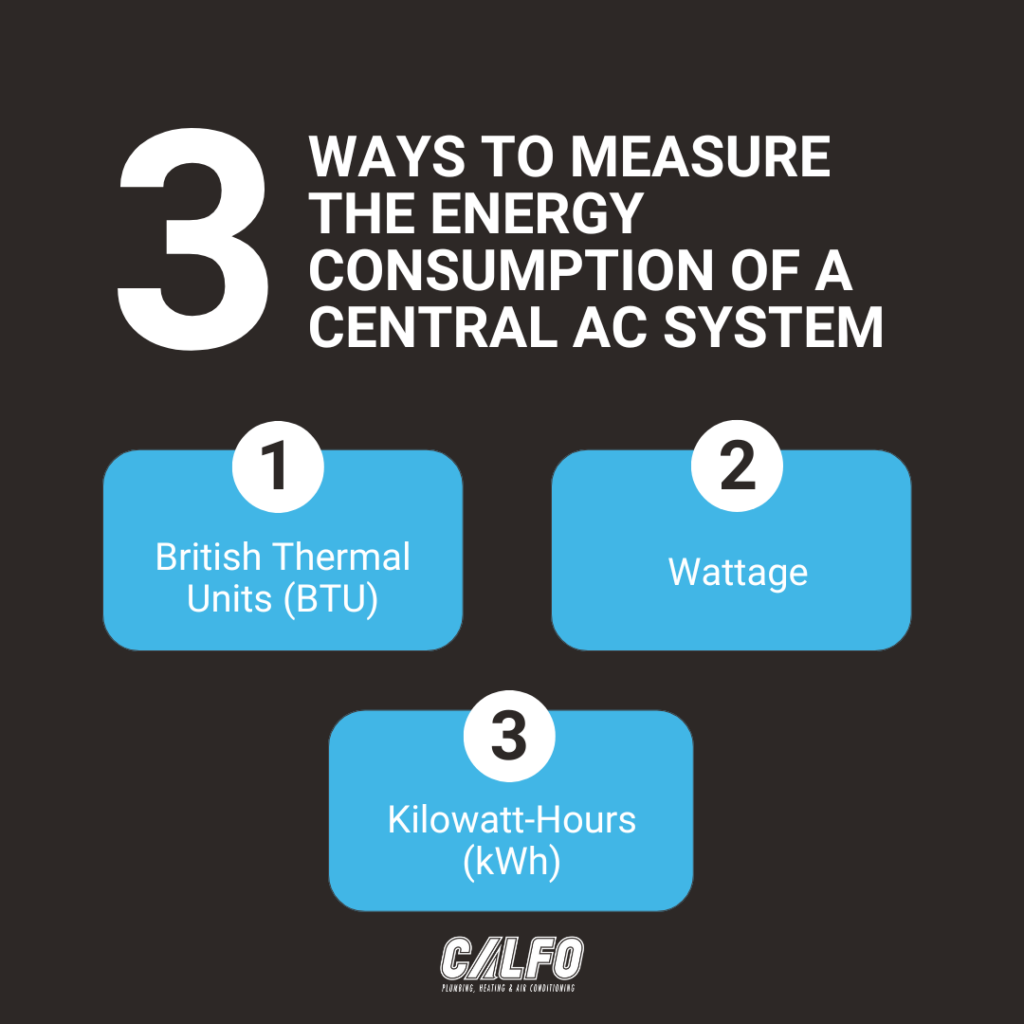
Wattsand BTUsare two key ways to measure air conditioner power. Watts show how much electricitythe AC uses. BTUs tell how much heatthe AC can remove from a room.
One BTU equals the energy needed to cool one pound of water by one degree Fahrenheit. The higher the BTU number, the more cooling power the AC has.
| Power Measurement | What It Shows | Example |
|---|---|---|
| Watts | Electricity used by the AC | 500 Watts means 500 units of power used |
| BTUs | Cooling capacity of the AC | 10,000 BTUs cools a medium-sized room |
Power usage depends on several factors:
- Room size and insulation quality
- Temperature outside
- AC unit efficiency
- How often the AC runs
Understanding these helps in choosing the right AC size for your needs.
Credit: northnjhvac.com
Calculating Ac Wattage Needs
The size of the roomis key for choosing the right AC wattage. Bigger rooms need more power to cool down effectively. Usually, about 20 wattsper square foot works well.
Good insulationkeeps cool air inside and saves energy. Windows let heat in, so rooms with many windows or poor insulation need a stronger AC.
The climateaffects power needs too. Hotter places or rooms used often require more cooling power. Use an AC with higher watts for heavy usage.
Typical Wattage For Different Ac Types
Window air conditionersusually consume between 500 to 1500 watts. Smaller units use less power, best for small rooms.
Split and central AC unitsneed more power. They can use from 2000 to 5000 watts. Central ACs cool whole houses, so they use more energy.
Portable air conditionersare in the range of 800 to 2000 watts. They are easy to move but may use more power than window units.
| AC Type | Power Usage (Watts) | Best For |
|---|---|---|
| Window AC | 500 – 1500 | Small rooms |
| Split/Central AC | 2000 – 5000 | Whole house or large spaces |
| Portable AC | 800 – 2000 | Flexible use, small to medium rooms |
Energy Efficiency And Power Consumption
SEER ratingsshow how well an air conditioner uses energy. Higher SEER means better efficiency and lower power use. Most homes use AC units with SEER ratings between 13 and 21. Choosing a unit with a higher SEER saves money on bills over time.
Energy Star certifiedAC units meet strict energy rules. They use less power and help reduce electricity bills. These units also lower carbon footprints. Look for the Energy Star labelwhen buying a new air conditioner.
- Set temperature to a comfortable but not too low level
- Use fans to help cool the room faster
- Keep windows and doors closed while AC runs
- Clean or replace filters regularly for better airflow
- Use curtains or blinds to block sunlight during the day
Choosing The Right Wattage Ac
Choosing the right wattage for an air conditioner depends mainly on the room size. A small room needs less power, while a large room requires more.
Too big an AC unit wastes energy and costs more to run. Too small a unit won’t cool the room well. The right size keeps the room comfortable and saves money.
| Room Size (sq. ft.) | Recommended AC Wattage (Watts) | Approximate BTU |
|---|---|---|
| Up to 150 | 500 – 700 | 5000 – 7000 |
| 150 – 300 | 700 – 1200 | 7000 – 12000 |
| 300 – 500 | 1200 – 2000 | 12000 – 20000 |
Power costs add up. Higher wattage means higher electricity bills. Consider both upfront price and running cost.
- Check your room size carefully.
- Pick an AC with wattage that fits the space.
- Balance comfort and energy use.

Credit: truegear.com.au
Power Supply And Installation Considerations
Air conditioners need a dedicated power supplyto work safely. The electrical requirementsdepend on the unit’s wattage. Most small units use 110-120 volts, while larger models may need 220-240 volts. A proper circuit breakermust match the air conditioner’s power needs to prevent overload.
Typical circuit breaker sizes for air conditioners range from 15 to 50 amps. The breaker size depends on the unit’s amp draw. Check the manufacturer’s label for exact numbers.
- Always hire a licensed electricianfor installation.
- Use the correct wiring sizeto avoid fire risks.
- Ensure the circuit breaker and wiring match the air conditioner’s power rating.
- Test the installation before regular use.

Credit: udpwr.com
Frequently Asked Questions
How Many Watts Does A Standard Ac Use?
A standard air conditioner typically uses between 500 to 1500 watts. The exact wattage depends on the unit’s size and efficiency. Smaller units, like window ACs, usually consume less power than larger central systems. Always check the manufacturer’s specifications for precise wattage details.
What Factors Affect Ac Wattage Consumption?
Several factors influence AC wattage consumption, including unit size, efficiency rating, and room size. Weather conditions and thermostat settings can also impact energy usage. Proper insulation and maintenance play a vital role in optimizing wattage efficiency and reducing energy costs.
Is Higher Wattage Ac More Efficient?
Higher wattage does not necessarily mean more efficiency. Efficiency depends on the AC’s Energy Efficiency Ratio (EER) or Seasonal Energy Efficiency Ratio (SEER). Units with higher EER or SEER ratings are more efficient, even if they use less wattage. Always compare these ratings before purchasing.
Can A Low-wattage Ac Cool A Large Room?
Low-wattage ACs may struggle to cool large rooms effectively. They are typically designed for smaller spaces. For large areas, a higher-capacity unit is recommended to ensure efficient cooling. Match the AC’s BTU rating with the room size for optimal performance.
Conclusion
Choosing the right wattage for your air conditioner saves energy and money. Small rooms need less power, while large spaces require more. Check the size of your room before buying. A properly sized AC keeps your home cool and comfortable.
Avoid units that are too strong or too weak. This helps your air conditioner last longer and work better. Remember, a good choice means lower bills and happier summers. Keep these tips in mind when picking your air conditioner’s watts.
Stay cool and save smartly.