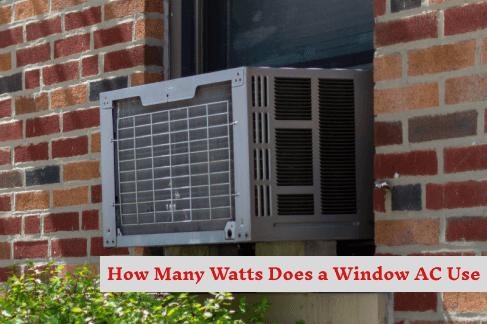
Are you curious about how many watts your air conditioner uses? Understanding this can help you save money on your energy bills and choose the right unit for your home.
Knowing the power consumption of your AC also gives you better control over your energy use. You’ll discover simple ways to calculate watts in your air conditioner and learn tips to keep your cooling costs low. Keep reading to make smart decisions for your comfort and budget!
Air Conditioner Power Basics
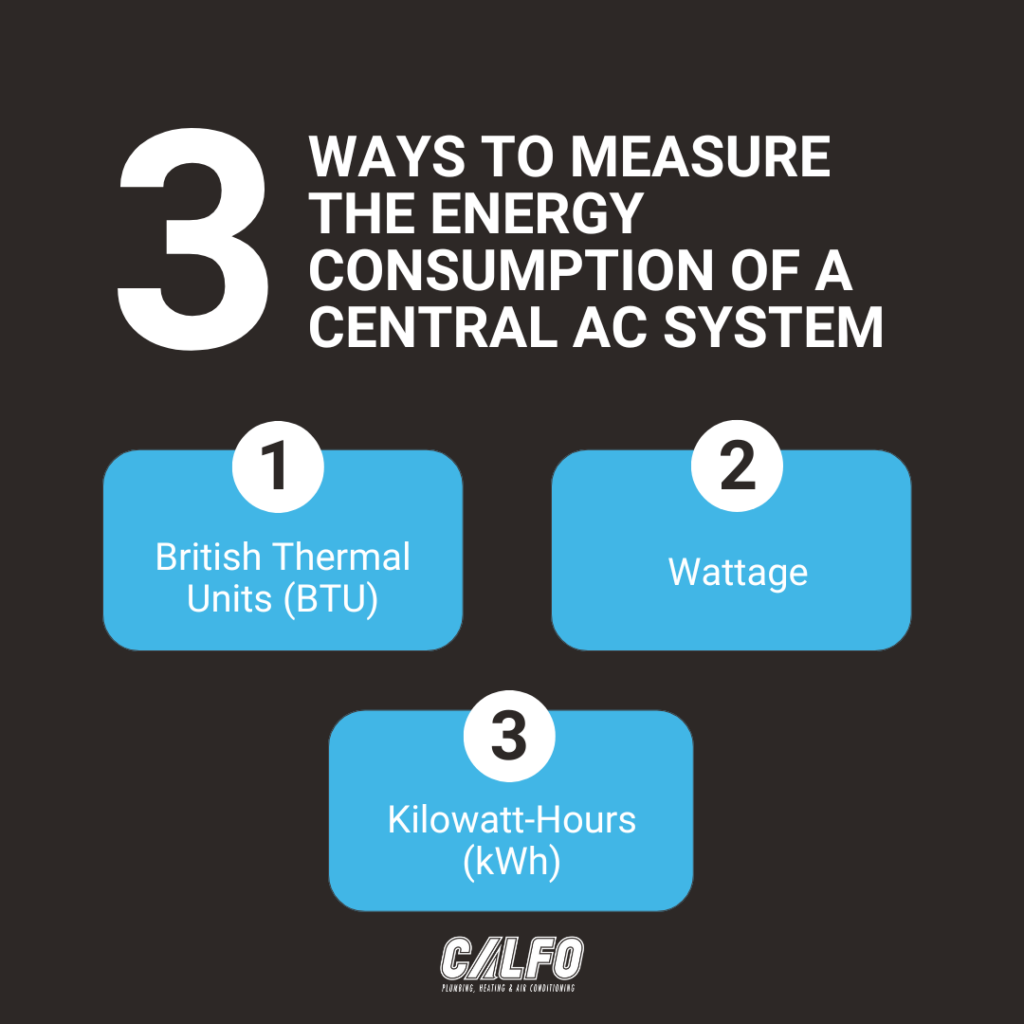
Wattsmeasure the electric poweran air conditioner uses. BTUs(British Thermal Units) show how much heat the AC can remove. A higher BTU means more cooling power. Watts tell you about energy use. Both are important to choose the right AC.
Several factors affect power consumptionof air conditioners:
- Room size – Bigger rooms need more power.
- AC type – Window units use less power than central ACs.
- Energy efficiency – Higher efficiency means lower watts used.
- Temperature setting – Lower temperatures use more power.
- Usage time – Longer running increases energy consumption.

Credit: truegear.com.au
Typical Wattage Of Air Conditioners
Air conditioners use different amounts of powerbased on their type and size. The wattagetells us how much electricity the unit needs.
| Type | Typical Wattage Range | Notes |
|---|---|---|
| Window Units | 500 – 1,500 watts | Good for small rooms. Easy to install. |
| Split Systems | 1,000 – 3,500 watts | Two parts: indoor and outdoor. Quieter operation. |
| Central Air Conditioners | 3,000 – 5,000+ watts | Cool whole houses. Higher power use. |
Calculating Energy Usage
An air conditioner’s power use depends on its wattageand how long it runs. Most AC units use between 500 to 1500 watts. The higher the wattage, the more energy it consumes.
To find out energy use, multiply the wattage by the running hours. For example, a 1000-watt AC running 5 hours uses 5000 watt-hoursor 5 kWh.
| Wattage (W) | Running Time (hours) | Energy Used (kWh) |
|---|---|---|
| 1000 | 5 | 5 |
| 1500 | 3 | 4.5 |
| 750 | 8 | 6 |
Estimating monthly use means knowing daily use times. Multiply daily kWh by days in the month. This helps to see the total energy costand plan electricity bills better.
Credit: www.renogy.com
Energy Efficiency Ratings
SEER(Seasonal Energy Efficiency Ratio) and EER(Energy Efficiency Ratio) show how well an air conditioner uses electricity. SEER measures efficiency over a season. EER measures efficiency at a specific temperature.
The higher the SEER or EER, the less electricity the air conditioner uses. This means lower power bills and less energy waste.
| Rating | Meaning | Impact on Power Usage |
|---|---|---|
| SEER | Efficiency over cooling season | Higher SEER = less power used |
| EER | Efficiency at a specific temperature | Higher EER = more power savings |
Choosing an air conditioner with a good SEER and EER helps save electricity. It also reduces your home’s carbon footprint.
Ways To Reduce Ac Power Consumption
Set the thermostatto a comfortable temperature, not too cold. A setting of 78°F (26°C) saves energy and keeps rooms cool. Avoid frequent changes to the thermostat; constant shifts use more power. Use a programmable thermostat to adjust settings automatically during the day and night.
- Clean or replace air filtersregularly for better airflow.
- Check and fix any leaksin the AC unit or ducts.
- Keep the outdoor unit free from debrisand dirt.
- Schedule professional maintenanceat least once a year.
Good insulationkeeps cool air inside and hot air outside. Use weather stripping on doors and windows to seal gaps. Proper ventilationhelps remove hot air from your home. Use fans to improve air circulation. Shade windows to reduce heat from the sun.

Credit: aurorasolar.com
Power Usage For Different Room Sizes
Power usage of air conditioners changes by room size. Small rooms usually need about 500 to 1,200 watts. These are rooms like bedrooms or small offices. Using a smaller unit saves electricity and cools well.
Medium rooms need more power, around 1,200 to 2,000 watts. This fits living rooms or larger bedrooms. A medium AC handles more space but uses more energy.
Large rooms require the most power, often 2,000 to 3,500 watts. Big rooms, halls, or open spaces need strong cooling. Bigger units use more electricity but keep the room cool.
| Room Size | Typical Power Usage (Watts) |
|---|---|
| Small Rooms | 500 – 1,200 |
| Medium Rooms | 1,200 – 2,000 |
| Large Rooms | 2,000 – 3,500 |
Solar Power And Air Conditioners
Solar power can help run an air conditioner using clean energy. Solar panels capture sunlight and turn it into electricity. This electricity powers the air conditioner, reducing electricity bills.
Choosing the right solar panels depends on the air conditioner’s wattage. A typical AC uses between 1,000 to 2,000 watts. More panels mean more power, especially on sunny days.
- Solar panels need sunlight to work best.
- Cloudy days reduce power output.
- Panels should face the sun for maximum energy.
Battery storage keeps extra solar power for night use. Batteries store energy generated during the day. This means the air conditioner can run even when the sun is down.
| Battery Type | Use Time | Cost | Life Span |
|---|---|---|---|
| Lead-Acid | Short | Low | 3-5 years |
| Lithium-Ion | Long | High | 10+ years |
Frequently Asked Questions
How Many Watts Does A Typical Ac Use?
A typical air conditioner uses between 500 to 3,500 watts. The exact wattage depends on the size and type of the unit. Portable units typically use less energy than central systems. Always check the unit’s specifications for accurate wattage.
What Affects An Air Conditioner’s Watt Usage?
Several factors affect watt usage, including the unit’s size, efficiency, and settings. Environmental conditions like room size and insulation also play a role. Regular maintenance ensures optimal performance and energy efficiency, reducing watt usage.
Can Ac Wattage Impact Electricity Bills?
Yes, higher wattage air conditioners consume more electricity, increasing energy bills. Choosing energy-efficient models can significantly reduce costs. Using energy-saving settings and regular maintenance also helps lower electricity consumption.
Is It Possible To Calculate Ac Wattage?
Yes, you can calculate AC wattage using the formula: Watts = Amps x Volts. Check the unit’s label for amperage and voltage. Alternatively, refer to the manufacturer’s specifications for exact wattage information.
Conclusion
Knowing how many watts an air conditioner uses helps save energy and money. Different models use different power levels, so check the label before buying. Smaller units use fewer watts, while bigger ones need more energy. Using the right size keeps your home cool without wasting electricity.
Regular maintenance also helps your AC run efficiently. Understanding watts lets you choose smart and stay comfortable. It’s a simple step toward better energy use at home.