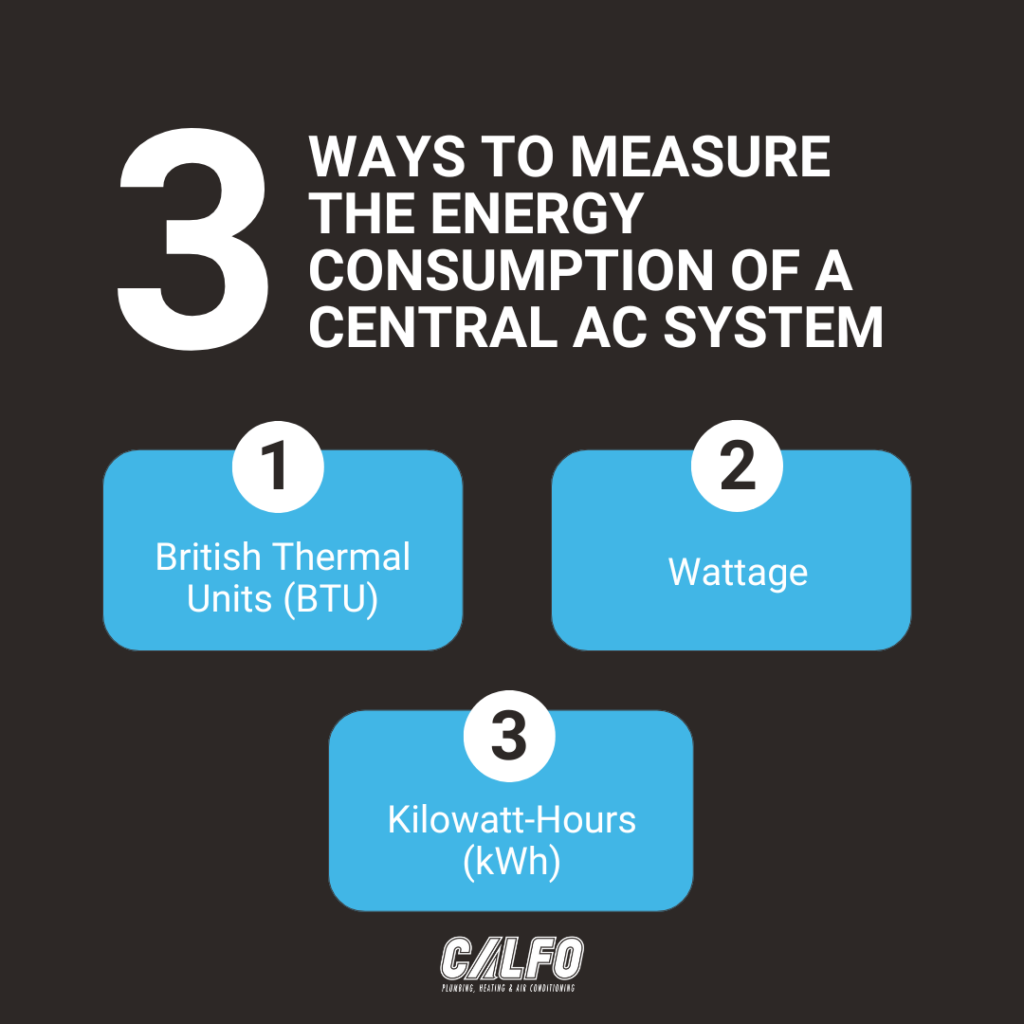
Are you curious about how much power your air conditioner uses? Knowing how many watts an air conditioner consumes can help you save money and reduce energy waste.
Whether you’re trying to lower your electricity bill or choose the right unit for your home, understanding this simple detail is key. Keep reading to discover exactly what watts mean for your air conditioner and how this knowledge can put you in control of your comfort and costs.

Credit: aurorasolar.com
Air Conditioner Wattage Basics
Air conditioners use electricity to cool your home. The power they need is measured in watts.
Knowing the wattage helps you understand how much energy your AC uses.
What Wattage Means For Ac
Wattage shows how much electricity an air conditioner needs. Higher watts mean more power used.
This affects your electric bill and how well the AC cools your space.
- Low wattage ACs use less electricity but may cool slower.
- High wattage ACs cool faster but use more power.
- Wattage helps choose the right size for your room.
Factors Affecting Power Consumption
Several things change how much power your air conditioner uses. These include size, efficiency, and usage time.
Other factors like room temperature and insulation also affect energy use.
- AC size: Bigger units use more watts.
- Efficiency: Energy-efficient models use less power.
- Usage time: Longer use means more electricity.
- Room temperature: Hotter rooms need more cooling.
- Insulation: Poor insulation increases power use.

Credit: udpwr.com
Common Ac Wattage Ratings
Air conditioners use different amounts of power depending on their size and type. Knowing the wattage helps you understand electricity use.
This guide explains the common wattage ratings for three main AC types. This helps you compare and choose wisely.
Window Units
Window air conditioners are small and fit in a window space. They usually cool one room or a small area.
Most window units use between 500 and 1500 watts. Larger units use more power but cool bigger rooms.
- Small units: around 500 watts
- Medium units: 800 to 1200 watts
- Large units: up to 1500 watts
Split Systems
Split air conditioners have two parts: an indoor and an outdoor unit. They cool larger spaces than window units.
Split systems usually use between 1000 and 3000 watts. The power depends on the size of the space and model.
- Small rooms: about 1000 to 1500 watts
- Medium rooms: 1500 to 2500 watts
- Large rooms: up to 3000 watts
Central Air Conditioners
Central air conditioners cool an entire house. They have one big outdoor unit and air ducts inside the home.
These systems use much more power, usually between 3000 and 5000 watts. Larger homes need more powerful units.
- Small homes: around 3000 watts
- Medium homes: 3500 to 4500 watts
- Large homes: up to 5000 watts or more
Calculating Ac Energy Use
Air conditioners use electricity measured in watts. Knowing the wattage helps you find out the energy use. This is important to manage your electricity bill.
We will explain how wattage relates to BTU, how to estimate daily energy use, and how efficiency ratios affect power consumption.
Wattage And Btu Relationship
BTU stands for British Thermal Unit. It shows how much heat the AC can remove from a room. Wattage tells how much power the AC uses.
A higher BTU means the AC cools a larger area but usually uses more watts. You can estimate watts by dividing BTU by 3.41.
- 1 BTU = 0.293 watts (cooling power)
- Wattage ≈ BTU ÷ 3.41 (electrical power)
- A 5000 BTU AC uses about 1467 watts
Estimating Daily Consumption
To find daily energy use, multiply the AC’s wattage by hours used. This gives watt-hours per day.
Divide watt-hours by 1000 to get kilowatt-hours (kWh), the unit your electric company uses.
- Daily energy use (Wh) = Wattage × Hours used
- Daily energy use (kWh) = Wh ÷ 1000
- If a 1500 watt AC runs 8 hours, it uses 12 kWh
Using Energy Efficiency Ratios
Energy Efficiency Ratio (EER) shows how well an AC uses electricity. A higher EER means better efficiency.
You can use EER to calculate exact power use by dividing BTU by EER.
| BTU | EER | Power Use (Watts) |
|---|---|---|
| 5000 | 10 | 500 |
| 12000 | 12 | 1000 |
| 18000 | 11 | 1636 |

Credit: truegear.com.au
Energy Saving Tips For Ac
Air conditioners use many watts to cool your home. Saving energy helps lower bills and protect nature.
Try simple ways to use your AC smartly. These tips keep you cool and save power.
Optimal Temperature Settings
Set your air conditioner to a temperature that is comfortable but not too cold. A good range is between 24°C and 26°C (75°F to 78°F). This saves energy and keeps your room cool.
- Do not set the AC below 24°C (75°F)
- Use fans to help spread cool air
- Close windows and doors to keep cold air inside
- Use curtains to block sunlight during hot hours
Regular Maintenance
Cleaning and checking your AC often helps it run well. Dirty filters and coils make the AC use more power.
| Maintenance Task | How Often | Benefit |
| Clean or replace air filters | Every 1-3 months | Improves airflow and efficiency |
| Check refrigerant levels | Yearly | Prevents extra energy use |
| Clean coils and fins | Yearly | Keeps cooling performance strong |
| Inspect fan and motor | Yearly | Reduces wear and power waste |
Using Smart Thermostats
Smart thermostats adjust the temperature for you. They save energy by cooling only when needed.
- Set schedules for your AC to turn on and off automatically.
- Use remote control from your phone to adjust temperature.
- Monitor energy use and get tips from the thermostat app.
- Save money by reducing cooling when no one is home.
Comparing Ac Models By Wattage
Air conditioners use different amounts of power depending on their model and features. Knowing the wattage helps you choose a unit that fits your energy needs.
This guide compares AC models by their wattage to help you understand their energy use.
Energy Star Rated Units
Energy Star units use less electricity than standard air conditioners. They save power by running more efficiently.
- Use about 10% to 15% less energy
- Lower electricity bills
- Reduce environmental impact
- Usually cost more upfront but save money over time
| AC Model | Wattage (Watts) | Energy Star Certified |
|---|---|---|
| Model A | 900 | Yes |
| Model B | 1100 | No |
| Model C | 850 | Yes |
| Model D | 1200 | No |
Inverter Vs Non-inverter Acs
Inverter ACs adjust their compressor speed to save power. Non-inverter ACs run at full power until the room cools.
- Inverter ACs use less wattage on average
- Non-inverter ACs have fixed wattage levels
- Inverter models keep temperature steady
- Non-inverter models turn on and off frequently
| Type | Typical Wattage Range | Energy Use Pattern |
|---|---|---|
| Inverter AC | 500 – 1000 Watts | Variable speed, saves energy |
| Non-Inverter AC | 900 – 1500 Watts | Full power on/off cycles |
Impact Of Ac Wattage On Electricity Bills
An air conditioner uses electricity based on its wattage. Higher wattage means more power consumption.
Your electricity bill rises if your AC has a high wattage and runs often. Knowing the wattage helps manage costs.
Calculating Cost Per Hour
To find the cost per hour, multiply the AC’s wattage by the electricity rate. Then convert watts to kilowatts.
For example, a 1000-watt AC uses 1 kilowatt. If electricity costs 12 cents per kWh, running the AC for 1 hour costs 12 cents.
- Wattage ÷ 1000 = Kilowatts used
- Kilowatts × Electricity rate = Cost per hour
- Example: 1500W ÷ 1000 = 1.5 kW
- 1.5 kW × $0.12 = $0.18 per hour
Reducing Monthly Expenses
Lowering AC wattage or usage time helps cut electricity bills. Use energy-efficient models if possible.
Set the temperature higher in summer. Turn off the AC when rooms are empty. Regular maintenance keeps AC efficient.
- Choose AC units with lower wattage
- Use timers to limit running hours
- Keep filters clean for better airflow
- Seal windows and doors to keep cool air inside
Frequently Asked Questions
How Many Watts Does A Typical Air Conditioner Use?
A typical home air conditioner uses between 500 to 3,500 watts. The exact wattage depends on the unit’s size and efficiency. Smaller units consume less energy, while larger units require more. Always check the specific model’s specifications to determine its power usage for accurate information.
What Affects An Air Conditioner’s Wattage?
Several factors affect an air conditioner’s wattage, including its size, efficiency rating, and operating mode. Larger units and those with lower efficiency ratings consume more watts. Additionally, running on high settings or in extreme heat can increase power consumption.
How To Calculate Air Conditioner Wattage?
To calculate an air conditioner’s wattage, multiply the voltage by the current (amps). Most air conditioners list these values on their labels. Alternatively, consult the manufacturer’s specifications or use an online calculator for precise wattage information.
Is Higher Wattage Better For Cooling?
Higher wattage generally indicates more cooling power, but it’s not always better. Choose a unit that matches your room size for optimal efficiency. Oversized units cool quickly but may not remove humidity effectively, leading to discomfort.
Conclusion
Knowing how many watts an air conditioner uses helps you plan better. It saves money on your electricity bills. It also helps you choose the right size for your room. Smaller units use fewer watts but cool less space. Bigger units use more watts but cool faster.
Always check the watt rating before buying. This simple step keeps your home comfortable and costs low. Easy to understand and apply. Simple choices make a big difference.