Are you curious about how many watts your air conditioner uses? Understanding this can help you save money on your electricity bill and choose the right unit for your space.
Whether you want to cool a small room or a large area, knowing the power consumption is key. You’ll discover simple ways to figure out your air conditioner’s wattage and what it means for your energy use. Keep reading to make smarter choices and stay cool without breaking the bank.

Credit: udpwr.com
Air Conditioner Power Basics
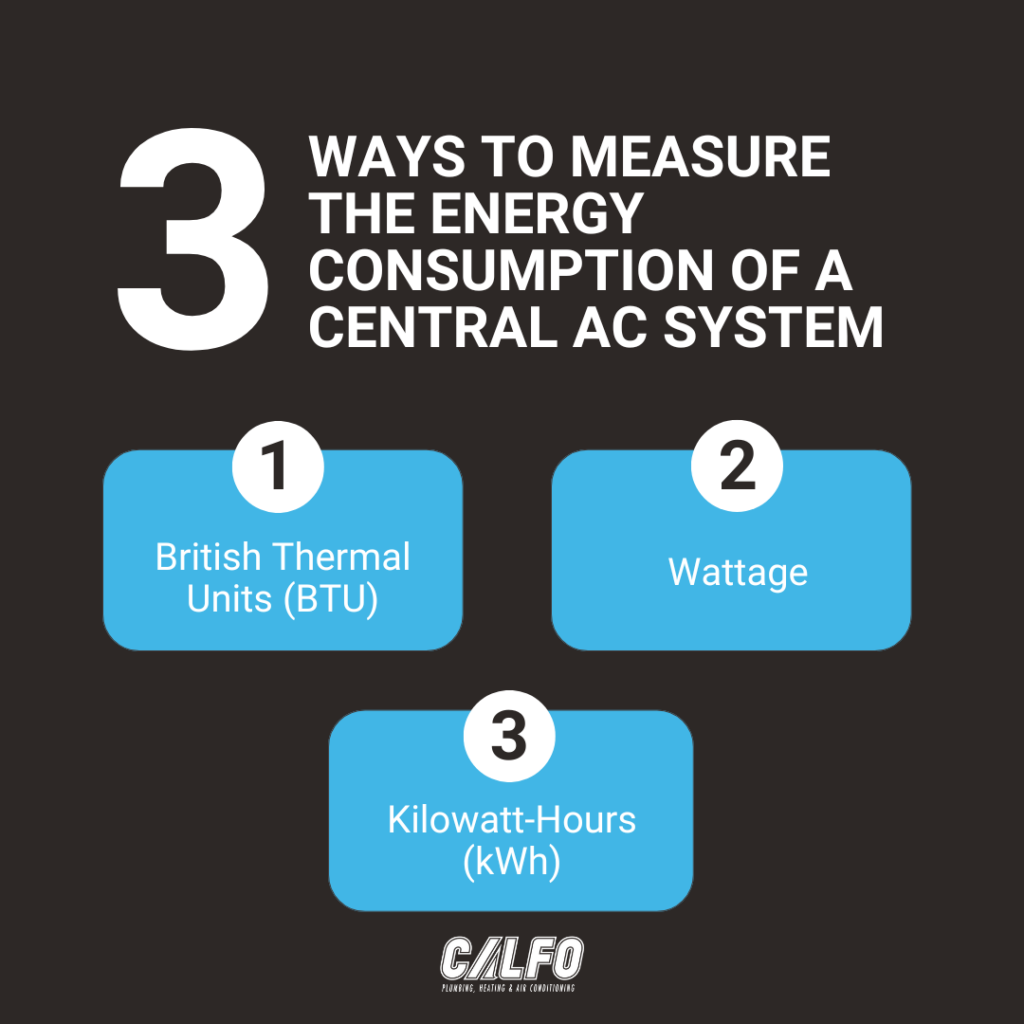
Wattsmeasure the amount of electric poweran air conditioner uses. It shows how much energy is needed to run the unit. The higher the wattage, the more electricity the air conditioner consumes.
Knowing the wattage helps you understand your energy costs. It also helps in choosing the right air conditioner for your space. Using the correct wattage can save moneyon your electric bill.
- Watts = Power consumption
- Higher watts = More electricity used
- Lower watts = Less electricity used
- Check wattage to control energy costs
Credit: northnjhvac.com
Types Of Air Conditioners
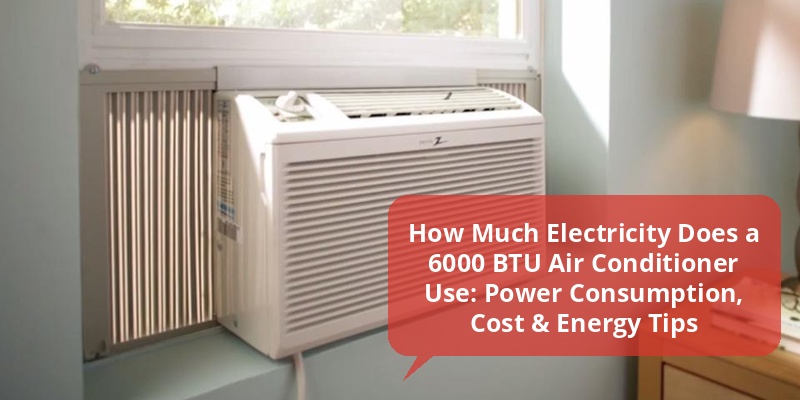
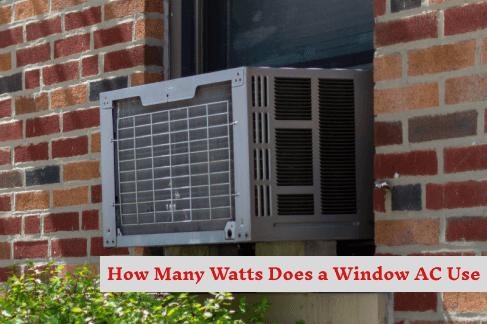
Window unitsare small air conditioners installed in a window. They cool one room and use about 500 to 1500 watts. These units are easy to install and cost less.
Split systemshave two parts: an indoor unit and an outdoor unit. They cool more space and use between 1000 to 4000 watts. These are quieter and more efficient than window units.
Portable ACscan be moved from room to room. They usually use around 800 to 1500 watts. They need a vent to release hot air outside.
Central air conditionerscool whole houses. They use the most power, around 2000 to 5000 watts. These systems have ducts to spread cool air through the home.
Wattage By Ac Type
Window air conditionersusually use between 500 and 1,500 watts. Smaller units need less power, while bigger ones use more. They are good for cooling single rooms.
Split systemsuse about 1,000 to 2,000 watts. These are more efficient than window units. They cool larger areas and have separate indoor and outdoor parts.
Portable air conditionersneed 800 to 1,500 watts. They are easy to move but may use more power than window units. Best for small spaces.
| AC Type | Typical Wattage | Notes |
|---|---|---|
| Window Units | 500 – 1,500 W | Good for single rooms |
| Split Systems | 1,000 – 2,000 W | Efficient, for larger spaces |
| Portable AC | 800 – 1,500 W | Easy to move, for small rooms |
| Central AC | 3,000 – 5,000+ W | For whole house cooling |
Central air conditionersuse the most energy, between 3,000 and 5,000 wattsor more. They cool entire homes and need powerful systems.
Factors Affecting Ac Wattage
Cooling capacityis measured in BTUs. Higher BTUs mean the AC uses more watts. A bigger room needs more BTUs and more power.
Energy efficiency ratingsshow how well the AC uses electricity. Units with higher ratings use fewer watts for the same cooling.
Room size and insulationaffect wattage. Poor insulation or large rooms make the AC work harder, increasing power use.
- Usage patternsmatter. Running the AC all day uses more watts than short periods.
- Frequent on/off cycles can increase power consumption.
- Setting the temperature very low uses more electricity.
Calculating Your Ac Power Needs
To estimate the right air conditioner power, start by measuring the room size. Multiply the room’s length and width to get square feet. Larger rooms need more cooling power.
| Room Size (sq ft) | Recommended BTU | Approximate Watts |
|---|---|---|
| 100-150 | 5,000-6,000 | 1,465-1,758 |
| 150-250 | 6,000-8,000 | 1,758-2,343 |
| 250-350 | 8,000-10,000 | 2,343-2,930 |
| 350-450 | 10,000-12,000 | 2,930-3,517 |
BTUstands for British Thermal Units. It shows how much heat the AC can remove. To find watts, multiply BTU by 0.293. This helps match power needs.
Look for Energy Star ratingsto choose efficient units. Higher ratings mean less electricity use for the same cooling. This saves money and helps the environment.
Reducing Ac Energy Consumption
Smart thermostatshelp save energy by adjusting temperature automatically. They learn your schedule and cool only when needed. This lowers electricity use and cuts bills.
Regular maintenancekeeps your AC running well. Cleaning or replacing filters improves airflow. Checking refrigerant levels and coils ensures efficient cooling. A well-maintained AC uses less power.
Improving home insulationstops cool air from escaping. Sealing windows and doors helps keep the house cool longer. Good insulation means the AC runs less and uses fewer watts.
Future Trends In Ac Power Use
Energy-efficient technologieshelp reduce the power needed by air conditioners. These new models use less electricitybut keep rooms cool. Features like better compressors and smart thermostats save energy and money.
Solar-powered air conditionersuse sunlight to run. They cut down on electric bills and lower pollution. These systems work well in sunny places and can be combined with regular power sources.
Government regulationsset rules to limit how much power AC units can use. These rules push manufacturers to make more efficient products. They also protect the environment by reducing harmful emissions.
Credit: www.renogy.com
Frequently Asked Questions
How Many Watts Does A Typical Air Conditioner Use?
A typical air conditioner uses between 500 and 1500 watts. Small units consume less power, while larger ones use more. Energy efficiency and settings also affect consumption.
What Factors Affect An Air Conditioner’s Wattage Consumption?
Wattage depends on the unit’s size, efficiency rating, and cooling capacity. Usage duration and temperature settings also impact energy use significantly.
How Can I Calculate My Air Conditioner’s Wattage?
Check the AC label or manual for wattage information. Multiply the amperage by voltage for an estimate if not listed.
Are Window Air Conditioners More Energy-efficient In Watts?
Window air conditioners usually consume fewer watts than central systems. They are ideal for cooling small spaces and use less power.
Conclusion
Understanding air conditioner wattage helps manage energy use efficiently. It saves money. Knowing the watts also helps choose the right unit. A smaller room needs fewer watts. Larger spaces need more. This knowledge prevents overloading your electricity supply. Always check the energy label before buying.
It gives necessary watt information. Proper installation is also crucial. It ensures optimal performance. Regular maintenance keeps the unit efficient. Clean filters often. Efficient air conditioners offer comfort and savings. They keep your home cool. And your bills low. Consider wattage next time you shop for an air conditioner.
It makes a big difference.