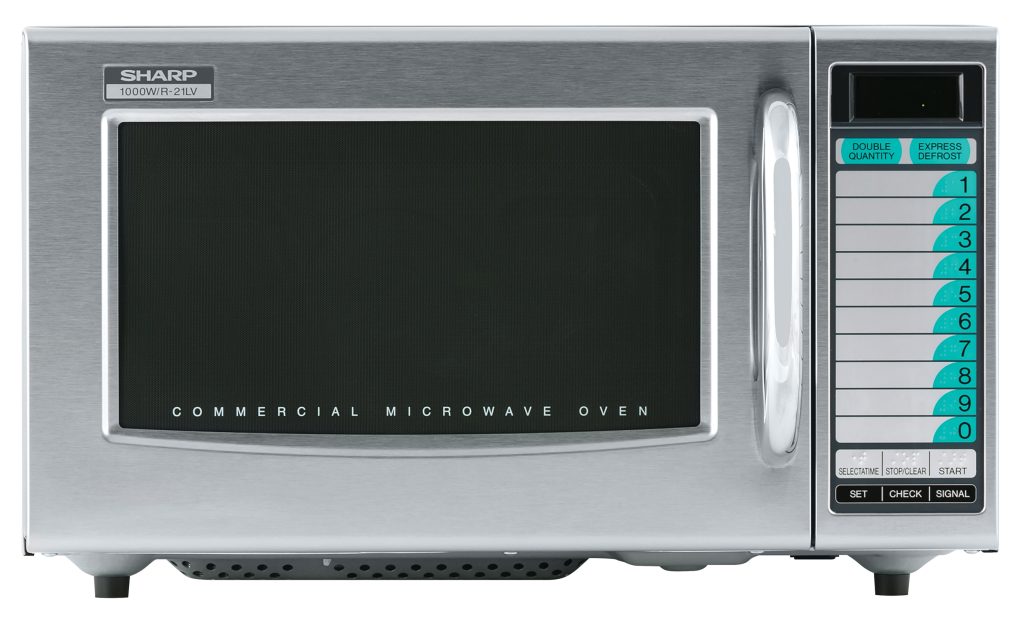
Have you ever wondered how many watts your microwave oven uses? Knowing this simple number can make a big difference in how you cook, save energy, and even choose the right appliance for your kitchen.
You’ll discover what microwave wattage really means, why it matters to you, and how to find the perfect power level for your cooking needs. Keep reading, because understanding your microwave’s watts could change the way you heat your food forever.
Microwave Wattage Basics
Understanding microwave wattage helps you pick the right oven for your needs. Wattage shows how powerful the microwave is. It affects cooking speed and efficiency. Knowing basics about wattage guides you to better cooking results.
What Microwave Watts Mean
Wattage measures the microwave’s cooking power. More watts mean faster cooking. Less watts mean longer cooking times. Wattage also affects how evenly food heats. It is important for choosing the right microwave.
Common Wattage Ranges
Microwaves come in different wattage levels. Here are common ranges:
- 600 to 800 watts – Basic models, suitable for simple tasks.
- 800 to 1,000 watts – Average power for most households.
- 1,000 to 1,200 watts – High power for faster cooking.
Choosing wattage depends on cooking needs and kitchen space. Higher wattage cooks food quickly but uses more energy.
Impact Of Wattage On Cooking
The wattage of your microwave oven plays a crucial role in how it cooks your food. It affects not just the speed but also the evenness and quality of heating. Understanding the impact of wattage can help you make better choices in meal preparation and appliance selection.
Cooking Time Differences
Higher wattage microwaves cook food faster. A 1000-watt microwave can heat a meal in half the time of a 600-watt model. Have you ever noticed your leftovers taking forever to warm up? That’s likely due to lower wattage.
Lower wattage means you need to increase cooking times, but this can sometimes lead to uneven heating. You might find yourself stopping the microwave to stir or rearrange food more often. Adjusting your cooking time based on wattage helps avoid undercooked or overheated spots.
Heating Efficiency
Microwaves with higher wattage deliver more energy per second, which translates to efficient heating. This efficiency reduces the chance of cold spots in your food. It also means less energy wasted during cooking, which can save you money on electricity bills.
On the other hand, a lower wattage microwave might require multiple heating cycles to reach the desired temperature. This can be frustrating, especially when you’re in a hurry. Consider the wattage if you want reliable performance every time.
Food Texture And Quality
Wattage influences not only how fast your food cooks but also its texture. High wattage microwaves can help maintain the crispness of reheated pizza crust or the fluffiness of steamed vegetables. They cook quickly enough to avoid drying out your meals.
Lower wattage microwaves may cause food to become rubbery or soggy because of longer cooking times. Ever reheated something only to find it tough or unevenly cooked? That’s often the result of insufficient wattage.
Next time you choose a microwave, ask yourself: how important is cooking speed and food quality to you? Your answer can guide you toward the right wattage for your kitchen.
Choosing The Right Wattage
Choosing the right wattage for a microwave oven affects cooking speed and energy use. Different wattage levels serve different needs. Picking the correct wattage helps save time and electricity. It also ensures food cooks evenly and thoroughly.
Small Vs Large Households
Small households often need microwaves with lower wattage. Around 600 to 800 watts suits small families or singles. It handles simple meals and reheating well. Large households benefit from microwaves with higher wattage. Models with 900 to 1200 watts cook food faster. They manage bigger portions and frequent use easily.
Frequent Vs Occasional Use
Frequent use demands higher wattage microwaves. These ovens deliver quicker cooking times. They support busy schedules and daily meal prep. Occasional users may choose lower wattage models. Such microwaves save energy and cost less. They are perfect for reheating or light cooking tasks.
Budget Considerations
Higher wattage microwaves usually cost more upfront. They might increase electricity use slightly. Lower wattage models are cheaper to buy and operate. Balancing budget with cooking needs is key. Consider long-term energy savings versus initial price.

Credit: www.allelcoelec.com
Microwave Wattage And Energy Use
Understanding microwave wattage is key to managing your energy use effectively. Microwaves come in various power levels, typically ranging from 600 to 1200 watts, and this wattage directly affects how quickly your food cooks and how much electricity the appliance consumes. Knowing how power consumption works can help you make smarter choices in the kitchen and save on your energy bills.
Power Consumption Explained
The wattage of a microwave indicates how much electrical power it uses while running. A 1000-watt microwave consumes 1000 watts of electricity every hour it operates at full power. However, most cooking cycles last just a few minutes, so the actual energy used is less than it seems.
Think about it this way: if you use a 1000-watt microwave for 5 minutes, it consumes about 83 watt-hours (1000 watts × 5/60 hours). This is a small fraction compared to other household appliances like air conditioners or ovens. Still, frequent use can add up, especially if you use higher wattage models without adjusting cooking times.
Energy-saving Tips
- Choose the right wattage:If you mostly reheat food, a microwave with 700-900 watts may be enough and uses less energy.
- Use shorter cooking times:Higher wattage microwaves cook faster, so adjusting cooking time reduces energy use.
- Cover your food:This traps heat and cooks food more efficiently, reducing the microwave’s run time.
- Unplug when not in use:Microwaves can draw a small amount of standby power when plugged in.
Have you noticed how much time you spend waiting for your microwave to finish? Cutting even a minute or two off your cooking time every day can save noticeable energy over months. What small changes can you make in your daily routine to use your microwave more efficiently?
Wattage Variations By Microwave Type
Microwave ovens vary widely in wattage depending on their type and design. Wattage affects cooking speed and power. Understanding these differences helps select the right model for your kitchen needs.
Countertop Microwaves
Countertop microwaves are the most common type. Their wattage usually ranges between 600 and 1,200 watts. Models under 700 watts may take longer to cook food. High wattage models, around 1,000 watts or more, cook faster and more evenly.
Over-the-range Models
Over-the-range microwaves combine cooking with ventilation. Their wattage typically falls between 800 and 1,000 watts. This range balances power with the need to fit above a stove. These microwaves offer moderate cooking speeds and space-saving design.
Built-in Microwaves
Built-in microwaves are designed to fit seamlessly into cabinetry. Their wattage usually varies from 900 to 1,200 watts. These models provide strong cooking power with an elegant look. They offer consistent performance for daily cooking tasks.
Convection Microwaves
Convection microwaves combine microwave and oven functions. Their wattage ranges widely, often between 900 and 1,300 watts. Higher wattage supports both microwave heating and convection baking. These versatile models cook food thoroughly and quickly.

Credit: www.whirlpool.com
How To Check Your Microwave’s Wattage
Knowing the wattage of your microwave is essential for cooking food properly and efficiently. It helps you adjust cooking times and avoid undercooked or overheated meals. But how do you find out your microwave’s wattage if you don’t have the original packaging or manual? Here are some simple ways to check.
Label And Manual Inspection
Start by looking at the microwave itself. Most microwaves have a label or sticker inside the door frame or on the back. This label usually lists the wattage along with the model number and voltage.
If you still have the user manual, check the specifications section. The wattage is often clearly mentioned there. If you misplaced the manual, searching online with your model number can help you find a digital copy.
Online Resources
Manufacturers often provide product details on their websites. Enter your microwave’s model number into their search bar to find wattage information. Retail websites and appliance review sites can also be useful sources.
Be cautious about third-party sites. Cross-check the wattage information from multiple reliable sources to ensure accuracy. Have you ever found conflicting specs online? It’s common, so take your time verifying.
Testing Methods
If you can’t find the wattage through labels or online, you can estimate it by testing. Heat a cup of water in your microwave and time how long it takes to boil. A higher wattage microwave will heat water faster.
Here’s a simple test you can try:
- Fill a microwave-safe cup with 1 cup (240 ml) of room temperature water.
- Heat it on high power and time how long it takes to boil.
- Compare the time with common wattage ranges: under 2 minutes often means 1000 watts or higher, while longer times suggest lower wattage.
This method won’t give you an exact number but can help narrow down your microwave’s power range. Have you ever adjusted cooking times because your microwave seemed weaker or stronger? Testing can clarify those doubts.
Latest Trends In Microwave Power For 2025
The microwave oven industry is evolving rapidly, especially in how power is managed and delivered. As we move into 2025, the focus is not just on higher wattage but smarter power use. This shift affects your cooking speed, energy bills, and even the lifespan of your appliance.
Innovations In Wattage Control
Microwaves are no longer just about fixed wattage levels. New models let you adjust power more precisely, offering multiple watt settings beyond the usual low, medium, and high. This means you can cook delicate foods without overcooking and save energy by avoiding unnecessary high power.
Some brands now use variable wattage technology, which adapts the power output during cooking. This results in more even heating and better texture, especially for dishes like casseroles or baked goods. Have you noticed uneven heating in your microwave? These innovations could change that experience.
Smart Microwaves And Power Management
Smart microwaves are becoming more common, and they bring advanced power management features. These microwaves connect to your smartphone or home network, allowing you to monitor and control wattage remotely.
With built-in sensors, smart models adjust power levels automatically based on the food’s moisture and temperature. This not only improves cooking results but also reduces wasted energy. Imagine your microwave knowing exactly when to lower power to keep your leftovers warm without drying them out.
Are you ready to switch to a microwave that thinks about power use as much as you do? These smart features offer convenience and efficiency that can change your daily cooking routine.

Credit: www.amazon.ca
Frequently Asked Questions
How Many Watts Does A Typical Microwave Use?
Most microwave ovens use between 600 and 1200 watts. Higher wattage means faster cooking and better efficiency. Check your microwave’s label for exact wattage information.
Does Higher Wattage Microwave Cook Food Faster?
Yes, higher wattage microwaves cook food quicker. More watts produce stronger microwave energy, reducing cooking time significantly.
How To Find Wattage On A Microwave Oven?
Look for a label or sticker inside the microwave door or on the back. It usually shows wattage along with voltage and model number.
Is Wattage Important For Microwave Performance?
Absolutely. Wattage determines cooking speed and evenness. Higher wattage results in better heating and more consistent cooking results.
Conclusion
Understanding microwave oven wattage helps in making informed choices. Knowing the wattage ensures efficient energy use. It also influences cooking speed and food texture. Always check the wattage before buying a microwave. This ensures it meets your cooking needs. Remember, higher wattage means faster cooking.
But, it might consume more energy. Choose wisely for your kitchen and cooking style. A proper balance saves time and energy. Enjoy quick and effective cooking with the right microwave. Stay informed and make smart choices for your home. Cooking becomes easy and efficient with the right appliance.