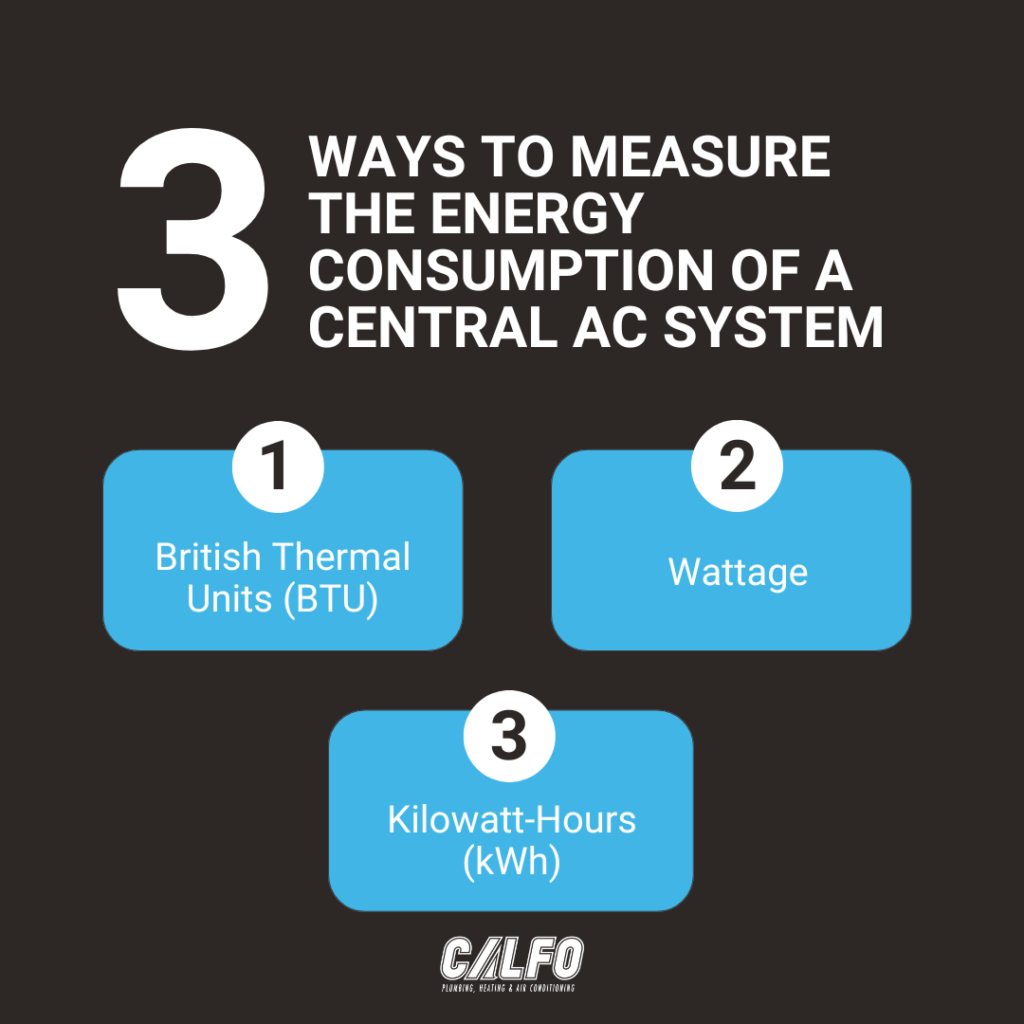
Have you ever wondered how many watts your air conditioner uses? Knowing this can help you save money on your electricity bill and choose the right unit for your home.
But the answer isn’t always simple. Your air conditioner’s power depends on its size, type, and how you use it. Keep reading, and you’ll discover everything you need to know about air conditioner wattage—so you can make smart, energy-saving choices starting today.
Air Conditioner Power Basics
Wattsmeasure how much electric poweran air conditioner uses. It shows the energy the AC needs to run. Higher watts mean more power consumption. Lower watts mean less energy use. This helps you understand your electricity bill.
Air conditioners also use BTUto measure cooling power. BTU stands for British Thermal Unit. It shows how much heat the AC can remove from a room. The more BTUs, the cooler the room gets.
| BTU | Watts (Approx.) | Room Size (sq ft) |
|---|---|---|
| 5,000 | 500 | 100 – 150 |
| 8,000 | 800 | 150 – 350 |
| 12,000 | 1,200 | 350 – 550 |
| 18,000 | 1,800 | 550 – 1,000 |
The table shows a simple BTU to wattguide. It helps to pick the right AC for your room size. Remember, watts tell about power use. BTU tells about cooling power.
Credit: www.kompulsa.com
Types Of Air Conditioners And Their Wattage
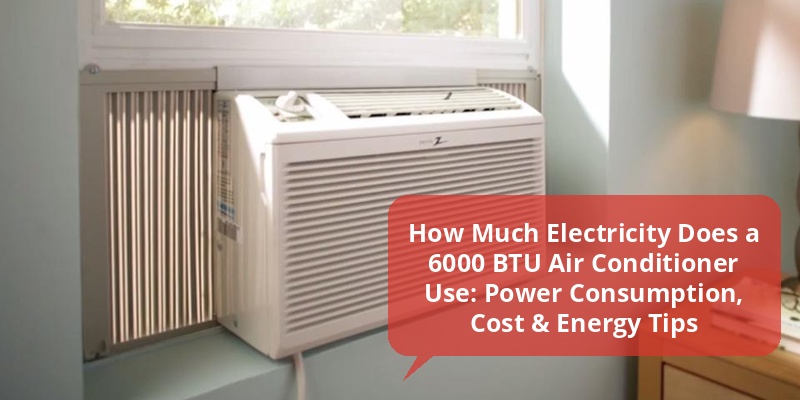
Window air conditionersusually use between 500 to 1500 watts. They cool one room and are easy to install. These units are best for small spaces.
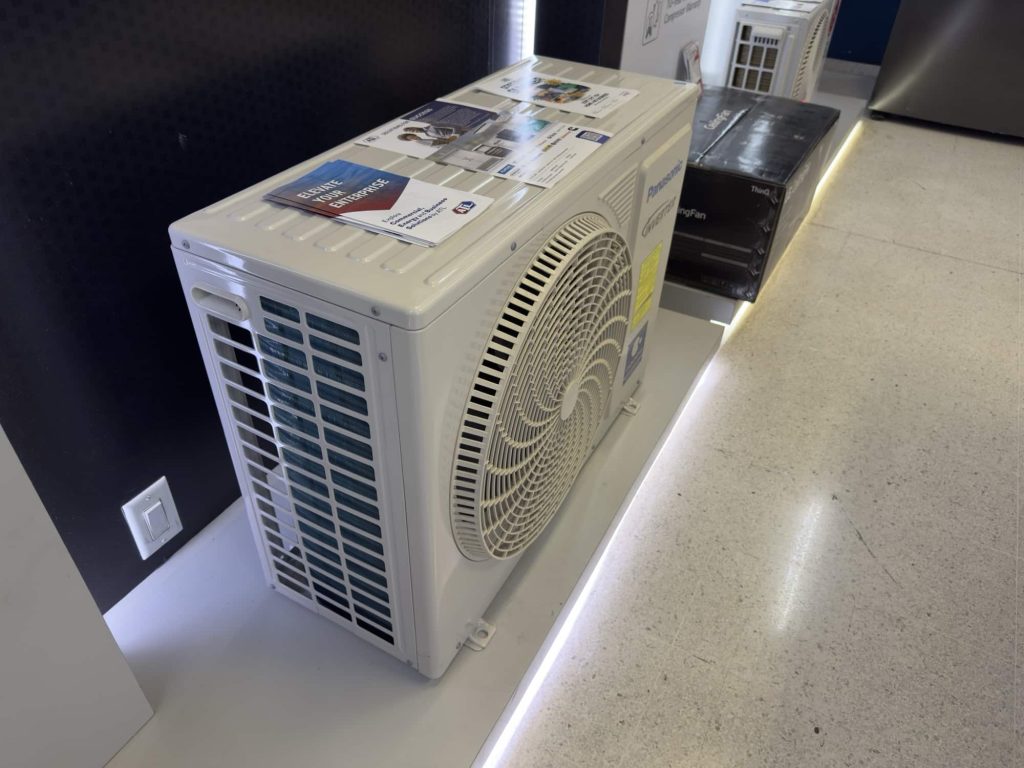
Split air conditionershave two parts: one inside and one outside. They use about 1000 to 3000 watts. These work quietly and cool bigger rooms.
Portable air conditionersare easy to move. Their wattage is between 800 and 1500 watts. They need a window for the exhaust hose.
| Type | Typical Wattage | Best For |
|---|---|---|
| Window Air Conditioners | 500 – 1500 watts | Small rooms |
| Split Air Conditioners | 1000 – 3000 watts | Larger rooms, quiet use |
| Portable Air Conditioners | 800 – 1500 watts | Rooms where mobility is needed |
| Central Air Conditioning Systems | 3000 – 5000+ watts | Whole house cooling |
Central air conditioning systemspower whole homes. They use from 3000 to 5000+ watts. These systems need professional installation and maintenance.
Factors Affecting Ac Power Consumption
The size of the roomaffects how much power an air conditioner uses. Bigger rooms need more power to cool down. Good insulationhelps keep the cool air inside. Poor insulation makes the AC work harder.
Temperature settingsplay a big role in power use. Setting the AC to a very low temperature uses more watts. A moderate setting saves energy and still keeps the room comfortable.
- Usage patternsimpact power consumption.
- Running the AC all day uses more energy than only at night.
- Turning the AC off when not needed saves power.
Calculating Your Ac’s Wattage Needs
To estimate your room cooling needs, measure the room’s size in square feet. A rough rule is 20 watts per square foot. For example, a 150 sq ft room needs about 3,000 watts.
Other factors affect cooling power: sunlight, insulation, and ceiling height. Rooms with many windows or poor insulation may need more watts.
| Room Size (sq ft) | Estimated Watts Needed |
|---|---|
| 100 | 2,000 watts |
| 150 | 3,000 watts |
| 200 | 4,000 watts |
Energy labels and product specs help find the exact wattage. Look for BTU (British Thermal Units)on the label. Convert BTU to watts by dividing by 3.41.
- 5,000 BTU = about 1,466 watts
- 10,000 BTU = about 2,933 watts
- 15,000 BTU = about 4,399 watts
Energy Efficiency And Wattage
SEER ratingmeasures how well an air conditioner uses energy. Higher SEER means better efficiency. An AC with a SEER of 16 uses less power than one with SEER 10 for the same cooling.
Most modern air conditioners have SEER ratings between 13 and 21. Energy-saving models reduce electricity use and lower bills.
- Variable speed compressorsadjust power to cool efficiently.
- Smart thermostatshelp control temperature better.
- Eco modereduces power during mild weather.
- Proper insulationkeeps cool air inside, saving energy.
Impact Of Wattage On Electricity Bills
Electricity billsrise with higher air conditioner wattage. The more watts your AC uses, the more energy it consumes.
To calculate running costs, multiply the AC’s wattage by hours used daily. Then multiply by your electricity rate per kilowatt-hour (kWh). This gives the daily cost.
| Wattage (W) | Hours Used Daily | Electricity Rate ($/kWh) | Daily Cost ($) |
|---|---|---|---|
| 1500 | 8 | 0.12 | 1.44 |
| 1000 | 6 | 0.15 | 0.90 |
- Set AC temperature at 24-26°C to save power.
- Use fans to help cool rooms faster.
- Turn off the AC when not in use.
- Keep doors and windows closed while AC runs.
- Clean or replace filters regularly for efficiency.
Choosing The Right Wattage For Your Space
Choosing the right wattageis key for good air conditioner performance. It affects how well the unit cools your room and how much energy it uses. Too low wattage means the air conditioner will work hard and use more power. Too high wattage wastes energy and costs more.
Balancing performanceand energy usehelps save money and keeps your space comfortable. Knowing the size of your room helps pick the right wattage. Bigger rooms need more power. Smaller rooms need less.
| Room Size | Recommended Wattage | BTU Range |
|---|---|---|
| Small (100-150 sq ft) | 500 – 700 Watts | 5,000 – 6,000 BTU |
| Medium (150-300 sq ft) | 700 – 1,200 Watts | 6,000 – 8,000 BTU |
| Large (300-500 sq ft) | 1,200 – 2,000 Watts | 8,000 – 12,000 BTU |

Credit: udpwr.com
Future Trends In Ac Power Consumption
Air conditioners use different watts depending on size and type. Future trends focus on smarter, energy-saving models to reduce power use. Advances aim to make cooling more efficient and cost-effective.
Smart Acs And Power Management
Smart air conditionersuse sensors to adjust cooling based on room use. They save energy by running only when needed. Users can control them from phones. This helps reduce power wastageand lower bills.
Advances In Energy Efficiency
New AC models use better compressorsand coolantsto use less power. They cool rooms faster with less electricity. Energy ratings like SEERguide buyers to choose efficient units. Governments promote these for lower carbon footprints.
Credit: northnjhvac.com
Frequently Asked Questions
How Many Watts Does A Typical Ac Use?
A typical air conditioner uses between 500 and 3500 watts. The exact wattage depends on the unit’s size and efficiency. Smaller units, like portable ACs, use less power compared to central air systems. Always check the label for specific wattage details to ensure accurate energy usage estimation.
Does Ac Wattage Vary With Size?
Yes, the wattage of an air conditioner varies with its size. Larger units generally consume more power. For example, a 5,000 BTU unit may use about 500 watts, while a 24,000 BTU unit can use around 2,400 watts. Always consider the room size and efficiency when choosing an AC.
How To Calculate Ac Power Consumption?
To calculate AC power consumption, multiply the wattage by hours used. Divide by 1,000 for kilowatt-hours (kWh). For example, a 1,000-watt unit running for 10 hours consumes 10 kWh. Check your utility bill rate to determine the cost of running your air conditioner.
Are Energy-efficient Acs Lower In Watts?
Yes, energy-efficient air conditioners use fewer watts than traditional models. They are designed to provide cooling with reduced energy consumption. Look for units with a high SEER (Seasonal Energy Efficiency Ratio) rating. Energy-efficient models can lower your electricity bills significantly over time.
Conclusion
Understanding how many watts an air conditioner uses helps you manage energy better. Different AC models use different amounts of power. Smaller units use fewer watts, while bigger ones need more. Knowing this helps you choose the right size for your room.
It also helps you save on electricity bills. Always check the watt rating before buying. This way, you get cool air without wasting energy. Simple steps like this make a big difference in comfort and cost.