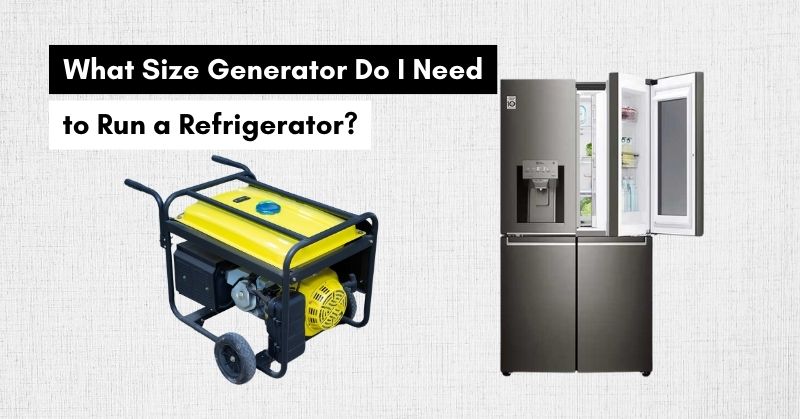
Are you wondering how many watts your refrigerator generator needs to keep your food fresh and safe? Knowing the right wattage is crucial to avoid power problems and keep your fridge running smoothly when you rely on a generator.
If you choose a generator with too little power, your refrigerator might not start or could shut down unexpectedly. On the other hand, using a generator with too much power can be costly and inefficient. You’ll discover exactly how to calculate the watts your refrigerator requires, so you can make the best choice for your home or outdoor setup.
Keep reading to make sure your food stays cool no matter where you are.
Refrigerator Power Needs
Understanding a refrigerator’s power needs helps choose the right generator size. Refrigerators need electricity to keep food cold and fresh. The power requirement varies by model and size. Knowing these details avoids overloading or underpowering your generator.
Typical Wattage Range
Most refrigerators use between 100 and 800 watts while running. Small models may need around 100 to 250 watts. Larger or older models can draw 400 to 800 watts. Energy-efficient refrigerators often use less power.
Wattage depends on the compressor size and cooling capacity. The more powerful the compressor, the higher the wattage. The wattage rating is usually on the appliance label or manual.
Starting Vs Running Watts
Refrigerators require more power to start than to run continuously. This is called starting watts or surge watts. Starting watts can be 2 to 3 times higher than running watts.
For example, a fridge running at 200 watts might need 600 watts to start. Generators must handle this surge to prevent shutting off. Check both running and starting watt ratings before buying a generator.
Generator Size Selection
Choosing the right generator size for your refrigerator is crucial to ensure reliable power without overspending. A generator that’s too small won’t handle the load, causing interruptions. On the other hand, a generator that’s too large wastes fuel and costs more upfront.
Calculating Total Wattage
Start by identifying your refrigerator’s wattage requirements. Look at the label or user manual for the running watts and starting watts. The starting watts are usually higher because the compressor needs extra power to kick on.
Don’t forget to add wattage from other appliances you might run simultaneously. For example, if you want to power a small light or a fan alongside the fridge, add their wattage to the total. This ensures your generator can handle the combined load without tripping.
- Find running watts of your refrigerator (usually 100-800 watts)
- Note the starting watts (often 2-3 times running watts)
- Add wattage of other devices you plan to use
Choosing Generator Capacity
Once you know the total wattage, pick a generator with a capacity 20-25% higher than your calculated load. This buffer protects against power surges and prevents the generator from running at full capacity constantly.
For instance, if your total wattage is 1,000 watts, a 1,200 to 1,300-watt generator is ideal. This extra margin helps extend the generator’s lifespan and keeps your fridge running smoothly.
Have you checked if the generator offers clean power output? Sensitive electronics in modern refrigerators might need a generator with a stable sine wave to avoid damage. Always prioritize quality over just raw power numbers.
Types Of Generators
Choosing the right generator to power your refrigerator depends largely on understanding the different types available. Each type offers unique features that can affect performance, noise, and fuel efficiency. Knowing these differences helps you pick a generator that suits your needs and ensures your refrigerator runs smoothly without interruptions.
Portable Generators
Portable generators are a popular choice for temporary power needs. They are easy to move around and usually run on gasoline or propane. If you’ve ever had a power outage, you might have noticed how these generators can quickly restore power to your fridge and other essentials.
They typically provide enough wattage to run a standard refrigerator, but you need to check the starting and running watts carefully. These generators can be noisy, so consider where you’ll place it. Would you want a noisy machine right outside your window?
Inverter Generators
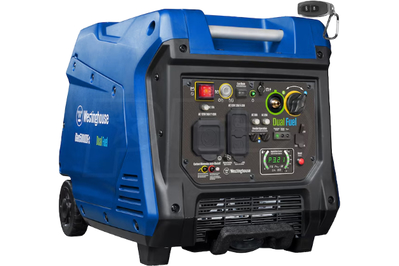
Inverter generators are known for their quiet operation and fuel efficiency. They produce clean power, which is safer for sensitive appliances like refrigerators with electronic controls. If you need power while camping or during outdoor activities, an inverter generator is a smart option.
They usually provide a lower wattage than portable generators but run more efficiently. Have you experienced a generator that sounds more like a whisper than a roar? That’s probably an inverter. This can make a big difference if you plan to use it in a quiet environment.
Standby Generators
Standby generators are permanently installed outside your home and connect directly to your electrical system. They kick in automatically when the power goes out, ensuring your refrigerator stays running without you lifting a finger. This type of generator runs on natural gas or propane and offers the highest power output.
Because they are always ready, standby generators offer peace of mind during long outages. However, they are more expensive and require professional installation. If you want uninterrupted power without the hassle of manual setup, this might be the best choice for your home.
Credit: www.nytimes.com
Energy Efficiency Tips
Energy efficiency in your refrigerator not only saves money but also reduces the load on your generator. Knowing how to optimize your fridge’s performance can lower the watts it draws, keeping your energy use balanced and efficient. Let’s look at practical tips that help maintain your refrigerator’s efficiency and cut down on power consumption.
Maintaining Refrigerator Performance
Regular maintenance keeps your refrigerator running smoothly and uses less energy. Clean the coils at the back or underneath every few months to prevent dust buildup that forces the compressor to work harder.
Check door seals to make sure they close tightly. A worn-out seal lets cold air escape, making your fridge use more power to stay cool. Replace damaged seals quickly to avoid unnecessary energy waste.
Also, avoid overloading your fridge. Crowding blocks air circulation inside, causing uneven cooling and increased power use. Have you noticed your fridge running non-stop? That might be a sign it’s struggling to maintain the right temperature.
Reducing Power Consumption
Simple habits can lower your refrigerator’s energy use significantly. Set the temperature between 37°F and 40°F (3°C to 4°C) for the fridge and 0°F (-18°C) for the freezer. Cooler isn’t always better and can increase power draw unnecessarily.
Place your refrigerator away from heat sources like ovens or direct sunlight. Heat makes your fridge work harder, pushing up electricity use. Think about rearranging your kitchen layout if your fridge is near a heat source.
Unplug the fridge during long trips to save energy if you don’t need it running. You can also use a power meter to monitor how many watts your fridge consumes and adjust your habits accordingly. Have you checked your fridge’s power consumption lately? It might surprise you.
Safety And Usage Guidelines
Using a generator to power your refrigerator requires careful attention to safety and proper usage. Ignoring these guidelines can lead to equipment damage or even personal injury. Let’s look at key practices that keep your generator and refrigerator running smoothly and safely.
Proper Generator Operation
Start your generator outdoors in a well-ventilated area to avoid harmful carbon monoxide buildup. Place it on a flat, stable surface to prevent tipping and ensure steady power supply. Always check fuel levels before use, and never refuel while the generator is running or hot.
Connect your refrigerator directly to the generator using an appropriate heavy-duty extension cord. Make sure the cord is rated for outdoor use and matches the generator’s power output. Avoid using multiple extension cords, as this can cause voltage drops and increase fire risk.
Avoiding Overload
Calculate your refrigerator’s starting and running wattage to select a generator with sufficient capacity. Refrigerators often need extra power when the compressor starts, sometimes two to three times the running wattage. If your generator can’t handle this surge, it may shut down or damage the fridge.
Do you know the wattage of your other appliances running simultaneously? Running multiple devices on one generator can overload it quickly. Prioritize essential appliances, and if needed, upgrade to a generator with higher wattage to avoid overload and maintain stable power.

Credit: www.reddit.com

Credit: weather.com
Frequently Asked Questions
How Many Watts Does A Refrigerator Typically Need?
A standard refrigerator usually requires 100 to 800 watts to operate. Startup watts can be higher, around 1200 watts, due to the compressor. Knowing this helps select the right generator size for stable power supply.
What Generator Size Is Best For Running A Refrigerator?
A 1500 to 2000-watt generator is ideal for most refrigerators. This range covers the startup surge and continuous running watts. It ensures smooth operation without overloading the generator.
Can A Small Generator Power A Full-size Refrigerator?
Small generators under 1000 watts often struggle with refrigerator startup. They may cause power fluctuations or fail to start the compressor. A generator with at least 1500 watts is recommended for full-size models.
Why Do Refrigerators Need More Watts At Startup?
Refrigerators require extra power at startup to run the compressor motor. This surge can be 2 to 3 times the running wattage. Generators must handle this peak demand to avoid shutdowns.
Conclusion
Choosing the right wattage for your refrigerator generator matters a lot. A generator with enough watts keeps your fridge running without problems. Too low wattage can cause the generator to stop or damage the fridge. Knowing your refrigerator’s start and running watts helps pick the best generator.
Always check the specs before buying. This way, your food stays fresh, and you avoid power issues. A good generator gives peace of mind during power cuts or outdoor use. Simple and smart planning saves time and money.