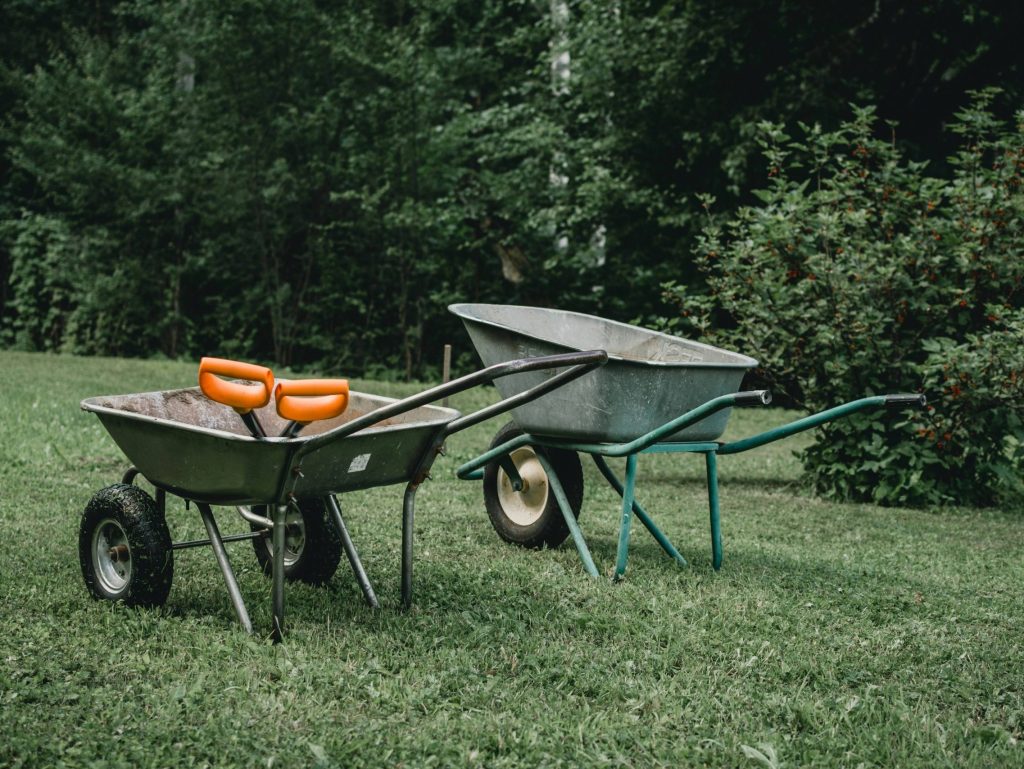
Have you ever stood in your yard, wondering how many wheelbarrow loads it will take to move all that dirt, mulch, or gravel? Knowing this can save you time, effort, and even money.
But figuring it out isn’t always as simple as it sounds. You’ll discover an easy way to estimate exactly how many wheelbarrow trips you need to make. By the time you finish reading, you’ll have a clear plan in hand—no more guesswork, no more surprises.
Let’s get started and make your project smoother from the very first load!

Credit: topwheelbarrow.com
Wheelbarrow Capacity Basics
Knowing how many wheelbarrow loads fill a yard helps plan work better. The size and weight a wheelbarrow can carry changes the number of loads.
This guide explains wheelbarrow capacity and what affects it. It covers sizes, volume, weight, and materials.
Standard Wheelbarrow Sizes
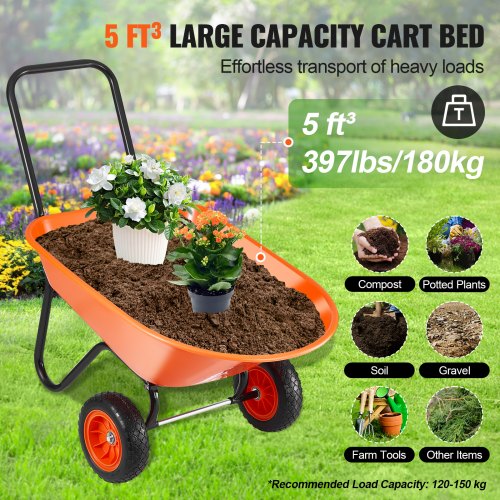
Wheelbarrows come in different sizes for various tasks. Most common sizes hold between 4 and 6 cubic feet of material.
Smaller sizes are easier to handle but carry less. Larger ones carry more but need more strength to push.
- 4 cubic feet: light loads, easy to move
- 5 cubic feet: standard size, good for most jobs
- 6 cubic feet: heavy loads, larger volume
Volume Vs Weight Capacity
Volume means how much space the wheelbarrow can hold. Weight means how heavy the load can be without breaking or being hard to push.
A wheelbarrow may hold 5 cubic feet but cannot carry very heavy materials at that full volume. Weight limits depend on the frame and wheel strength.
- Light materials fill volume easily but weigh less
- Heavy materials fill less volume but weigh more
- Balance volume and weight for safe use
Material Impact On Load Size
The type of material changes how many wheelbarrow loads make a yard. Dry soil is lighter than wet soil but takes the same space.
Heavy materials like gravel or concrete mix fill fewer loads per yard. Light materials like mulch or leaves fill more loads.
| Material | Approx. Weight per Cubic Foot | Loads per Cubic Yard (5 ft³ wheelbarrow) |
|---|---|---|
| Dry Soil | 75 lbs | Approximately 8 |
| Wet Soil | 100 lbs | Approximately 8 |
| Gravel | 100 lbs | Approximately 8 |
| Mulch | 20 lbs | Approximately 8 |
Credit: www.vevor.ca
Calculating Yard Volume
Knowing how many wheelbarrow loads fit in a yard helps plan work. Calculating yard volume is key to this. It tells you how much material you have or need.
This guide explains what a yard means and how to measure cubic yards. You will learn to estimate wheelbarrow loads for your project.
What Constitutes A Yard
A yard is a unit of volume used in construction and landscaping. It measures space in three dimensions: length, width, and height.
One cubic yard equals a cube that is one yard long, one yard wide, and one yard high. This equals 27 cubic feet.
- 1 yard = 3 feet
- 1 cubic yard = 3 ft × 3 ft × 3 ft
- 1 cubic yard = 27 cubic feet
Measuring Cubic Yards Accurately
To measure cubic yards, first find the volume in cubic feet. Multiply length, width, and height in feet.
Next, divide the total cubic feet by 27 to get cubic yards. This helps know how many wheelbarrow loads you need.
- Measure length in feet
- Measure width in feet
- Measure height or depth in feet
- Multiply length × width × height = cubic feet
- Divide cubic feet by 27 = cubic yards
Converting Yard Volume To Wheelbarrow Loads
Understanding how many wheelbarrow loads are in a yard helps plan your projects. Accurate calculations save time and effort.
A yard is a unit of volume, and converting it to wheelbarrow loads requires some math. Let’s break down the process.
Step-by-step Calculation
To convert yard volume to wheelbarrow loads, you need to know the volume of your wheelbarrow. This is usually in cubic feet.
- Determine the volume of your wheelbarrow in cubic feet.
- A standard yard is 27 cubic feet.
- Divide 27 by the wheelbarrow’s cubic feet to get the number of loads.
Common Conversion Mistakes
Errors often happen when converting yard volume to wheelbarrow loads. It’s important to avoid these mistakes for accurate results.
| Common Mistake | Solution |
| Not measuring the wheelbarrow correctly | Use a tape measure for accurate dimensions |
| Forgetting to convert all measurements to the same unit | Ensure all measurements are in cubic feet |
| Rounding numbers too early | Keep numbers precise until the final calculation |
Factors Affecting Load Counts
The number of wheelbarrow loads in a yard depends on many factors. These factors change how much material fits in one load.
Understanding these factors helps estimate the total loads needed for a job. This makes planning easier and work smoother.
Material Type And Density
Different materials have different weights and sizes. Some materials are heavy and compact. Others are light and fluffy. This affects how many wheelbarrow loads fill a yard.
| Material | Density (lbs/ft³) | Load Size Impact |
| Sand | 100 | Fewer loads, heavy weight |
| Mulch | 20 | More loads, lighter weight |
| Gravel | 110 | Fewer loads, heavy weight |
| Soil | 75 | Moderate loads and weight |
Wheelbarrow Design Variations
Wheelbarrows come in different sizes and shapes. The size of the tray and the number of wheels affect load capacity. Some designs hold more material but can be harder to push.
- Tray volume: Larger trays hold more material per load.
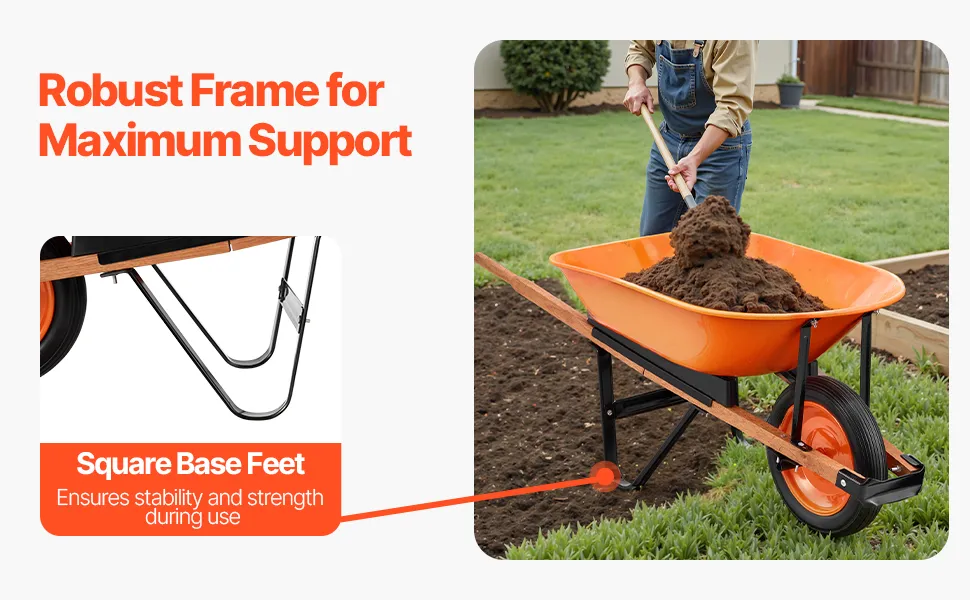
- Number of wheels: Two-wheel wheelbarrows offer more balance.
- Material: Steel trays carry heavier loads than plastic ones.
- Wheel size: Bigger wheels handle rough ground better.
Operator Strength And Technique
The person using the wheelbarrow affects load size too. Stronger operators can carry heavier loads safely. Proper lifting and pushing techniques reduce strain and increase efficiency.
Tips for better operator performance:
- Lift with your legs, not your back.
- Keep the load balanced over the wheel.
- Take breaks to avoid fatigue.
- Use gloves for a better grip.
Practical Tips For Efficient Loading
Loading a wheelbarrow correctly saves time and effort. Knowing how many loads fit in a yard helps plan work better.
Use smart loading tips to carry more safely and keep your wheelbarrow in good shape.
Maximizing Wheelbarrow Capacity
Fill the wheelbarrow evenly to balance the weight. Avoid piling material too high to prevent spills.
Use the right size wheelbarrow for the job. A larger tub holds more but is harder to push when full.
- Load heavy materials first for stability
- Distribute weight evenly from front to back
- Do not overload beyond the wheelbarrow’s capacity
- Keep the load low to maintain control
Safety Measures While Loading
Wear gloves to protect your hands from sharp or rough materials. Lift with your legs, not your back.
Do not stand too close to the wheelbarrow when loading. Keep your feet stable to avoid slipping.
- Use proper lifting techniques to avoid injury
- Keep your path clear of obstacles
- Wear sturdy shoes to protect your feet
- Ask for help if the load is too heavy
Maintenance For Optimal Performance
Check tire pressure regularly and inflate as needed for smooth movement. Tighten loose bolts and screws.
Clean the wheelbarrow after use to prevent rust and damage. Store it in a dry place to extend its life.
- Inspect the wheel and axle for wear
- Lubricate moving parts to reduce friction
- Replace damaged parts promptly
- Keep the wheelbarrow clean and dry
Examples For Different Materials
Calculating how many wheelbarrow loads fill a yard helps plan work better. Different materials have different weights and volumes.
This guide shows examples for soil, gravel, sand, mulch, and compost loads. It helps estimate how many trips you need.
Soil And Dirt Loads
Soil and dirt vary in weight and moisture. A typical wheelbarrow holds about 4 cubic feet of soil. One cubic yard equals 27 cubic feet.
- A dry, loose soil load equals about 0.15 cubic yards per wheelbarrow.
- A wet, compact soil load weighs more but still fits roughly the same volume.
- To move one yard of soil, expect about 6 to 7 wheelbarrow loads.
Gravel And Sand Loads
Gravel and sand are denser than soil. They fill the wheelbarrow similarly but weigh more. This affects how much you can carry safely.
| Material | Volume per Load (cubic feet) | Loads per Yard |
| Gravel | 4 | 6.75 |
| Sand | 4 | 6.75 |
Mulch And Compost Loads
Mulch and compost are lighter and fluffier. They take up more space in the wheelbarrow. This means more loads per yard.
- Mulch wheelbarrow load: around 0.12 cubic yards.
- Compost wheelbarrow load: about 0.13 cubic yards.
- Expect about 8 loads of mulch or compost per yard.
Credit: www.vevor.ca
Frequently Asked Questions
How Many Wheelbarrow Loads Equal One Cubic Yard?
One cubic yard equals approximately 10 to 12 standard wheelbarrow loads. The exact number depends on the wheelbarrow size and material density. Typically, a standard wheelbarrow holds about 3 cubic feet, so it takes around 9 wheelbarrow loads to fill a cubic yard.
What Size Wheelbarrow Is Used For Yard Calculations?
Most yard calculations use a standard wheelbarrow size of 3 cubic feet. This size is common in gardening and construction. Using this size helps estimate how many loads are needed to move materials like soil or gravel efficiently.
How To Calculate Wheelbarrow Loads For Different Materials?
Calculate loads by dividing the material volume by the wheelbarrow capacity. Adjust for material weight and compaction, as some materials settle more. For example, damp soil may take more loads than dry soil due to compaction.
Why Does Wheelbarrow Load Count Vary By Material Type?
Different materials have varying densities and compaction levels. Lightweight materials like mulch fill more space per load. Heavy materials like gravel weigh more and may reduce load size. Always consider material type for accurate load estimates.
Conclusion
Knowing how many wheelbarrow loads fit in a yard helps plan work better. It saves time and effort when moving soil or materials. Keep in mind the size of your wheelbarrow and the material’s weight. Measure carefully for accuracy. This simple step makes any project smoother and faster.
Now, you can move supplies with confidence and ease.