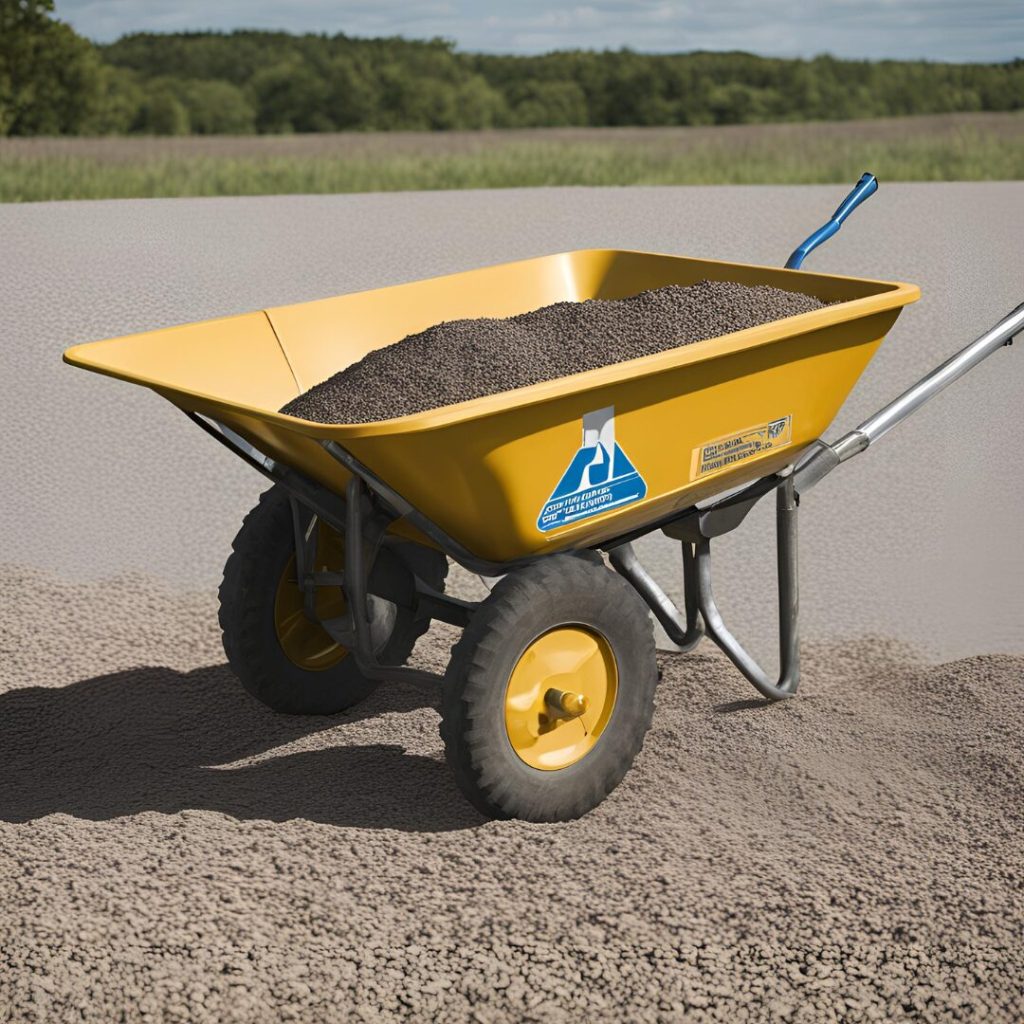
Have you ever found yourself staring at a pile of soil or gravel, wondering just how many wheelbarrows it will take to move a full yard? Whether you’re working on a garden project, landscaping your yard, or tackling a construction job, knowing the answer can save you time, effort, and unexpected trips back to the supply store.
You’ll discover exactly how many wheelbarrows make up a yard and how to measure your load to avoid any guesswork. Keep reading—you’ll soon have the confidence to plan your work smarter and get the job done faster.
What Is A Yard In Construction
A yard is a common unit of measurement in construction. It helps builders measure large amounts of material. Knowing what a yard means can make projects easier to plan.
In construction, a yard usually means a cubic yard. This measures volume, not length. It tells how much space a material takes up.
Definition Of A Yard
A yard is a unit used to measure length or volume. In construction, it often means a cubic yard. One cubic yard equals a cube that is one yard long, wide, and high.
Yard Measurements Used In Construction
- Linear yard:Measures length only.
- Square yard:Measures area, like floors or walls.
- Cubic yard:Measures volume, used for materials like soil or concrete.
Conversion Of Yards To Other Units
| Unit | Equivalent |
|---|---|
| 1 cubic yard | 27 cubic feet |
| 1 cubic yard | 46,656 cubic inches |
| 1 cubic yard | 0.7646 cubic meters |
Standard Wheelbarrow Sizes
Wheelbarrows come in different sizes to carry various loads. The size affects how much material you can move at once.
Understanding standard wheelbarrow sizes helps you know how many wheelbarrows make a yard of material.
Capacity Variations
Wheelbarrow capacity varies by size and shape. Most standard wheelbarrows hold between 4 and 6 cubic feet.
Some smaller models hold about 2 cubic feet. Larger ones can carry up to 8 cubic feet of material.
- Small wheelbarrows: 2 to 3 cubic feet
- Standard wheelbarrows: 4 to 6 cubic feet
- Large wheelbarrows: 7 to 8 cubic feet
Material And Design Differences
Wheelbarrows come in different materials like steel, plastic, and wood. Each material affects weight and durability.
Designs vary with single or dual wheels. Dual wheels offer more balance but may reduce maneuverability.
- Steel:Strong and durable but heavier
- Plastic:Lightweight and rust-proof
- Wood:Traditional look but less durable
- Single wheel:Easier to steer
- Dual wheels:Better stability on rough ground
Calculating Volume: Yard To Wheelbarrow
Understanding how many wheelbarrows fit into a yard helps with planning work. It makes moving materials easier and saves time.
This guide explains how to convert yards into wheelbarrow loads. You will learn the basic math and what affects the load size.
Basic Volume Conversion
A yard is a common unit for measuring volume, usually a cubic yard. A cubic yard equals 27 cubic feet. A wheelbarrow’s size varies but often holds about 6 cubic feet.
| Unit | Volume |
|---|---|
| 1 Cubic Yard | 27 Cubic Feet |
| 1 Wheelbarrow Load | 6 Cubic Feet (average) |
| Wheelbarrows per Yard | 27 ÷ 6 = 4.5 Loads |
Factors Affecting Load Capacity
Several things change how much material fits in a wheelbarrow. Knowing these helps you estimate loads better.
- Wheelbarrow Size:Different models hold different amounts.
- Material Type:Heavy or dense materials fill less space.
- Load Shape:Loose materials may not pack tightly.
- Operator Ability:How full you fill the wheelbarrow varies.
Practical Examples Of Yard Measurements
Measuring yard materials like sand, gravel, mulch, or soil helps plan your project right. Knowing how many wheelbarrows make a yard saves time and effort.
A yard usually means a cubic yard, which is 27 cubic feet. Let’s see how many wheelbarrows fill one yard for different materials.
Sand And Gravel
Sand and gravel are heavy materials. A standard wheelbarrow holds about 3 cubic feet of these materials. You will need about 9 wheelbarrows to make one cubic yard.
- One cubic yard = 27 cubic feet
- Wheelbarrow capacity = 3 cubic feet
- Number of wheelbarrows = 27 ÷ 3 = 9
Keep in mind that gravel may settle more, so wheelbarrow counts can vary slightly.
Mulch And Soil
Mulch and soil are lighter and fluffier than sand or gravel. A wheelbarrow can hold about 2 cubic feet of these materials. It takes about 13 to 14 wheelbarrows to fill one cubic yard.
- One cubic yard = 27 cubic feet
- Wheelbarrow capacity = 2 cubic feet
- Number of wheelbarrows = 27 ÷ 2 = 13.5
Soil and mulch can compress, so actual amounts may change based on moisture and packing.
Tools For Accurate Measurement
Knowing how many wheelbarrows make a yard helps in planning projects. Accurate measurement tools make this easier.
Using the right tools ensures you get precise volume and size estimates. This avoids mistakes and saves materials.
Measurement Tools
Measuring a yard or wheelbarrow needs simple tools. A tape measure or ruler helps find length and width.
A container or bucket helps check how much fits inside a wheelbarrow. This shows its volume in gallons or liters.
- Tape measure for length and width
- Measuring bucket for volume
- Calculator to convert measurements
- Notepad to record data
Tips For Precision
Measure the wheelbarrow’s inside space, not outside. This gives the true volume it holds.
Take multiple measurements and average them. This reduces errors from uneven shapes or angles.
- Measure length, width, and depth inside the wheelbarrow
- Use the same unit for all measurements
- Write down each measurement carefully
- Double check your calculations

Credit: www.canadiantire.ca
Common Mistakes In Measurements
Measuring how many wheelbarrows fill a yard can be tricky. Many people make mistakes that cause errors.
Knowing these common mistakes helps you get better results for your project.
Overfilling Wheelbarrows
Overfilling wheelbarrows can cause wrong volume estimates. People often pack material above the edges.
This extra material is not part of the actual wheelbarrow capacity. It leads to counting less wheelbarrows than needed.
- Fill only to the top edges of the wheelbarrow.
- Do not mound material above the sides.
- Use the wheelbarrow’s true volume for calculations.
Ignoring Material Density
Material density changes how much fits in a wheelbarrow. Loose materials take more space than dense ones.
Ignoring this difference causes mistakes in how many wheelbarrows equal a yard of material.
- Sand is denser than mulch or leaves.
- Heavier materials pack tighter and fill less space.
- Use density information to adjust your volume estimates.
Best Practices For Efficiency
Knowing how many wheelbarrows make a yard helps plan work better. It saves time and effort during projects.
Using wheelbarrows efficiently moves materials faster. This guide shows tips for good use and safety.
Optimizing Wheelbarrow Use
One cubic yard equals about three wheelbarrow loads. Keep loads balanced to avoid spills and injury.
Use a wheelbarrow with the right size for the material. Avoid overloading to maintain control and speed.
- Check wheelbarrow tire pressure for smooth rolling
- Fill wheelbarrow evenly to keep balance
- Push, don’t pull, to reduce strain
- Plan short trips to reduce fatigue
Safety Considerations
Wear gloves and sturdy shoes to protect hands and feet. Keep the path clear of obstacles.
Lift with your legs, not your back. Take breaks to avoid tiredness that causes accidents.
- Use gloves to prevent blisters and cuts
- Wear closed shoes to avoid foot injuries
- Keep the wheelbarrow path free of rocks and debris
- Lift wheelbarrow by bending knees, not back
- Rest often to keep focus and strength
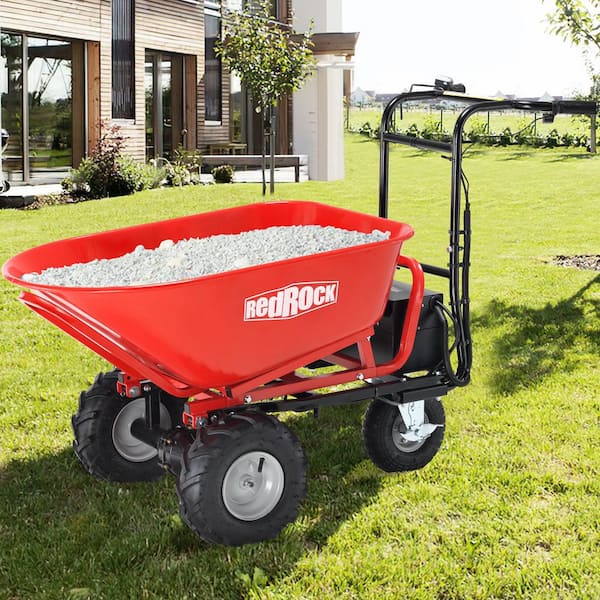
Credit: www.homedepot.com

Credit: willmachinery.com
Frequently Asked Questions
How Many Wheelbarrows Equal One Cubic Yard?
One cubic yard equals approximately 3 to 4 standard wheelbarrow loads. This depends on the wheelbarrow’s size, usually holding about 0. 25 cubic yards. Knowing this helps estimate materials like soil or concrete for projects efficiently.
What Is The Average Wheelbarrow Capacity In Yards?
A typical wheelbarrow holds around 0. 25 cubic yards of material. This capacity varies by model but is useful for quick volume calculations. Understanding this helps in planning material transport and project timelines.
How To Calculate Yardage Using Wheelbarrows?
Measure your wheelbarrow’s volume, then count how many loads fill your space. Multiply the number of loads by the wheelbarrow’s capacity in cubic yards. This method gives a practical way to estimate total volume for landscaping or construction.
Does Material Type Affect Wheelbarrow Yard Calculations?
Yes, material density and compaction impact how much fits in a wheelbarrow. Loose materials fill more space, while dense ones weigh more but occupy less volume. Always consider material characteristics when estimating yardage.
Conclusion
Knowing how many wheelbarrows fill a yard helps plan your work well. It saves time and effort during gardening or construction projects. Always measure your wheelbarrow and the material carefully for best results. This simple step avoids surprises and keeps your project on track.
Now, you can handle material estimates with more confidence and ease. Keep this tip in mind for your next outdoor task.