
Are you ready to turn your kitchen scraps into rich, healthy compost? One key question you might have is: how many worms do you really need for your compost bin?
Getting the right number of worms can make all the difference in how fast and efficiently your waste breaks down. You’ll discover the simple formula to find the perfect worm count for your bin. By the end, you’ll feel confident about starting or improving your composting process—and watch your waste disappear faster than ever.
Keep reading to unlock the secret to a thriving worm compost bin!

Credit: pacificcomposting.ca
Choosing The Right Worm Species
Choosing the right worm species is important for your compost bin. Different worms work better in different conditions.
The right worms help break down food waste faster and create rich compost.
Red Wigglers Vs Earthworms
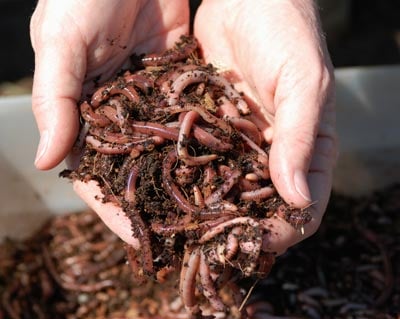
Red wigglers are the best worms for compost bins. They live in decaying matter and eat a lot of organic waste.
Earthworms usually live underground. They are good for garden soil but not the best for compost bins.
- Red wigglers thrive in compost environments
- Earthworms prefer soil with less food waste
- Red wigglers reproduce fast and increase worm numbers
- Earthworms work slower in breaking down food scraps
Benefits Of Composting Worms
Composting worms speed up the breakdown of organic waste. They turn scraps into nutrient-rich compost.
This compost improves soil health and helps plants grow strong. Worms also help reduce waste going to landfills.
- Produce natural fertilizer for gardens
- Help reduce kitchen and garden waste
- Create compost faster than natural decay
- Improve soil structure and water retention
Calculating Worm Quantity
Adding the right number of worms is key for a healthy compost bin. Too few worms slow down the process. Too many worms crowd the space and cause problems.
This guide helps you figure out how many worms to add. It looks at your bin size, food waste volume, and worm-to-waste ratios.
Determining Bin Size
First, find out the size of your compost bin. Measure the length, width, and height in inches or centimeters. Then calculate the volume.
You can use this formula:
For example, a bin 24 inches long, 18 inches wide, and 12 inches high has:
24 × 18 × 12 = 5,184 cubic inches
Estimating Food Waste Volume
Next, estimate how much food waste you add each week. This helps decide how many worms your bin needs.
- Weigh your weekly food scraps if possible.
- Or use volume estimates: a small bowl is about 1 cup (240 ml).
- Track the amount over several weeks for accuracy.
Recommended Worm-to-waste Ratios
Worms eat about half their weight in food each day. Use this ratio to decide worm quantity based on your food waste.
| Food Waste per Week (lbs) | Worms Needed (lbs) | Approximate Worm Count |
| 1 | 3.5 | 3,500 |
| 2 | 7 | 7,000 |
| 5 | 17.5 | 17,500 |
| 10 | 35 | 35,000 |
Starting Your Compost Bin
Creating a compost bin is a great way to recycle kitchen scraps. It also enriches your garden soil. Worms play a crucial role in this process. They break down organic matter into nutrient-rich compost.
The number of worms you need depends on the size of your bin. A standard compost bin usually requires about 1 pound of worms. This equals roughly 1,000 worms.
Preparing The Bedding
Start by preparing the bedding for your worms. Bedding is the material where worms live and eat. It should be moist but not soggy.
Shredded newspaper, cardboard, and coconut coir are good options. These materials allow air to circulate and keep worms healthy.
- Shred paper into small strips
- Soak in water, then wring out excess
- Mix materials for best results
Introducing Worms Gradually
Add worms to your compost bin slowly. This helps them adjust to their new home. Start by placing a small amount of worms on top of the bedding.
Worms will burrow down as they settle in. Monitor them to ensure they are comfortable and active.
- Spread worms evenly over the bedding
- Cover with a thin layer of bedding
- Check the bin after a few days
Maintaining Worm Population
Keeping the right number of worms in your compost bin helps break down food faster. Too many or too few worms can slow composting.
Watch your worm population closely. Adjust care to keep the colony healthy and active.
Signs Of Overpopulation
Too many worms in the bin can cause problems. Here are signs your worm population is too large:
- Worms crowd the surface and avoid deeper bedding
- Strong ammonia or bad smell from the bin
- Food scraps remain uneaten for days
- Worms try to escape the bin
Managing Worm Growth
Control worm growth by adjusting space and conditions. Keep bedding fresh and moist but not wet.
| Action | Effect |
| Add more bedding | Gives worms more space to spread |
| Harvest mature worms | Prevents overcrowding |
| Check moisture level | Stops worm stress and death |
Adjusting Food Supply
Feed worms the right amount to keep them healthy. Too much or too little food affects their growth.
- Give small amounts of food regularly
- Remove uneaten scraps after three days
- Use soft, chopped food for easy digestion
- Avoid oily, spicy, or citrus foods
Optimizing Compost Conditions
Adding the right number of worms is key to a healthy compost bin. Worms help break down food and garden waste quickly.
Good compost conditions make worms active and happy. This helps produce rich soil faster.
Temperature And Moisture Control
Worms like temperatures between 55°F and 77°F. Too hot or cold can slow them down or harm them.
Keep the compost moist like a wrung-out sponge. Too dry or too wet will stress the worms.
- Check temperature daily if possible
- Add water if the bin feels dry
- Use a lid or cover to keep moisture steady
- Move bin to shade during hot days
Aeration Techniques
Worms need air to breathe. Good airflow helps them stay healthy and speed up composting.
Turn the compost regularly to add air. Use a garden fork or compost aerator tool for this.
- Turn compost every 1-2 weeks
- Do not overpack the bin
- Add dry materials like shredded paper to improve airflow
- Keep the bin lid slightly open if needed
Preventing Common Problems
Too many worms can crowd the bin and cause poor conditions. Too few worms slow down composting.
Watch for bad smells, pests, or soggy materials. These signs show that the bin needs fixing.
- Use about 1 pound of worms per square foot of bin space
- Remove excess food scraps if smells develop
- Keep bin dry to avoid pests
- Harvest compost regularly to keep space

Credit: www.youtube.com
Harvesting Worm Castings
Worm castings are a rich natural fertilizer made by worms. They improve soil health and help plants grow strong. Knowing how and when to harvest castings is important for a good compost bin.
This guide explains when to harvest, how to collect castings, and how to use them in your garden.
When To Harvest
Harvest worm castings after the worms have processed most of the food waste. This usually takes about 3 to 6 months. The castings look dark, crumbly, and smell earthy. Avoid harvesting too early to keep worms healthy.
Methods For Collecting Castings
There are several ways to collect worm castings from your compost bin. Choose the method that fits your setup and comfort.
- Hand Sorting:Remove the worms by hand and scoop out the castings.
- Light Method:Place the castings under bright light. Worms move down, so you can collect the top layer.
- Side Harvesting:Move food scraps to one side of the bin. Worms follow the food, so you can harvest castings from the empty side.
Using Castings In Your Garden
Worm castings help plants by adding nutrients and improving soil structure. You can use castings in different ways to boost your garden’s health.
| Use | How to Apply | Benefit |
|---|---|---|
| Potting Mix | Mix castings with soil before planting | Improves soil texture and nutrients |
| Top Dressing | Sprinkle on soil surface around plants | Feeds plants slowly and retains moisture |
| Compost Booster | Add to regular compost piles | Speeds up decomposition and enriches compost |
Credit: urbanwormcompany.com
Frequently Asked Questions
How Many Worms Do I Need For A Small Compost Bin?
For a small compost bin, start with about 1,000 red wigglers. This amount efficiently processes kitchen scraps daily. Adjust worm numbers based on waste volume for best compost results.
What Is The Ideal Worm-to-food Ratio In Composting?
A good worm-to-food ratio is about 1 pound of worms per 2 pounds of food scraps. This balance ensures worms can consume waste without overloading the bin or starving.
Can Too Many Worms Harm My Compost Bin?
Yes, too many worms can overcrowd the bin. Overcrowding leads to less oxygen and slower decomposition. Maintain a balanced worm population for healthy composting.
How Fast Do Worms Multiply In A Compost Bin?
Worms can double their population every 60 to 90 days under ideal conditions. Proper food, moisture, and temperature help worms multiply quickly in compost bins.
Conclusion
Choosing the right number of worms keeps your compost healthy and fast. Start with about one pound of worms for every square foot of bin space. Too many worms can overcrowd and slow down the process. Too few worms will take longer to break down waste.
Watch your bin and adjust worm numbers as needed. Healthy worms mean rich soil for your plants. Keep feeding them right and enjoy fresh compost soon. Simple care makes worm composting easy and rewarding.