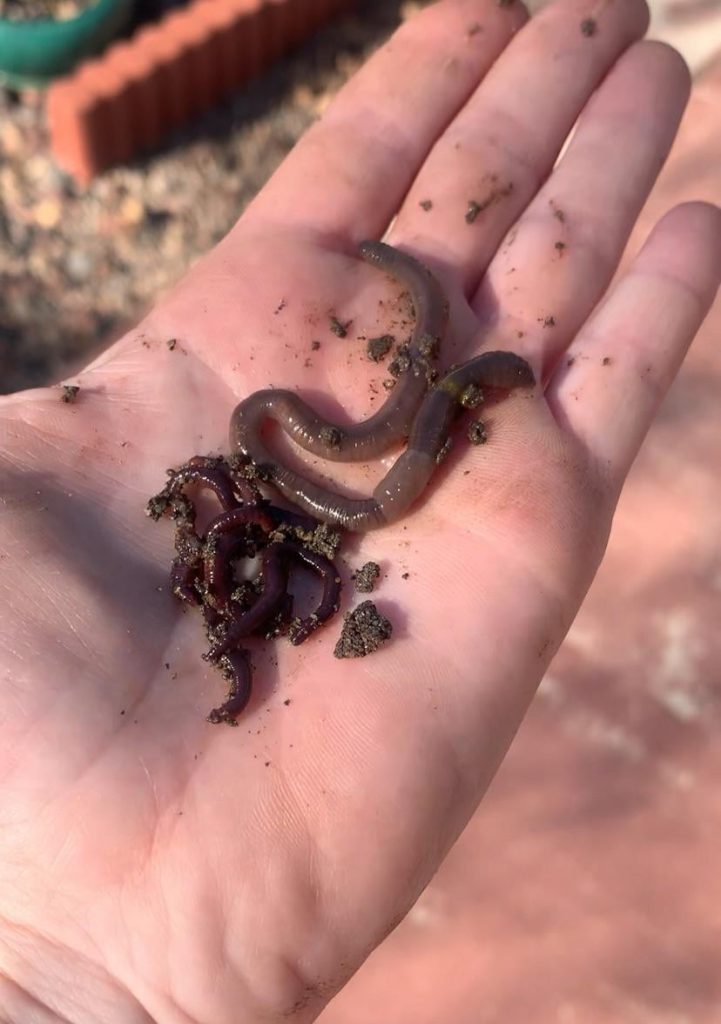
If you want your raised garden beds to thrive, adding worms can make a huge difference. But how many worms do you actually need?
Too few won’t help much, and too many might create problems. Knowing the right number of worms can boost your soil’s health, improve plant growth, and make your garden a vibrant success. Keep reading, and you’ll discover exactly how to find the perfect balance for your raised beds—so your plants get the care they deserve.
Benefits Of Worms In Raised Beds
Worms are helpful for raised garden beds. They improve soil and help plants grow better.
Adding worms to your raised bed garden brings many benefits. They work naturally to keep soil healthy.
Soil Aeration And Structure
Worms dig tunnels in the soil. These tunnels let air and water move easily through the bed.
This digging helps break up hard soil. It makes the soil soft and loose for plant roots.
- Improves air flow in soil
- Helps water reach roots
- Prevents soil from becoming compact
Nutrient Recycling
Worms eat dead plants and organic waste. They turn this material into rich nutrients for the soil.
Their castings (worm poop) are full of minerals that plants need. This natural recycling feeds your garden.
- Breaks down organic matter
- Returns nutrients to soil
- Supports healthy soil life
Improved Plant Growth
Worms create healthy soil conditions. Plants get better access to water and nutrients.
Strong roots grow in worm-friendly soil. This helps plants produce more flowers and vegetables.
- Enhances root development
- Increases nutrient uptake
- Boosts overall plant health
Choosing The Right Worm Species
Worms help break down organic matter in raised garden beds. Picking the right type of worm can improve soil health. It also speeds up composting and plant growth.
Different worm species have different habits and needs. Knowing their traits helps you choose the best worm for your garden bed.
Red Wigglers
Red wigglers are popular for composting and garden beds. They live in the topsoil and eat decaying leaves and food scraps. They reproduce quickly and adapt well to small spaces.
These worms prefer moist, cool environments. They do best in rich organic matter and help create nutrient-rich compost fast.
- Size: 3 to 4 inches
- Habitat: Surface dwellers
- Best for: Compost bins and raised beds
- Temperature: 55-77°F (13-25°C)
European Nightcrawlers
European nightcrawlers are larger worms that burrow deeper in the soil. They help aerate the soil and improve drainage. These worms work well in raised beds with loose soil.
They tolerate cooler temperatures better than red wigglers. Nightcrawlers are slower to reproduce but live longer. They mix organic matter deeper into the bed.
- Size: 4 to 8 inches
- Habitat: Deep soil dwellers
- Best for: Aerating and mixing soil
- Temperature: 50-70°F (10-21°C)
Tiger Worms
Tiger worms have striped bodies and are active composters. They eat a wide range of organic waste quickly. They are good for raised beds that receive lots of kitchen scraps.
These worms prefer warm and moist conditions. They produce fine castings that improve soil texture and fertility. Tiger worms are also known for their fast reproduction rate.
- Size: 2 to 3 inches
- Habitat: Surface and shallow soil
- Best for: Fast composting and soil enrichment
- Temperature: 60-85°F (16-29°C)
Calculating Worm Quantity
Adding worms to raised garden beds helps improve soil health. Calculating the right number of worms ensures they thrive and support your plants.
Several factors affect how many worms you should add. Understanding these helps you plan better for a healthy garden bed.
Factors Affecting Worm Numbers
Worm populations depend on soil quality, moisture, and organic matter available. Temperature and bed depth also play important roles in worm survival and reproduction.
- Soil type affects worm movement and comfort.
- Moisture levels must stay consistent but not soggy.
- Organic matter feeds worms and helps them multiply.
- Temperature should stay between 55°F and 77°F for best activity.
- Deeper beds can hold more worms due to extra space.
Worm Density Per Square Foot
On average, healthy soil can support around 100 to 200 worms per square foot. This range varies based on the factors mentioned earlier.
| Worm Type | Recommended Density (worms/ft²) |
|---|---|
| Red Wigglers | 150 |
| European Nightcrawlers | 100 |
| Common Earthworms | 200 |
Adjusting For Bed Size
Calculate your raised bed’s square footage by multiplying length by width. Then multiply by the worm density to find the total worms needed.
- Measure the length of the raised bed in feet.
- Measure the width of the raised bed in feet.
- Multiply length by width to get square footage.
- Choose the worm density based on worm type.
- Multiply square footage by worm density for total worms.
Preparing Raised Beds For Worms
Adding worms to raised garden beds improves soil health. Worms break down organic matter and enrich the soil.
Before adding worms, prepare the raised bed carefully. The right conditions help worms thrive and work well.
Soil Composition And Bedding
Worms need soft and loose soil with plenty of organic material. Use a mix of garden soil and compost for bedding.
Good bedding helps worms move easily and find food. Avoid heavy clay or sandy soil alone.
- Mix garden soil with compost or leaf mold
- Use shredded newspaper or cardboard as bedding
- Keep soil loose, not compacted
Moisture And Temperature Needs
Worms need moist soil but not too wet. The soil should feel like a wrung-out sponge.
Keep the temperature between 55°F and 77°F (13°C to 25°C). Extreme heat or cold can harm the worms.
- Water the bed regularly to keep soil moist
- Use mulch to keep soil cool and retain moisture
- Protect beds from direct sun during hot days
Creating A Worm-friendly Environment
Provide food for worms by adding organic waste like vegetable scraps. Avoid meat or dairy products.
Keep the bed shaded and well-aerated. Turn the soil gently to add oxygen without disturbing worms too much.
- Add shredded leaves or straw for extra bedding
- Feed worms with kitchen scraps and garden waste
- Turn soil lightly to maintain airflow
- Keep pets and pests away from the bed
Adding And Maintaining Worms
Worms help improve soil in raised garden beds. They break down organic matter and make soil rich. Adding worms is easy and helps plants grow strong.
Keeping worms healthy takes some care. You need to feed them right and watch their health over time. This guide shows how to add and care for worms.
Introducing Worms To The Bed
Start by choosing the right number of worms for your bed size. Red wigglers are best for raised beds. Add them gently to avoid stress.
Place worms in a shady, moist spot in the bed. Cover them lightly with soil or mulch. Give them a few days to settle before adding more organic matter.
Feeding And Care Tips
- Feed worms kitchen scraps like vegetable peels and coffee grounds.
- Avoid feeding meat, dairy, or oily foods.
- Keep the soil moist but not soggy.
- Turn the soil gently to add air but do not disturb worms too much.
- Use mulch to keep the bed cool and moist.
Monitoring Worm Health
| Sign | What It Means | Action |
| Worms on surface | Too wet or too dry soil | Adjust watering |
| Few worms found | Low food or poor conditions | Add food and check soil |
| Worms shrinking | Possible disease or cold | Keep bed warmer and clean |
| Healthy worms | Active and moist skin | Maintain current care |

Credit: www.youtube.com
Common Challenges And Solutions
Adding worms to raised garden beds helps improve soil health. Still, some challenges can occur. Knowing common problems helps keep worms happy and your garden thriving.
This guide covers issues with pests, too many worms, and bad smells. Each section offers simple tips to solve these problems.
Pests And Predators
Worms attract animals like birds, moles, and ants. These pests can harm worms or disturb the garden bed.
- Cover the bed with a fine mesh or netting.
- Add natural repellents like garlic or neem oil nearby.
- Keep the soil moist but not soggy to discourage ants.
- Use raised edges to prevent moles from tunneling in.
Overpopulation Issues
Too many worms can crowd the garden bed. This causes less space and fewer nutrients for each worm.
| Problem | Cause | Solution |
| Soil dries out fast | Too many worms use water | Reduce worm number; water regularly |
| Limited food supply | Worms eat all organic matter | Add more compost or organic material |
| Bad smell | Worm waste builds up | Harvest worm castings often |
Dealing With Odors
Worm beds can develop odors if they get too wet or the balance is off. Smells mean the bed needs attention.
Follow these tips to reduce odors:
- Keep the bed moist but not soggy.
- Turn the soil gently to improve air flow.
- Add dry bedding like shredded newspaper or leaves.
- Remove any rotten food scraps quickly.
Signs Of A Thriving Worm Population
Worms help keep raised garden beds healthy. They break down organic matter and improve soil quality. You can tell if your worm population is doing well by checking some simple signs.
Watching these signs can help you decide how many worms you need for your raised beds. A healthy worm population means better plants and soil.
Soil Texture And Smell
Good worm activity changes the soil texture. The soil feels soft and crumbly, not hard or compacted. This allows air and water to move easily.
The soil also smells fresh and earthy. It should not smell rotten or sour. A nice smell shows worms and microbes are working well.
- Soil feels loose and crumbly
- Soil holds moisture but drains well
- Fresh, earthy smell instead of bad odors
Plant Health Indicators
Plants growing in worm-rich soil often look stronger. Leaves are green and healthy. Plants grow faster and produce more flowers or vegetables.
Weak or yellow plants can mean not enough worms. Worms help plants get nutrients by breaking down dead leaves and roots.
- Plants have vibrant green leaves
- Plants grow steadily and look strong
- More flowers and fruits on plants
Worm Activity Levels
Check worm numbers by gently digging in the soil. You should find several worms in a small area. Lots of worms mean good soil health.
Worm castings, or small worm droppings, show worms are active. These castings look like tiny soil pellets and help feed plants.
- Find many worms when digging a handful of soil
- Look for worm castings on the soil surface
- Worms move quickly when soil is disturbed

Credit: brotherswormfarm.com
Maximizing Worm Benefits
Adding worms to your raised garden beds helps improve soil health. Worms break down organic material and make nutrients available to plants.
Knowing how many worms to add can increase these benefits. It supports better plant growth and a healthier garden.
Harvesting Worm Castings
Worm castings are rich in nutrients that plants love. They improve soil texture and water retention.
Collect castings by gently separating worms from the soil. Use the castings as a natural fertilizer around your plants.
- Check beds for castings every few weeks
- Use a small sieve to separate castings from worms
- Apply castings to the soil surface or mix into planting holes
Integrating Composting Techniques
Combine worms with composting to speed up organic matter breakdown. Worms help turn kitchen scraps and garden waste into rich compost.
Place compost near or inside raised beds to feed worms. This supports a healthy worm population and improves soil fertility.
- Add fruit and vegetable scraps regularly
- Keep compost moist but not wet
- Turn compost to add air and help worms move
Seasonal Adjustments
Worm activity changes with the seasons. They slow down in cold weather and are more active in warm months.
Adjust the number of worms and feeding habits based on the season. This keeps your garden healthy all year long.
- In spring and summer, add more worms and food
- Reduce feeding in fall and winter
- Protect worms from freezing by adding mulch or moving beds

Credit: randylemmon.com
Frequently Asked Questions
How Many Worms Are Ideal For Garden Beds?
For raised garden beds, 1,000 to 2,000 worms per square foot is recommended. This ensures optimal soil health and plant growth. Worms help aerate the soil, improve drainage, and enhance nutrient availability. They also break down organic material, enriching the soil with essential nutrients.
Can Too Many Worms Harm Raised Beds?
Having too many worms in raised beds can cause problems. Excessive worms can lead to overcrowding and competition for resources. This might reduce their effectiveness in soil aeration and nutrient recycling. It’s best to maintain a balanced worm population for optimal garden health.
What Type Of Worms Are Best For Gardens?
Red wigglers are the best worms for raised garden beds. They thrive in composting environments and efficiently break down organic material. These worms improve soil structure and fertility. Their activity enhances nutrient availability, benefiting plant growth. Red wigglers are also hardy and adapt well to varying conditions.
How Do Worms Benefit Garden Soil?
Worms improve soil structure by aerating and breaking down organic material. Their activity increases nutrient availability, promoting plant growth. Worms enhance drainage, reducing waterlogging risks. They also create tunnels, improving root penetration. Overall, worms contribute to healthier, more fertile garden soil.
Conclusion
Adding the right number of worms helps your garden soil stay healthy. Worms break down organic matter and make nutrients easy for plants. Usually, a few hundred worms work well in a raised bed. Too many worms can cause crowding and slow their work.
Check your soil often and add worms as needed. Worms make your garden bed richer and boost plant growth. Keep your garden alive with nature’s tiny helpers. Simple steps lead to better, greener plants.