
Have you ever wondered how long your air conditioner will keep you cool? Knowing the lifespan of your AC can save you from unexpected breakdowns and costly repairs.
Whether you’re thinking about buying a new unit or just want to get the most out of the one you have, understanding how many years an air conditioner lasts is key. You’ll discover the real facts about AC lifespan, what affects it, and how you can make your unit last longer.
Keep reading to make smarter choices for your comfort and wallet.
Factors Influencing Ac Lifespan
Quality of installationaffects how long an AC lasts. Poor setup can cause early breakdowns. Proper installation ensures parts work well together and reduces wear.
Frequency of usealso matters. An AC used all day every day will wear out faster than one used only sometimes. Less use usually means longer life.
Maintenance practicesplay a big role. Regular cleaning and check-ups keep parts running smoothly. Dirty filters and clogged coils can shorten lifespan quickly.
Environmental conditionsimpact durability. Dusty, hot, or humid areas stress AC units more. Cleaner, cooler places help ACs last longer.
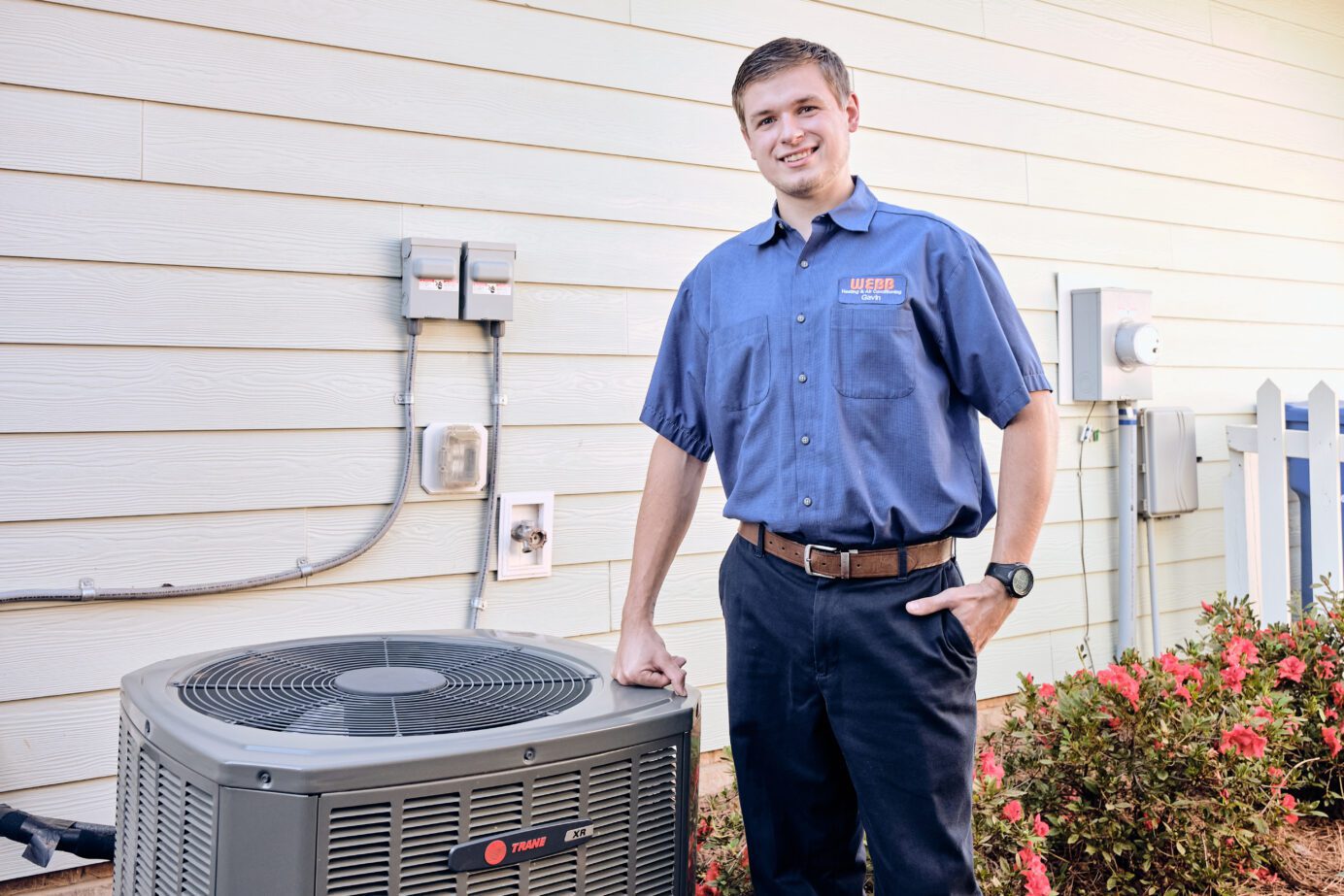
Credit: webbhvac.com
Average Lifespan Of Different Ac Types
Window air conditionersusually last about 8 to 10 years. They are easy to install and cost less. Regular cleaning helps them run longer.
Split-system air conditionerscan last 12 to 15 years. They have two parts: an indoor unit and an outdoor unit. Proper maintenance is key.
Central air conditioning systemsoften last 15 to 20 years. These cool whole buildings and need professional check-ups.
Portable air conditionershave a shorter life, around 5 to 8 years. They are easy to move but need frequent care.
Signs Your Ac Needs Replacement
Reduced cooling efficiencymeans your AC is not cooling the room well. It may take longer to reach the set temperature. This issue often signals the unit is aging or has internal problems.
Frequent repairscan add up in cost and time. If you call for service often, your AC might be near the end of its life. Constant fixes waste money better spent on a new unit.
Unusual noiseslike grinding, rattling, or buzzing show mechanical trouble. These sounds are not normal and warn of parts wearing out. Ignoring them can cause bigger damage.
Increased energy billshappen when the AC works harder than before. An old or failing unit uses more electricity to cool your home. Higher bills can indicate it is time to replace the system.

Credit: acs-installations.co.uk
Extending Your Ac’s Lifespan
Regular maintenancekeeps your air conditioner running longer. Clean or replace filters every 1-3 months. Check the coils and fins for dust and debris. Clear the area around the unit from leaves or dirt. Schedule a professional check-up once a year to inspect refrigerant levels and electrical components.
Use your AC at moderate temperatures. Avoid setting it too low, which strains the system. Close windows and doors to keep cool air inside. Use fans to help circulate air and reduce AC load. Turn off the unit when not needed to save energy and prevent wear.
| Upgrade | Benefits |
|---|---|
| Programmable Thermostat | Adjusts temperature automatically, saves energy |
| High SEER Units | More efficient cooling, lower electricity bills |
| Variable-Speed Compressors | Runs at different speeds for better comfort |
Choosing A Replacement Ac
Energy efficiencyis key when choosing a new AC unit. Look for models with a high SEER rating. This means they use less electricity and save money over time.
Choosing the right system sizematters a lot. An AC too small will not cool well. One too large wastes energy and causes wear. Get a professional to measure your space.
Advanced features can add comfort and savings. Consider:
- Smart thermostatsfor easy temperature control.
- Variable speed compressorsto adjust cooling power smoothly.
- Improved air filtersfor cleaner air.
- Dehumidifiersto reduce indoor moisture.

Credit: lennoxdealerstoronto.ca
Frequently Asked Questions
How Long Does An Air Conditioner Typically Last?
Most air conditioners last between 10 to 15 years. Proper maintenance can extend their lifespan. Factors like usage and climate affect durability.
What Factors Affect Air Conditioner Lifespan?
Usage frequency, maintenance quality, and climate impact AC lifespan. Regular cleaning and timely repairs enhance performance and longevity.
How Can I Extend My Air Conditioner’s Life?
Schedule regular maintenance, clean filters monthly, and fix issues promptly. Proper use and professional servicing boost your AC’s lifespan.
When Should I Replace My Air Conditioner?
Replace your AC if repair costs exceed 50% of a new unit. Also, consider replacement if it fails frequently or cools inefficiently.
Conclusion
Air conditioners usually last about 10 to 15 years. Proper care can help them work longer. Regular cleaning and timely repairs matter a lot. Old units may cost more to run. Watch for signs like strange noises or weak cooling.
Replacing an old AC can save money in the long run. Understanding your unit’s lifespan helps you plan better. Stay cool and keep your AC in good shape.