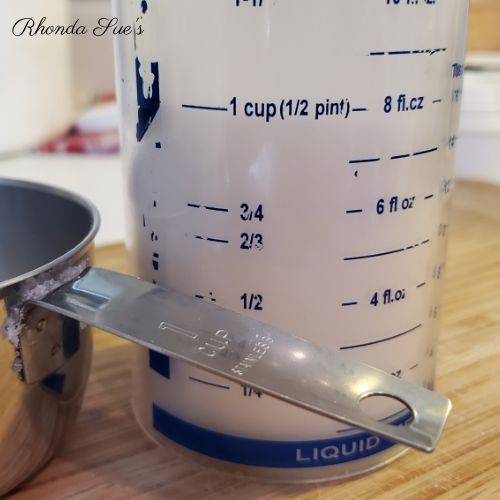
Have you ever struggled to measure 1 3 cup accurately while cooking or baking? It might seem tricky, but once you know the simple tricks, you can get it right every time.
Getting your measurements spot on can make all the difference in your recipes. You’ll discover easy methods to measure 1 3 cup without any guesswork. Keep reading, and you’ll never have to worry about uneven portions again!

Credit: rhondasues.com
Choosing The Right Tools
Measuring ingredients correctly is key to good cooking and baking. Using the right tools helps you get the best results every time.
This guide explains the difference between dry and liquid measuring cups. It also shows why a scale can improve accuracy.
Dry Vs Liquid Measuring Cups
Dry measuring cups are made for flour, sugar, and other powders. Liquid measuring cups hold water, milk, and oils. Each cup type fits its purpose.
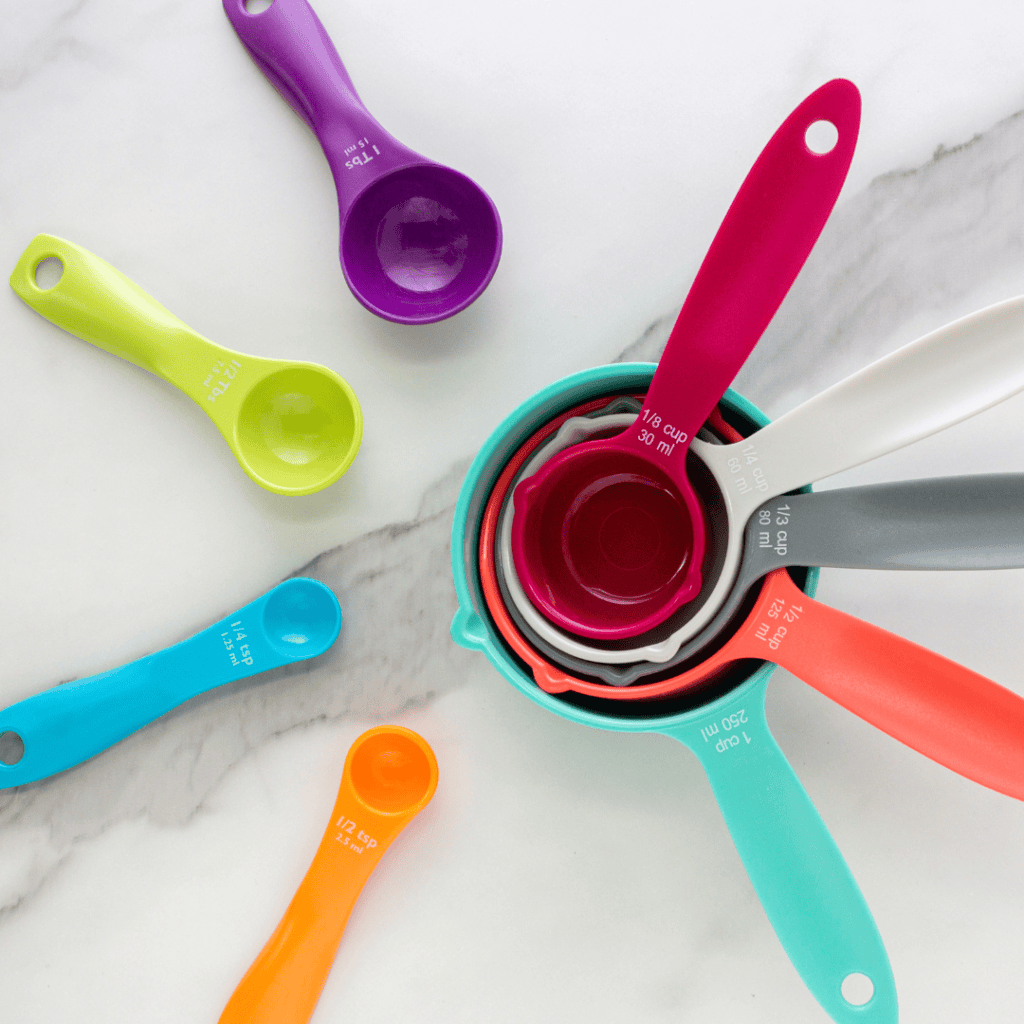
- Dry cups:Usually come in sets with measurements like 1/4, 1/3, 1/2, and 1 cup.
- Liquid cups:Have a spout for pouring and clear marks on the side.
- Use dry cups:Scoop the ingredient and level it off with a flat edge.
- Use liquid cups:Place on a flat surface and check the liquid at eye level.
Using A Scale For Accuracy
A kitchen scale measures ingredients by weight. It gives more exact results than cups, especially for baking.
| Tool | Best for | Accuracy |
|---|---|---|
| Dry Measuring Cups | Flour, sugar, grains | Good |
| Liquid Measuring Cups | Water, oil, milk | Good |
| Kitchen Scale | All ingredients | Very high |
Credit: www.recipesandplaces.com
Converting 1/3 Cup Measurements
Measuring 1/3 cup accurately helps in cooking and baking. Knowing how to convert this measurement saves time.
This guide shows you how to convert 1/3 cup into tablespoons, teaspoons, and milliliters.
Equivalent Tablespoons And Teaspoons
One-third cup equals a specific number of tablespoons and teaspoons. This helps when you don’t have a 1/3 cup measure.
- 1/3 cup = 5 tablespoons + 1 teaspoon
- 1 tablespoon = 3 teaspoons
- So, 1/3 cup = 16 teaspoons total
Using Milliliters For Precision
Milliliters give exact volume measurements. This is useful for liquids and when precision is key.
| Measurement | Milliliters (ml) |
|---|---|
| 1 cup | 240 ml |
| 1/3 cup | 80 ml |
| 1 tablespoon | 15 ml |
| 1 teaspoon | 5 ml |
Techniques For Accurate Measuring
Measuring ingredients correctly is key to good cooking and baking. Even small mistakes can change the taste and texture of your dish.
Use the right tools and methods to ensure your measurements are precise. This guide covers simple ways to measure 1/3 cup accurately.
Leveling Dry Ingredients
Fill the measuring cup until it is heaping over the top. Then, use a flat edge like a knife to level off the excess. This gives an exact amount.
- Spoon the ingredient lightly into the cup without shaking it down.
- Use a straight edge to scrape off the extra ingredient.
- Do not press down to avoid adding too much.
Avoiding Packing Ingredients
Some ingredients like brown sugar can clump and pack down. Avoid pressing them into the cup tightly. Instead, scoop gently to keep volume accurate.
| Ingredient | How to Measure |
| Brown Sugar | Spoon in and lightly pack |
| Flour | Spoon in and level off |
| Cocoa Powder | Sift first, then spoon and level |
Measuring Sticky Ingredients
Sticky ingredients like honey and syrup stick to cups and spoons. Use a liquid measuring cup and spray it with cooking spray first. This helps the ingredient slide out easily.
- Use a clear liquid measuring cup with a spout.
- Spray the cup lightly with oil or cooking spray.
- Pour the sticky ingredient slowly and check at eye level.
- Use a rubber spatula to scrape out all the sticky parts.
Common Mistakes To Avoid
Measuring 1/3 cup can be tricky if you do not pay attention. Many people make simple errors that affect recipes.
Knowing common mistakes helps you get accurate measurements every time. This leads to better cooking results.
Overfilling Cups
Overfilling the measuring cup is a common mistake. It causes you to add more than 1/3 cup, which can ruin your recipe.
Fill the cup slowly and level off the top with a flat edge. Avoid packing ingredients unless the recipe says so.
- Fill cup just to the rim, no higher
- Use a straight edge like a knife to level
- Do not shake or tap cup to settle ingredients
- Use dry measuring cups for dry ingredients
Ignoring Ingredient Density
Different ingredients have different densities. 1/3 cup of flour weighs less than 1/3 cup of sugar.
Measuring by volume alone can cause errors. Use a kitchen scale for precise recipes or follow the recipe’s specific instructions.
- Flour is light and fluffy
- Sugar is heavier and packs down more
- Brown sugar is often packed tightly
- Check if recipe asks for packed or loose measurement
Tips For Consistent Baking Results
Measuring ingredients correctly is key for baking success. Small errors can change taste and texture.
Using the right tools and adjusting for your environment helps your baked goods turn out great every time.
Calibrating Your Measuring Tools
Measuring cups and spoons can lose accuracy over time. Check them regularly to keep your baking consistent.
- Weigh your measuring cups with a kitchen scale to check accuracy.
- Use a dry measuring cup for flour and sugar, and a liquid cup for liquids.
- Level off dry ingredients with a straight edge for exact amounts.
- Replace damaged or warped measuring tools.
Adjusting For Altitude And Humidity
Altitude and humidity affect how ingredients behave. Adjust your recipes for better results.
| Condition | Adjustment |
| High Altitude | Use less baking powder and sugar, increase liquid |
| High Humidity | Reduce liquid slightly, sift flour well |
| Low Humidity | Add a little extra liquid to dough |

Credit: www.amazon.com
Frequently Asked Questions
How Can I Accurately Measure 1/3 Cup?
Use a standard measuring cup labeled for dry or liquid ingredients. Fill it to the 1/3 cup mark. Level off dry ingredients with a straight edge for accuracy. For liquids, ensure the meniscus is at the 1/3 mark. This ensures precision in baking and cooking.
What Is 1/3 Cup In Tablespoons?
1/3 cup equals approximately 5 tablespoons plus 1 teaspoon. This conversion is useful when you don’t have a 1/3 cup measure. Use a tablespoon and teaspoon to achieve the exact measurement. This method ensures consistent results in your recipes.
Can I Use A Scale To Measure 1/3 Cup?
Yes, you can use a kitchen scale to measure 1/3 cup. Weigh the ingredient equivalent in grams or ounces. This method is particularly useful for dry ingredients. It provides more accuracy and consistency in recipes, especially in baking.
Is 1/3 Cup The Same For Liquids And Solids?
Yes, 1/3 cup is the same measurement for both. However, use different tools for accuracy. Dry measuring cups are for dry ingredients, and liquid measuring cups are for liquids. This distinction ensures precise and consistent results in cooking and baking.
Conclusion
Measuring 1/3 cup is simple and quick. Use a standard measuring cup for accuracy. Fill it level to avoid mistakes. Knowing this helps with cooking and baking. It saves time and reduces guesswork. Practicing this skill improves your kitchen confidence.
Try it next time you cook. Small steps make big differences. Keep measuring right for better recipes every time.