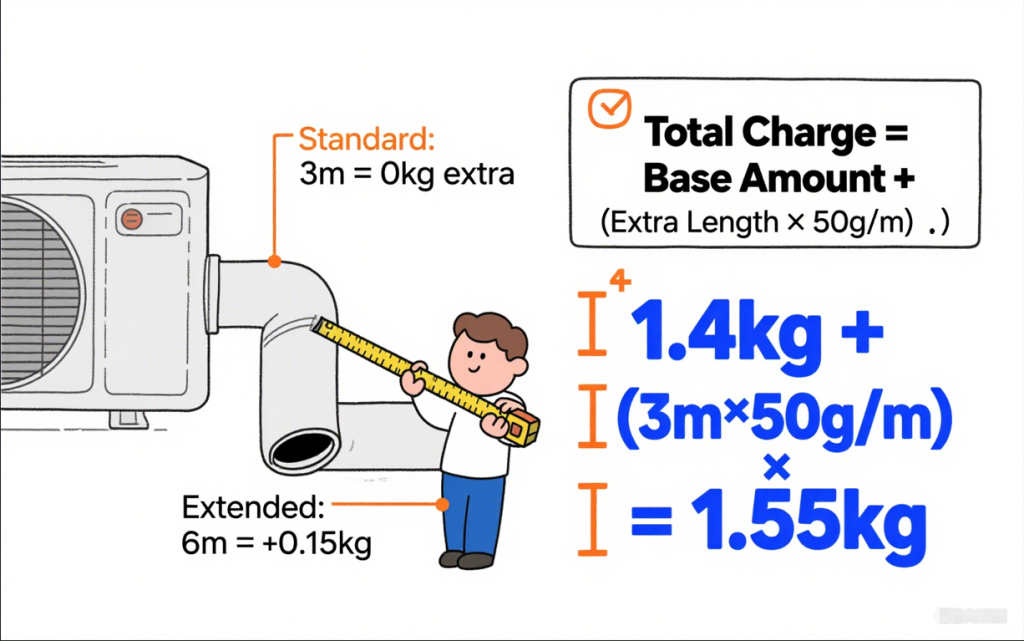
Ever been caught in the sweltering heat, and suddenly your air conditioner starts blowing warm air? Frustrating, isn’t it?
You might be wondering if low refrigerant levels are the culprit and, more importantly, how much refrigerant you really need to get your AC back to its cooling glory. Understanding the right amount of refrigerant for your system is crucial—not just for comfort, but also for efficiency and cost savings.
In this guide, we’ll break down everything you need to know about AC refrigerant levels. Get ready to dive into the details that could save you from sweating it out during those hot summer days. Your comfort is just a few scrolls away!
Credit: www.georgiaairrepair.com
Signs Of Low Refrigerant
Low refrigerant in your AC system can cause several problems. It often leads to poor cooling and higher energy costs. Detecting low refrigerant early prevents costly repairs and keeps your home comfortable. Watch for signs that show your AC may need a refrigerant refill.
Common Symptoms
- Warm air blowing from the vents
- Longer cooling cycles without reaching set temperature
- Ice forming on the evaporator coil or refrigerant lines
- Hissing or bubbling noises near the outdoor unit
- Higher electricity bills than usual
- Frequent system shutdowns or short cycling
Impact On Ac Performance
Low refrigerant reduces the AC’s ability to cool effectively. The system works harder, causing wear and tear. It may not remove humidity properly, making rooms feel sticky.
Insufficient refrigerant can damage the compressor, leading to expensive repairs. Your AC runs longer but cools less. This wastes energy and raises utility bills.
Types Of Refrigerants
Refrigerants are the lifeblood of any air conditioning system. They absorb heat from inside your home and release it outside, keeping your space cool. Different types of refrigerants have unique properties. Choosing the right one helps your AC work efficiently and last longer. Understanding refrigerant types also aids in finding the correct amount your system needs.
Popular Refrigerant Options
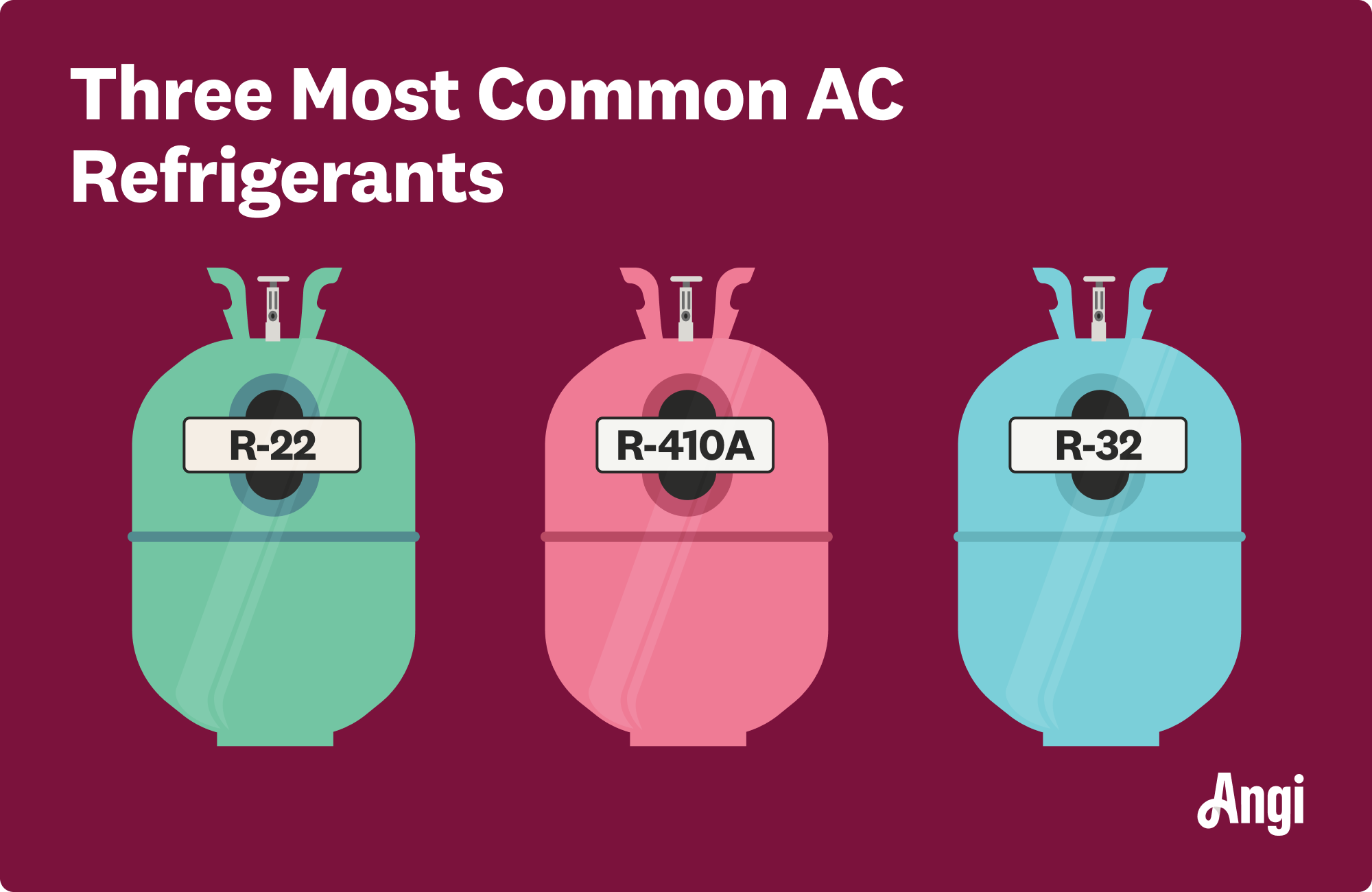
- R-22 (Freon):Used in older AC units. Being phased out due to environmental rules.
- R-410A (Puron):Common in newer systems. More efficient and eco-friendly than R-22.
- R-32:Growing in popularity. Lower global warming potential and good cooling power.
- R-134a:Mainly for car ACs but sometimes in small home units.
- Natural Refrigerants:Such as propane and ammonia. Eco-friendly but less common in homes.
Compatibility With Systems
Not all refrigerants fit every AC system. Using the wrong type can damage your unit. Always check the manufacturer’s label or manual for the correct refrigerant type. Older units often require R-22, but new ones use R-410A or R-32. Mixing refrigerants or using substitutes can reduce efficiency and void warranties.
Technicians need to match refrigerants precisely for safe and effective repairs. Proper refrigerant choice ensures your system cools well and runs smoothly.
Factors Influencing Refrigerant Amount
Determining the right amount of refrigerant for an AC unit depends on several important factors. These factors affect how much refrigerant the system needs to work efficiently. Understanding these can help maintain your AC’s performance and avoid problems.
Ac Unit Size
The size of the AC unit plays a key role in refrigerant needs. Larger units need more refrigerant to cool the space properly. Smaller units use less refrigerant. It is important to match the refrigerant amount with the unit’s capacity to avoid damage or poor cooling.
System Design
Different AC systems have unique designs and parts. Some use more refrigerant because of longer copper lines or bigger coils. The type of compressor and other components also affect how much refrigerant is required. The system must be charged according to the manufacturer’s specifications.
Environmental Conditions
Outside temperature and humidity influence refrigerant demand. Hotter climates require more refrigerant for effective cooling. High humidity can also change how the system works. Proper refrigerant levels help the AC handle various weather conditions efficiently.
Credit: www.angi.com
Locating Refrigerant Capacity Information
Finding the right amount of refrigerant for your AC is essential. Too little or too much refrigerant harms the system. The exact capacity varies by model and size. Locating this information helps you refill correctly. It ensures your AC runs efficiently and lasts longer.
Manufacturer Labels
Look for labels on the outdoor or indoor unit. These labels usually show the refrigerant type and capacity. The label may be on the side or back of the unit. It often includes numbers like pounds or ounces. This is the exact refrigerant amount your AC needs.
User Manuals
Check the user manual that came with your AC unit. Manuals provide detailed specs, including refrigerant capacity. They explain how to handle refrigerants safely. If you lost the manual, try to find a digital copy. Many manufacturers offer PDF versions online for free.
Online Resources
Visit the manufacturer’s website for your AC model. They often list refrigerant details in product specifications. You can also find forums or guides for your unit. These resources help confirm the correct refrigerant amount. Use trusted sites to avoid wrong information.
Tools Needed For Charging
Charging your AC system with the right amount of refrigerant is crucial for its efficiency and longevity. To do this correctly, having the proper tools on hand is essential. These tools not only help you measure and add refrigerant accurately but also ensure your safety throughout the process.
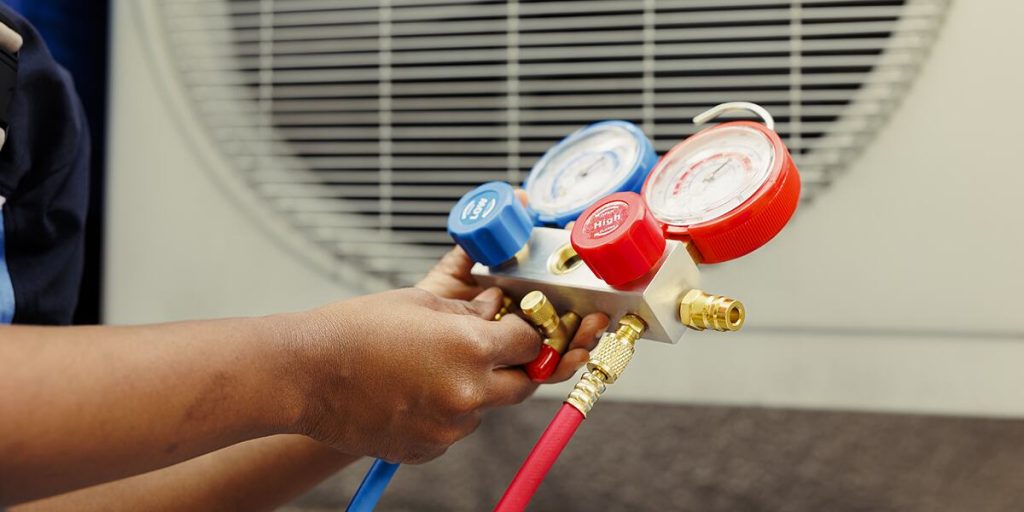
Pressure Gauges
Pressure gauges are your best friends when it comes to monitoring refrigerant levels. They measure the pressure inside the AC system, giving you real-time data to avoid overcharging or undercharging. Without accurate pressure readings, guessing the right amount of refrigerant can lead to costly mistakes.
Look for gauges that are compatible with your type of refrigerant and provide clear, easy-to-read measurements. Digital pressure gauges can offer more precise readings, but analog ones work well for most home applications.
Refrigerant Scales
A refrigerant scale helps you track exactly how much refrigerant you add to your system. It prevents you from adding too much, which can damage the compressor, or too little, which reduces cooling efficiency. I once tried charging an AC without a scale and ended up wasting refrigerant and time due to poor measurement.
Using a scale is simple: place the refrigerant cylinder on it and monitor the weight as you add refrigerant. This way, you can match the manufacturer’s specified refrigerant charge perfectly.
Safety Equipment
Safety gear is often overlooked, but it’s a must-have when working with refrigerants. Gloves and safety goggles protect your skin and eyes from harmful exposure. Refrigerants can cause frostbite or irritation if they come in contact with your body.
Consider also wearing a mask to avoid inhaling fumes, especially in poorly ventilated spaces. Always keep a fire extinguisher nearby, as some refrigerants are flammable. Are you prepared to protect yourself fully before starting your AC charging task?
Step-by-step Charging Process
Charging your AC system with the right amount of refrigerant is crucial for optimal performance and energy efficiency. The process requires careful preparation, accurate measurement, and safe handling to avoid damage or hazards. Let’s walk through the essential steps that will help you handle this task confidently and effectively.
Preparing The System
Before adding refrigerant, make sure your AC system is completely off and cooled down. Check for any leaks or damage in the hoses, connections, and compressor. You don’t want to add refrigerant to a system that’s leaking or broken—it wastes refrigerant and can cause serious damage.
Gather all necessary tools: a manifold gauge set, refrigerant canister, and protective gloves. If you’ve never worked with refrigerant before, consider reading the safety instructions on the canister carefully. Safety gear isn’t optional here—it protects you from cold burns and harmful exposure.
Measuring Refrigerant
Accurate measurement is key. Your AC unit’s manual or the label on the outdoor condenser usually states the exact refrigerant amount required. This number is often listed in pounds or ounces—don’t guess or eyeball it.
Use a digital scale to weigh the refrigerant canister before and after charging. This lets you track precisely how much refrigerant you’ve added. Overcharging can cause increased pressure and damage, while undercharging reduces cooling efficiency.
Adding Refrigerant Safely
Attach the manifold gauge to the low-pressure service port only. Never connect to the high-pressure side—it’s dangerous and can harm your system. Open the valve slowly to allow refrigerant to flow in controlled amounts.
Keep an eye on the pressure readings and the amount of refrigerant added. Stop when you reach the manufacturer’s recommended level. If you notice unusual noises or pressure spikes, pause immediately and inspect the system.
Have you ever felt unsure about adding refrigerant because of the risks involved? Taking it slow and following these steps can help you feel more in control and protect your investment. Remember, patience and precision are your best tools here.
Common Charging Mistakes
Charging your AC system with the right amount of refrigerant is crucial, yet many people make avoidable mistakes. These errors can lead to poor cooling, increased energy bills, or even damage to your system. Understanding the common charging mistakes helps you maintain your AC efficiently and avoid costly repairs.
Overcharging Risks
Adding too much refrigerant can cause your AC to work harder than necessary. This extra pressure may damage the compressor, leading to expensive repairs or complete system failure.
Overcharging also reduces cooling efficiency and increases your energy costs. Have you noticed your AC running constantly but still not cooling enough? That might be a sign of overcharging.
Undercharging Effects
Not putting enough refrigerant in your system can be just as harmful. Your AC won’t cool properly, and the system will run longer to reach the desired temperature.
Undercharging can cause the compressor to overheat and eventually break down. If you feel weak airflow or warm air blowing from your vents, low refrigerant might be the culprit.
Avoiding Leaks
Leaks are a hidden enemy when charging refrigerant. Even a small leak can throw off the balance, causing undercharging and system damage over time.
Regularly check hoses and connections for signs of wear or oil stains, which often indicate leaks. Sealing these leaks promptly saves you money and keeps your AC running smoothly.

Credit: refrigerantscenter.com
When To Call A Professional
Knowing when to call a professional for your AC refrigerant needs can save you time, money, and potential hazards. Handling refrigerant isn’t always straightforward, and certain situations demand expert attention. Recognizing these moments helps protect your system and ensures optimal cooling performance.
Complex Systems
Modern air conditioning systems can be intricate, with multiple components working together. If your AC has advanced features like variable speed compressors or dual-stage cooling, adding refrigerant isn’t just about topping it off.
Professionals have the tools and training to measure refrigerant pressure accurately and adjust levels precisely. Attempting to do this yourself on a complex system could lead to improper charge, which might damage the unit or reduce efficiency.
Legal Regulations
Refrigerants are regulated substances, and their handling is controlled by strict laws. You need a certified technician to legally purchase and add refrigerant in most regions.
Unauthorized handling can lead to hefty fines and environmental damage. Have you ever wondered why refrigerant containers come with warnings and require special disposal? This is why legal compliance is essential.
Safety Concerns
Refrigerants are under high pressure and can be hazardous if mishandled. Exposure to refrigerant leaks can cause frostbite, respiratory issues, or environmental harm.
A professional knows how to detect leaks, recover refrigerant safely, and recharge your system without risk. Your safety and the safety of those around you should never be compromised by attempting DIY refrigerant work.
Frequently Asked Questions
How Do I Calculate Ac Refrigerant Amount Needed?
To calculate refrigerant, check your AC unit’s specifications. The required amount depends on system size and type. Use manufacturer guidelines or consult a professional for accuracy. Avoid guessing to prevent damage or inefficiency.
What Factors Affect Refrigerant Quantity In Ac?
Refrigerant quantity depends on system size, type, and length of refrigerant lines. Leaks and previous servicing also affect levels. Proper measurement ensures efficient cooling and prevents system damage.
Can I Add Refrigerant Without Measuring Exact Amount?
Adding refrigerant without measurement risks overcharging or undercharging. Both harm efficiency and system health. Always measure or consult a technician to maintain optimal refrigerant levels.
Why Is Correct Refrigerant Amount Important?
Correct refrigerant ensures efficient cooling and system longevity. Too much or too little causes poor performance and damage. Proper levels reduce energy costs and prevent costly repairs.
Conclusion
Knowing the right amount of AC refrigerant saves time and money. Too little refrigerant can cool poorly and harm your system. Too much can cause leaks and damage parts. Always check your AC’s manual for the exact amount needed. If unsure, ask a professional to avoid mistakes.
Proper refrigerant levels keep your AC running strong and cool. Remember, careful handling protects both your home and the environment. Stay informed and keep your AC in top shape for comfort all year.