Are you wondering how much air conditioner you actually need to keep your space cool and comfortable? Picking the right size AC is more important than you might think.
Too small, and it won’t cool your room properly. Too big, and you’ll waste energy and money. You’ll discover simple ways to figure out the perfect air conditioner size for your home or office. By the end, you’ll be confident in your choice—saving you from costly mistakes and keeping you cool all summer long.
Let’s get started!
Credit: www.furnaceprices.ca
Calculating Ac Capacity
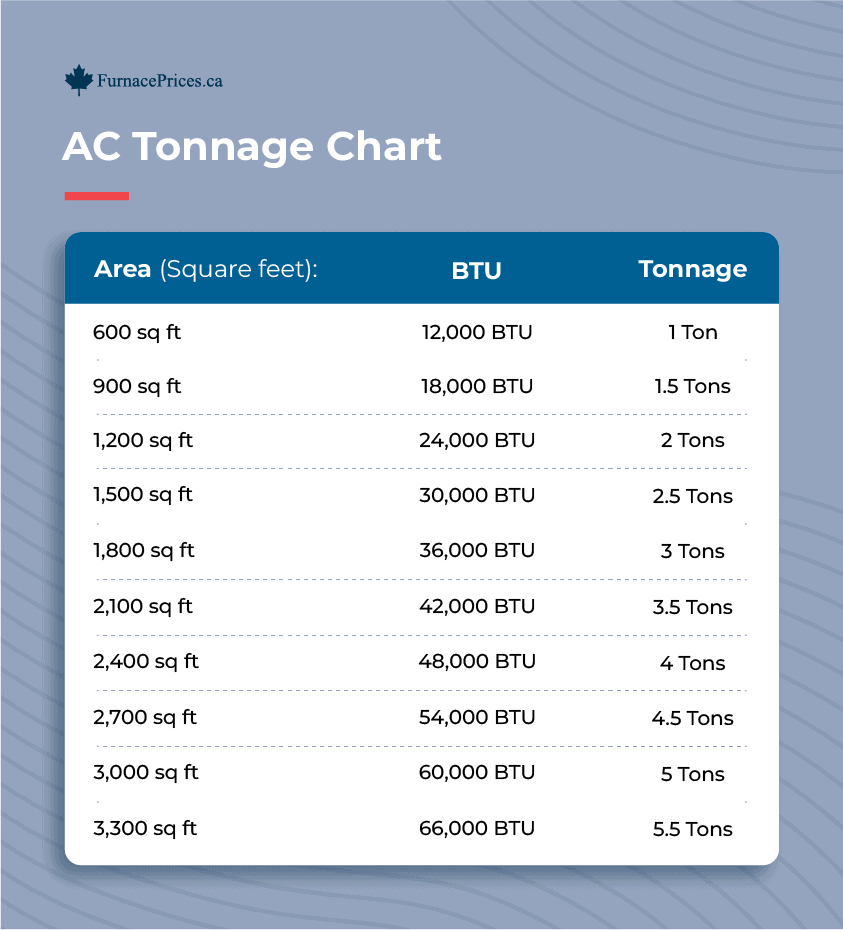
Choosing the right air conditioner size is important for comfort. An AC that is too small will not cool well. An AC that is too large will waste energy.
To find the right size, you must calculate the AC capacity based on your room and cooling needs.
Room Size And Cooling Needs
The size of your room is the main factor in choosing AC capacity. Bigger rooms need more cooling power.
Measure the room in square feet by multiplying length and width. This helps estimate how strong your AC should be.
- Small rooms (100-300 sq ft) need about 5,000 to 7,500 BTU
- Medium rooms (300-500 sq ft) need about 8,000 to 12,000 BTU
- Large rooms (500-1,000 sq ft) need 12,000 to 18,000 BTU or more
Btu And Its Importance
BTU stands for British Thermal Unit. It shows how much heat an AC can remove per hour.
Higher BTU means more cooling power. You need the right BTU for your room size to keep it cool and save energy.
- Too low BTU: AC runs nonstop and still feels warm
- Too high BTU: AC cools too fast and wastes electricity
Factors Affecting Cooling Load
Besides room size, other factors affect how much cooling you need. These include sunlight, insulation, and room use.
- Sunlight: Rooms with many windows or direct sun need more cooling
- Insulation: Poor insulation causes heat to enter, increasing cooling needs
- Number of people: More people add heat and require higher AC capacity
- Appliances: Devices like computers and ovens add heat inside the room
Credit: www.furnaceprices.ca
Types Of Air Conditioners
Choosing the right air conditioner depends on your space and needs. Different types suit different rooms and budgets.
Understanding the main air conditioner types helps you pick one that cools well and saves energy.
Window Units
Window units fit into a window frame. They cool one room and are easy to install. These units are affordable and common.
They work by pulling warm air from the room, cooling it, and then blowing it back inside.
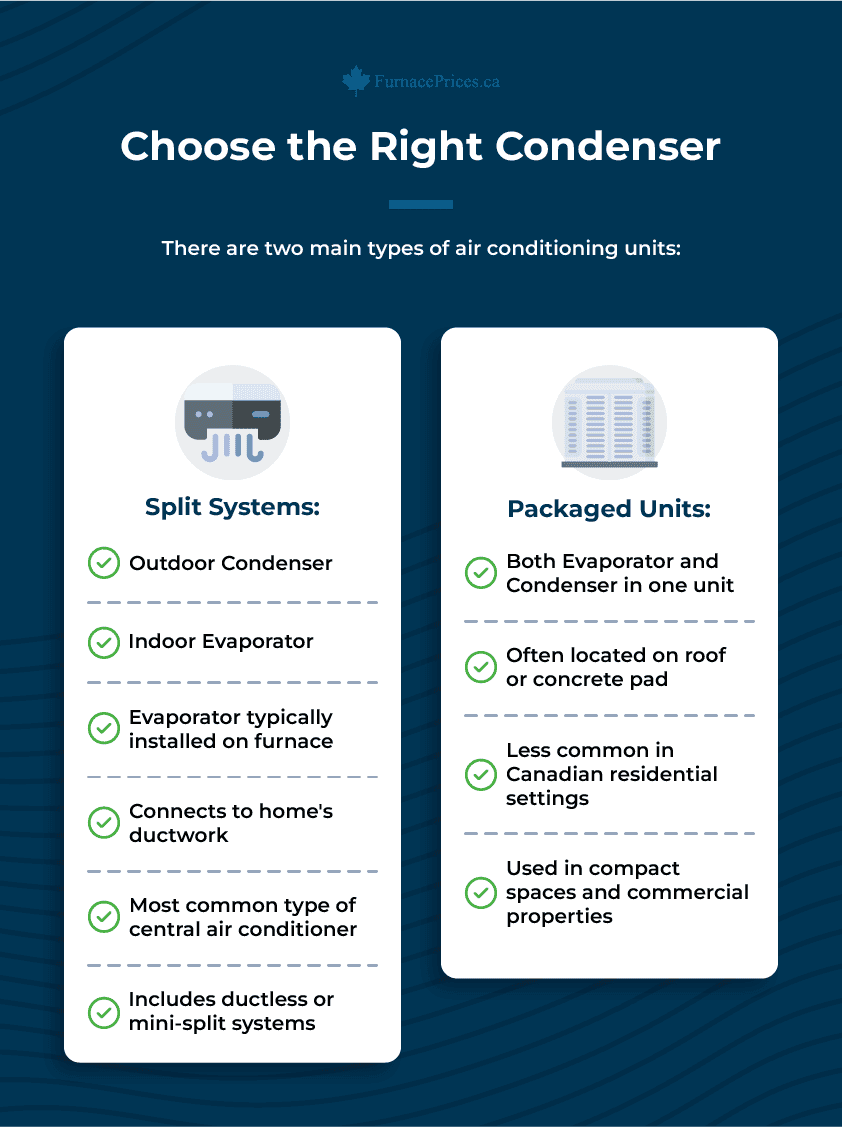
Split Systems
Split systems have two parts: an indoor unit and an outdoor unit. The indoor part cools the room. The outdoor part releases heat.
- Quiet operation
- Energy efficient
- Good for cooling multiple rooms
- Requires professional installation
Portable Acs
Portable ACs can move from room to room. They sit on the floor and need a vent to the outside.
| Pros | Cons |
| Easy to move | Noisy |
| No installation needed | Less efficient |
| Good for renters | Takes up floor space |
Central Air Conditioning
Central AC cools the whole house with ducts and vents. It keeps the temperature even in all rooms.
Central AC benefits include:
- Quiet operation inside rooms
- Better air filtering
- Higher efficiency for large spaces
- Requires ductwork and professional setup
Matching Ac Size To Space
Choosing the right air conditioner size is important for comfort. A unit too small will not cool well. A unit too large wastes energy.
Match the air conditioner size to the room size. This guide helps you pick the best unit for your space.
Small Rooms And Compact Units
Small rooms need smaller air conditioners. These units save space and energy. They cool areas like bedrooms or small offices.
Look for units with low BTU ratings. This number shows how much cooling power the AC has.
- Rooms up to 150 sq ft need 5,000 to 6,000 BTU
- Compact units fit under windows or on walls
- Energy-efficient models reduce electricity bills
Medium Rooms And Standard Units
Medium rooms require standard air conditioners. These units provide enough power to cool living rooms or kitchens.
Choose units with moderate BTU ratings for balanced cooling and efficiency.
- Rooms from 150 to 300 sq ft need 7,000 to 10,000 BTU
- Window and split units are common for this size
- Regular maintenance keeps units working well
Large Spaces And High Capacity Units
Large spaces need high capacity air conditioners. They cool big rooms, halls, or open areas efficiently.
High BTU units deliver strong cooling but use more power. Choose carefully to match room size.
- Rooms over 300 sq ft need 12,000 to 24,000 BTU
- Central AC or multiple units work best
- Professional installation ensures proper cooling
Energy Efficiency And Cost
Choosing the right air conditioner size affects energy use and your bills. A properly sized unit cools your home well without wasting power.
Picking the right size helps save money on electricity and keeps your home comfortable all year.
Seer Ratings Explained
SEER stands for Seasonal Energy Efficiency Ratio. It shows how well an air conditioner uses energy.
The higher the SEER number, the less electricity the AC uses to cool your home.
- Low SEER means lower efficiency and higher energy bills
- High SEER means better efficiency and lower bills
- Most new units have SEER ratings between 13 and 21
Impact Of Oversized And Undersized Ac
An oversized AC cools the air too fast. This causes the system to turn on and off often, wasting energy.
An undersized AC runs all the time but cannot cool properly. This raises energy use and costs.
- Oversized AC: short cycles, high energy use, poor humidity control
- Undersized AC: long run times, higher bills, less comfort
- Right size AC: steady cooling, good energy use, balanced costs
Balancing Performance And Bills
Find an AC size that matches your home’s cooling needs. This keeps you comfortable and saves money.
Check the SEER rating and size to make smart choices. Use energy wisely and lower your bills.
- Calculate your home’s cooling load for correct size
- Choose a unit with a good SEER rating for energy savings
- Regular maintenance keeps your AC efficient and lasting longer
Additional Cooling Factors
Choosing the right air conditioner size depends on more than just room dimensions. Several factors affect how much cooling power you need.
Understanding these factors helps you pick an air conditioner that works efficiently and saves energy.
Insulation And Ventilation
Good insulation keeps cool air inside and heat outside. Poor insulation makes your AC work harder.
Ventilation also affects cooling needs. Rooms with poor airflow get warmer faster.
- Check wall and ceiling insulation quality
- Seal gaps around windows and doors
- Use vents or fans to improve air circulation
- Consider adding weather stripping if needed
Sunlight Exposure
Rooms that get direct sunlight need more cooling power. Sunlight raises the indoor temperature quickly.
| Sunlight Level | Cooling Power Needed |
| High (south or west facing) | Increase by 10-20% |
| Moderate (east facing) | Increase by 5-10% |
| Low (shaded or north facing) | No increase needed |
Occupants And Heat Sources
People and devices add heat to a room. More occupants or heat sources raise cooling needs.
- Each person adds about 400 BTUs per hour
- Electronics and lights also produce heat
- Cooking areas require extra cooling power
- Adjust AC size based on number of occupants and equipment
Installation Tips
Choosing the right air conditioner size is just the start. Proper installation helps it work well and last longer.
This guide covers key points for installing your air conditioner safely and efficiently.
Proper Placement
Place your air conditioner where it can cool the room evenly. Avoid direct sunlight and heat sources nearby.
- Mount the unit away from windows with strong sun.
- Keep it clear of furniture and curtains.
- Ensure good airflow around the unit.
- Avoid placing it near heat-producing appliances.
Professional Vs Diy Installation
Installing an air conditioner can be tricky. You can hire a professional or try to do it yourself.
| Installation Type | Pros | Cons |
| Professional | Safe, reliable, warranty support | Costs more |
| DIY | Lower cost, learn skills | Risk of mistakes, no warranty |
Maintenance For Optimal Performance
Keep your air conditioner clean and well-maintained. This helps it cool better and saves energy.
- Clean or replace filters every month.
- Remove dust from coils and vents regularly.
- Check for refrigerant leaks and fix promptly.
- Schedule yearly professional servicing.
Credit: www.furnaceprices.ca
Frequently Asked Questions
How Do I Calculate The Right Ac Size For My Room?
To calculate AC size, measure your room’s square footage. Multiply length by width. Then, multiply the area by 25-30 BTUs per square foot to find the needed cooling capacity.
What Happens If My Ac Is Too Big Or Small?
An oversized AC cools quickly but wastes energy and cycles on and off often. A small AC struggles to cool, increasing wear and energy bills.
How Does Room Insulation Affect Ac Size Requirements?
Better insulation means less cooling is needed. Poor insulation requires a larger AC to maintain a comfortable temperature efficiently.
Can Ceiling Height Impact The Ac Capacity I Need?
Yes, higher ceilings increase room volume, requiring more cooling capacity. Consider ceiling height when calculating the AC size.
Conclusion
Choosing the right air conditioner size is crucial for comfort. A well-sized unit cools efficiently, saving energy and money. Measure your space accurately. Consider factors like room size and insulation. Bigger is not always better. An oversized unit can be inefficient.
Consult a professional if unsure. They can help find the perfect fit for your needs. A properly sized air conditioner ensures a comfortable home. Enjoy cool, refreshing air all summer long. Keep your space pleasant and energy bills low. Make an informed decision today for a comfortable tomorrow.