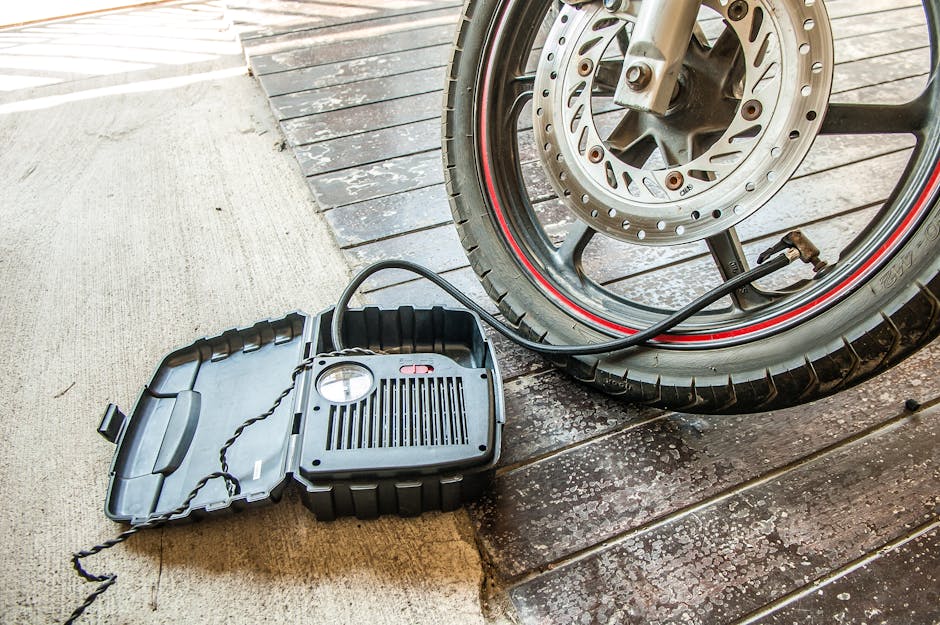
Have you ever wondered if your car tires have the right amount of air? The pressure in your tires affects your safety, fuel efficiency, and how smoothly your car drives.
But how much air pressure should you actually have? Getting this wrong can lead to problems like poor handling or even tire damage. You’ll discover the simple steps to check and maintain the perfect tire pressure for your car. Keep reading to learn how a small adjustment can make a big difference in your driving experience.

Credit: www.carhub.ca
Why Tire Pressure Matters
Car tires need the right air pressure to work well. The right pressure keeps you safe and helps your car run better.
Checking tire pressure is easy and can save money. It also makes your tires last longer.
Impact On Safety
Proper tire pressure helps your car stop and turn safely. Too low or too high pressure can cause accidents.
Under-inflated tires may overheat and blow out. Over-inflated tires can reduce grip on the road.
- Correct pressure improves braking
- Better handling in all weather
- Reduces risk of tire blowouts
Effect On Fuel Efficiency
Properly inflated tires reduce rolling resistance. This means your car uses less fuel to move.
Low pressure tires make the engine work harder. This leads to more fuel consumption and higher costs.
- Right pressure saves fuel
- Improves your car’s mileage
- Reduces carbon emissions
Tire Longevity
Correct air pressure helps tires wear evenly. This means tires last longer before you replace them.
Under-inflated tires wear on the edges. Over-inflated tires wear in the center.
- Even tire wear increases lifespan
- Saves money on new tires
- Maintains consistent performance
Recommended Psi Ranges
Maintaining the right air pressure in car tires is important for safety and tire life. Proper PSI helps with fuel efficiency and handling.
Different types of vehicles need different tire pressures. This guide shows common recommended PSI ranges for various cars.
Standard Passenger Cars
Most passenger cars need tire pressure between 30 and 35 PSI. This keeps the ride comfortable and safe.
Check the sticker inside the driver door for exact PSI. Overinflating or underinflating can cause tire wear.
- Recommended PSI: 30 to 35
- Check tire pressure monthly
- Adjust for heavy loads as needed
Suvs And Light Trucks
SUVs and light trucks usually require higher PSI than cars. Typical range is 35 to 40 PSI for better load support.
Proper pressure improves tire life and fuel economy. Always check the owner’s manual for your vehicle’s specs.
- Recommended PSI: 35 to 40
- Adjust for heavy cargo or towing
- Check pressure before long trips
Performance Vehicles
Performance cars need precise tire pressure for handling and speed. Recommended PSI is often between 32 and 38.
Keep tires inflated to the exact pressure for best grip and safety. Check pressure before driving fast or on tracks.
- Recommended PSI: 32 to 38
- Adjust pressure for track or street use
- Monitor regularly for consistent performance
How To Find Your Car’s Optimal Psi
Car tire pressure is important for safety and performance. Using the right PSI keeps your tires healthy.
Finding the correct PSI is easy if you know where to look. This guide shows you three ways to check.
Checking The Owner’s Manual
The owner’s manual has detailed information about your car. It lists the recommended tire pressure for all tires.
Look in the manual’s section about tires or maintenance. The PSI numbers are usually easy to find there.
Inspecting The Door Jamb Sticker
Open the driver’s side door and check the door jamb. You will find a sticker with tire pressure details.
This sticker shows the correct PSI for front and rear tires. It also shows the spare tire pressure if available.
- Find the sticker on the door frame or near the latch
- Check for numbers labeled “Cold Tire Pressure” or “PSI”
- Note different pressures for front and rear tires
Using Online Resources
Many websites let you enter your car’s make, model, and year. They show the recommended tire pressure.
Official car manufacturer sites are best for accurate information. Tire company sites also offer PSI guides.
- Visit the car brand’s website
- Use tire pressure tools by entering car details
- Double-check info with your owner’s manual or door sticker

Credit: carfromjapan.com
Tools To Measure Tire Pressure
Keeping your car tires at the right pressure is important for safety and fuel efficiency. To check tire pressure, you need the right tools. These tools help you know if your tires have enough air.
There are different types of tire gauges you can use. Some are simple, and some use digital screens. Knowing how to use these tools will help you keep your tires in good shape.
Types Of Tire Gauges
There are three common types of tire pressure gauges. Each type measures air pressure in a different way. You can choose one based on what is easy for you to use.
- Stick Gauge:It has a small rod that slides out to show pressure.
- Dial Gauge:It has a round dial with a needle to show pressure.
- Digital Gauge:It shows pressure on a screen in numbers.
Using A Digital Gauge
Digital gauges are easy to read. They give a quick and clear number for tire pressure. You just press the gauge on the tire valve and wait for the reading.
Some digital gauges have extra features like backlights or auto shut-off. These help you check pressure in the dark and save battery life. Always keep the gauge clean and store it safely.
Common Mistakes To Avoid
Checking tire pressure may seem easy, but some mistakes can give wrong results. Avoid these errors to get accurate readings.
- Measuring tire pressure when tires are hot from driving.
- Not pressing the gauge firmly on the valve.
- Using a damaged or dirty gauge.
- Ignoring the recommended tire pressure in the car manual.
- Not checking pressure regularly.
When To Check And Adjust Tire Pressure
Maintaining the right air pressure in car tires is important for safety and fuel efficiency.
Checking tire pressure regularly helps avoid tire damage and improves driving comfort.
Seasonal Changes
Cold weather causes air to contract, lowering tire pressure. Warm weather makes air expand, increasing pressure.
- Check tire pressure at the start of each season.
- Adjust pressure according to manufacturer’s recommended levels.
- Use a reliable tire pressure gauge for accurate readings.
Before Long Trips
Long trips put extra stress on tires. Proper tire pressure improves handling and fuel economy.
| Action | Reason |
| Check pressure before trip | Prevent flats and blowouts |
| Adjust pressure if needed | Ensure safe driving |
| Inspect tires for damage | Avoid unexpected tire failure |
After Temperature Fluctuations
Sudden temperature changes affect tire pressure quickly. Check tires after cold nights or hot days.
Tips for checking after temperature changes:
- Check pressure when tires are cold.
- Use a pressure gauge before driving.
- Inflate tires to recommended pressure if low.
Consequences Of Incorrect Tire Pressure
Maintaining the right air pressure in car tires is very important. Wrong pressure can cause many problems for your car and safety.
Both low and high tire pressure can harm your tires and affect how your car drives. Knowing these risks helps you avoid trouble.
Underinflation Risks
Underinflated tires have less air than needed. This makes the tire edges touch the road more, causing extra wear.
Low pressure makes tires heat up, which can lead to tire damage or a blowout. It also lowers fuel efficiency.
- Increased tire wear on edges
- Higher risk of tire overheating
- More fuel consumption
- Possible tire blowouts
Overinflation Problems
Overinflated tires have too much air. This makes the center of the tire touch the road more, which wears it out faster.
Too much pressure reduces the tire’s grip on the road. It also makes the ride less comfortable and can cause tire damage.
- Faster wear in the tire center
- Less road grip and traction
- Harsher, bumpy ride
- Increased chance of tire damage
Handling And Braking Issues
Wrong tire pressure affects how your car handles corners and stops. It can make driving unsafe and less predictable.
Both underinflated and overinflated tires reduce braking efficiency. This means your car takes longer to stop, increasing accident risk.
- Poor cornering stability
- Longer braking distances
- Reduced vehicle control
- Higher risk of accidents
Tips For Maintaining Proper Tire Pressure
Keeping the right air pressure in your car tires is important for safety and fuel efficiency. Tires with correct pressure last longer and perform better on the road.
Check your tire pressure regularly and follow simple steps to keep it at the recommended level. This guide covers key tips for proper tire care.
Regular Inspections
Check your tire pressure at least once a month. Use a reliable pressure gauge for accurate readings. Inspect tires when they are cold for the best result.
- Look for signs of wear or damage on the tires
- Check for uneven tread wear
- Inspect tire sidewalls for cracks or bulges
- Compare pressure readings with the car manufacturer’s recommended levels
Use Of Tire Pressure Monitoring Systems
Tire Pressure Monitoring Systems (TPMS) alert you when tire pressure is too low. They help prevent accidents caused by underinflated tires.
There are two main types of TPMS:
| Type | Description |
| Direct TPMS | Measures pressure inside each tire with sensors |
| Indirect TPMS | Uses wheel speed sensors to detect pressure loss |
Professional Maintenance
Have your tires checked by a professional mechanic regularly. They can spot issues you might miss and keep your tires in good shape.
- Get tire balancing and alignment done
- Replace tires that are worn or damaged
- Rotate tires every 5,000 to 7,000 miles
- Use the right type of tires for your vehicle and driving conditions

Credit: www.carsales.com.au
Frequently Asked Questions
What Is The Recommended Air Pressure For Car Tires?
The recommended tire pressure varies by vehicle. Check your car’s manual or the sticker inside the driver’s door. Most cars need 30-35 PSI for optimal performance and safety.
How Often Should I Check My Car’s Tire Pressure?
Check tire pressure at least once a month and before long trips. Regular checks ensure proper inflation, improve fuel efficiency, and extend tire life.
What Happens If Car Tires Are Overinflated?
Overinflated tires cause a harsher ride and uneven tire wear. They reduce traction and increase the risk of tire damage on rough roads.
Can Underinflated Tires Affect Fuel Economy?
Yes, underinflated tires increase rolling resistance. This causes your car to use more fuel, reducing fuel efficiency and increasing overall costs.
Conclusion
Proper tire air pressure keeps your car safe and efficient. Check tire pressure regularly for best results. Use the recommended PSI found in your car manual or door sticker. Too much or too little air can cause problems. It affects fuel use, tire wear, and driving comfort.
Keep a tire gauge handy and fill tires as needed. Small steps can improve your driving experience and save money. Stay safe on the road by maintaining correct tire pressure. Simple, regular checks make a big difference.