Are you wondering, “How much BTU air conditioner do I need?” Choosing the right size air conditioner can make all the difference in keeping your space cool and comfortable. Too small, and your room won’t cool properly.
Too big, and you’ll waste energy and money. This guide will help you find the perfect BTU match for your home or office. By the end, you’ll know exactly what to look for, so you can beat the heat without breaking the bank.
Keep reading to discover the simple steps to pick the ideal air conditioner size just for you.
What Is Btu And Why It Matters
BTU stands for British Thermal Unit. It measures the amount of heat energy an air conditioner can remove from a room.
Choosing the right BTU size helps keep your room cool and saves energy. Too small or too large BTU can cause problems.
Understanding Btu
One BTU is the heat needed to raise one pound of water by one degree Fahrenheit. Air conditioners use BTU to show their cooling power.
The higher the BTU number, the more cooling power the air conditioner has. Large rooms need higher BTU units to stay cool.
Why Btu Size Matters For Your Room
Choosing the right BTU size stops your air conditioner from working too hard or too little. This saves energy and money.
If the BTU is too low, the room will stay warm. If it is too high, the unit uses more energy and may cause humidity problems.
Factors That Affect Btu Needs
Room size is the main factor for BTU needs. Bigger rooms need air conditioners with higher BTU ratings.
- Room square footage
- Sunlight exposure
- Number of people in the room
- Heat from appliances
These factors increase or decrease the BTU needed to cool the room properly.
Credit: northnjhvac.com
Factors Influencing Btu Requirements
Choosing the right BTU for your air conditioner is important. It helps keep your room cool and comfortable. Many factors affect how much cooling power you need.
This guide explains the main points that change the BTU size you should pick for your air conditioner.
Room Size And Shape
The size of your room is the most important factor. Bigger rooms need more BTUs to cool. The shape also matters. Odd shapes or rooms with high ceilings may need extra cooling.
Insulation Quality
Good insulation keeps cool air inside and hot air out. Rooms with poor insulation lose cool air fast. This means you need a stronger air conditioner with more BTUs.
Sunlight Exposure
Rooms that get a lot of sunlight heat up quickly. South and west-facing windows add extra warmth. This raises the BTU needed to cool the space well.
- East-facing rooms get morning sun and usually stay cooler.
- Rooms with large windows need more cooling power.
- Shade from trees or buildings can reduce cooling needs.
Number Of Occupants
Each person in a room adds heat. More people raise the temperature. This means the air conditioner must work harder and have more BTUs.
Appliance Heat Output
| Appliance | Heat Output (BTU/hour) |
| Computer | 400 |
| TV | 600 |
| Oven (in use) | 5000 |
| Light Bulb (100W) | 340 |
Appliances produce heat that raises room temperature. Adding their heat output to your calculations helps pick the right BTU size.
Calculating Btu For Your Space
Choosing the right air conditioner size depends on the BTU needed for your room. BTU means British Thermal Unit. It measures how much heat the air conditioner can remove.
Calculating BTU helps you save energy and stay comfortable. Too small or too large units waste power and cost more money.
Measuring Room Dimensions
First, measure the length, width, and height of the room in feet. Use a tape measure for accuracy. Multiply these numbers to get the room’s volume.
- Length: Measure from one wall to the opposite wall
- Width: Measure from one side wall to the other
- Height: Measure from floor to ceiling
Using Btu Calculation Formulas
Calculate BTU by multiplying the room’s square footage by a standard number. This number is usually 20 BTU per square foot. It gives a basic cooling estimate.
| Room Size (sq ft) | BTU Needed |
| 100 | 2,000 |
| 200 | 4,000 |
| 300 | 6,000 |
| 400 | 8,000 |
| 500 | 10,000 |
Adjusting For Special Conditions
Some room factors change BTU needs. Adjust BTU for these conditions to get better cooling.
- If the room is very sunny, add 10% more BTU
- If more than two people stay in the room, add 600 BTU per extra person
- If the room has many appliances, add extra BTU to cover heat from them
- If the ceiling is higher than 8 feet, increase BTU by 10%
Credit: www.carrier.com
Btu Recommendations For Common Room Sizes
Choosing the right BTU for your air conditioner is important. It helps cool your room efficiently.
BTU stands for British Thermal Unit. It measures the cooling power of an air conditioner.
Small Bedrooms
Small bedrooms usually need less cooling power. A unit with 5,000 to 8,000 BTU works well.
This size cools rooms up to 150 square feet. It saves energy and keeps the room comfortable.
Living Rooms
Living rooms are bigger and need more cooling power. Choose an air conditioner with 8,000 to 12,000 BTU.
This size fits rooms from 250 to 400 square feet. It helps cool the space evenly.
Large Open Areas
Large open areas need strong cooling. Look for units with 12,000 to 18,000 BTU or more.
This power is good for spaces over 400 square feet. It keeps the whole area cool and fresh.
Kitchens And Bathrooms
Kitchens and bathrooms get hotter due to appliances and water use. Choose an air conditioner with extra BTUs.
Add about 4,000 BTU to the standard room size recommendation for these spaces.
| Room Type | Room Size (sq ft) | Recommended BTU |
|---|---|---|
| Small Bedrooms | Up to 150 | 5,000 – 8,000 |
| Living Rooms | 250 – 400 | 8,000 – 12,000 |
| Large Open Areas | 400+ | 12,000 – 18,000+ |
| Kitchens and Bathrooms | Varies | Standard BTU + 4,000 |
Consequences Of Incorrect Btu Selection
Choosing the right BTU for your air conditioner is important. BTU measures how much cooling power the unit has. Picking the wrong size can cause problems in your home or office.
Using a unit with too low or too high BTU will affect comfort and energy use. It can also shorten the air conditioner’s lifespan.
Too Low Btu: Inefficient Cooling
An air conditioner with too low BTU cannot cool the space properly. It will run all the time but still feel warm inside.
This causes poor comfort and higher electricity bills. The unit works harder, which can lead to early breakdowns.
- Room stays warm and uncomfortable
- Longer run times increase energy use
- More wear and tear on the unit
Too High Btu: Energy Waste And Discomfort
Using an air conditioner with too high BTU cools the room too fast. The unit turns on and off often, causing uneven temperatures.
This short cycling wastes energy and raises bills. It also makes the air feel damp or cold, which is uncomfortable.
- Uneven cooling and humidity problems
- Higher electricity costs due to short cycling
- More stress on the air conditioner parts

Credit: northnjhvac.com
Energy Efficiency And Btu Ratings
Choosing the right air conditioner depends on the BTU rating and energy efficiency. BTU measures cooling power, but efficiency affects electricity use. A unit with a high BTU and low efficiency can waste energy.
Understanding energy ratings helps you pick a unit that cools well and saves money on power bills. This guide covers SEER and EER ratings and why Energy Star models matter.
Seer And Eer Ratings
SEER stands for Seasonal Energy Efficiency Ratio. It shows how much cooling a unit provides per watt of electricity over a season. A higher SEER number means better efficiency. EER means Energy Efficiency Ratio. It measures efficiency at a single point in time, usually during peak heat.
| Rating | Meaning | Typical Range |
|---|---|---|
| SEER | Seasonal energy efficiency over cooling season | 13 to 21+ |
| EER | Energy efficiency at peak cooling load | 8 to 12+ |
Higher SEER and EER ratings reduce electricity bills. Look for units with ratings above the minimum set by your local regulations.
Choosing Energy Star Models
Energy Star models meet strict energy efficiency guidelines. They use less energy and perform better than standard units. Choosing an Energy Star air conditioner lowers your home’s energy use and carbon footprint.
- Use advanced technology to save power
- Have higher SEER and EER ratings
- Help reduce greenhouse gas emissions
- Often qualify for rebates and tax credits
Types Of Air Conditioners And Their Btu Options
Choosing the right air conditioner depends on the size of your space and cooling needs. BTU measures the cooling power of an air conditioner.
Different types of air conditioners come with various BTU ratings. Knowing these helps you pick the best unit.
Window Units
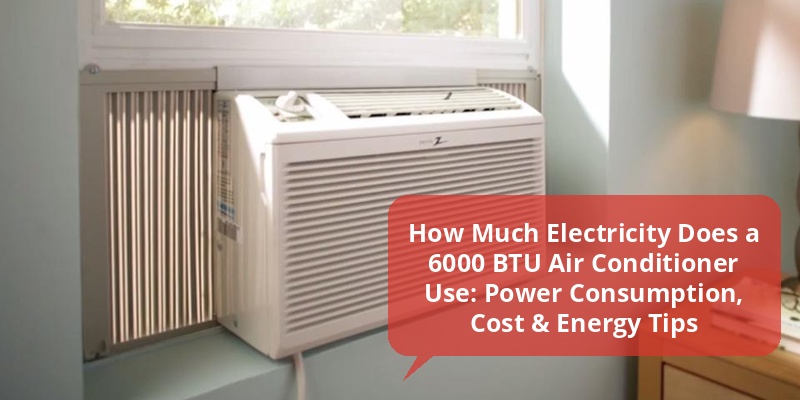
Window air conditioners fit into a window or a hole in the wall. They are easy to install and remove. These units come in many BTU sizes.
- Small rooms: 5,000 to 6,000 BTU
- Medium rooms: 7,000 to 8,500 BTU
- Large rooms: 9,000 to 12,000 BTU
Portable Air Conditioners
Portable air conditioners can be moved from room to room. They are good for renters or rooms without windows. BTU options vary by model and size.
- Small space: 8,000 BTU
- Medium space: 10,000 BTU
- Large space: 14,000 BTU
Split Systems
Split systems have two parts: an indoor unit and an outdoor unit. They are quiet and efficient. You can find many BTU options for different room sizes.
| Room Size (sq. ft.) | BTU Needed |
| 150 to 250 | 6,000 to 8,000 |
| 250 to 350 | 8,000 to 12,000 |
| 350 to 450 | 12,000 to 18,000 |
Central Air Conditioning
Central air conditioning cools whole homes through ducts. It is best for large spaces. BTU ratings are higher and depend on home size.
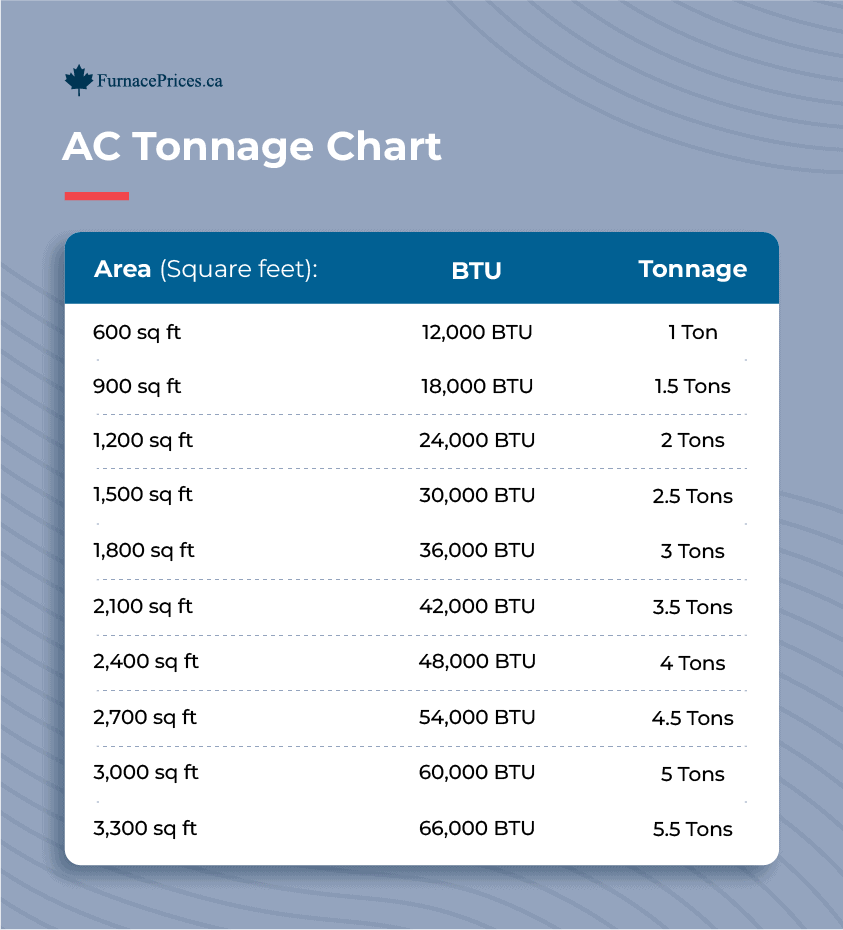
- 1,000 to 1,200 sq. ft.: 24,000 BTU (2 tons)
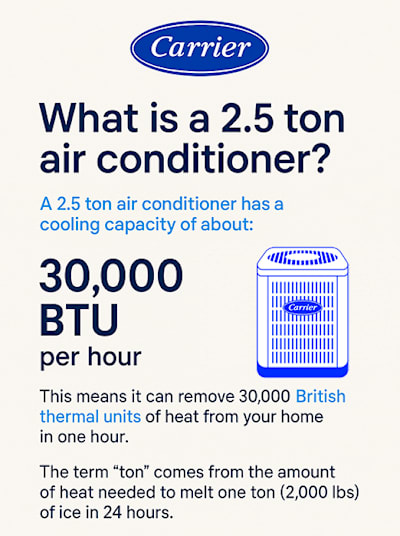
- 1,200 to 1,500 sq. ft.: 30,000 BTU (2.5 tons)
- 1,500 to 2,000 sq. ft.: 36,000 BTU (3 tons)
Tips For Buying The Right Btu Air Conditioner
Choosing the right BTU air conditioner is important for comfort and energy savings. Too small a unit will not cool well. Too large a unit will waste energy and money.
These tips will help you pick the right BTU air conditioner for your space and needs.
Consulting Professionals
Experts can help you find the right size unit based on your room and climate. They consider factors you might miss. These include insulation, window size, and room shape.
Getting advice from a professional reduces the risk of buying the wrong unit. They can also recommend brands and models that work well.
Reading Product Reviews
Customer reviews show real experiences with air conditioners. Look for feedback about cooling power and energy use. Reviews can reveal problems or benefits you won’t find in product descriptions.
Focus on reviews from buyers with similar room sizes or climates. This helps you find a unit that fits your needs.
Considering Future Room Changes
Think about how your room might change before buying. If you plan to add more furniture or electronics, you may need a stronger air conditioner. Changes in room size or layout can affect cooling needs too.
Choosing a unit with a little extra BTU capacity can prepare you for future changes. This saves you from buying a new unit soon after.
Frequently Asked Questions
How Do I Calculate The Btu Needed For My Room?
Calculate BTU by multiplying room length, width, and height. Adjust for factors like sunlight, insulation, and occupants for accuracy.
What Btu Size Suits A 500 Sq Ft Room?
A 500 sq ft room typically needs a 12,000 to 14,000 BTU air conditioner for effective cooling.
Does Ceiling Height Affect Btu Requirements?
Yes, higher ceilings increase room volume, requiring a higher BTU air conditioner for proper cooling.
How Do Windows Impact Btu Needs?
Large or sun-exposed windows increase heat gain, raising the BTU needed to cool a room efficiently.
Conclusion
Choosing the right Btu air conditioner is crucial for comfort. Consider room size and climate to determine needs. Measure your space carefully. Match the Btu rating to room size for efficiency. This saves energy and reduces costs. An accurate Btu selection ensures optimal cooling.
Make informed decisions for a pleasant environment. Your comfort depends on a well-chosen air conditioner. Keep these tips in mind for a cool, efficient home. Proper sizing matters for effective cooling. A well-suited air conditioner enhances your living space. Enjoy a comfortable and energy-efficient home.