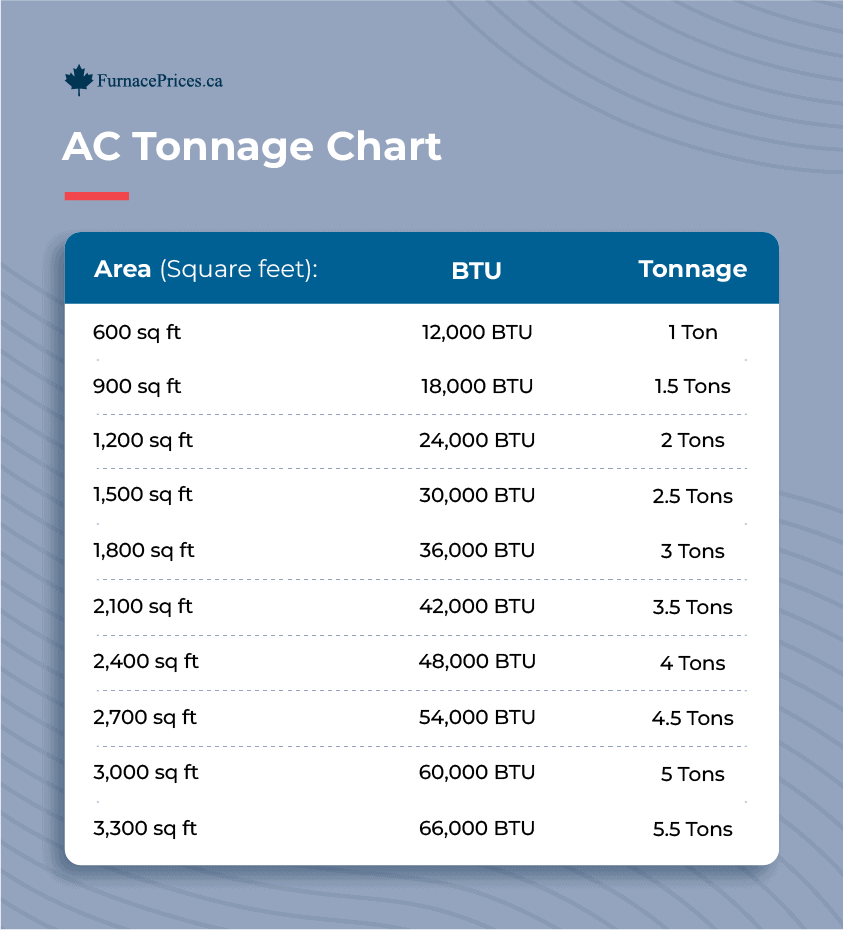
Are you wondering how much BTU air conditioner you really need to keep your space cool and comfortable? Choosing the right size isn’t just about beating the heat—it can save you money and energy too.
Pick an AC that’s too small, and your room stays warm; go too big, and you waste power without feeling any better. You’ll discover simple ways to find the perfect BTU for your room. Keep reading, and you’ll never second-guess your air conditioner purchase again.
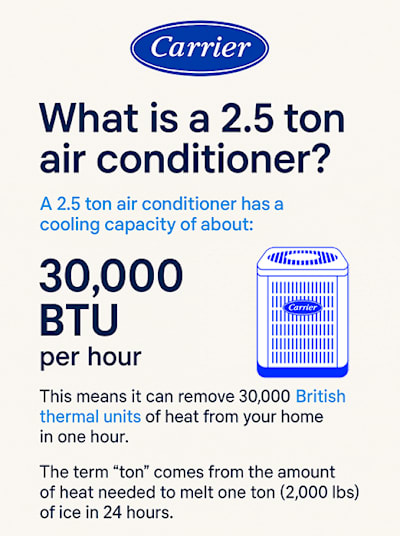
Credit: www.carrier.com
What Btu Means
BTUstands for British Thermal Unit. It measures how much heat an air conditioner can remove from a room per hour. The higher the BTU, the more cooling power the unit has.
Choosing the right BTU size is important. If the BTU is too low, the air conditioner won’t cool the room well. If it is too high, it will cool too fast and waste energy.
- One BTU cools about one pound of water by one degree Fahrenheit.
- BTU helps decide the right size air conditioner for your space.
- It shows how strong and efficient the unit is.
Factors Affecting Btu Needs
Room sizedirectly affects the BTU needed for cooling. Larger rooms need more BTUs to cool properly. Ceiling heightalso matters because higher ceilings mean more air space to cool.
Sunlight exposurecan increase the room temperature. Rooms with many windows or direct sunlight need higher BTU capacity.
- Number of occupants:More people produce more heat.
- Appliance heat output:Devices like computers and ovens add heat too.
| Factor | Effect on BTU Needs |
|---|---|
| Room Size | Bigger rooms need more BTUs |
| Ceiling Height | Higher ceilings require more cooling power |
| Sunlight Exposure | More sunlight raises cooling needs |
| Number of Occupants | More people generate extra heat |
| Appliance Heat Output | Devices add heat, increasing BTU needs |
Calculating Btu For Your Space
Measure the length and width of your room in feet. Multiply them to get the room’s square footage. This number helps find the right BTU sizefor your air conditioner.
Use online BTU calculatorsby entering the room size. They often ask for extra details like window count and sunlight exposure. These factors affect cooling needs.
| Room Condition | Adjustment to BTU |
|---|---|
| Lots of windows or sun | Add 10-20% more BTU |
| Room is shaded | Reduce BTU by 10-15% |
| More than 2 people regularly | Add 600 BTU per extra person |
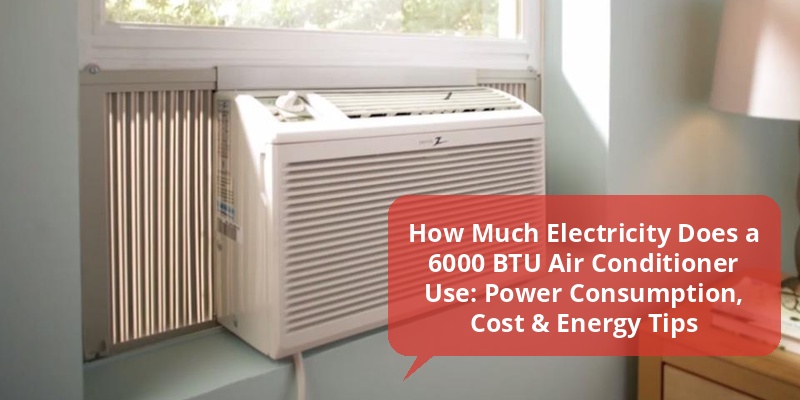
Credit: northnjhvac.com
Btu Recommendations By Room Type
Choosing the right BTUrating depends on the room size and use.
| Room Type | Recommended BTU Range | Notes |
|---|---|---|
| Bedrooms | 5,000 – 8,000 BTU | Smaller rooms need less cooling power. |
| Living Rooms | 8,000 – 12,000 BTU | Larger spaces or more people need more BTUs. |
| Kitchens | 6,000 – 10,000 BTU | Heat from cooking requires stronger cooling. |
| Offices | 5,000 – 10,000 BTU | Depends on room size and number of devices. |
Energy Efficiency And Btu
SEER ratingsshow how well an air conditioner uses energy. Higher SEER means better energy savings. Units with good SEER ratings cost less to run over time. Choose a unit with at least a 14 SEER rating for decent efficiency.
Energy Star certificationmeans the unit meets strict energy rules. These units save money and reduce power use. Look for the Energy Star label to find reliable, efficient air conditioners.
Using an oversized unitcan cause problems. It cools the room too fast, then stops. This cycle wastes energy and makes the room feel damp. A properly sized unit runs longer and keeps air fresh.

Credit: northnjhvac.com
Types Of Air Conditioners
Window unitsare small air conditioners that fit in a window. They are easy to install and good for cooling one room. These units are usually affordableand compact. They work well for small spaces but can be noisy.
Split systemshave two parts: an indoor unit and an outdoor unit. The indoor unit blows cool air inside, while the outdoor unit removes heat. They are quiet and energy-efficient. These systems can cool multiple rooms.
Portable ACscan be moved from room to room. They do not need permanent installation. These units use a hose to push hot air outside. They are good for renters or small spaces.
Central aircools the whole house through ducts. It needs professional installation. Central air is good for large homes and keeps air even in all rooms. It is usually more expensive but very effective.
Tips For Choosing The Right Btu
Avoiding oversizingis key to saving energy and money. Too large an air conditioner cools too fast. This leads to higher humidityand discomfort. It also wastes electricity and wears out the unit.
Considering climatehelps choose the right BTU size. Hotter regions need air conditioners with higher BTU. Cooler areas can use smaller units. Think about how hot summers get in your area.
Professional consultationgives the best advice. Experts measure your room size, insulation, and sunlight. They help pick a unit that works well. This saves energyand keeps you comfortable all year.
Frequently Asked Questions
What Is Btu In Air Conditioners?
BTU stands for British Thermal Unit. It measures energy. In air conditioners, BTU indicates cooling capacity. The higher the BTU, the more cooling power. Choosing the right BTU ensures efficient cooling. It’s crucial to match BTU to room size for optimal performance.
How Do I Calculate Btu For My Room?
To calculate BTU, measure your room’s square footage. Multiply the length by the width. For every square foot, allocate 20 BTUs. Consider factors like ceiling height, sunlight, and insulation. This ensures the air conditioner efficiently cools your space. Proper BTU calculation enhances comfort and efficiency.
Can Too Much Btu Be A Problem?
Yes, too much BTU can cause issues. An oversized air conditioner cools quickly but unevenly. It may result in humidity problems. Frequent cycling can lead to wear and tear. This reduces efficiency and lifespan. Proper BTU sizing is essential for comfort and energy savings.
Why Is Btu Important For Energy Efficiency?
BTU is crucial for energy efficiency. The right BTU ensures optimal cooling without wasting energy. An undersized unit overworks, increasing energy costs. An oversized unit short-cycles, leading to inefficiency. Proper BTU selection saves energy and reduces utility bills.
Conclusion
Choosing the right BTU for your air conditioner matters a lot. Too small a unit won’t cool your space well. Too large wastes energy and costs more. Think about room size, sunlight, and how many people stay inside. This helps pick the best cooling power.
A good fit keeps you comfortable and saves money. Take time to measure and plan before buying. Your home will stay cool without extra expense. Simple steps lead to better comfort all summer long.