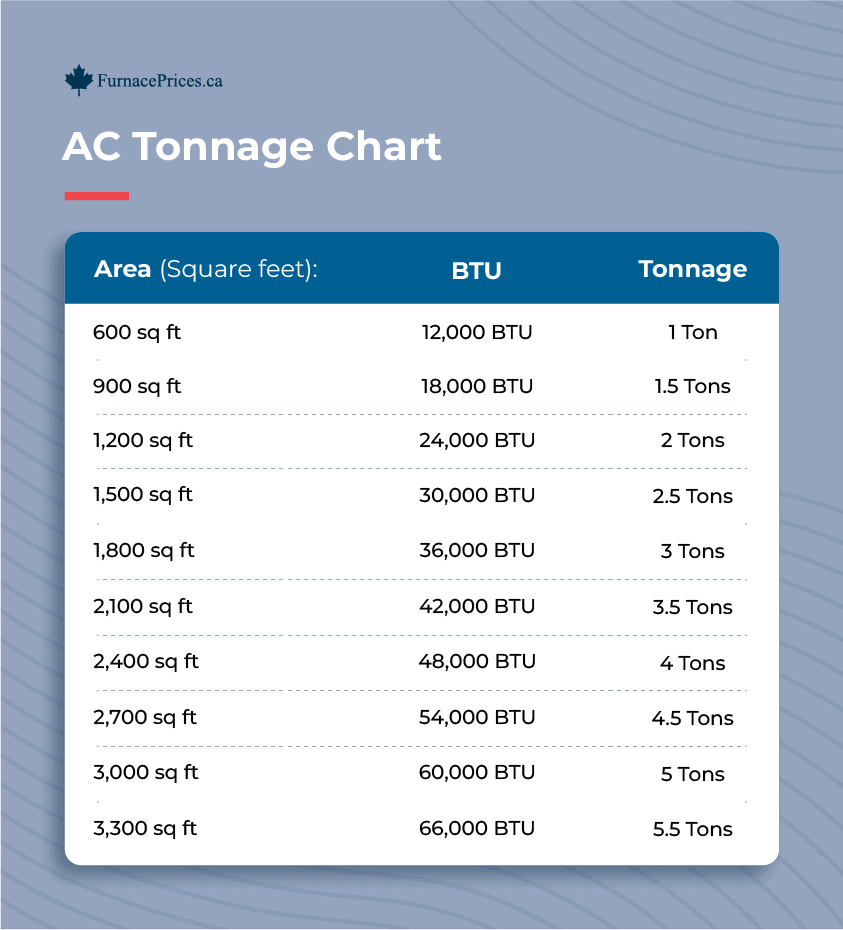
Are you wondering how much BTU you need for your air conditioner? Picking the right size can make all the difference between feeling comfortably cool and wasting energy.
Too small, and your room won’t get cold enough. Too big, and you’ll spend more money than you should. You’ll discover the simple way to find the perfect BTU for your space. By the end, you’ll know exactly what to look for to keep your home cool and your bills low.
Keep reading—your comfort depends on it!
Credit: www.homedepot.com
What Btu Means
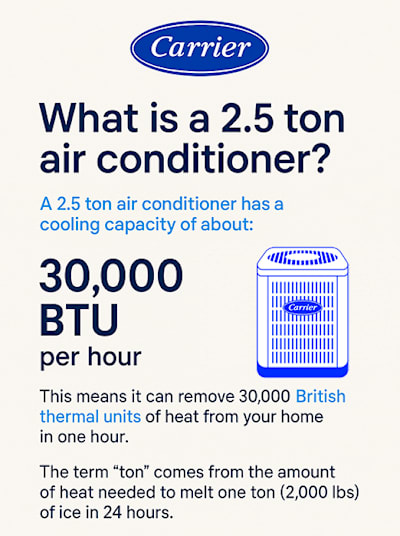
BTUstands for British Thermal Unit. It measures heat energy.
In air conditioning, BTU shows how much heat the unit can remove from a room per hour.
The higher the BTU, the larger the space the air conditioner can cool.
Choosing the right BTU is key for comfort and saving energy.
Factors Affecting Btu Needs
The size of the roomis a key factor in choosing the right BTU. Bigger rooms need air conditioners with higher BTU.
Ceiling heightalso matters. Higher ceilings mean more air space, so more BTU is needed to cool effectively.
Sunlight exposurecan increase the room temperature. Rooms with large windows or lots of sun need more cooling power.
Number of occupantsaffects heat levels. More people generate more body heat, so a higher BTU is needed.
Appliance heat outputcan raise room temperature. Devices like computers and ovens add heat, requiring stronger cooling.
Calculating Btu For Your Space
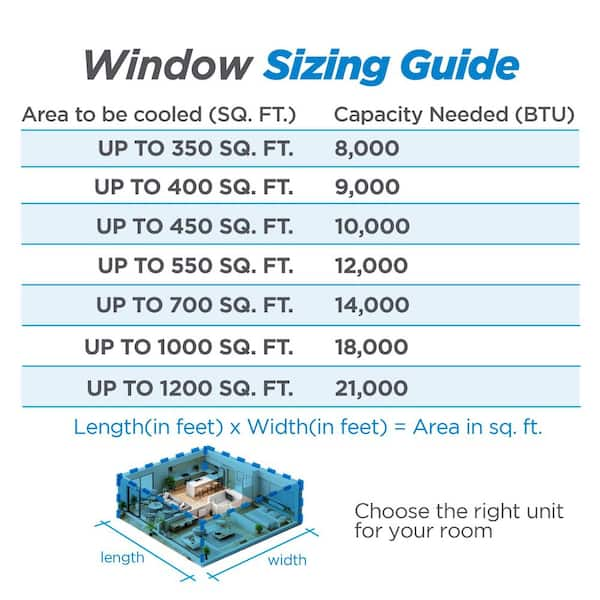
To estimate the BTUneeded, measure the room’s square footage. Multiply the length by the width.
Use this simple chart to find a basic BTU range for your space:
| Room Size (sq ft) | BTU Needed |
|---|---|
| 100 – 150 | 5,000 – 6,000 |
| 150 – 250 | 6,000 – 8,000 |
| 250 – 350 | 8,000 – 10,000 |
| 350 – 450 | 10,000 – 12,000 |
Adjust BTU if the room:
- Gets strong sunlight: increase by 10-20%
- Has many people regularly: add 600 BTU per person
- Is shaded: reduce BTU slightly
- Contains heat-producing appliances: increase BTU
Credit: www.carrier.com
Btu Guidelines By Room Type
Choosing the right BTUfor an air conditioner depends on room size and use. Here are some general guidelines:
| Room Type | Recommended BTU | Notes |
|---|---|---|
| Bedrooms | 5,000 – 8,000 BTU | Smaller spaces, need less cooling power |
| Living Rooms | 8,000 – 12,000 BTU | Larger areas, more people and windows |
| Kitchens | 10,000 – 14,000 BTU | Extra heat from cooking requires more BTU |
| Offices | 6,000 – 10,000 BTU | Depends on room size and electronics used |
These BTU ranges help keep rooms comfortably cool. Choosing the right size avoids wasting energy or poor cooling.
Choosing The Right Ac Unit
Window unitsare easy to install and fit in most windows. They work best for small roomsup to 400 square feet. These units usually range from 5,000 to 12,000 BTUs. Ideal for cooling one room quickly and saving energy.
Split systemshave two parts: an indoor and an outdoor unit. They cool larger spaces or whole homes efficiently. These systems offer quiet operationand better temperature control. BTU sizes vary widely, from 9,000 to 36,000 BTUsor more.
Portable air conditionerscan be moved from room to room. They are good for renters or small spaces. Typically, these units have between 8,000 and 14,000 BTUs. They need a window vent for hot air exhaust.
Common Btu Mistakes To Avoid
Choosing the wrong BTU sizecan cause many problems. Too few BTUs make the room feel hot and uncomfortable. The air conditioner will run nonstop, raising energy bills. Too many BTUs cool the room too fast but create humidity. This makes the air feel sticky and damp.
Ignoring room size is a common mistake. Measure the room’s square footage before buying. Also, consider sunlight, insulation, and ceiling height. These factors affect cooling needs.
- Don’t forget about heat from appliances and people.
- Choose an air conditioner with the right BTU for your space.
- Check if the unit has energy-saving features.
Energy Efficiency And Btu
SEER ratingsmeasure how well an air conditioner uses energy. The higher the SEER, the more energy it saves. This means lower electric bills and less waste. A unit with a SEER rating of 14or more is often recommended for better efficiency.
Lower SEER units use more power and cost more to run. Choosing a higher SEER model helps keep utility bills down. It also reduces the environmental impact of cooling your home.
| SEER Rating | Energy Efficiency | Impact on Utility Bills |
|---|---|---|
| 10-13 | Basic | Higher costs |
| 14-16 | Good | Moderate savings |
| 17+ | Excellent | Lowest costs |

Credit: northnjhvac.com
Frequently Asked Questions
How Do I Calculate Btu For My Room Size?
To calculate BTU, measure your room’s square footage. Multiply length by width. Then, multiply square footage by 25 to get the approximate BTU needed.
What Btu Is Ideal For A 500 Sq Ft Room?
A 500 sq ft room typically requires a 12,500 BTU air conditioner for efficient cooling and comfort.
Can A Higher Btu Air Conditioner Waste Energy?
Yes, using a higher BTU unit than needed can cause energy waste and increased costs due to frequent cycling.
How Does Ceiling Height Affect Btu Requirements?
Higher ceilings increase room volume, needing more BTU to cool effectively. Adjust BTU calculations for rooms above 8 feet tall.
Conclusion
Choosing the right BTU for your air conditioner keeps your room cool and comfortable. Too low BTU means the AC will struggle to cool the space. Too high BTU wastes energy and can make the room feel damp. Measure your room size before buying.
Think about sunlight, insulation, and how many people use the room. A well-sized air conditioner saves money and energy. It also lasts longer and works better. Now, you can pick the right BTU for your needs with confidence.