Have you ever wondered how much caffeine is really in your cup of black tea? If you rely on that warm mug to wake you up or keep you focused, knowing the exact amount of caffeine can help you make smarter choices.
Whether you want to boost your energy without the jitters or avoid caffeine late in the day, understanding what’s inside your tea is key. Keep reading to discover the surprising facts about caffeine in black tea and how it affects your body.
This knowledge will change the way you enjoy your daily brew.
Credit: medium.com
Caffeine Content In Black Tea
Black tea is a popular drink worldwide. Many people enjoy it for its rich flavor and mild caffeine boost.
Caffeine in black tea helps increase alertness. The amount varies by several factors.
Average Milligrams Per Cup
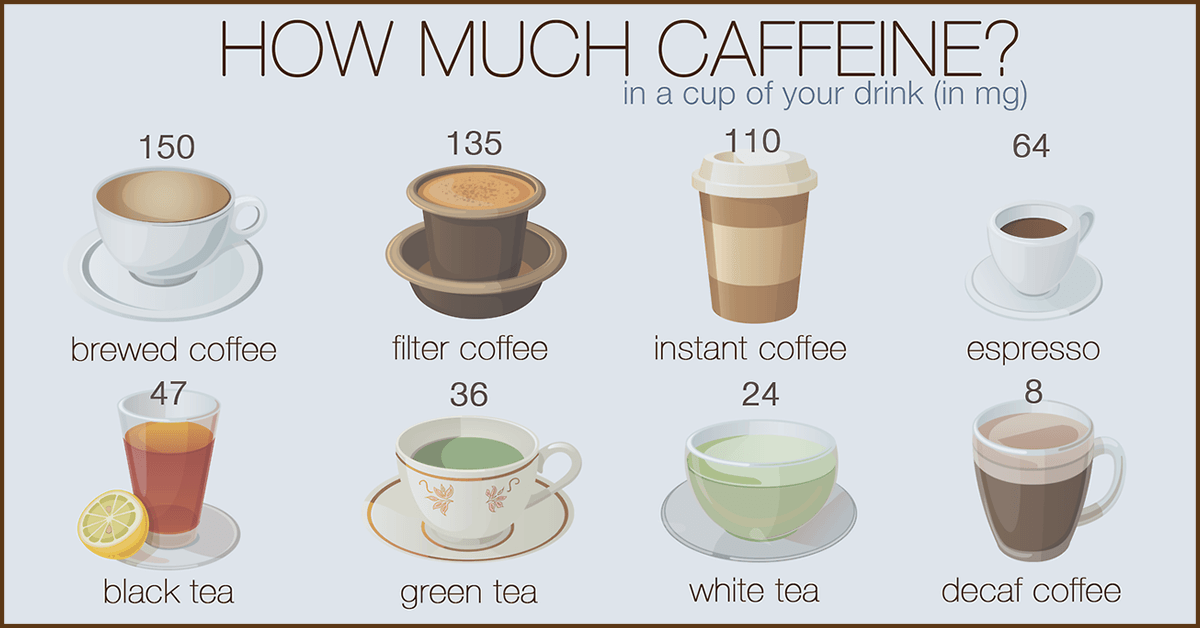
A typical cup of black tea contains about 40 to 70 milligrams of caffeine. This amount is less than coffee but more than green tea.
On average, an 8-ounce (240 ml) cup has roughly 47 milligrams of caffeine. The exact number changes with brewing time and tea type.
- Standard black tea: 40-70 mg caffeine per cup
- Green tea: 20-45 mg caffeine per cup
- Coffee: 95-200 mg caffeine per cup
Factors Affecting Caffeine Levels
Several factors change how much caffeine is in your black tea. These include the tea leaves and how you brew it.
Longer steeping releases more caffeine. Also, stronger tea leaves have higher caffeine content.
- Steeping time: longer time means more caffeine
- Tea leaf type: some have naturally more caffeine
- Leaf size: broken leaves release caffeine faster
- Water temperature: hotter water extracts more caffeine
- Amount of tea used: more leaves increase caffeine
Comparison With Other Beverages
Caffeine is found in many drinks we enjoy daily. Black tea is one popular source.
This section compares caffeine in black tea to coffee, green tea, and energy drinks.
Black Tea Vs Coffee
A cup of black tea usually has less caffeine than a cup of coffee. Coffee can have about twice as much caffeine.
| Beverage | Caffeine Content (mg per 8 oz) |
| Black Tea | 40-70 |
| Coffee | 95-165 |
Black Tea Vs Green Tea
Black tea and green tea come from the same plant but have different caffeine levels. Black tea usually has more caffeine than green tea.
- Black tea: 40-70 mg caffeine
- Green tea: 20-45 mg caffeine
Black Tea Vs Energy Drinks
Energy drinks often contain much more caffeine than black tea. They use caffeine to boost alertness quickly.
| Beverage | Caffeine (mg per 8 oz) |
|---|---|
| Black Tea | 40-70 |
| Energy Drinks | 80-160 |
Brewing Techniques And Caffeine
The amount of caffeine in a cup of black tea changes with how you brew it. Different brewing steps can make tea stronger or weaker.
Understanding how steeping time, water temperature, and tea leaf quality affect caffeine helps you control your tea’s strength.
Impact Of Steeping Time
Steeping time means how long you soak tea leaves in hot water. The longer you steep, the more caffeine comes out.
Short steeping gives less caffeine. Long steeping extracts more caffeine but can make tea taste bitter.
- 1-2 minutes: low caffeine, mild taste
- 3-5 minutes: moderate caffeine, full flavor
- 6+ minutes: high caffeine, stronger taste
Water Temperature Effects
Hotter water pulls out more caffeine from tea leaves. Boiling water extracts the most caffeine quickly.
Using cooler water makes the caffeine release slower and reduces bitterness in the tea.
- 212°F (100°C): maximum caffeine extraction
- 185-205°F (85-96°C): good caffeine release, smoother taste
- Below 175°F (80°C): less caffeine, lighter flavor
Tea Leaf Quality And Quantity
Higher quality tea leaves usually have more caffeine. More leaves in your cup mean more caffeine too.
Using less tea reduces caffeine. Larger or broken leaves release caffeine faster than whole leaves.
- More leaves = more caffeine
- Broken leaves release caffeine faster
- Whole leaves give smoother caffeine release
- Low-quality leaves may have less caffeine

Credit: medium.com
Health Implications Of Black Tea Caffeine
Black tea contains caffeine, a natural stimulant found in many beverages. The amount of caffeine in a cup of black tea varies but usually ranges from 40 to 70 milligrams per cup.
Caffeine affects the body in different ways. It can boost alertness but also cause side effects if consumed too much. Understanding these effects helps you enjoy black tea safely.
Benefits Of Moderate Caffeine Intake
Drinking black tea with moderate caffeine can help improve mental focus and mood. It can also support heart health and reduce the risk of some diseases.
- Improves concentration and alertness
- Boosts energy without jitters
- May lower risk of heart disease
- Contains antioxidants that protect cells
- Supports metabolism and fat burning
Risks Of Excessive Consumption
Too much caffeine from black tea can cause problems. It may lead to sleep issues, increased heart rate, and anxiety. Some people are more sensitive and should limit intake.
| Risk | Possible Effect |
| Insomnia | Difficulty falling or staying asleep |
| Anxiety | Nervousness and restlessness |
| Digestive Issues | Stomach upset or acid reflux |
| Increased Heart Rate | Palpitations or irregular heartbeat |
| Dependence | Need caffeine to avoid withdrawal |
Decaffeinated Black Tea Options
Black tea usually has caffeine, but decaffeinated options exist. These options let you enjoy tea with less caffeine.
Decaf black tea is a good choice for people who want to cut down on caffeine. It tastes similar but has less energy-boosting effects.
How Decaffeination Works
Decaffeination removes most caffeine from tea leaves. The leaves soak in water or steam first to open their pores.
Then, a solvent or carbon dioxide removes caffeine from the leaves. The process keeps most flavors in the tea.
- Water or steam opens tea leaf pores
- Solvents or CO2extract caffeine
- Flavors stay mostly intact
Caffeine Levels In Decaf Varieties
Decaf black tea usually contains 2 to 5 milligrams of caffeine per cup. Regular black tea has about 40 to 70 milligrams.
Some decaf teas may have a little more caffeine depending on how they are made. Always check the label if you want very low caffeine.
| Type of Tea | Caffeine per Cup (mg) |
|---|---|
| Regular Black Tea | 40 – 70 |
| Decaf Black Tea | 2 – 5 |
Tips To Control Caffeine Intake
Black tea contains caffeine, but the amount varies. Knowing how to control caffeine helps you enjoy tea safely.
Use simple tips to lower your caffeine intake while still enjoying your cup of tea.
Choosing The Right Tea
Different black teas have different caffeine levels. Some teas have less caffeine naturally.
Look for teas labeled as low caffeine or decaffeinated if you want less caffeine.
- Darjeeling tea usually has less caffeine than Assam tea
- Decaffeinated black tea has very little caffeine
- Green and white teas often have less caffeine than black tea
Adjusting Brewing Methods
How you brew your tea changes how much caffeine ends up in your cup.
Shorter steeping times and lower water temperatures reduce caffeine release.
- Steep tea for 2-3 minutes instead of 5 minutes
- Use water around 80°C (176°F) instead of boiling water
- Remove tea leaves quickly to stop caffeine extraction
Timing Your Tea Consumption
When you drink tea affects how caffeine impacts your body.
Avoid drinking tea late in the day to prevent sleep problems.
- Drink tea earlier in the morning for a gentle caffeine boost
- Limit afternoon tea if you are sensitive to caffeine
- Try herbal teas without caffeine in the evening

Credit: redrosetea.com
Frequently Asked Questions
How Much Caffeine In A Cup Of Black Tea?
A typical cup of black tea contains 40-70 mg of caffeine. The exact amount can vary based on brewing time and tea type. Black tea usually has less caffeine than coffee, making it a popular choice for a moderate caffeine intake.
Is Black Tea’s Caffeine Content Less Than Coffee?
Yes, black tea generally has less caffeine than coffee. While a cup of black tea contains about 40-70 mg of caffeine, coffee usually contains 95-200 mg. This makes black tea a milder alternative for those sensitive to caffeine.
Does Brewing Time Affect Caffeine In Black Tea?
Yes, brewing time can influence caffeine levels in black tea. Longer brewing times can increase caffeine content. For a stronger caffeine kick, steep the tea longer. However, be mindful of the bitterness that might accompany extended steeping times.
Can Black Tea Caffeine Boost Energy?
Yes, caffeine in black tea can provide a mild energy boost. It stimulates the central nervous system, enhancing alertness and concentration. However, its effect is generally less intense compared to coffee, making it suitable for moderate energy enhancement.
Conclusion
A cup of black tea has a moderate amount of caffeine. It usually contains less caffeine than coffee but more than green tea. The exact amount can change based on brewing time and tea type. Drinking black tea can help you stay alert without jitters.
Knowing the caffeine content helps you enjoy tea safely. Choose the right amount for your body and day. Black tea offers a balanced caffeine boost for many people. Simple and clear, tea remains a popular drink worldwide.