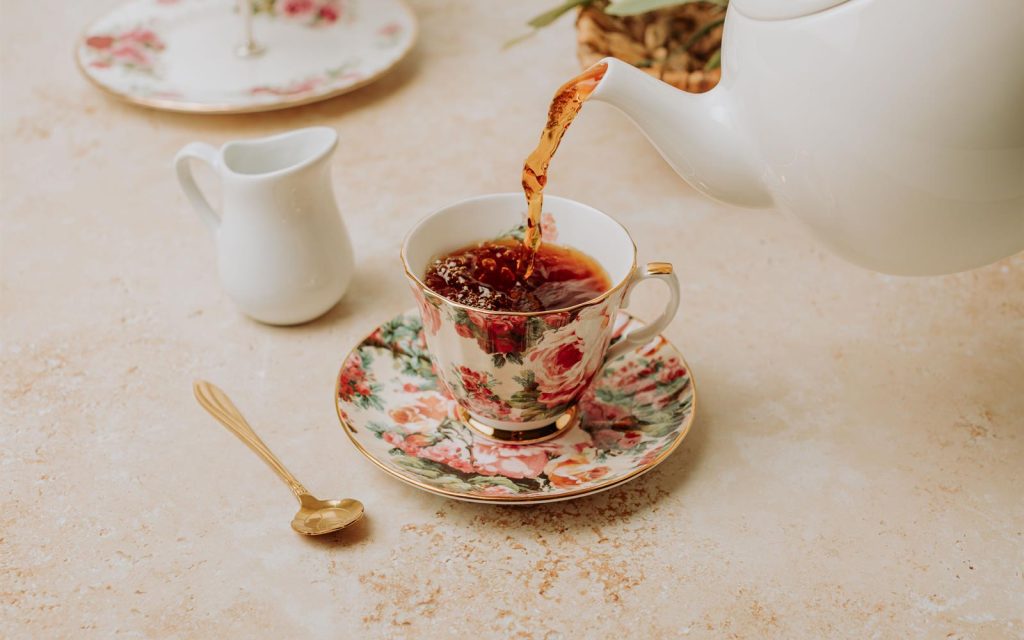
Have you ever wondered how much caffeine is really in your cup of tea? Whether you rely on tea to wake up in the morning or to get through a busy afternoon, knowing the caffeine content can help you make smarter choices.
You might be surprised to learn that not all teas are created equal when it comes to caffeine. If you want to feel more energized without the jitters, or avoid caffeine late in the day without giving up your favorite drink, this article is for you.
Keep reading to discover exactly how much caffeine is in your cup of tea and how it affects your body.

Credit: www.matchayutea.com
Caffeine Content In Different Tea Types
Tea contains caffeine, but the amount varies by type. Understanding caffeine levels can help you choose the right tea.
Different teas come from the same plant but differ in processing. This affects their caffeine content.
Black Tea
Black tea is fully oxidized and usually has the highest caffeine. A cup contains about 40 to 70 mg of caffeine.
Green Tea
Green tea is less processed than black tea. It has moderate caffeine, typically 20 to 45 mg per cup.
White Tea
White tea is the least processed and usually has the lowest caffeine among true teas. It contains about 15 to 30 mg per cup.
Oolong Tea
Oolong tea is partially oxidized. Its caffeine content falls between green and black tea, around 30 to 50 mg per cup.
Herbal Tea
Herbal teas usually contain no caffeine. They are made from herbs, flowers, or fruits instead of tea leaves.
- Chamomile tea: 0 mg caffeine
- Peppermint tea: 0 mg caffeine
- Hibiscus tea: 0 mg caffeine
| Tea Type | Caffeine Range (mg per cup) |
|---|---|
| Black Tea | 40 – 70 |
| Green Tea | 20 – 45 |
| White Tea | 15 – 30 |
| Oolong Tea | 30 – 50 |
| Herbal Tea | 0 |

Credit: redrosetea.com
Factors Affecting Tea’s Caffeine Levels
The amount of caffeine in a cup of tea varies widely. Different factors change how much caffeine ends up in your drink. Understanding these helps you choose tea with the caffeine level you want.
Tea’s caffeine depends on the type of tea leaf, how you brew it, how the leaves are processed, and the size of your serving. Each factor plays a key role in caffeine content.
Tea Leaf Variety
Different tea plants contain different caffeine levels. Black tea leaves usually have more caffeine than green or white tea leaves. The tea variety and where it grows affect caffeine amounts too.
Brewing Time And Temperature
How long and at what temperature you brew tea changes caffeine levels. Hotter water and longer brewing release more caffeine from leaves. Shorter brewing times and cooler water keep caffeine lower.
- Brewing at 212°F (100°C) extracts the most caffeine.
- Steeping for 5 minutes or more increases caffeine.
- Lower temperatures (around 175°F or 80°C) reduce caffeine release.
- Steeping under 3 minutes keeps caffeine lower.
Tea Leaf Processing
Processing methods affect caffeine content. Black tea is fully oxidized, which preserves caffeine. Green and white teas are less processed and often have less caffeine. Matcha uses whole leaves, raising caffeine levels.
| Tea Type | Processing | Typical Caffeine Level |
| Black Tea | Fully oxidized | 40-70 mg per cup |
| Green Tea | Steamed or pan-fired | 20-45 mg per cup |
| White Tea | Lightly processed | 15-30 mg per cup |
| Matcha | Powdered whole leaf | 60-80 mg per cup |
Serving Size Impact
Serving size matters for caffeine intake. Larger cups have more caffeine. A small cup may hold half the caffeine of a large mug. Always check how much tea you use per serving.
- Small cup (6 oz) has less caffeine.
- Standard cup (8 oz) has moderate caffeine.
- Large mug (12 oz or more) contains more caffeine.
Comparing Tea And Coffee Caffeine
Many people drink tea or coffee to feel more awake. Both drinks have caffeine, but the amount varies. Knowing the difference helps you choose the right drink.
This article looks at caffeine in tea and coffee. It covers average caffeine levels, energy effects, and health facts.
Average Caffeine In Coffee
A typical cup of coffee contains more caffeine than tea. The amount changes with brewing methods and coffee type.
| Beverage | Average Caffeine (mg) |
| Drip Coffee (8 oz) | 95 |
| Espresso (1 oz) | 63 |
| Black Tea (8 oz) | 47 |
| Green Tea (8 oz) | 28 |
Energy Boost Differences
Tea and coffee give energy in different ways. Coffee hits fast and hard. Tea gives a gentler lift that lasts longer.
- Coffee raises alertness quickly.
- Tea offers steady energy with less crash.
- Tea contains L-theanine, which calms the mind.
- Coffee may cause jitters in sensitive people.
Health Considerations
Caffeine affects health in many ways. Tea and coffee each have benefits and risks to consider.
| Aspect | Tea | Coffee |
|---|---|---|
| Antioxidants | High, supports heart health | High, may reduce diabetes risk |
| Stomach Effects | Gentle, less acid | Can cause acid reflux |
| Sleep Impact | Lower caffeine, less disruption | Higher caffeine, may disturb sleep |
| Bone Health | Neutral to positive | Excess may reduce calcium |
Health Effects Of Tea Caffeine
Caffeine is a natural stimulant found in tea leaves. It affects the body and mind in several ways. Knowing the health effects helps you enjoy tea safely.
This article explores the positive impacts, potential risks, and how caffeine sensitivity plays a role in tea consumption.
Positive Impacts
Caffeine in tea can improve alertness and focus. It also helps boost mood and energy levels. Drinking tea may support brain health and reduce fatigue.
- Enhances mental alertness
- Improves concentration
- Supports physical energy
- May lower risk of some diseases
Potential Risks
Too much caffeine can cause side effects. These include nervousness, sleep problems, and faster heart rate. People should limit intake to avoid these risks.
| Risk | Possible Effect |
| High caffeine intake | Insomnia and anxiety |
| Heart conditions | Increased heart rate |
| Pregnancy | May affect fetal development |
| Digestive issues | Upset stomach or acid reflux |
Caffeine Sensitivity
People react to caffeine in different ways. Sensitivity depends on age, weight, and health. Some feel jittery after small amounts, while others do not.
Tips for managing caffeine sensitivity:
- Start with small tea servings
- Avoid drinking tea late in the day
- Choose low-caffeine or decaf tea
- Watch for signs like heart palpitations or nervousness
Reducing Caffeine In Tea
Tea contains caffeine that affects your energy and sleep. Some people want less caffeine in their cup. There are ways to reduce caffeine without losing taste.
By choosing the right tea and brewing it well, you can enjoy tea with less caffeine. Below are some methods to lower caffeine in your tea.
Decaffeinated Options
Decaffeinated teas have most caffeine removed. They are good for those sensitive to caffeine. These teas keep much of the original flavor.
- Look for labels that say “decaffeinated” or “low caffeine.”
- Understand that some caffeine might still be present.
- Choose brands that use natural decaffeination methods.
- Try herbal teas, which usually have no caffeine.
Brewing Techniques
How you brew tea changes its caffeine level. Using less time or cooler water lowers caffeine release.
| Technique | Effect on Caffeine |
| Short steeping (1-2 minutes) | Reduces caffeine by about 30-50% |
| Use cooler water (below 90°C / 194°F) | Slows caffeine extraction |
| Rinse leaves quickly before brewing | Removes some surface caffeine |
| Use fewer tea leaves | Lower caffeine content |
Choosing Low-caffeine Teas
Some tea types naturally have less caffeine. Pick these if you want less caffeine but real tea taste.
- White tea has less caffeine than black tea.
- Green tea contains moderate caffeine levels.
- Oolong tea falls between green and black in caffeine content.
- Herbal teas like chamomile and rooibos have no caffeine.
Surprising Facts About Tea Caffeine
Many people wonder how much caffeine is in a cup of tea. The amount can change a lot. It depends on many factors.
Some facts about tea caffeine may surprise you. Let’s explore how caffeine varies and common myths about tea.
Caffeine Variation In Same Tea Brand
Even tea from the same brand can have different caffeine amounts. This happens because of how the tea leaves are picked and processed.
| Tea Sample | Caffeine Content (mg) | Type |
|---|---|---|
| Sample A | 30 | Green Tea |
| Sample B | 50 | Black Tea |
| Sample C | 40 | Oolong Tea |
| Sample D | 35 | Green Tea |
Caffeine Release Over Multiple Infusions
Tea can be steeped several times. Each infusion releases less caffeine than the one before.
- First steep: highest caffeine release
- Second steep: about half caffeine of first
- Third steep: much less caffeine
- Further steeps: minimal caffeine left
Myths About Tea And Caffeine
Many myths exist about caffeine in tea. Some say tea has no caffeine. Others think tea caffeine is stronger than coffee.
Here are facts to clear up myths:
- All true tea leaves contain caffeine.
- Tea usually has less caffeine than coffee.
- Herbal teas often have no caffeine.
- Brewing time affects caffeine level.

Credit: mariebiancuzzo.com
Frequently Asked Questions
How Much Caffeine Is In A Standard Cup Of Tea?
A standard 8-ounce cup of tea contains about 20 to 60 mg of caffeine. The exact amount varies by tea type and brewing time.
Does Black Tea Have More Caffeine Than Green Tea?
Yes, black tea generally contains more caffeine, around 40-70 mg per cup. Green tea usually has 20-45 mg per cup.
How Does Brewing Time Affect Caffeine Content In Tea?
Longer brewing releases more caffeine. Steeping tea for 5 minutes or more increases caffeine compared to shorter steeping times.
Is Tea Caffeine Content Lower Than Coffee’s?
Yes, tea typically has less caffeine than coffee. Coffee averages 95 mg per cup, while tea ranges from 20 to 70 mg.
Conclusion
Understanding tea’s caffeine content helps you make informed choices. Tea offers a gentle caffeine boost, perfect for a balanced day. Different tea types contain varying caffeine amounts. Green tea and black tea differ significantly. Herbal teas often have no caffeine.
Always check labels for specific details. Moderation is key to enjoying tea’s benefits. Drinking tea can be part of a healthy lifestyle. Choose the type that suits your caffeine preference. Enjoy your cup while knowing its impact. Tea is more than just a drink.
It’s a mindful experience.