Are you curious about how much caffeine is in your cup of tea? Whether you rely on tea to wake up or enjoy it as a relaxing break, knowing the caffeine content can help you make smarter choices.
Too much caffeine might keep you awake, while too little might not give you the boost you need. You’ll discover the surprising facts about caffeine in different types of tea, so you can enjoy your favorite drink without any guesswork.
Keep reading to find out what’s really in your cup!

Credit: redrosetea.com
Caffeine In Different Tea Types
Tea is a popular drink worldwide. Many people enjoy it for its taste and caffeine. Caffeine levels vary in different tea types.
Knowing the caffeine content helps you choose the right tea for your needs. Let’s look at common teas and their caffeine amounts.
Black Tea Caffeine Levels
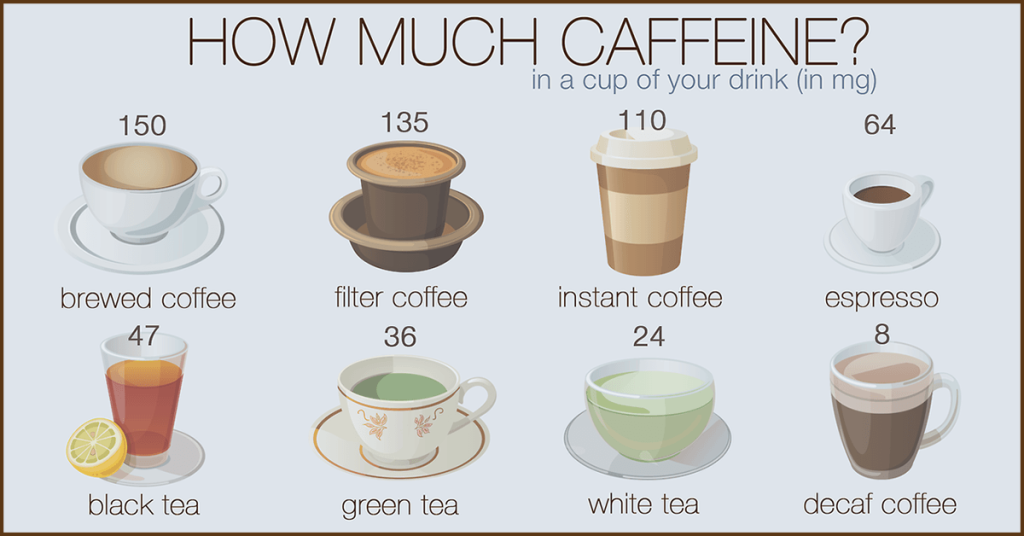
Black tea usually has the highest caffeine among common teas. It contains about 40 to 70 milligrams of caffeine per cup.
The exact amount depends on brewing time and tea type. Stronger brews have more caffeine.
Green Tea Caffeine Content
Green tea has less caffeine than black tea. A cup typically has 20 to 45 milligrams of caffeine.
- It offers a mild energy boost.
- Good for those sensitive to caffeine.
- Varies by brand and brewing method.
White Tea And Its Caffeine
White tea has the lowest caffeine among true teas. It contains about 15 to 30 milligrams per cup.
| Tea Type | Caffeine per Cup (mg) |
| Black Tea | 40 – 70 |
| Green Tea | 20 – 45 |
| White Tea | 15 – 30 |
Herbal Tea And Caffeine Absence
Herbal teas usually have no caffeine. They are made from plants, not tea leaves.
Common herbal teas include chamomile, peppermint, and rooibos. These are good choices if you want no caffeine.

Credit: redrosetea.com
Factors Affecting Tea’s Caffeine
The amount of caffeine in a cup of tea can vary a lot. Many things change how much caffeine ends up in your drink.
Understanding these factors helps you enjoy tea with the caffeine level you want.
Brewing Time Impact
The longer you brew tea, the more caffeine is released into the water. Short brewing means less caffeine.
Steeping tea for 1-2 minutes gives a mild caffeine dose. Brewing for 5 minutes or more makes it stronger.
- 1-2 minutes: low caffeine
- 3-4 minutes: medium caffeine
- 5+ minutes: high caffeine
Tea Leaf Quality And Processing
Tea leaves differ in caffeine based on quality and type. Younger leaves often have more caffeine than older ones.
Processing also changes caffeine levels. Black tea usually has more caffeine than green or white tea.
- Young leaves contain more caffeine
- Black tea has higher caffeine
- Green and white teas have less caffeine
Water Temperature Role
Hotter water extracts more caffeine from tea leaves. Boiling water pulls out the most caffeine fast.
Cooler water makes a lighter cup with less caffeine. Some teas taste better with lower temperatures too.
- 100°C (boiling) gives high caffeine extraction
- 70-80°C gives moderate caffeine
- Below 70°C extracts less caffeine
Caffeine Comparison With Coffee
Tea and coffee are two popular drinks with caffeine. Many people want to know how much caffeine is in each. This helps them choose what to drink for energy.
Caffeine amounts vary by type and serving size. We will look at average caffeine in coffee cups and compare it with tea.
Average Caffeine In Coffee Cups
Coffee usually has more caffeine than tea. A typical cup of brewed coffee has about 95 mg of caffeine. Espresso shots are stronger but served in smaller amounts.
| Type of Coffee | Average Caffeine (mg) |
| Brewed Coffee (8 oz) | 95 |
| Espresso (1 oz) | 63 |
| Instant Coffee (8 oz) | 62 |
Tea Vs Coffee: Which Has More?
Tea contains less caffeine than coffee. The amount depends on the tea type and how long it brews. Black tea has more caffeine than green or white tea.
- Black tea: 40-70 mg per 8 oz cup
- Green tea: 20-45 mg per 8 oz cup
- White tea: 15-30 mg per 8 oz cup
- Herbal tea: Usually caffeine-free
Tea’s caffeine is less than coffee’s but enough to give a gentle boost. People who want less caffeine often pick tea.
Health Effects Of Tea Caffeine
Tea contains caffeine, a natural stimulant that affects the body and mind. The amount of caffeine in a cup of tea varies by type and brewing time.
Understanding caffeine’s effects can help you enjoy tea safely and benefit from its properties.
Positive Effects On Alertness
Caffeine in tea helps improve focus and wakefulness. It blocks a brain chemical that causes tiredness.
Many people drink tea to stay alert during work or study. It can boost mental performance and reaction time.
- Increases energy levels
- Improves concentration
- Enhances mood and mental clarity
Potential Side Effects
Too much caffeine from tea can cause problems like nervousness or trouble sleeping. It may raise heart rate or cause upset stomach.
Drinking large amounts of strong tea can increase these risks. Some people may feel jittery or anxious after caffeine.
- Insomnia or poor sleep
- Increased heart rate
- Nausea or stomach discomfort
- Restlessness or anxiety
Caffeine Sensitivity Considerations
People react differently to caffeine. Some feel alert with little caffeine, while others get side effects easily.
Factors like age, weight, and health affect caffeine sensitivity. Pregnant women and children should limit caffeine intake.
- Start with small amounts of tea
- Notice how your body reacts
- Avoid caffeine late in the day
- Consult a doctor if unsure about caffeine effects
Reducing Caffeine In Tea
Tea contains caffeine, but the amount varies. Some people want less caffeine for health or sleep reasons. You can reduce caffeine by choosing certain teas or changing how you brew them.
Knowing how to lower caffeine helps you enjoy tea without feeling too alert. This guide covers decaffeinated tea options and brewing tips to reduce caffeine.
Decaffeinated Tea Options
Decaffeinated teas have most caffeine removed. They taste like regular tea but with less caffeine. These teas are good if you want to avoid caffeine but still enjoy tea flavors.
Look for green, black, or white teas labeled as decaffeinated. Some herbal teas naturally have no caffeine, like chamomile or peppermint.
- Decaffeinated green tea
- Decaffeinated black tea
- White tea with low caffeine
- Herbal teas without caffeine
Brewing Tips To Lower Caffeine
How you brew tea changes its caffeine level. Shorter brewing times lower caffeine. Use cooler water to reduce extraction of caffeine.
Rinse tea leaves with hot water for a few seconds and then discard that water. This step removes some caffeine before brewing fully.
- Brew tea for 1-2 minutes instead of 3-5 minutes
- Use water below boiling, around 160-185°F (70-85°C)
- Rinse leaves quickly with hot water before brewing
- Use fewer tea leaves for a milder brew

Credit: medium.com
Frequently Asked Questions
How Much Caffeine In A Cup Of Tea?
A typical cup of tea contains about 20-60 mg of caffeine. The exact amount depends on the type of tea and brewing time. Black tea usually has more caffeine than green tea. Herbal teas generally have little to no caffeine.
Does Green Tea Have More Caffeine Than Black Tea?
No, black tea generally contains more caffeine than green tea. Green tea usually has around 20-45 mg of caffeine per cup. In contrast, black tea often contains between 40-70 mg. The difference is due to processing methods and leaf oxidation levels.
Is Caffeine In Tea Different From Coffee?
Yes, caffeine in tea differs from coffee. Tea contains L-theanine, which slows caffeine absorption. This leads to a more sustained energy boost. Coffee provides a quicker, more intense energy spike due to its faster caffeine absorption.
Can Herbal Tea Be Caffeine-free?
Yes, most herbal teas are naturally caffeine-free. They are made from herbs, spices, and flowers, not tea leaves. Popular caffeine-free herbal teas include chamomile, peppermint, and rooibos. Always check labels to ensure a tea is truly caffeine-free.
Conclusion
Tea contains caffeine, but the amount can vary a lot. Different types of tea have different caffeine levels. Brewing time and water temperature also change caffeine content. Knowing this helps you choose the right tea for your needs. Enjoy your cup, whether you want a little boost or a gentle lift.
Remember, tea offers more than just caffeine—it brings comfort and warmth too. Keep these points in mind when you brew your next cup. Simple changes make a big difference in your tea experience.