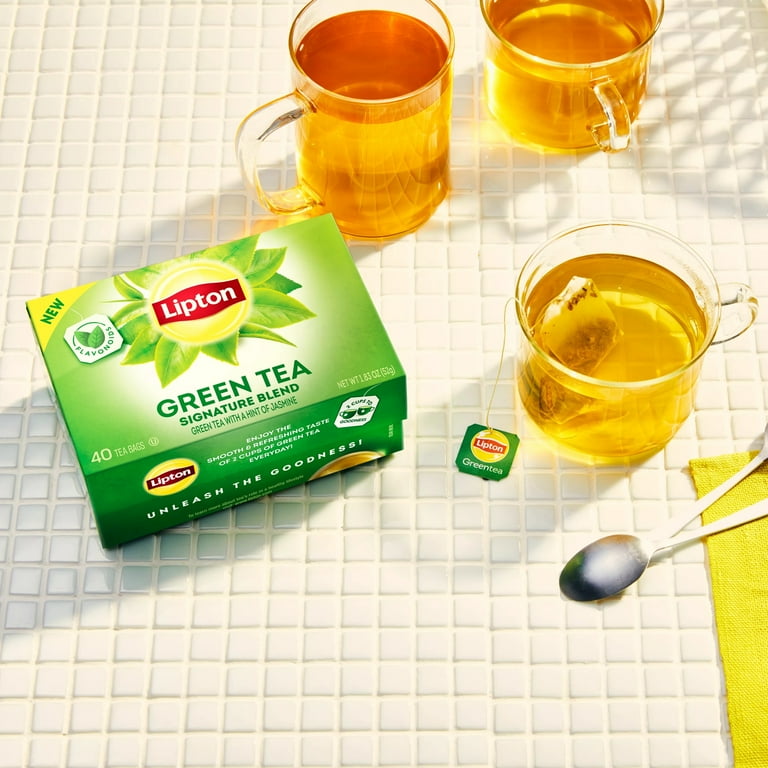
Are you curious about how much caffeine you’re getting with each cup of Lipton tea? Whether you rely on your daily tea for a gentle energy boost or want to avoid caffeine altogether, knowing the exact amount can help you make smarter choices.
Too much caffeine might leave you feeling jittery, while too little may not give you the lift you need. You’ll discover the caffeine content in Lipton tea and what it means for your daily routine. Keep reading to find out how your favorite cup of tea fits into your caffeine limits—and how to enjoy it just right.
Caffeine Content In Lipton Tea
Lipton tea is a popular choice for many tea drinkers worldwide. Knowing how much caffeine is in a cup helps you manage your intake.
Caffeine levels in Lipton tea vary based on several factors. This guide explains the average caffeine amount and what affects it.
Average Caffeine Per Cup
A standard cup of Lipton black tea contains about 30 to 55 milligrams of caffeine. This amount is less than a cup of coffee.
Green Lipton tea usually has less caffeine, ranging from 15 to 30 milligrams per cup. Herbal teas often have little or no caffeine.
- Lipton Black Tea: 30-55 mg per 8 oz cup
- Lipton Green Tea: 15-30 mg per 8 oz cup
- Lipton Herbal Tea: 0 mg (caffeine-free)
Factors Affecting Caffeine Levels
Caffeine in Lipton tea can change based on brewing time and water temperature. Longer brewing and hotter water release more caffeine.
The type of tea leaf also matters. Older leaves and certain tea types have more caffeine naturally. The amount of tea used affects caffeine too.
- Brewing time: Longer brewing increases caffeine
- Water temperature: Hotter water extracts more caffeine
- Tea leaf type: Black tea has more caffeine than green or herbal
- Amount of tea leaves: More leaves mean higher caffeine

Credit: shop.cashwise.com
Types Of Lipton Tea And Caffeine
Lipton offers many types of tea with different caffeine amounts. Knowing the caffeine content helps you choose the right tea.
This guide explains caffeine in Lipton black, green, herbal, and decaffeinated teas.
Black Tea Varieties
Lipton black teas have the most caffeine among their teas. A cup usually has about 40 to 60 milligrams of caffeine.
Different black teas may vary in caffeine depending on how they are made.
- Classic Lipton Black Tea: 55 mg caffeine per cup
- Yellow Label Black Tea: 50-60 mg caffeine per cup
- Specialty Black Blends: 45-55 mg caffeine per cup
Green Tea Options
Lipton green teas have less caffeine than black teas. One cup usually contains 20 to 30 milligrams of caffeine.
Green tea caffeine levels vary by type and brewing time.
- Pure Green Tea: 25 mg caffeine per cup
- Green Tea with Lemon: 20-25 mg caffeine per cup
- Matcha Green Tea: 30 mg caffeine per cup
Herbal And Decaffeinated Choices
Herbal teas from Lipton usually have no caffeine. They use herbs, flowers, or fruits instead of tea leaves.
Decaffeinated Lipton teas have very little caffeine, often less than 5 milligrams per cup.
- Chamomile Herbal Tea: 0 mg caffeine
- Mint Herbal Tea: 0 mg caffeine
- Decaffeinated Black Tea: 2-5 mg caffeine per cup
- Decaffeinated Green Tea: 2-5 mg caffeine per cup
Brewing Methods And Caffeine
A cup of Lipton tea contains caffeine, but the amount can change. Brewing methods play a big role in this.
How you brew your tea affects how much caffeine ends up in your cup. Different steps can raise or lower caffeine levels.
Steeping Time Impact
Steeping time means how long you let the tea leaves soak in hot water. The longer the steep, the more caffeine you get.
Short steeping times will release less caffeine. If you want less caffeine, steep for 1 to 2 minutes. For more caffeine, steep for 3 to 5 minutes.
- 1-2 minutes: low caffeine
- 3-5 minutes: moderate caffeine
- Over 5 minutes: higher caffeine
Water Temperature Effects
Water temperature also changes caffeine levels in your tea. Hotter water pulls out more caffeine from the leaves.
Using water just below boiling (around 200°F or 93°C) is best for Lipton tea. Cooler water will release less caffeine but may taste weaker.
- Below 160°F (71°C): less caffeine, mild flavor
- 160°F to 200°F (71°C to 93°C): balanced caffeine and taste
- At or near boiling (212°F/100°C): more caffeine, stronger taste

Credit: htsplus.ng
Comparing Lipton Tea To Other Beverages
Caffeine is a natural stimulant found in many drinks. Lipton tea has caffeine, but its amount varies.
Knowing how much caffeine is in Lipton tea helps you compare it to coffee and other teas.
Lipton Vs Coffee
A typical cup of Lipton tea contains about 30 to 55 mg of caffeine. Coffee usually has more caffeine.
An 8-ounce cup of coffee often has 95 mg or more of caffeine. This is almost double or triple Lipton tea.
| Beverage | Caffeine per 8 oz |
|---|---|
| Lipton Tea | 30-55 mg |
| Brewed Coffee | 95 mg |
Lipton Vs Other Tea Brands
Lipton tea has caffeine similar to many other black teas. Some brands may have slightly more or less.
Green teas generally have less caffeine than Lipton black tea. Herbal teas usually have none.
- Lipton Black Tea: 30-55 mg caffeine
- Other Black Teas: 40-70 mg caffeine
- Green Tea: 20-45 mg caffeine
- Herbal Tea: 0 mg caffeine
Health Implications Of Lipton Tea Caffeine
Lipton tea contains caffeine, a natural stimulant found in tea leaves. The caffeine amount varies but is usually less than coffee.
Understanding caffeine’s effects helps you enjoy Lipton tea safely and healthily.
Benefits Of Moderate Caffeine Intake
Drinking a moderate amount of caffeine can improve alertness and focus. It may also boost your mood and energy.
Caffeine in Lipton tea can help you feel more awake without making you jittery.
- Improves mental focus and concentration
- Increases energy levels
- May enhance physical performance
- Can improve mood and reduce tiredness
Potential Risks Of Excessive Consumption
Too much caffeine can cause problems like anxiety, restlessness, and trouble sleeping. It may also increase heart rate.
High caffeine intake from Lipton tea or other sources can lead to headaches or upset stomach.
- Sleep disturbances and insomnia
- Nervousness and anxiety
- Increased heart rate and blood pressure
- Possible digestive issues

Credit: www.courtesyproducts.com
Tips To Control Caffeine Intake
Caffeine can affect your sleep and energy. It is good to control how much you drink.
Lipton tea has caffeine, but the amount changes by type and brewing. Learn how to manage it.
Choosing The Right Lipton Tea
Different Lipton teas have different caffeine levels. Some have less caffeine to help reduce your intake.
- Black tea has the most caffeine, about 40-60 mg per cup.
- Green tea has less caffeine, around 20-30 mg per cup.
- Herbal teas usually have no caffeine at all.
- Decaffeinated Lipton tea contains very little caffeine.
Adjusting Brewing Habits
The way you brew tea changes its caffeine amount. Use these tips to lower caffeine in your cup.
| Brewing Method | Effect on Caffeine |
| Shorter steep time (1-2 minutes) | Less caffeine released |
| Longer steep time (4-5 minutes) | More caffeine released |
| Use cooler water temperature | Reduces caffeine extraction |
| Use fewer tea leaves | Lower caffeine in the cup |
Frequently Asked Questions
How Much Caffeine Is In Lipton Tea?
A standard cup of Lipton tea contains approximately 40-50 mg of caffeine. This amount can vary based on steeping time and temperature. Compared to coffee, which contains about 95 mg of caffeine per cup, Lipton tea offers a milder caffeine experience.
It’s a great option for those seeking a moderate caffeine intake.
Is Lipton Tea High In Caffeine?
Lipton tea is relatively low in caffeine compared to coffee. It contains about 40-50 mg per cup. This makes it a suitable choice for those wanting to reduce their caffeine consumption. Lipton tea provides a gentle energy boost without the jitters associated with higher caffeine beverages.
Does Lipton Tea Have More Caffeine Than Green Tea?
Lipton black tea generally has more caffeine than Lipton green tea. While black tea contains about 40-50 mg of caffeine, green tea typically contains 20-35 mg. This makes black tea a better option for those looking for a stronger caffeine kick.
Green tea offers a milder alternative with additional health benefits.
Can I Drink Lipton Tea Before Bed?
It’s generally best to avoid Lipton tea before bed due to its caffeine content. Caffeine can interfere with sleep quality and duration. If you enjoy tea in the evening, consider opting for a caffeine-free herbal variety. This ensures a relaxing pre-bedtime routine without disrupting your sleep cycle.
Conclusion
A cup of Lipton tea contains a moderate amount of caffeine. This amount varies by brew strength and tea type. Knowing caffeine levels helps you enjoy tea without worry. It supports better choices for your daily routine. Whether for energy or relaxation, Lipton tea fits well.
Drinking tea mindfully keeps you healthy and alert. A simple cup can brighten your day. Choose your tea and enjoy its gentle boost.