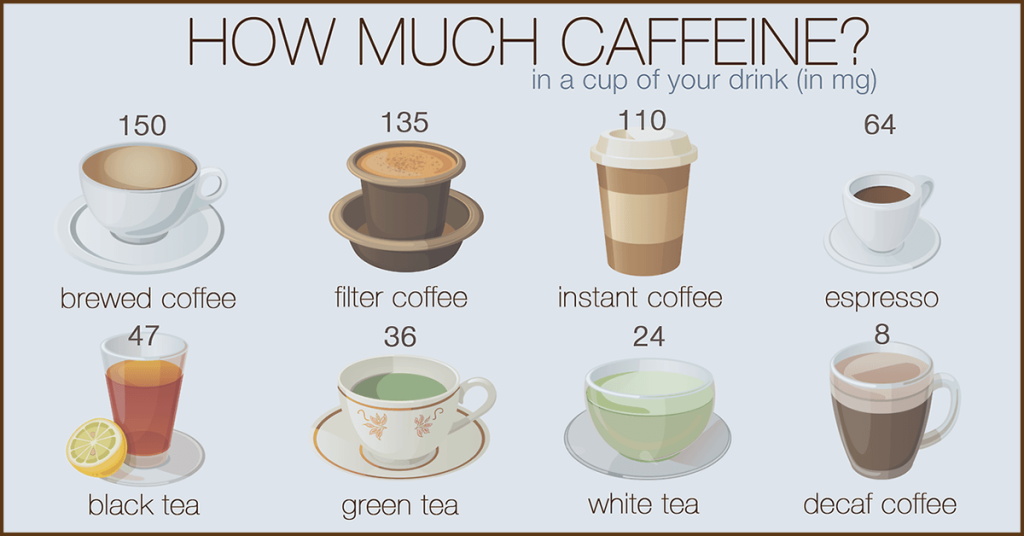
Have you ever wondered how much caffeine is in your cup of tea? Whether you rely on tea to kickstart your morning or enjoy it as a relaxing afternoon ritual, knowing the caffeine content can help you make smarter choices.
Too much caffeine might leave you feeling jittery, while too little may not give you the boost you need. You’ll discover exactly how much caffeine is packed into that soothing cup and learn how different types of tea can affect your energy levels.
Keep reading to find out what’s really inside your favorite brew—and how it fits into your daily routine.

Credit: www.coracaoconfections.com
Caffeine Content In Different Tea Types
Tea is a popular drink enjoyed worldwide. It contains caffeine, a natural stimulant.
The amount of caffeine varies by tea type. Knowing the caffeine content helps you choose the right tea.
Black Tea
Black tea has the highest caffeine among traditional teas. It is fully oxidized, which affects caffeine levels.
One cup of black tea usually contains 40 to 70 mg of caffeine. Stronger brews have more caffeine.
- Strong flavor
- High caffeine content
- Good for morning energy
Green Tea
Green tea is less oxidized than black tea. It has a lighter taste and moderate caffeine.
A cup of green tea contains about 20 to 45 mg of caffeine. It varies by brand and brewing time.
- Fresh and grassy flavor
- Moderate caffeine level
- Good for afternoon refreshment
White Tea
White tea is the least processed tea. It has a delicate flavor and low caffeine.
One cup usually contains 15 to 30 mg of caffeine. It is a gentle choice for sensitive drinkers.
- Mild taste
- Low caffeine content
- Best for late day drinking
Oolong Tea
Oolong tea is partially oxidized, between black and green teas. It has a smooth, rich flavor.
Caffeine in oolong tea ranges from 30 to 50 mg per cup. The level depends on oxidation and brewing.
- Balanced flavor
- Medium caffeine content
- Good for steady energy
Herbal Tea
Herbal teas are made from plants other than tea leaves. Most do not contain caffeine.
Common herbal teas like chamomile or peppermint have 0 mg caffeine. They are caffeine-free options.
- Varied flavors
- No caffeine
- Good for relaxing
Factors Affecting Tea’s Caffeine Levels
The caffeine content in tea varies widely. Several factors influence how much caffeine is in one cup.
Understanding these factors helps you control caffeine intake from tea.
Tea Leaf Quality
Tea leaves differ in caffeine content based on their quality and type. Younger leaves and buds usually have more caffeine. Also, tea grown at higher altitudes tends to have higher caffeine levels.
- Young leaves have higher caffeine.
- Tea from high altitudes contains more caffeine.
- Different tea types (black, green, white) vary in caffeine.
Brewing Time And Temperature
How long and how hot you brew your tea changes the caffeine amount. Hotter water and longer steeping release more caffeine into the cup.
| Brewing Time | Caffeine Extracted |
| 1 minute | Low |
| 3 minutes | Medium |
| 5 minutes or more | High |
| Water Temperature | Effect |
| Below 80°C (176°F) | Less caffeine released |
| 90°C to 100°C (194°F to 212°F) | More caffeine released |
Tea Leaf Quantity
The amount of tea leaves you use changes caffeine levels. More leaves mean more caffeine in your cup.
- 1 teaspoon of tea leaves has less caffeine.
- 2 teaspoons or more increase caffeine content.
- Loose leaf tea usually has more caffeine than tea bags.
Comparing Tea To Coffee And Other Beverages
Many people enjoy tea as a daily drink. It contains caffeine but less than some other drinks. Knowing the caffeine content can help you choose the right drink for your needs.
This guide compares caffeine in tea, coffee, energy drinks, and soft drinks. You will see how much caffeine each contains in one cup or serving.
Caffeine In Coffee
Coffee usually has more caffeine than tea. The amount depends on the type and how it is brewed. On average, an 8-ounce cup of coffee has about 95 mg of caffeine.
Here is a simple list of caffeine amounts in different coffee types:
- Drip coffee: 95 mg per 8 oz
- Espresso: 63 mg per 1 oz shot
- Instant coffee: 30-90 mg per 8 oz
Caffeine In Energy Drinks
Energy drinks often have high caffeine levels. They come in cans of different sizes. A standard 8-ounce energy drink usually has about 80 mg of caffeine.
| Energy Drink | Serving Size | Caffeine Content |
|---|---|---|
| Red Bull | 8.4 oz | 80 mg |
| Monster Energy | 16 oz | 160 mg |
| Rockstar | 16 oz | 160 mg |
Caffeine In Soft Drinks
Soft drinks have less caffeine than coffee or energy drinks. A typical 12-ounce can of cola contains about 34 mg of caffeine.
- Cola drinks: 30-40 mg per 12 oz
- Diet cola: 40 mg per 12 oz
- Root beer and other sodas: Usually caffeine-free

Credit: redrosetea.com
Health Effects Of Tea Caffeine
Tea contains caffeine, a natural stimulant that affects the body and mind. The amount of caffeine in one cup varies by tea type and brewing time.
Understanding how caffeine in tea affects health helps you enjoy it safely and gain benefits.
Benefits Of Moderate Caffeine Intake
Drinking tea with moderate caffeine can improve focus and alertness. It may also boost your mood and energy levels.
Caffeine helps the brain work better and can reduce feelings of tiredness.
- Improves concentration and mental alertness
- Enhances physical performance
- May lower risk of some diseases
- Boosts mood and reduces fatigue
Potential Side Effects
Too much caffeine from tea can cause problems like headaches or trouble sleeping. It may also increase heart rate and cause nervousness.
Drinking large amounts can lead to stomach upset or jitteriness.
- Insomnia or poor sleep quality
- Increased heart rate
- Headaches and dizziness
- Stomach discomfort
- Nervousness or anxiety
Caffeine Sensitivity
Some people are more sensitive to caffeine and feel effects even with small amounts. Sensitivity depends on age, weight, and genes.
People sensitive to caffeine should limit tea intake or choose low-caffeine options.
- Watch for symptoms like rapid heartbeat or jitters
- Try decaffeinated or herbal teas
- Limit tea drinking in the afternoon or evening
Reducing Caffeine In Your Tea
Tea contains caffeine, but the amount varies. Some people want less caffeine for health or sleep reasons. You can reduce caffeine in tea by making smart choices.
This guide shows simple ways to lower caffeine in your tea without losing flavor. Try these tips to enjoy tea with less caffeine.
Choosing Low-caffeine Varieties
Not all teas have the same caffeine. Some types naturally have less caffeine. Herbal teas usually have no caffeine at all. Green and white teas have less caffeine than black tea.
- Herbal teas like chamomile and rooibos contain no caffeine
- White tea has the least caffeine among true teas
- Green tea has moderate caffeine
- Black tea has the most caffeine
Shorter Steeping Times
Steeping tea longer releases more caffeine. You can cut caffeine by brewing tea for less time. Steep for 1 to 2 minutes to reduce caffeine.
Shorter steeping keeps caffeine low but still gives good taste. Avoid steeping more than 3 minutes if you want less caffeine.
Decaffeinated Tea Options
Decaffeinated teas are processed to remove most caffeine. They taste like regular tea but have very little caffeine. This is a good choice if you want almost no caffeine.
Look for labels that say “decaffeinated” or “caffeine-free.” Keep in mind decaffeinated tea can still have a tiny amount of caffeine.

Credit: medium.com
Surprising Facts About Tea And Caffeine
Many people drink tea to feel awake and refreshed. Tea contains caffeine, but the amount can change a lot.
Knowing how much caffeine is in tea can help you choose the right type for your needs.
Caffeine Content Variation By Brand
Different tea brands have different caffeine levels. This happens because of how the tea is grown and made.
- Some brands use more tea leaves per cup, which raises caffeine.
- Others use blends with less caffeine to keep it mild.
- Organic and specialty teas can have varying caffeine too.
Myths About Tea And Caffeine
Many people think tea has less caffeine than coffee always. This is not always true.
Some believe green tea has no caffeine. Actually, all real teas have some caffeine.
- Decaf tea is not fully caffeine free.
- Herbal teas usually have no caffeine.
- Longer brewing does not always mean more caffeine.
Historical Use Of Tea For Energy
People have used tea for energy for thousands of years. Ancient cultures drank tea to stay alert.
Tea was important for monks, workers, and travelers needing focus and strength.
- Chinese monks used tea to help meditation.
- Tea was traded along the Silk Road to boost energy.
- In Japan, tea ceremonies helped sharpen the mind.
Frequently Asked Questions
How Much Caffeine Is In A Cup Of Tea?
A standard cup of tea contains about 20 to 60 milligrams of caffeine. The amount varies based on the type of tea and brewing time. Black tea generally has more caffeine than green or white teas. Herbal teas usually have no caffeine.
Does Brewing Time Affect Caffeine Content?
Yes, brewing time significantly affects caffeine levels. Longer brewing times increase caffeine extraction from tea leaves. For less caffeine, steep your tea for a shorter duration. Experiment with brewing times to find your preferred caffeine level.
Which Tea Type Has The Most Caffeine?
Black tea typically has the highest caffeine content among teas. It usually contains 40 to 70 milligrams per cup. Green tea has less caffeine, while white tea contains the least. Herbal teas are usually caffeine-free.
Is Tea Caffeine Different From Coffee Caffeine?
Tea and coffee both contain caffeine, but tea often has less. Additionally, tea contains L-theanine, which can lead to a smoother energy boost. This combination in tea may result in a gentler, more prolonged alertness compared to coffee.
Conclusion
Tea contains caffeine, but the amount varies a lot. Factors like tea type and brewing time matter. Usually, one cup has less caffeine than coffee. This makes tea a good choice for some caffeine. Remember, too much caffeine can cause problems.
Enjoy your tea in a way that suits you best. Keep exploring and find your perfect cup. Simple and clear—tea’s caffeine can fit your daily routine.