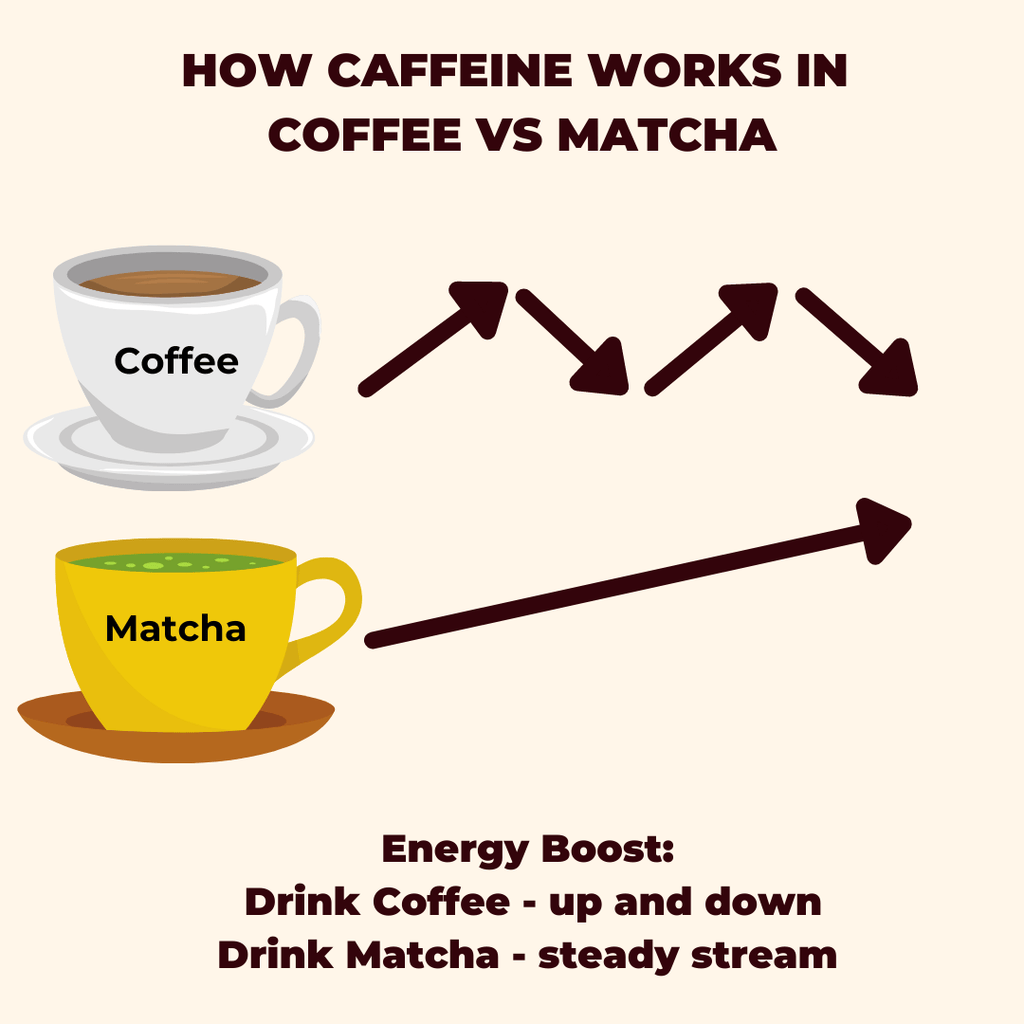
Are you curious about how much caffeine is in your cup of green tea? Whether you rely on green tea to boost your energy or simply enjoy its fresh taste, knowing the caffeine content can help you make better choices.
Too much caffeine might keep you up at night, while too little might leave you feeling sluggish. You’ll discover the surprising facts about green tea’s caffeine levels and how it compares to other drinks. Keep reading to find out exactly what’s in your cup and how it affects your body.

Credit: www.allohealth.com
Caffeine Content In Green Tea
Green tea is a popular drink enjoyed worldwide. Many people want to know how much caffeine it contains.
Caffeine can give you energy and improve focus. The amount in green tea varies depending on many factors.
Average Amount Per Cup
A typical cup of green tea has less caffeine than coffee. On average, it contains about 20 to 45 milligrams of caffeine.
This amount can be enough to help you stay alert without causing jitters for most people.
- Green tea: 20-45 mg caffeine per 8 oz cup
- Coffee: 95-200 mg caffeine per 8 oz cup
- Black tea: 40-70 mg caffeine per 8 oz cup
Factors Affecting Caffeine Levels
Caffeine levels in green tea depend on several factors. These include the type of tea leaves and how you brew the tea.
Here are some key factors that change caffeine content in green tea:
- Tea leaf type:Younger leaves have more caffeine than older ones.
- Brewing time:Longer steeping releases more caffeine.
- Water temperature:Hotter water extracts more caffeine.
- Leaf amount:More tea leaves increase caffeine per cup.
- Tea form:Matcha powder has more caffeine than loose leaves.
Comparison With Other Beverages
A cup of green tea contains caffeine, but the amount varies by beverage. Knowing how green tea compares helps you choose what fits your needs.
This section compares caffeine in green tea with black tea, coffee, and energy drinks. Each drink has different caffeine levels.
Green Tea Vs. Black Tea
Green tea usually has less caffeine than black tea. A cup of green tea has about 20-45 mg caffeine.
Black tea contains about 40-70 mg caffeine per cup. The difference is because of how the leaves are processed.
- Green tea: 20-45 mg caffeine per cup
- Black tea: 40-70 mg caffeine per cup
Green Tea Vs. Coffee
Coffee has much more caffeine than green tea. A typical cup of coffee contains 95-200 mg caffeine.
Green tea gives a gentle caffeine boost. Coffee gives a stronger, faster effect.
- Green tea: 20-45 mg caffeine per cup
- Coffee: 95-200 mg caffeine per cup
Green Tea Vs. Energy Drinks
Energy drinks contain more caffeine than green tea. They range from 70 to 200 mg caffeine per serving.
Green tea offers a natural caffeine source. Energy drinks often have added sugars and other ingredients.
- Green tea: 20-45 mg caffeine per cup
- Energy drinks: 70-200 mg caffeine per serving
Types Of Green Tea And Their Caffeine
Green tea is popular for its mild flavor and health benefits. The caffeine in green tea varies by type.
Knowing the caffeine content helps you choose the right tea for your needs. Different green teas have unique caffeine levels.
Matcha And Its Unique Profile
Matcha is powdered green tea made from shade-grown leaves. You consume the whole leaf, so caffeine is higher.
A cup of matcha usually contains about 60 to 70 mg of caffeine. This is more than most other green teas.
- Bright green color from high chlorophyll
- Strong, rich flavor
- Higher caffeine than brewed green teas
Sencha And Gyokuro Differences
Sencha is the most common green tea in Japan. It has moderate caffeine, about 20 to 30 mg per cup.
Gyokuro is a premium tea grown in shade for weeks. It has more caffeine than sencha, around 35 to 50 mg.
| Tea Type | Caffeine per Cup (mg) | Flavor |
|---|---|---|
| Sencha | 20–30 | Light, grassy |
| Gyokuro | 35–50 | Sweet, umami-rich |
Decaffeinated Green Tea Options
Decaffeinated green tea has most caffeine removed. It usually contains 2 to 5 mg per cup.
This tea suits people sensitive to caffeine but who want green tea flavor.
- Less stimulating effect
- Still rich in antioxidants
- Good for evening drinking
Credit: www.walmart.com
Brewing Techniques And Caffeine Extraction
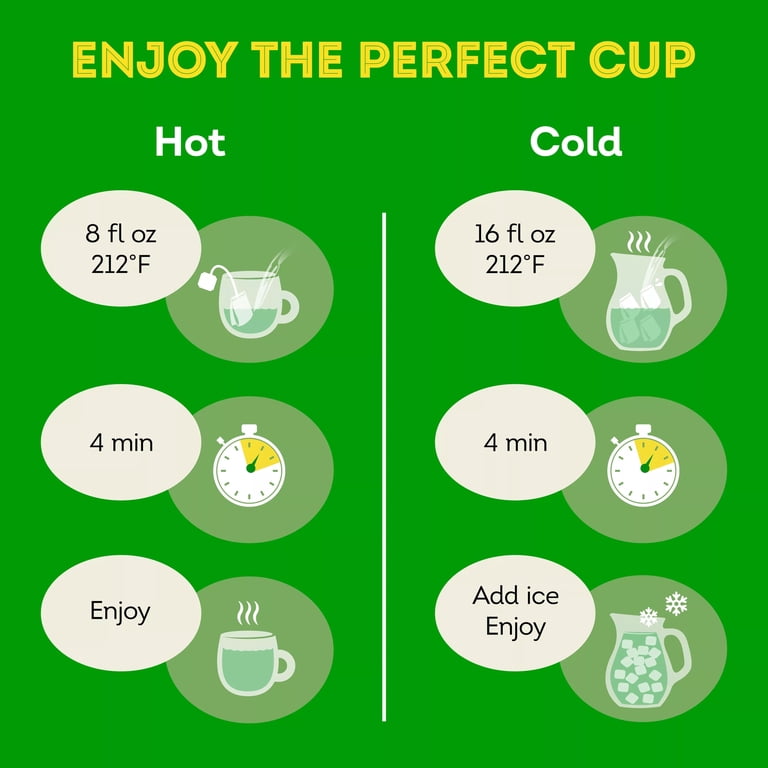
Green tea contains caffeine, but the amount varies. Brewing changes how much caffeine comes out of the leaves. Using different techniques affects caffeine levels in your cup.
Understanding brewing helps control caffeine intake. Water temperature, steeping time, and leaf quality all play a role in caffeine extraction.
Water Temperature Impact
Water temperature is key to caffeine release in green tea. Hotter water extracts more caffeine faster. Cooler water extracts less caffeine but may take longer.
Ideal water temperature for green tea is usually 160°F to 185°F (70°C to 85°C). Using boiling water can make tea bitter and increase caffeine too much.
- Higher temperature = more caffeine
- Lower temperature = milder caffeine release
- Too hot water can cause bitterness
Steeping Time Effects
Steeping time controls how much caffeine moves from leaves to water. Longer steeping means more caffeine. Short steeping gives less caffeine and lighter flavor.
Most green teas steep well between 1 to 3 minutes. Steeping over 5 minutes can release a lot of caffeine and make tea bitter.
- Short steeping = less caffeine
- Long steeping = more caffeine
- Over-steeping may cause bitterness
Leaf Quantity And Quality
The amount and quality of tea leaves impact caffeine content too. More leaves mean more caffeine. High-quality leaves often have balanced caffeine levels.
Using too few leaves results in weak tea with less caffeine. Using old or low-quality leaves may reduce caffeine and flavor.
- More leaves = higher caffeine
- Good quality leaves = better caffeine balance
- Old leaves = lower caffeine and flavor
Health Effects Of Green Tea Caffeine
Green tea contains caffeine, but less than coffee. A typical cup has about 20-45 mg of caffeine.
Caffeine in green tea affects the body and mind in many ways. It can boost energy and alertness.
Benefits Of Moderate Intake
Drinking green tea in moderate amounts can help improve focus and concentration. It also supports metabolism.
Caffeine in green tea may protect the brain and reduce the risk of some diseases.
- Increases mental alertness
- Supports fat burning
- May lower risk of heart disease
- Contains antioxidants that protect cells
Potential Risks Of Excessive Consumption
Too much caffeine from green tea can cause nervousness and trouble sleeping. It may raise heart rate.
High caffeine intake can lead to headaches and upset stomach in some people.
- Insomnia or poor sleep
- Increased anxiety or jitters
- Heart palpitations
- Digestive discomfort

Credit: medium.com
Tips For Managing Green Tea Caffeine Intake
Green tea contains caffeine, but the amount can vary. Managing caffeine helps you enjoy green tea without feeling restless.
Use simple ways to control how much caffeine you get from green tea each day.
Choosing The Right Green Tea
Different green teas have different caffeine levels. Some types have less caffeine than others.
Look for green teas labeled as “low caffeine” or “decaffeinated” if you want less caffeine.
- Sencha has moderate caffeine.
- Bancha usually has less caffeine.
- Matcha contains more caffeine because you drink the whole leaf.
- Decaf green tea has very little caffeine.
Adjusting Brewing Habits
How you brew green tea changes the caffeine amount. Shorter steeping means less caffeine.
Use cooler water and steep for 1-2 minutes to reduce caffeine in your cup.
- Use water around 160-175°F (70-80°C).
- Steep for 1-2 minutes, not longer.
- Reuse tea leaves for a second cup to lower caffeine.
- Avoid boiling water to prevent extra caffeine release.
Alternative Beverage Suggestions
If you want less caffeine or no caffeine, try other drinks instead of green tea.
Herbal teas and some fruit teas have no caffeine and can be tasty alternatives.
- Chamomile tea is caffeine-free and calming.
- Rooibos tea has no caffeine and a sweet taste.
- Mint tea is refreshing without caffeine.
- Warm water with lemon can be a good choice too.
Frequently Asked Questions
How Much Caffeine Is In Green Tea?
Green tea typically contains 20 to 45 mg of caffeine per 8-ounce cup. The caffeine content can vary based on factors like brewing time and tea quality. It’s significantly less than coffee, making it a gentler option for those sensitive to caffeine.
Is Green Tea’s Caffeine Less Than Coffee?
Yes, green tea contains much less caffeine than coffee. An 8-ounce cup of coffee has about 95 mg of caffeine. In comparison, green tea has between 20 to 45 mg. This makes green tea a suitable choice for those seeking a milder caffeine intake.
Does Brewing Time Affect Caffeine In Green Tea?
Yes, brewing time can affect caffeine levels in green tea. Longer brewing times typically increase the caffeine content. For a milder caffeine hit, brew your green tea for a shorter duration. Adjust brewing time based on your caffeine sensitivity and taste preference.
Can Green Tea Be Decaffeinated?
Yes, decaffeinated green tea is available. It undergoes a process to remove most of its caffeine. While not completely caffeine-free, it contains significantly less caffeine than regular green tea. It’s a great option for those who want to limit their caffeine intake.
Conclusion
Green tea contains less caffeine than coffee or black tea. A typical cup has about 20-45 mg of caffeine. This amount can vary depending on how you brew it. Green tea gives a gentle energy boost without jitters. It suits those who want mild caffeine effects.
Drinking green tea can help you stay alert and calm. Choose your cup size and brewing time wisely. Enjoy your green tea as a healthy, tasty drink. Simple and clear—just what you need to know.