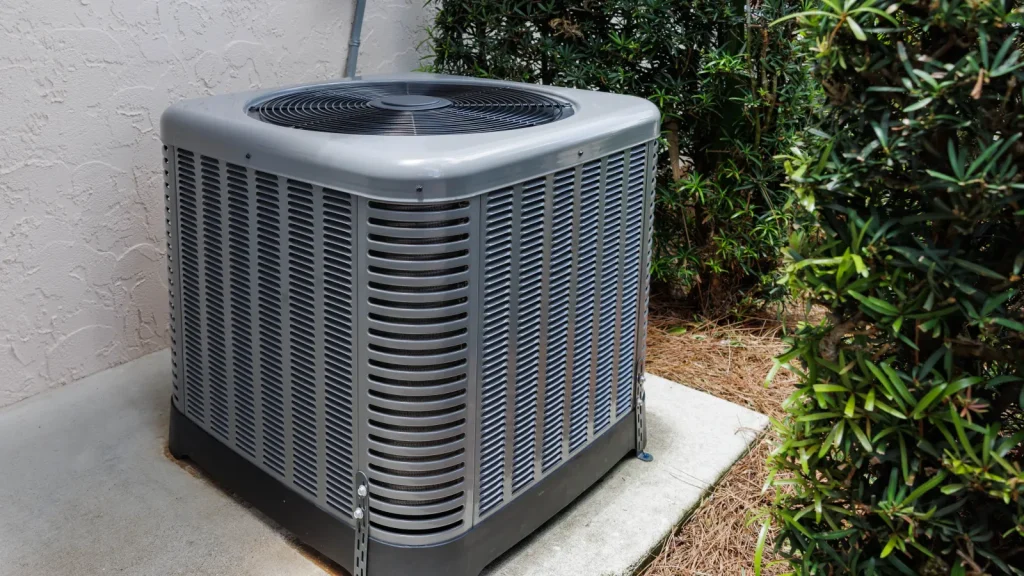
Have you ever wondered just how much an air conditioner can cool your home? When the heat climbs, you want to know if your AC will keep every room comfortable or leave some areas still sweltering.
Understanding how far your air conditioner can go in cooling your house helps you make smart choices about energy use, comfort, and even your electricity bill. Keep reading, and you’ll discover what really affects your AC’s cooling power—and how to get the most out of it for a cooler, more refreshing home.
Factors Affecting Cooling Capacity
The cooling power of an air conditioner depends on many things. These factors change how much a unit cools a house.
Knowing these factors helps you choose the right air conditioner size. It also helps keep your home comfortable.
House Size And Layout
Bigger houses need air conditioners with more cooling power. The layout also matters because open rooms cool differently than many small rooms.
Air flows better in open spaces. A house with many walls or floors may need stronger cooling or more units.
Insulation Quality
Good insulation keeps cool air inside and warm air outside. Poor insulation lets heat enter, making the air conditioner work harder.
Walls, ceilings, and floors should have proper insulation. This helps the air conditioner cool the house efficiently.
Window Types And Placement
Windows can let heat into the house. Single-pane windows let more heat inside than double-pane windows.
South- and west-facing windows get more sun. This increases the cooling load on the air conditioner.
- Double-pane windows reduce heat entry
- Window shades or curtains block sunlight
- Window placement affects sun exposure
Local Climate Conditions
Hotter climates need air conditioners with higher cooling capacity. Humidity also affects how cool a house feels.
Dry heat feels different from moist heat. Some air conditioners handle humidity better than others.
- Hot climates require stronger cooling
- High humidity makes cooling harder
- Some AC units control humidity well
Air Conditioner Types
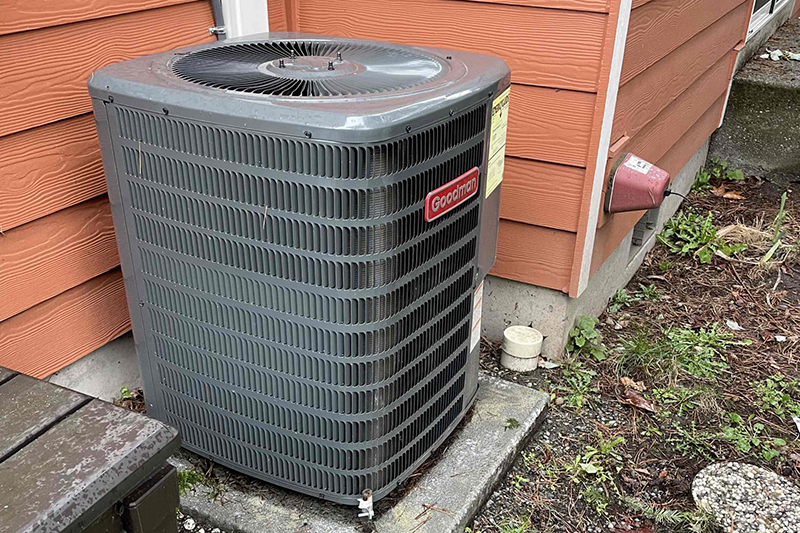
Different air conditioners cool in different ways. Central AC cools whole houses. Window units cool single rooms.
Split systems and portable units have varied cooling power. Choosing the right type affects how well your home cools.
- Central AC cools entire houses evenly
- Window units work for one room
- Split systems offer flexible cooling
- Portable units are easy to move
Credit: lifetimeheating.com
Measuring Cooling Power
Air conditioners cool houses by removing heat from the air. The cooling power shows how much heat the unit can remove.
Understanding cooling power helps you pick the right air conditioner size for your home.
Btu Explained
BTU stands for British Thermal Unit. It measures how much heat an air conditioner can remove in one hour.
More BTUs mean a stronger cooling power. A small room needs fewer BTUs than a large house.
- 1 BTU cools about 0.293 watts of heat
- Common home units range from 5,000 to 24,000 BTUs
- Choosing the right BTU size saves energy and money
Tonnage And Its Impact
Tonnage measures an air conditioner’s cooling capacity. One ton equals 12,000 BTUs per hour.
Higher tonnage means the unit cools larger spaces faster. Too large a unit can waste energy and cause discomfort.
- 1 ton cools about 400 to 600 square feet
- 2 tons suit homes around 800 to 1,200 square feet
- Correct tonnage keeps temperature steady and saves energy
Energy Efficiency Ratings
Energy efficiency ratings show how well an air conditioner uses power. Higher ratings mean lower electricity use.
Common ratings include SEER and EER. These help compare different models for cost and performance.
| Rating | What It Means | Typical Range |
|---|---|---|
| SEER | Seasonal Energy Efficiency Ratio | 13 to 21+ |
| EER | Energy Efficiency Ratio at peak load | 8 to 12+ |
Estimating Cooling Needs
Knowing how much an air conditioner can cool your house helps pick the right size. A unit too small will struggle. One too big wastes energy.
Estimating cooling needs involves measuring your home and considering other factors. This guide explains key steps for better results.
Calculating Square Footage
Start by measuring the length and width of each room. Multiply them to get square feet. Add all rooms to find total area.
This number shows how much space needs cooling. Larger homes need more powerful units.
Considering Ceiling Height
Taller ceilings hold more air. This means your air conditioner must work harder to cool the whole space.
| Ceiling Height | Adjustment Factor |
| 8 feet (standard) | 1.0 |
| 9 feet | 1.1 |
| 10 feet | 1.2 |
| More than 10 feet | 1.3 or higher |
Multiply your home’s square footage by the adjustment factor. This gives a better cooling estimate.
Adjusting For Occupants And Appliances
People and appliances add heat. More occupants or devices increase cooling needs.
- Add 600 BTUs for each additional person beyond two.
- Add 400 BTUs for each heat-producing appliance.
- Include extra cooling for kitchens and home offices.
These adjustments help avoid underestimating your air conditioner’s capacity.
Dealing With Sunlight Exposure
Rooms with large windows or strong sun need more cooling power. Sunlight heats the space quickly.
Tip:Use curtains or shades to reduce heat gain from sunlight. This lowers cooling requirements.
Increase your cooling estimate by 10-20% for rooms with high sun exposure. This ensures comfort throughout the day.
Credit: www.carrier.com
Limitations Of Air Conditioners
Air conditioners help cool homes, but they have limits. Understanding these limits helps in choosing the right system.
This section explains how much temperature drop is possible, humidity control issues, and risks of system overload.
Maximum Temperature Drop
Air conditioners can lower indoor temperature only by a certain amount. Usually, they reduce it by 15 to 20 degrees Fahrenheit from the outside temperature.
If outside is very hot, the air conditioner may struggle to reach a very cool indoor temperature.
Humidity Control Challenges
Air conditioners remove moisture from the air, but they do not always control humidity well. High humidity can make a home feel warmer and less comfortable.
- Air conditioners cool the air and reduce some moisture.
- In very humid climates, extra devices like dehumidifiers may be needed.
- Poor humidity control can cause mold and damage to the home.
System Overload Risks
| Cause | Effect | Prevention |
| Too large space for AC capacity | AC runs constantly and may fail early | Choose correct size for your home |
| High outside temperature | System works harder and uses more energy | Use shading and insulation |
| Dirty filters or blocked vents | Reduced airflow and system strain | Regular cleaning and maintenance |
Improving Cooling Efficiency
Air conditioners cool your house by removing heat from inside. To make them work better, you can improve how your home keeps cool air in and hot air out.
Simple changes help your air conditioner cool faster and use less energy. These tips focus on sealing leaks, adding insulation, using fans, and doing regular maintenance.
Sealing Air Leaks
Air leaks let warm air enter your home and cool air escape. Sealing these leaks keeps your house cooler and reduces the air conditioner’s work.
- Check windows and doors for gaps
- Use weatherstripping or caulk to close cracks
- Seal holes around pipes and vents
- Install door sweeps to block air at the bottom
Upgrading Insulation
Good insulation slows heat from outside from entering your home. It also keeps cool air inside longer, helping your air conditioner work efficiently.
| Area | Recommended Insulation Type | Benefits |
| Attic | Fiberglass Batt or Spray Foam | Reduces heat gain from the roof |
| Walls | Blown-in Cellulose or Foam | Keeps outside heat out |
| Floors | Rigid Foam Board | Prevents heat from ground |
Using Fans And Ventilation
Fans help move cool air around and remove hot air. Ventilation works to bring in fresh air and push out warm air, easing the load on your air conditioner.
- Use ceiling fans to circulate cool air
- Place exhaust fans in kitchens and bathrooms
- Open windows in early morning or late evening for cross ventilation
- Use attic fans to remove hot air buildup
Regular Maintenance Tips
Keeping your air conditioner clean and tuned up helps it run smoothly and cool better. Neglect can lower cooling power and raise costs.
- Clean or replace air filters every 1-3 months
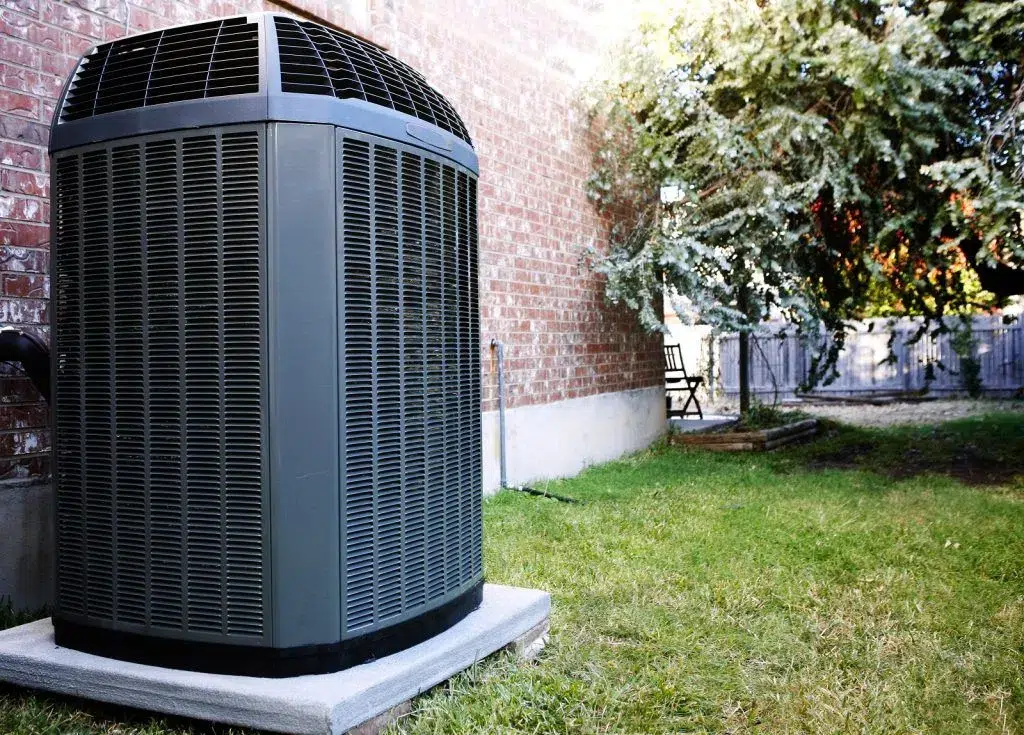
- Clear debris around outdoor unit
- Check refrigerant levels and refill if needed
- Inspect and clean evaporator and condenser coils
- Schedule professional tune-ups annually
Credit: www.allamericanpha.com
Choosing The Right Air Conditioner
Cooling a house depends on the air conditioner’s type and size. Picking the right unit helps keep your home comfortable.
Different air conditioners work best in different spaces. Consider your home’s size and layout before choosing.
Split Vs. Window Units
Split units have two parts: one inside and one outside. They cool rooms quietly and are more energy-efficient.
Window units fit in a window and cool a single room. They are easy to install but can be noisy.
- Split units are better for multiple rooms
- Window units are cheaper and portable
- Split units require professional installation
- Window units are easy to move or remove
Central Air Systems
Central air systems cool the whole house using ducts. They keep temperature steady in every room.
These systems need space for ducts and cost more to install. They work well for larger homes.
- Provide even cooling throughout the house
- Require professional installation and maintenance
- Can improve home value
- Use more energy than smaller units
Portable Options
Portable air conditioners move easily from room to room. They need a window for venting hot air outside.
These units are good for small spaces or temporary cooling. They are less powerful than split or central systems.
- No permanent installation needed
- Good for renters or small rooms
- Less energy efficient than fixed units
- May be noisy during operation
Smart Thermostats And Controls
Smart thermostats help control air conditioners with a phone or voice commands. They keep temperatures comfortable and save energy.
These devices learn your schedule and adjust cooling automatically. They work with many types of air conditioners.
- Remote control from anywhere
- Energy use monitoring
- Schedules to match your routine
- Can lower cooling costs
Energy Costs And Savings
Air conditioners help cool your home but use electricity. Knowing energy costs helps you plan your budget. Saving energy lowers your bills and helps the environment.
This guide covers how to estimate running costs, save energy, and find rebates for air conditioners.
Estimating Running Costs
Your air conditioner’s running cost depends on size, efficiency, and usage time. Check your unit’s power in watts and your local electricity rate.
| Factor | Example | Explanation |
| Power Use | 1500 Watts | Energy consumed per hour |
| Hours Used | 8 hours/day | Daily operation time |
| Electricity Rate | $0.12/kWh | Cost per kilowatt-hour |
| Daily Cost | $1.44 | Power × Hours × Rate |
Energy-saving Practices
Use these tips to reduce your air conditioner’s energy use and save money.
- Set the thermostat to 78°F (26°C) when home.
- Close curtains to block sunlight.
- Use ceiling fans to help cool the room.
- Seal windows and doors to keep cold air in.
- Turn off the AC when rooms are empty.
- Keep your AC unit clean and maintained.
Incentives And Rebates
Many places offer rebates to lower the cost of energy-efficient AC units. Check local programs before buying.
Common incentives include:
- Cash rebates for ENERGY STAR certified units
- Tax credits for upgrading to efficient systems
- Discounts from utility companies
- Special financing options
Visit your local energy office website to find current offers.
Frequently Asked Questions
How Much Can An Air Conditioner Lower Indoor Temperature?
An air conditioner can typically cool indoor air by 15 to 20 degrees Fahrenheit. This depends on the unit’s capacity and house insulation. Properly sized AC units ensure efficient cooling and comfort throughout the home.
What Factors Affect An Air Conditioner’s Cooling Capacity?
Cooling capacity depends on the AC unit size, insulation quality, house size, and outdoor temperature. Proper ventilation and maintenance also impact performance. These factors together determine how effectively your air conditioner cools your house.
Can One Air Conditioner Cool An Entire House?
One air conditioner can cool an entire house if it’s correctly sized for the space. Larger homes may need multiple units or zoning systems for even cooling. Proper installation enhances efficiency and comfort.
How Do Insulation And Windows Impact Cooling Efficiency?
Good insulation and energy-efficient windows reduce heat gain and improve cooling efficiency. They help maintain cooler indoor temperatures longer and lower the workload on your AC. This saves energy and reduces cooling costs.
Conclusion
An air conditioner can cool your home effectively. But several factors matter. Room size, insulation, and outside temperature influence performance. Regular maintenance ensures optimal cooling. Choose the right unit size for your space. It saves energy and costs. A well-cooled home offers comfort and relaxation.
Understanding these elements helps maximize your AC’s potential. Stay cool and enjoy a refreshing indoor climate. Keep these tips in mind for the best results. Your comfort depends on it.