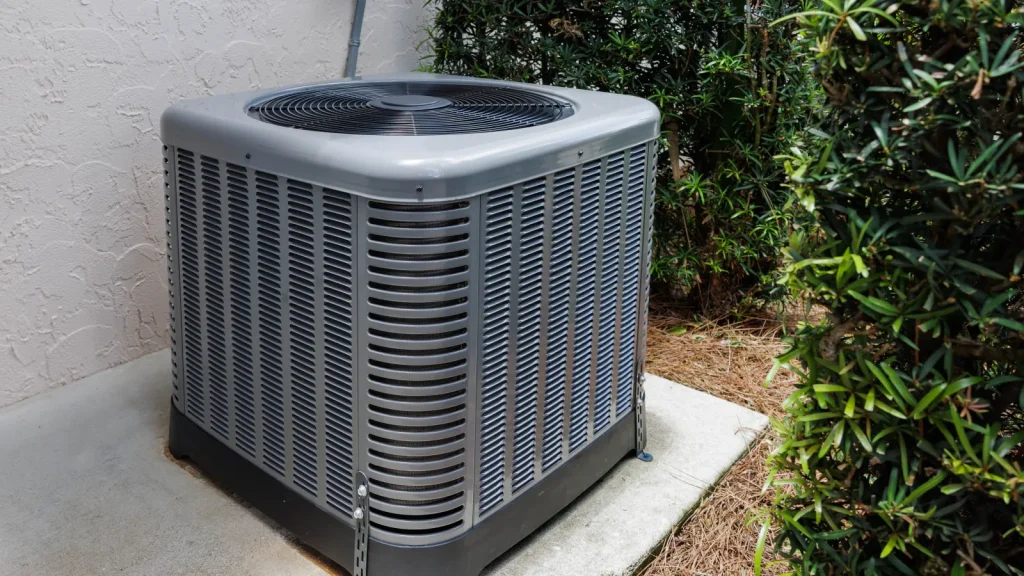
Have you ever wondered just how much an air conditioner can cool your house? When the heat is on, you want to know if your AC can keep every room comfortably cool or if some spots will still feel like a sauna.
Understanding how far your air conditioner can go in lowering the temperature can save you from sweating through the summer and help you make smarter choices for your home. Keep reading to discover the surprising facts about your AC’s cooling power and learn how to get the most out of it.
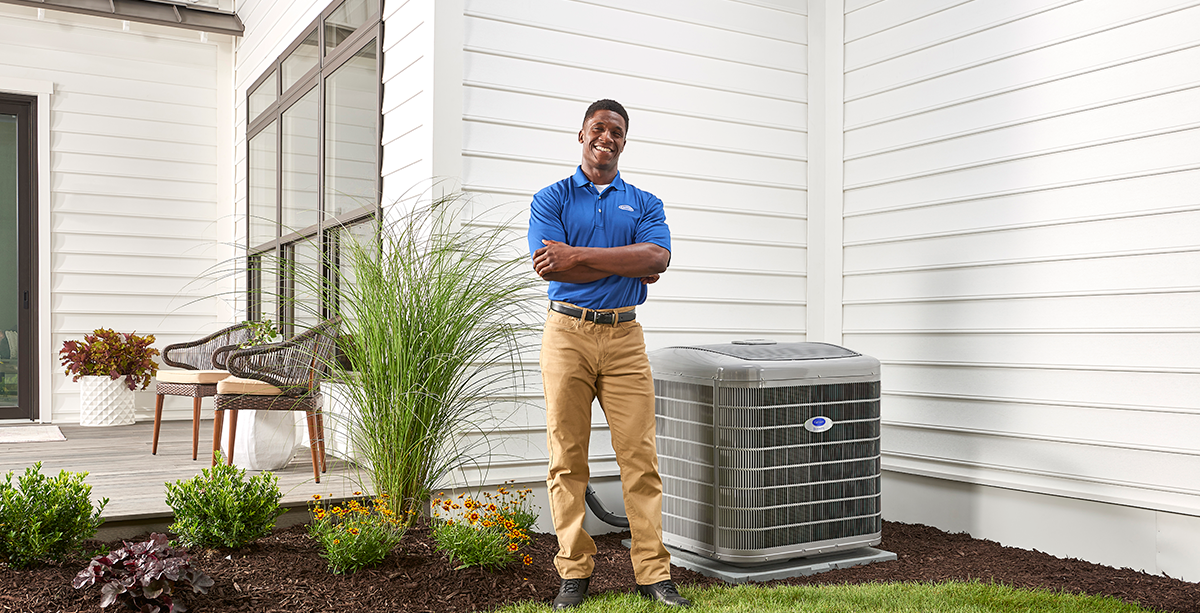
Credit: www.carrier.com
Factors Affecting Cooling Capacity
House size and layoutgreatly affect cooling. Larger homes need stronger air conditioners. Open floor plans can help cold air spread. Rooms with many windows may stay warmer.
Insulation and sealingkeep cool air inside. Good insulation stops heat from entering. Sealed doors and windows block hot air. Poor insulation makes the AC work harder.
Outdoor temperature and humidity play a big role. Hot, humid air makes cooling harder. The AC must remove moisture and heat. Cooler, dry weather helps the AC cool faster.
AC unit size and efficiencymatter a lot. A small unit cannot cool a big house well. An efficient AC uses less energy to cool. Proper size and efficiency save money and keep you cool.
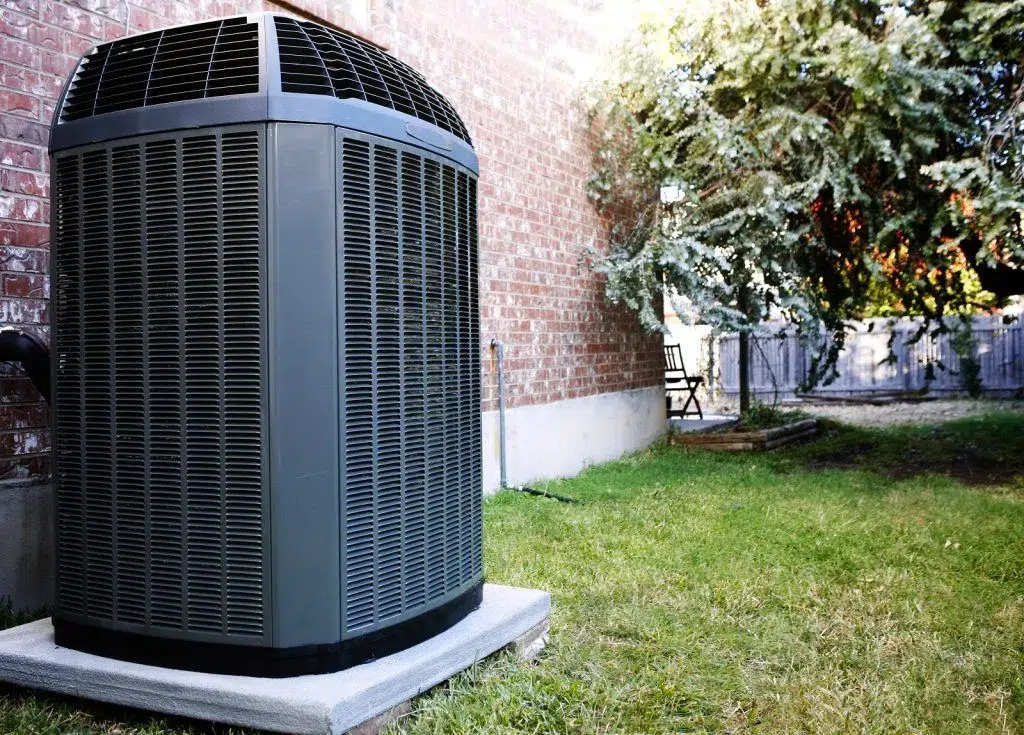
Credit: www.allamericanpha.com
Measuring Cooling Power
BTUs(British Thermal Units) measure how much heat an air conditioner can remove. The higher the BTUs, the more cooling power it has. To cool a house properly, the AC’s BTU rating should match the home’s cooling load, which depends on size, insulation, and sun exposure.
SEER ratingsshow an AC’s energy efficiency. A higher SEER number means better efficiency and lower electricity bills. It helps to choose a unit that saves energy while keeping the house cool.
Airflowand ventilationaffect how cool the house feels. Good airflow spreads cool air evenly, and proper ventilation removes warm air. Both are key for comfort and efficient cooling.
Maximizing Ac Efficiency
Setting the thermostat to a comfortable temperature helps save energy and cools the house well. Keeping it around 78°F (25-26°C)when home and higher when away is smart. Avoid setting it too low; it won’t cool faster but will waste power.
Regular maintenance keeps the AC running smoothly. Clean or replace filters every 1-3 months. Clear debris near outdoor units for better airflow. Check coils and fins for dirt to help cool air better.
Good air circulation spreads cool air evenly. Keep doors and vents open in rooms you use. Use ceiling fans to move air around. Fans help the AC by making rooms feel cooler without extra cooling.
Shade blocks heat from sunlight. Closing blinds or curtains during the day keeps rooms cooler. Planting trees or using awnings can reduce heat gain on windows. Less heat means the AC works less hard.
Common Cooling Challenges
Hot spots occur when some rooms stay warmer than others. This happens due to poor air flow or sun exposure. Uneven cooling makes some areas uncomfortable while others feel fine. Adjusting vents or using fans can help balance the temperature.
High humidity makes a house feel warmer. Moist air stops sweat from evaporating, so you feel hotter. Air conditioners remove moisture, but very humid areas need more powerful units. Without proper humidity control, cooling feels less effective.
Aging equipment works less efficiently over time. Old parts wear out and reduce cooling power. It may run longer but cool less. Regular maintenance and timely replacement improve performance and save energy.
Alternative Cooling Solutions
Zoning systemshelp cool different parts of a house separately. They save energy by cooling only the rooms in use. This system uses multiple thermostats to control airflow. It improves comfort and lowers electricity bills.
Evaporative coolerswork best in dry climates. They use water to cool the air and add moisture. These coolers use less power than traditional air conditioners. They are eco-friendly but less effective in humid areas.
Smart home integrationlets you control cooling remotely. You can adjust temperatures using a phone or voice commands. This helps maintain comfort and reduce energy waste. Smart thermostats learn your schedule for better cooling.
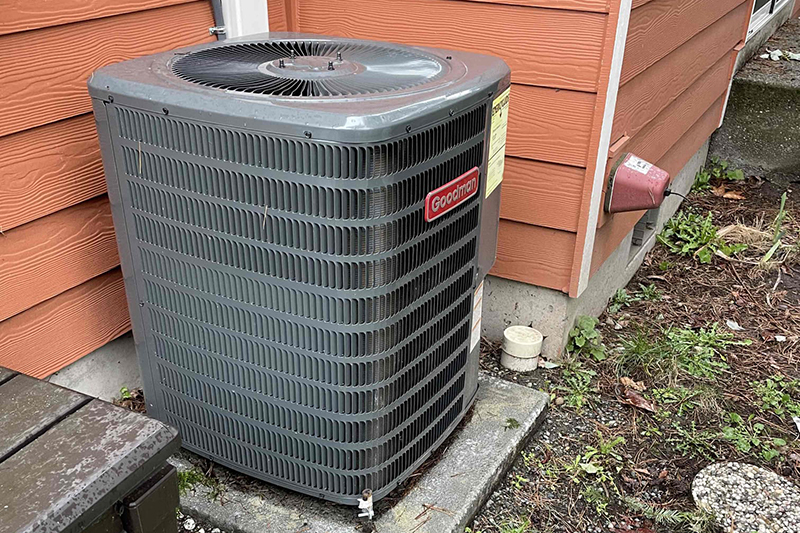
Credit: lifetimeheating.com
Frequently Asked Questions
How Much Can An Air Conditioner Lower Indoor Temperature?
An air conditioner can typically lower indoor temperature by 15 to 20 degrees Fahrenheit. The exact cooling depends on unit size, insulation, and outdoor heat levels. Properly sized AC units ensure efficient and comfortable cooling throughout the house.
What Factors Affect An Air Conditioner’s Cooling Capacity?
Cooling capacity depends on unit size, room size, insulation quality, and outdoor temperature. Poor insulation or an undersized unit reduces effectiveness. Regular maintenance also impacts performance and energy efficiency in cooling your home.
Can An Air Conditioner Cool A Whole House Evenly?
Central air conditioners can cool an entire house evenly with proper ductwork. Room air conditioners may only cool specific areas effectively. Balanced airflow, insulation, and unit capacity all influence uniform cooling throughout your home.
How Does Insulation Impact Air Conditioner Efficiency?
Good insulation keeps cool air inside and hot air outside, reducing AC workload. Poor insulation causes temperature fluctuations and higher energy bills. Proper insulation improves cooling efficiency and comfort in your home.
Conclusion
An air conditioner cools your home by removing heat from inside. Its cooling power depends on size and room area. Proper sizing ensures efficient cooling and energy savings. Keep doors and windows closed to maintain cool air. Regular maintenance helps your AC work better and last longer.
Remember, an AC cannot cool a space larger than its capacity. Choose the right unit for your home’s needs. Stay comfortable and save energy with the right cooling approach.